
 한국어
 English
 日本語
 中文(简体)
Dosage form image
Viewing nowRasagiline Tablets (Rasagiline Mesylate)
Rasagiline Mesylate 1.56mg
Tablet · Prescription medication
Korea Pharma Co., Ltd.
MFDS item code 201907383 · Approved 2019.10.22
This product's status changed to Expired on 2024.10.22. It may no longer be sold, so consult a doctor or pharmacist before taking it.
Monotherapy or adjunctive treatment of idiopathic Parkinson's disease
This medication is used to treat idiopathic Parkinson's disease. In the early stages, it can be used as monotherapy or as an adjunct to dopamine agonists to manage symptoms. Additionally, in patients experiencing motor fluctuations, it is used as an adjunct with levodopa to alleviate symptoms. This can improve the patient's motor function and enhance their quality of life.
Administer orally once daily to adults as monotherapy or adjunctive therapy. 1) Monotherapy or adjunctive therapy to a dopamine agonist: Administer 1mg orally once daily. 2) Adjunctive therapy to levodopa: The recommended starting dose for patients taking levodopa is 0.5mg once daily. If well tolerated but an adequate clinical response is not achieved, the dose may be increased to 1mg once daily. This medicine may be taken with or without food.
This drug should not be used by individuals who are allergic to the active ingredients or other components of this drug. It should also not be taken with other MAO inhibitors or specific analgesics, cough medicines, etc., or if usage was stopped within 2 weeks. It is unsafe to administer this drug to patients with moderate or severe liver dysfunction. Various side effects such as flu, skin cancer, leukopenia, allergies, headaches, dizziness, nausea, and insomnia may occur during the use of this drug. Particularly in patients with Parkinson's disease, symptoms such as hallucinations, confusion, and movement disorders may arise, requiring caution. This drug can cause fluctuations in blood pressure or hypotension, so blood pressure should be regularly monitored. Impulse control disorders may occur, so patients and caregivers should vigilantly observe for symptoms such as obsessive behavior or pathological gambling. Patients with decreased liver or kidney function should consult a doctor before taking this medication, and patients with severe liver disease should avoid it. This drug may induce drowsiness or sudden sleep, so caution is necessary when driving or operating hazardous machinery. There are numerous drug interactions, so consultation with a doctor or pharmacist is essential when taking it with antidepressants, analgesics, cold medicines, etc. If pregnant or nursing, a thorough consultation with a specialist should be conducted before use. Serious side effects may occur in cases of overdose, so it is imperative to adhere to the prescribed method and dosage. The safety of this drug in children has not been established; therefore, it is advisable not to use it in individuals under 18 years of age. When storing, keep it in a cool place out of reach of children and do not transfer it to another container.
Not everyone experiences these, and they can vary from person to person.
This medication should be stored in a tightly sealed container to avoid exposure to air or moisture. Additionally, it is best to store the drug at room temperature between 1°C and 25°C, avoiding excessively hot or cold places.
White or nearly white, flat round tablets with edges
For domestic use - 30 tablets/bottle, For domestic use - 100 tablets/bottle
Even with the same ingredient, strength, dosage form and how it is taken can differ.
Rasagiline Mesylate 1.56mg
Tablet · Prescription medication
Korea Pharma Co., Ltd.
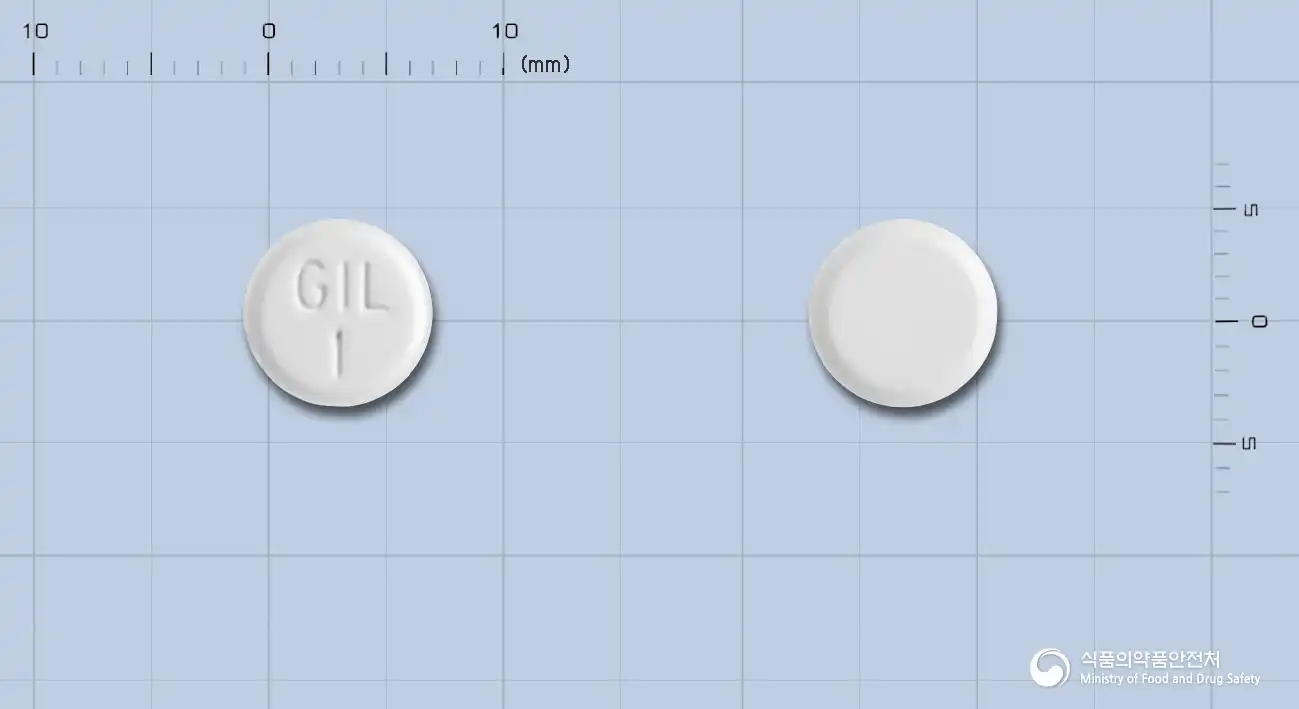
Rasagiline Mesylate 1.56mg
Tablet · Prescription medication
Hana Lundbeck Co., Ltd.
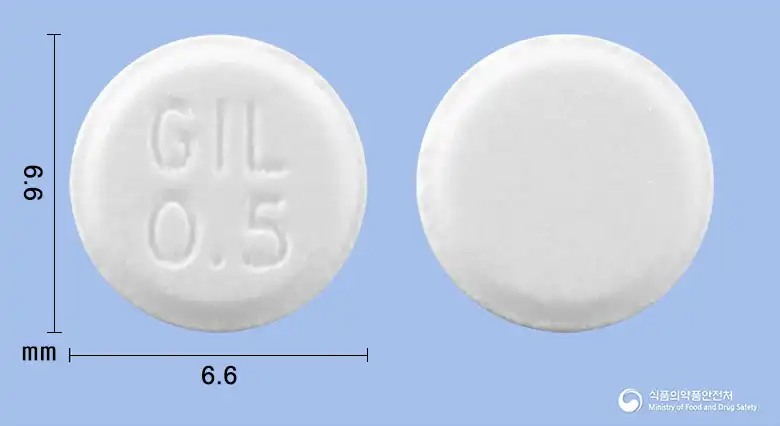
Rasagiline Mesylate 0.78mg
Tablet · Prescription medication
Korea Lundbeck Co., Ltd.
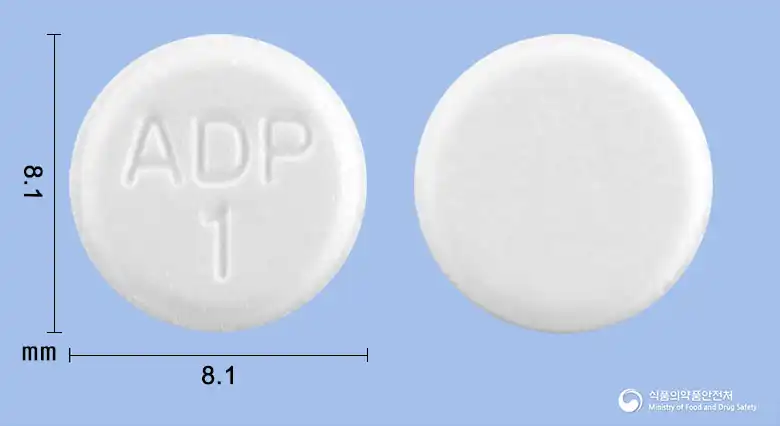
Rasagiline Mesylate 1.56mg
Tablet · Prescription medication
Jongkundang Co., Ltd.
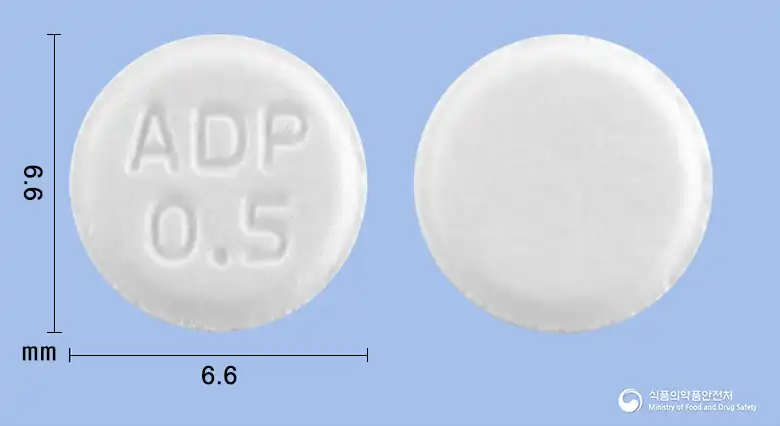
Rasagiline Mesylate 0.78mg
Tablet · Prescription medication
Jongkundang Co., Ltd.
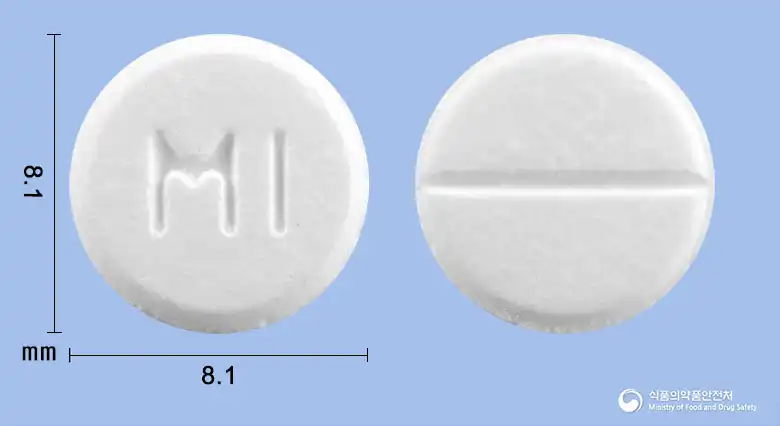
Rasagiline Mesylate 1.56mg
Tablet · Prescription medication
Myungin Pharmaceutical Co., Ltd.
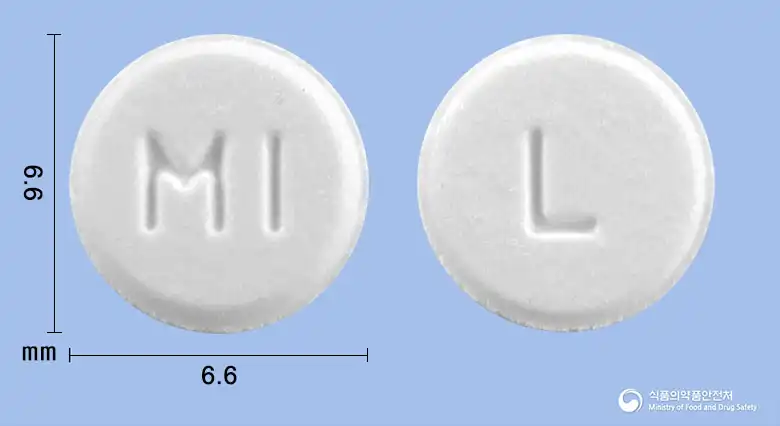
Rasagiline Mesylate 0.78mg
Tablet · Prescription medication
Myungin Pharmaceutical Co., Ltd.
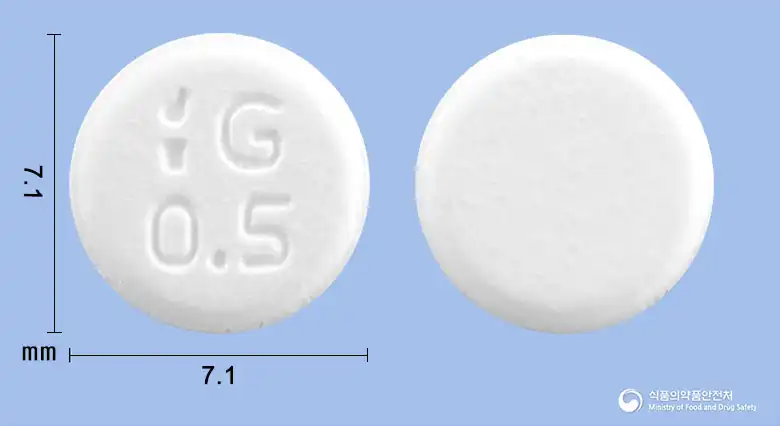
Rasagiline Mesylate 0.78mg
Tablet · Prescription medication
Sam-il Pharmaceutical Co., Ltd.
Even with the same ingredient, the dose and directions can differ by strength and dosage form. Talk to a doctor or pharmacist before switching from a medication you are already taking.
No questions yet.
For anything that needs medical judgment, consult a doctor or pharmacist.
This drug information is based on data provided by the Korea Ministry of Food and Drug Safety.
Consult a doctor or pharmacist for accurate dosage, administration, and usage instructions.