
 한국어
 English
 日本語
 中文(简体)
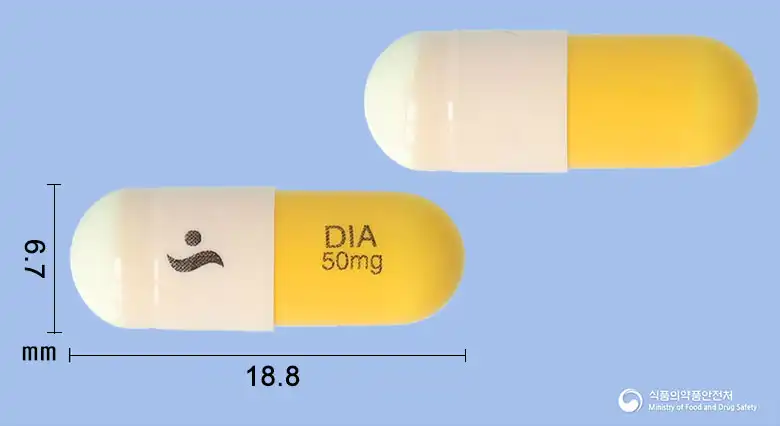 Viewing now
Adirein Capsule 50mg (Diacerein)
Diacerein 50mg
Hard capsule · Prescription medication
Ari Pharmaceutical Co., Ltd.
MFDS item code 201907373 · Approved 2019.10.21
Treatment of osteoarthritis (knee joint, etc.)
Used for osteoarthritis, a degenerative joint disease occurring in the hip and knee joints. This medication helps relieve joint pain and inflammation to make daily life more comfortable and prevents deterioration of joint function. It is particularly effective in improving symptoms associated with cartilage damage in the joints.
Adults: Diacerein 50∼100mg per day is administered orally in 1∼2 divided doses after meals. Adjust the dose appropriately according to symptoms. For patients with a history of loose stools or diarrhea, an initial dose of 50mg once daily for the first 2-4 weeks is recommended, followed by 50mg twice daily.
This medication should not be used by patients with inflammatory bowel disease. For example, it is prohibited for patients with ulcerative colitis or Crohn's disease. Additionally, patients with bowel obstruction syndrome or unexplained abdominal pain should not take this medication. Patients who have had allergic reactions to this drug, its ingredients, or Rhein-type medications should avoid it. Those with liver disease or a history of liver problems are also advised against using this drug. Children under 15 years of age should not take this medication. This drug contains lactose, so it should not be administered to patients with genetic issues such as lactose intolerance, Lapp lactase deficiency, or glucose-galactose malabsorption. Patients with a history of small intestine or colon diseases should use this drug with caution. This drug belongs to the anthraquinone class, thus requiring special attention. Pregnant or nursing women should also use this medication cautiously and avoid it if possible. Elderly patients over 65 are advised to reduce the dosage. When taking this medication, gastrointestinal side effects may occur. Diarrhea, loose stools, and abdominal pain might develop, and prolonged use can lead to serious issues such as gastrointestinal bleeding, ulcers, or perforation. If diarrhea becomes severe, there is a risk of dehydration and electrolyte imbalance, so caution is advised. Symptoms such as itching, rash, and eczema may commonly appear. It can affect liver function, potentially increasing liver enzyme levels, so regular monitoring of liver health is necessary. When taking this drug for an extended period, always follow your doctor's instructions. If diarrhea occurs, discontinue the medication immediately and consult with a healthcare professional; avoiding the use of antidiarrheals is recommended. If signs of liver damage appear, stop taking this drug and follow your doctor's advice, and it is advisable not to use it in conjunction with other medications that can burden the liver. Additionally, it is recommended to limit alcohol intake while on this medication. Taking antacids containing calcium, magnesium, or aluminum, or consuming salt with this medication may disrupt its absorption; therefore, it should be taken at least 2 hours apart. If used with diuretics, there is an increased risk of dehydration and hypokalemia due to enhanced diuretic effects, so caution is necessary. Co-administration with cardiac glycosides may increase the risk of arrhythmias; thus, consultation with a healthcare provider is critical. During pregnancy, this medication may affect fetal bone formation, so it is safer not to take it. It is also advisable to avoid this drug during breastfeeding as its components can partially transmit into breast milk. In case of overdose, severe diarrhea may occur, requiring appropriate treatment such as electrolyte replenishment. When taking this drug, always follow your physician's prescription and guidance, and it is crucial to report any unusual symptoms to healthcare providers immediately.
Diarrhea, loose stools, abdominal pain, gastrointestinal disorders (bleeding, ulceration, and perforation), pigmentation of the rectal mucosa, itching, rash, eczema, elevated serum liver enzymes, dehydration, fluid and electrolyte imbalance, hypokalemia, symptoms of liver damage, severe diarrhea
Not everyone experiences these, and they can vary from person to person.
This medication may be sensitive to air and moisture, so it should be stored in a tightly sealed container. It is advisable to maintain storage temperatures between 1 to 30 degrees Celsius at room temperature. This will help preserve the drug's efficacy and ensure safe use.
A white hard capsule with the upper part filled with brownish-yellow contents and the lower part yellow.
30 capsules/bottle, 500 capsules/bottle
Even with the same ingredient, strength, dosage form and how it is taken can differ.
Viewing nowDiacerein 50mg
Hard capsule · Prescription medication
Ari Pharmaceutical Co., Ltd.

Diacerein 50mg
Hard capsule · Prescription medication
Myungmoon Pharmaceutical Co., Ltd.
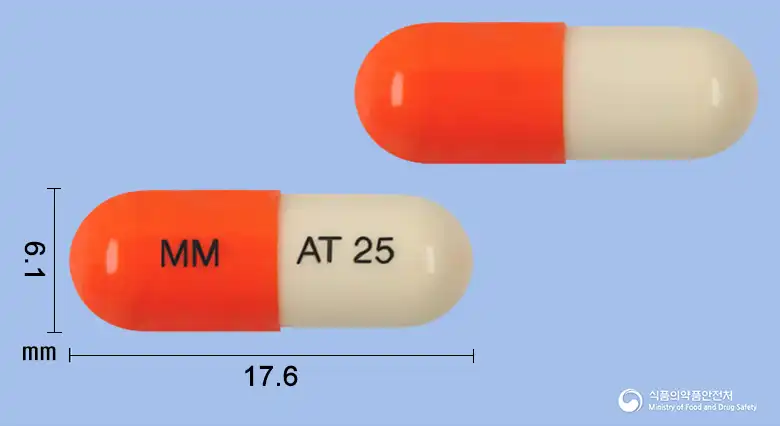
Diacerein 25mg
Hard capsule · Prescription medication
Myungmoon Pharmaceutical Co., Ltd.

Diacerein 50mg
Hard capsule · Prescription medication
Youyoung Pharmaceutical Co., Ltd.

Diacerein 50mg
Hard capsule · Prescription medication
Medica Korea Co., Ltd.

Diacerein 50mg
Hard capsule · Prescription medication
Shinpoong Pharmaceutical Co., Ltd.

Diacerein 50mg
Hard capsule · Prescription medication
Daehwa Pharmaceutical Co., Ltd.

Diacerein 50mg
Hard capsule · Prescription medication
IYON Pharmaceutical Co., Ltd.
Even with the same ingredient, the dose and directions can differ by strength and dosage form. Talk to a doctor or pharmacist before switching from a medication you are already taking.
No questions yet.
For anything that needs medical judgment, consult a doctor or pharmacist.
This drug information is based on data provided by the Korea Ministry of Food and Drug Safety.
Consult a doctor or pharmacist for accurate dosage, administration, and usage instructions.