
 한국어
 English
 日本語
 中文(简体)
Dosage form image
Viewing nowTamsulon Extended Release Capsule 0.2 mg (Tamsulosin Hydrochloride)
Tamsulosin Hydrochloride 0.2mg
Prescription medication
Kims Pharmaceutical Co., Ltd.
MFDS item code 201907360 · Approved 2019.10.21
This product's status changed to Expired on 2024.10.21. It may no longer be sold, so consult a doctor or pharmacist before taking it.
Improvement of voiding difficulties associated with benign prostatic hyperplasia
Urinary disturbances due to benign prostatic hyperplasia refer to symptoms where urination is difficult due to enlargement of the prostate gland. This medication improves such urinary disturbances, helping to facilitate urine flow. It also aids in reducing urinary frequency and urgency symptoms, thereby enhancing the quality of life for patients. It is mainly used for urination issues caused by prostate enlargement in men.
Adults: Tamsulosin hydrochloride 0.2 mg is administered orally once daily after a meal. This medicine must be swallowed whole and must not be crushed or chewed. Adjust the dose appropriately according to symptoms.
This medication should not be used in certain patients. Individuals who have had an allergy to this medication or its components should not take it. It should not be administered to patients with orthostatic hypotension since symptoms may worsen due to sudden drops in blood pressure. It should be avoided in patients with severe liver impairment because blood levels of this medication may increase. Women who are pregnant or may become pregnant should not take this medication. Patients with severe kidney impairment should use this medication cautiously due to the potential for increased concentration. Elderly patients may react differently to medications, so it should be used with caution. Patients taking blood pressure lowering drugs or certain other medications should be aware of the risk of excessively low blood pressure due to interactions with this medication. In particular, patients taking alpha-1 blockers should generally avoid this medication but may use it cautiously if absolutely necessary. Patients with a history of urinary syncope should also use this medication with caution. This medication may cause side effects that lead to a sudden drop in blood pressure, resulting in temporary loss of consciousness; if such symptoms occur, administration should be stopped immediately and appropriate treatment sought. Dizziness, headache, drowsiness, insomnia, and nervous system symptoms such as irritability may occur. Increased or irregular heartbeats and blood pressure drops, as well as orthostatic hypotension, may present. If allergic reactions such as skin rash or itching occur, it is necessary to discontinue use immediately. Gastrointestinal symptoms like nausea, vomiting, abdominal pain, and decreased appetite may occur. If liver function abnormalities or jaundice symptoms arise, drug use must be stopped immediately and a doctor consulted. This medication carries a higher risk of blood pressure reduction when taken in high doses, so strict adherence to the dosage is essential. Blood pressure may drop when rising, so one should move slowly when changing positions. This medication is a symptomatic treatment, and if symptoms do not improve, other treatment options like surgery should be considered. Caution is required when engaging in dangerous tasks or driving due to potential dizziness. This medication may provoke certain allergic reactions, so those with sulfonamide allergies should be especially careful. This medication may interact with other drugs, so it is crucial to consult a doctor if taking antihypertensive agents, PDE5 inhibitors, or CYP3A4 inhibitors. In particular, taking this medication with PDE5 inhibitors carries a risk of dangerously low blood pressure. Care must also be taken when taken with cimetidine, warfarin, and others. This medication is not used in women and children as safety and efficacy have not been established. Elderly patients should start with lower doses due to the possibility of reduced kidney function and must have their condition monitored closely. When taking the medication, it should be taken whole from the packaging; it must not be chewed or opened. Especially, orally disintegrating tablets should be placed on the tongue and allowed to dissolve with saliva, and should not be taken lying down or without water. This medication must be kept out of reach of children and should not be transferred to other containers.
Not everyone experiences these, and they can vary from person to person.
This medication should be stored in a tightly sealed container to protect it from air and moisture. It is important to maintain storage temperatures between 1 degrees and 30 degrees Celsius to ensure the medication's effectiveness and safety over time.
An apricot-colored capsule with a white to pale yellow pellet inside.
30 capsules/bottle, 60 capsules/bottle
Even with the same ingredient, strength, dosage form and how it is taken can differ.
Tamsulosin Hydrochloride 0.2mg
Prescription medication
Kims Pharmaceutical Co., Ltd.

Tamsulosin Hydrochloride 0.2mg
Tablet · Prescription medication
Kyungdong Pharmaceutical Co., Ltd.

Tamsulosin Hydrochloride 0.2mg
Tablet · Prescription medication
Il Dong Pharmaceutical Co., Ltd.

Tamsulosin Hydrochloride 0.2mg
Tablet · Prescription medication
Yuhan Corporation
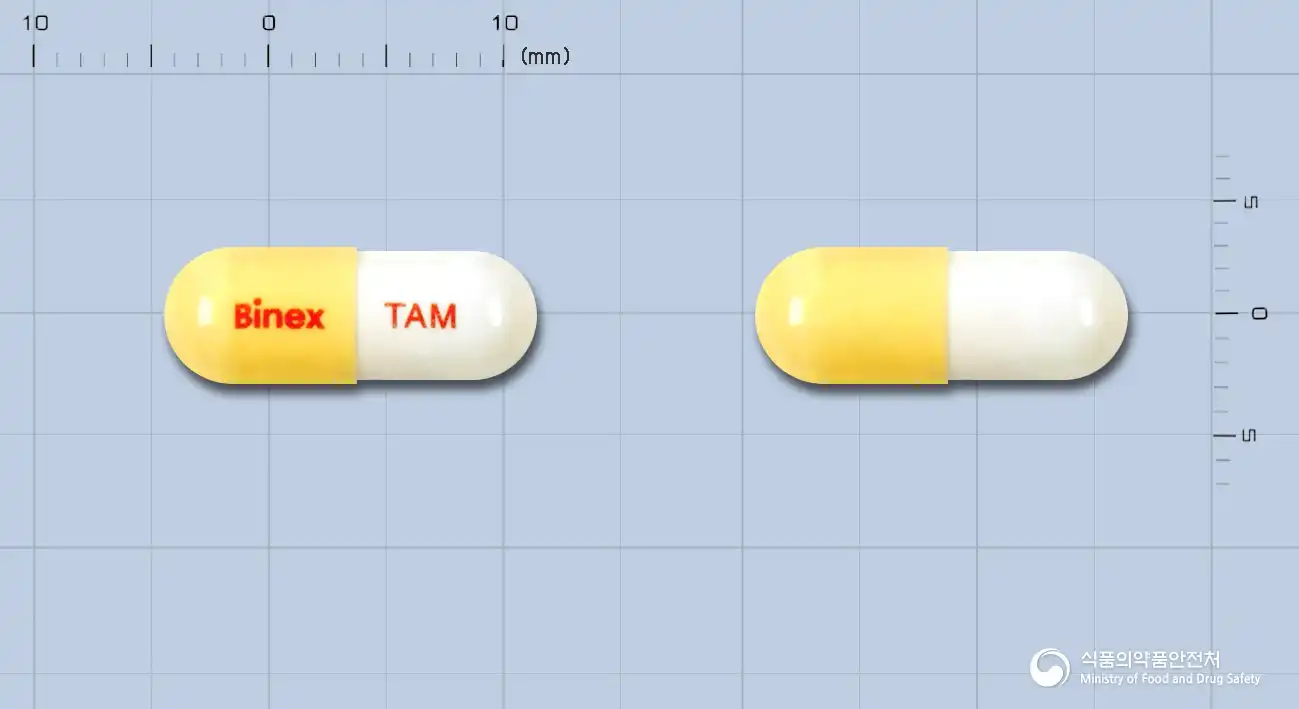
Tamsulosin Hydrochloride 0.2mg
Prescription medication
Bynex Co., Ltd.
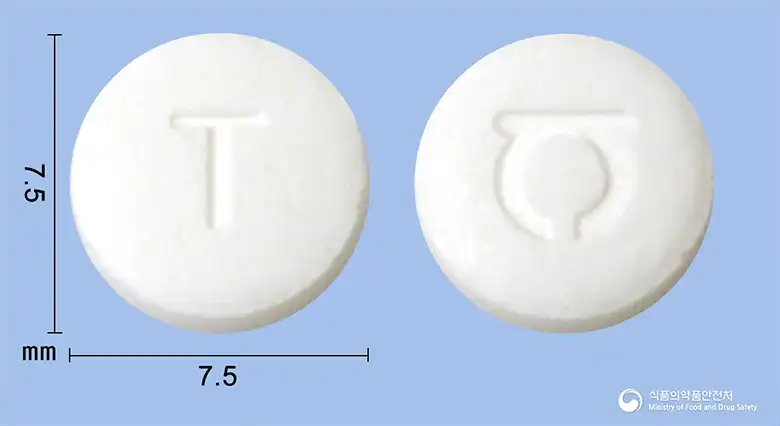
Tamsulosin Hydrochloride 0.2mg
Tablet · Prescription medication
Youngjin Pharmaceutical Co., Ltd.
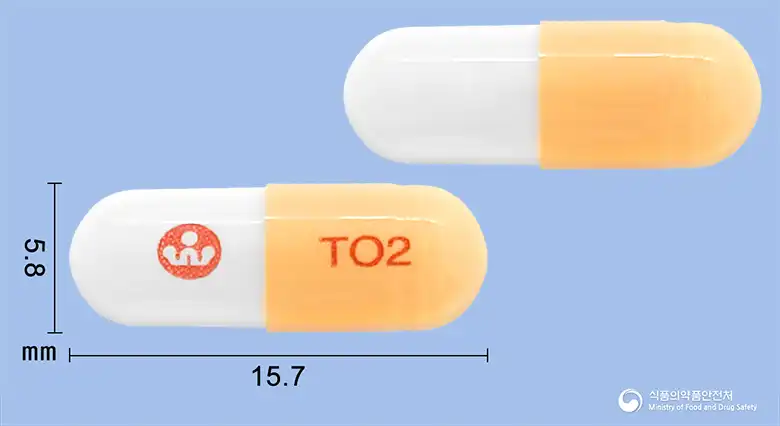
Tamsulosin Hydrochloride 0.2mg
Prescription medication
Han-in Pharmaceutical Co., Ltd.
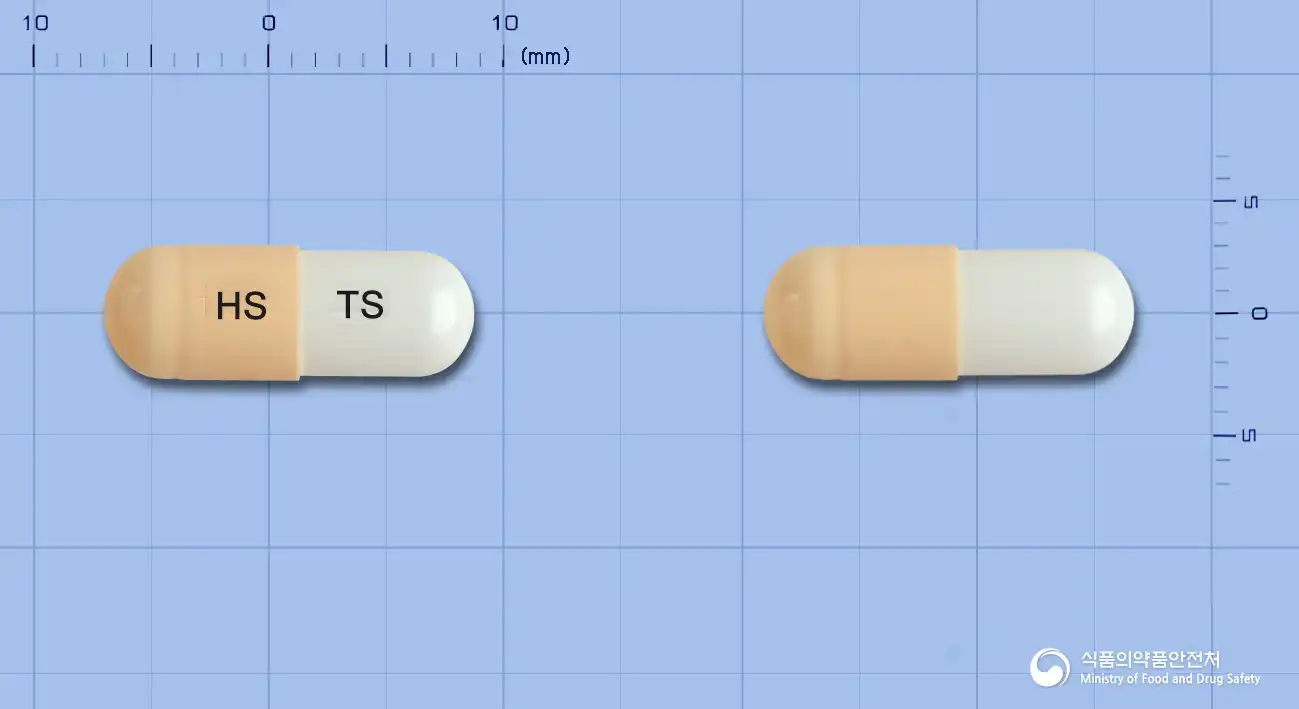
Tamsulosin Hydrochloride 0.2mg
Hard capsule · Prescription medication
Huons Co., Ltd.
Even with the same ingredient, the dose and directions can differ by strength and dosage form. Talk to a doctor or pharmacist before switching from a medication you are already taking.
No questions yet.
For anything that needs medical judgment, consult a doctor or pharmacist.
This drug information is based on data provided by the Korea Ministry of Food and Drug Safety.
Consult a doctor or pharmacist for accurate dosage, administration, and usage instructions.