
 한국어
한국어 English
 日本語
日本語 中文(简体)
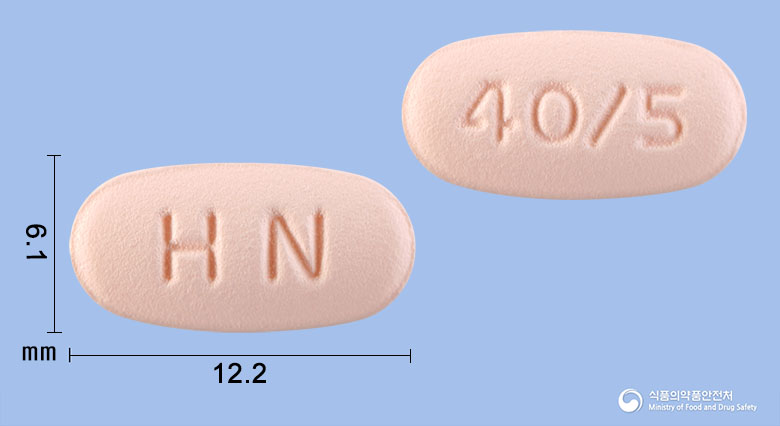 Viewing nowCombination
Telmisartan/Rosuvastatin 40/5 mg
Telmisartan 40mg · Rosuvastatin Calcium 5.2mg
Tablet · Prescription medication · Combination
Hana Pharmaceutical Co., Ltd.
MFDS item code 201907246 · Approved 2019.10.15 · Insurance code 657806740
Treatment of hypertension and hyperlipidemia (reduction of cardiovascular disease risk)
This medication is used for patients who need to take Telmisartan and Rosuvastatin together. Telmisartan helps control hypertension and reduces the risk of cardiovascular diseases. It is particularly effective in reducing the risk of myocardial infarction, stroke, and death from cardiovascular diseases in high-risk patients aged 55 and older. Rosuvastatin is used for the treatment of hypercholesterolemia and dyslipidemia and is used as an adjunctive therapy when not adequately controlled by diet and exercise. Additionally, Rosuvastatin is effective in slowing the progression of atherosclerosis and reducing the risk of cardiovascular diseases and strokes in middle-aged high-risk patients with elevated high-sensitivity C-reactive protein levels. The combination of these two medications is used to improve cardiovascular health and reduce the risk of related diseases.
Telmisartan: The recommended initial oral dose for adults with essential hypertension is 40 mg once daily, and 20 mg once daily may be effective for some patients. If necessary, the dose may be increased up to 80 mg once daily. For the purpose of reducing cardiovascular disease risk, a dose of 80 mg once daily is recommended. For patients with liver dysfunction, the dose should not exceed 40 mg once daily. Rosuvastatin Calcium: For adults with primary hypercholesterolemia, including mixed dyslipidemia (type IIa and type IIb), and primary dysbetalipoproteinemia (type III), patients should adhere to a standard cholesterol-lowering diet before and during treatment and continue it throughout the treatment period. This medication can be taken at any time of the day, with or without food. The initial dose is 5 mg once daily, and if more LDL cholesterol reduction is needed, the maintenance dose can be adjusted. The maintenance dose is usually 10 mg once daily, and most patients are managed on this dose. The maintenance dose should be adjusted based on LDL cholesterol levels, treatment targets, and patient response, with a maximum daily dose of 20 mg possible.
This medication can cause severe harm to the fetus and newborn if administered to pregnant women; therefore, it should be discontinued immediately upon confirmation of pregnancy. Patients with known allergies to this medication or its components, pregnant women or women of childbearing potential, and nursing mothers should not use this medication. Patients with severe liver dysfunction or those who have difficulty with bile excretion, myopathy, or severe renal impairment should avoid or use this medication with caution. Elderly patients, those with elevated potassium levels, and patients with slightly impaired liver function should use caution when taking this medication, and regular monitoring of liver function and muscle condition is necessary. This medication may cause myalgia, muscle weakness, and, in rare cases, severe muscle breakdown, so patients should consult a doctor immediately if symptoms such as muscle pain or weakness occur. This medication may interact with other drugs, so patients must inform their doctor or pharmacist of any medications they are currently taking. During the course of treatment with this medication, liver function tests and muscle-related tests should be performed regularly to detect any signs of abnormalities early. Care should be taken as dizziness or drowsiness may occur when driving or operating machinery. Keep this medication in a safe place out of reach of children, and it is advisable not to transfer it to another container.
Hives, severe swelling (edema), chest tightness, difficulty breathing, cold sweat, pallor, severe rash with high fever, blisters, skin peeling, pain in oral/ocular mucosa, shortness of breath or difficulty breathing, asthma attacks, cough with fever-related respiratory issues, jaundice (yellowing of the skin or eyes), profound lethargy, sudden severe headache, thunderclap headache, seizures, confusion, visual disturbances, paralysis, and urinary issues.
Not everyone experiences these, and they can vary from person to person.
This medication should be stored in a tightly sealed container to protect it from air and moisture. It is recommended to maintain storage temperatures between 1°C and 30°C at room temperature.
Bright pink oval film-coated tablet
30 tablets/box [10 tablets/PTP*3]
Even with the same ingredient, strength, dosage form and how it is taken can differ.
Viewing nowCombinationTelmisartan 40mg · Rosuvastatin Calcium 5.2mg
Tablet · Prescription medication · Combination
Hana Pharmaceutical Co., Ltd.
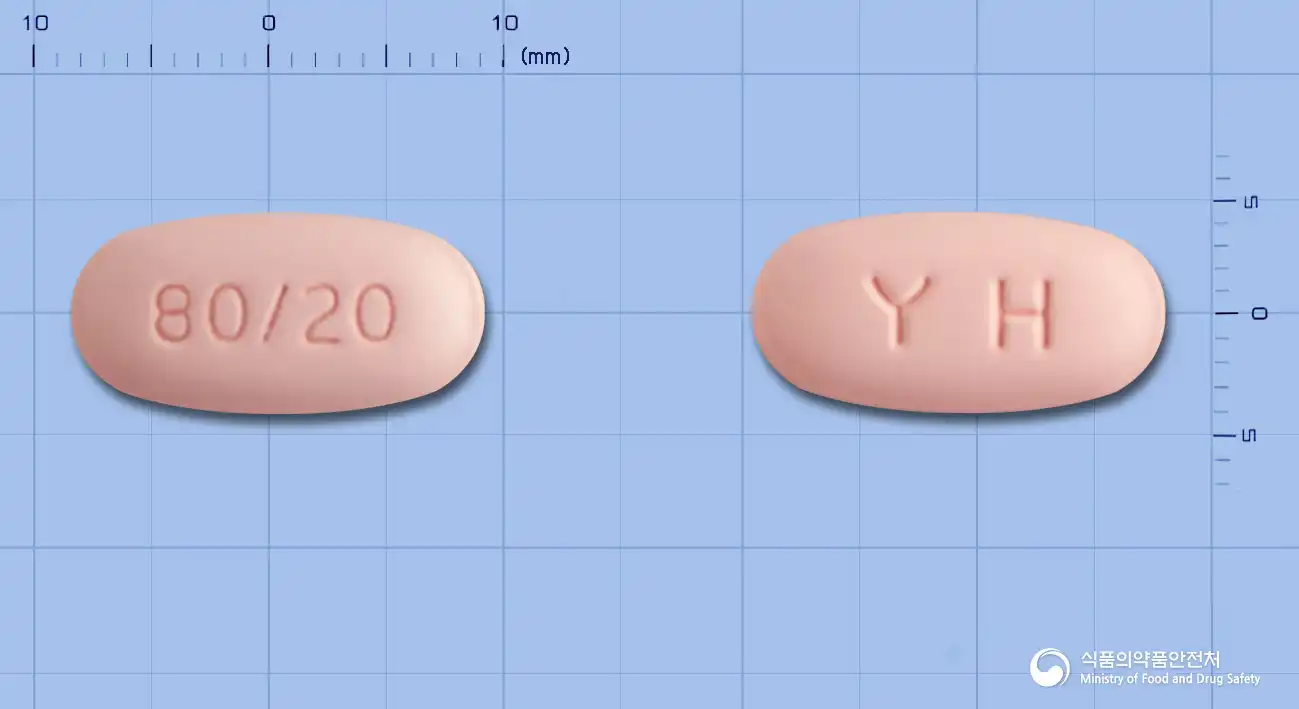 Combination
Telmisartan 80mg · Rosuvastatin Calcium 20.8mg
Tablet · Prescription medication · Combination
Yuhan Corporation.
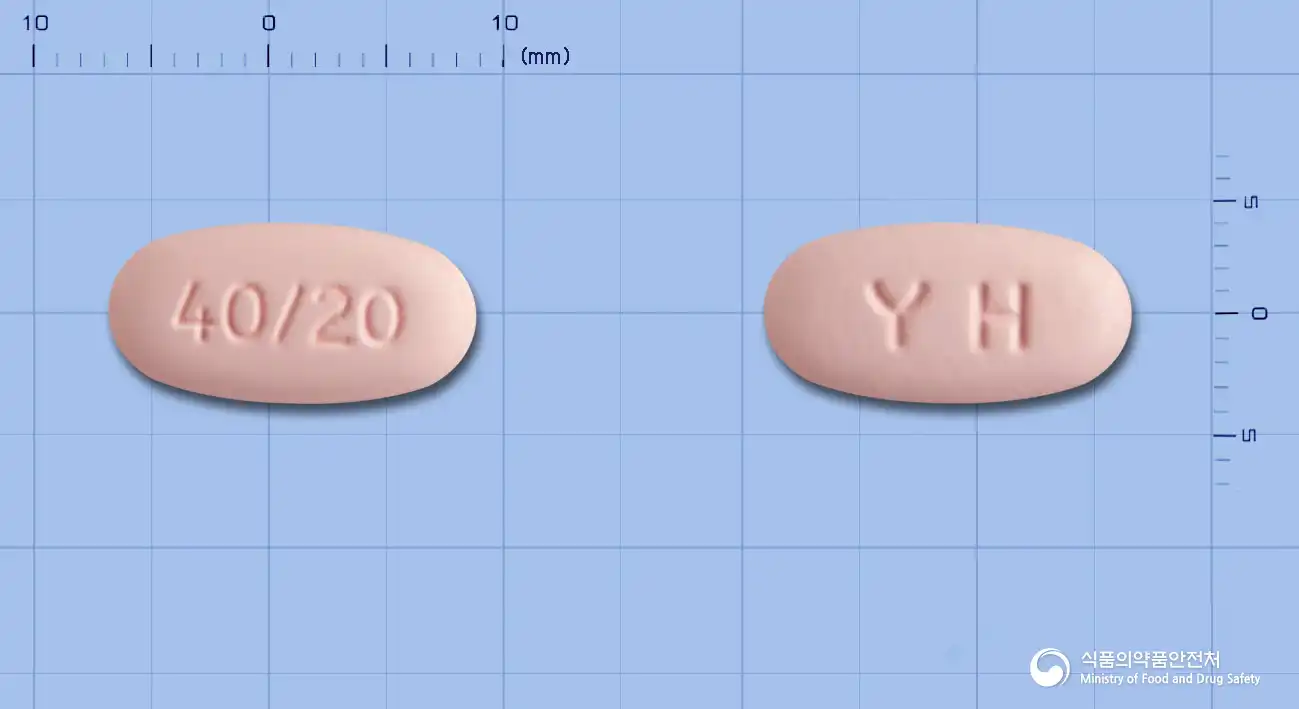 Combination
Telmisartan 40mg · Rosuvastatin Calcium 20.8mg
Tablet · Prescription medication · Combination
Yuhan Corporation
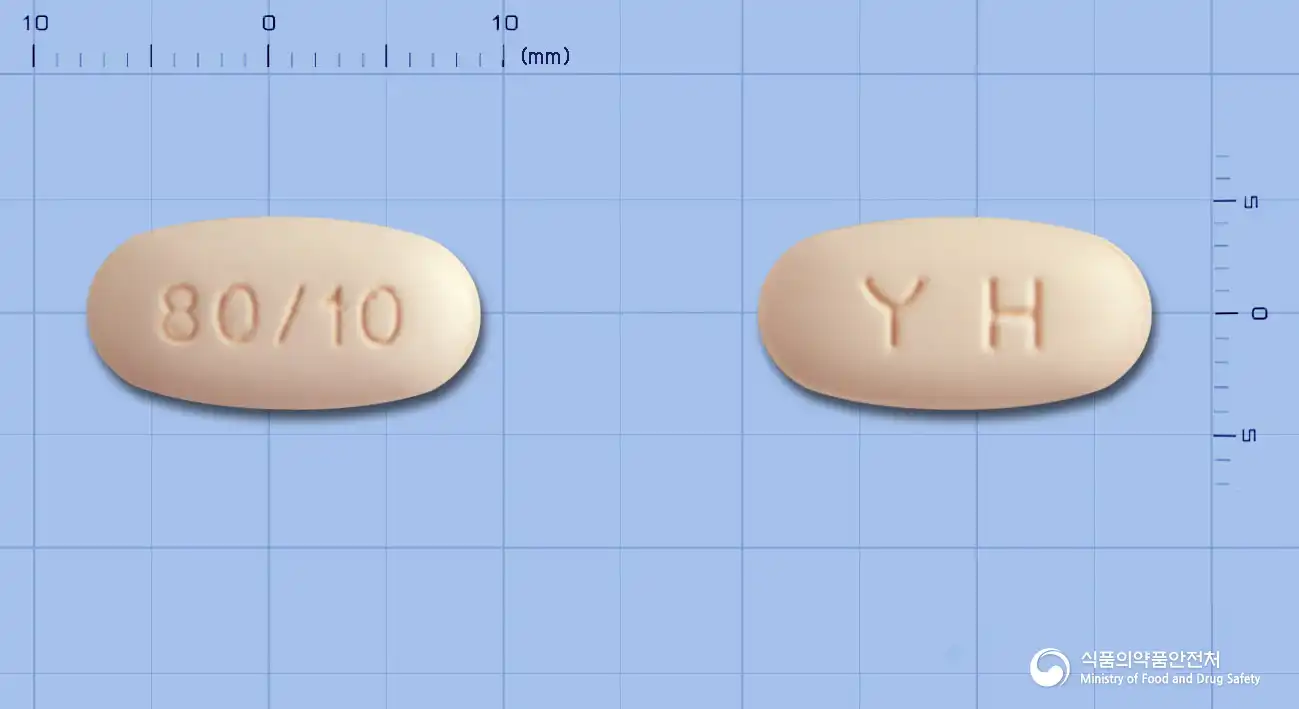 Combination
Telmisartan 80mg · Rosuvastatin Calcium 10.4mg
Tablet · Prescription medication · Combination
Yuhannanghang Co., Ltd.
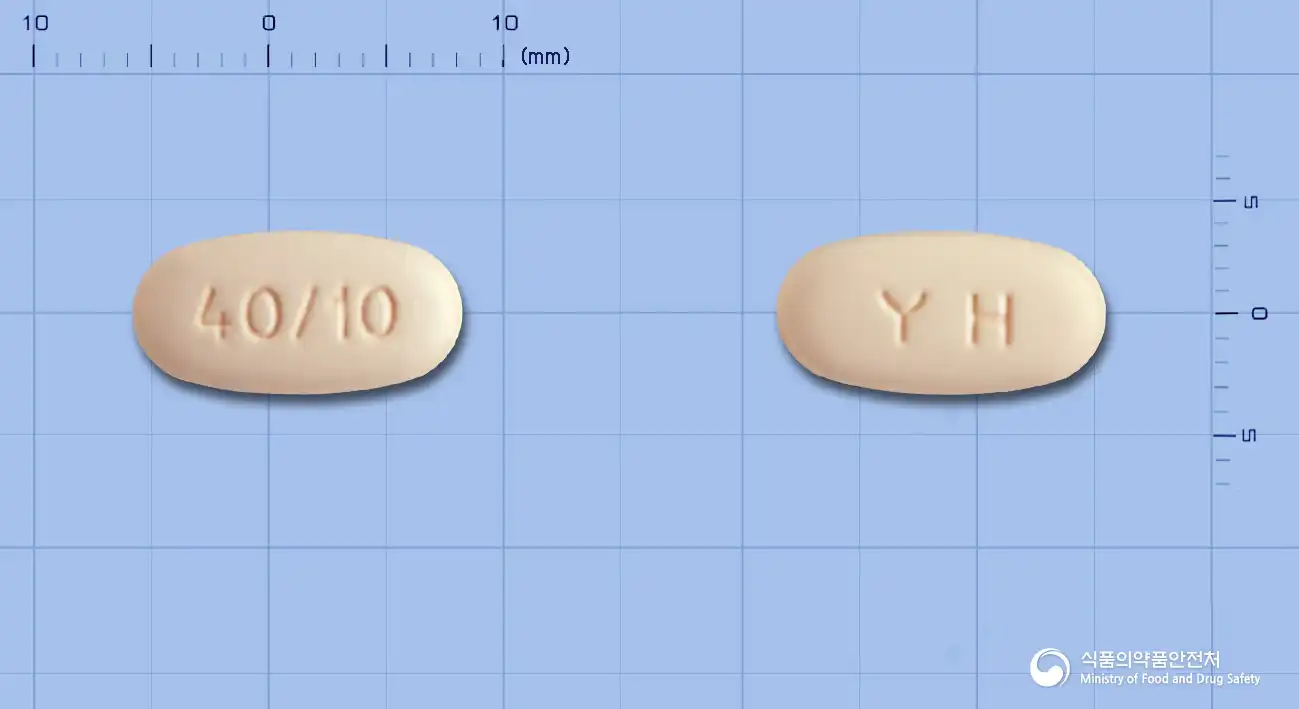 Combination
Telmisartan 40mg · Rosuvastatin Calcium 10.4mg
Tablet · Prescription medication · Combination
Yuhan Corporation Co., Ltd.
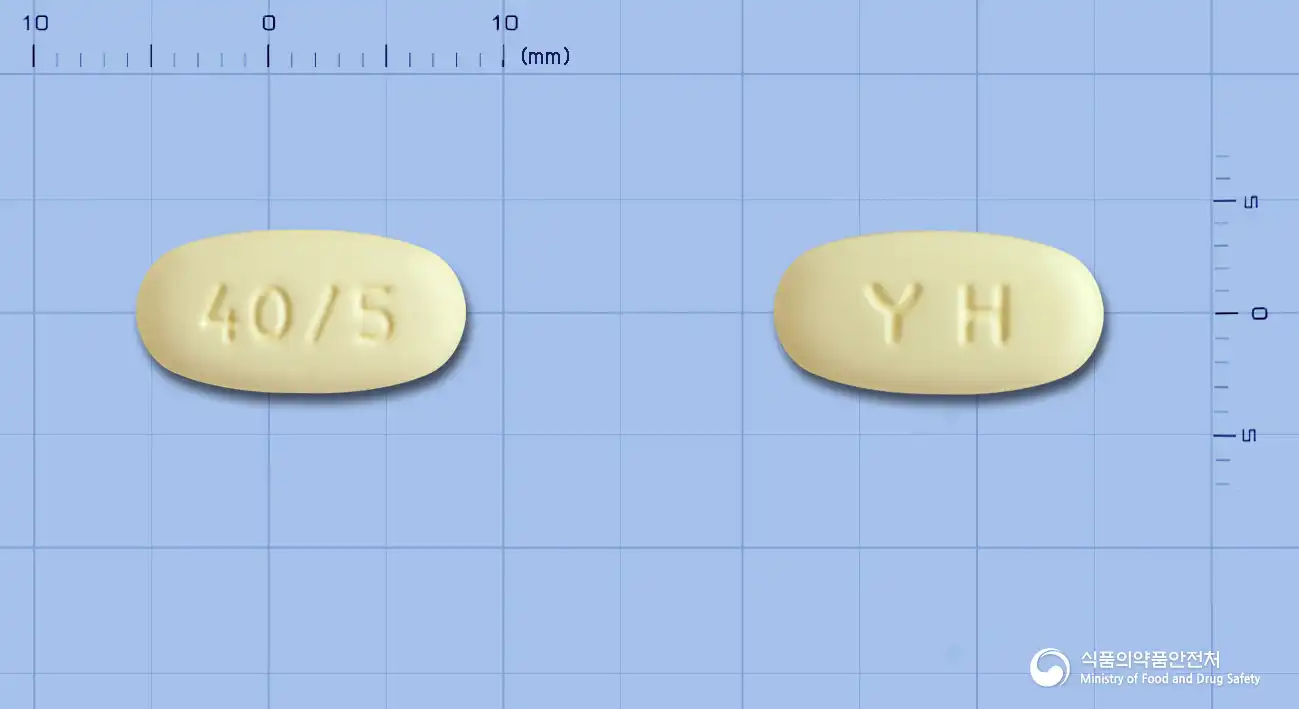 Combination
Telmisartan 40mg · Rosuvastatin Calcium 5.2mg
Tablet · Prescription medication · Combination
Yuhan Corporation
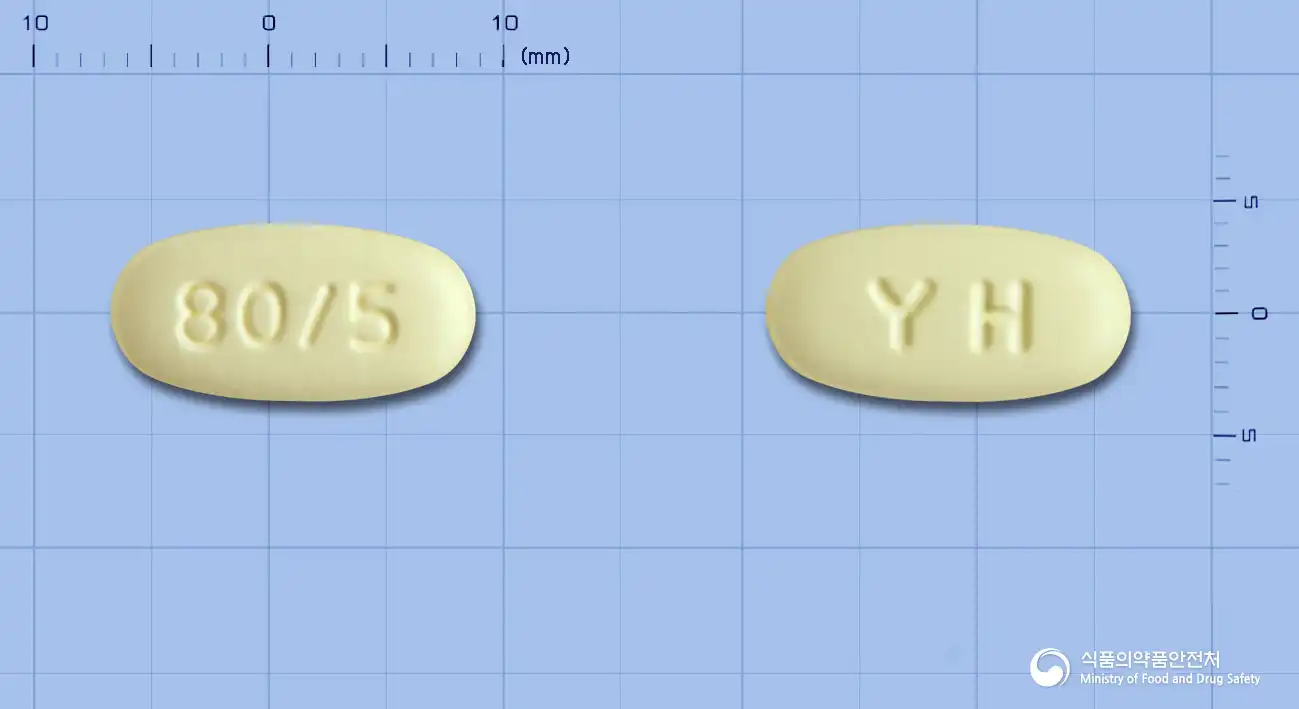 Combination
Telmisartan 80mg · Rosuvastatin Calcium 5.2mg
Tablet · Prescription medication · Combination
Yuhan Corporation
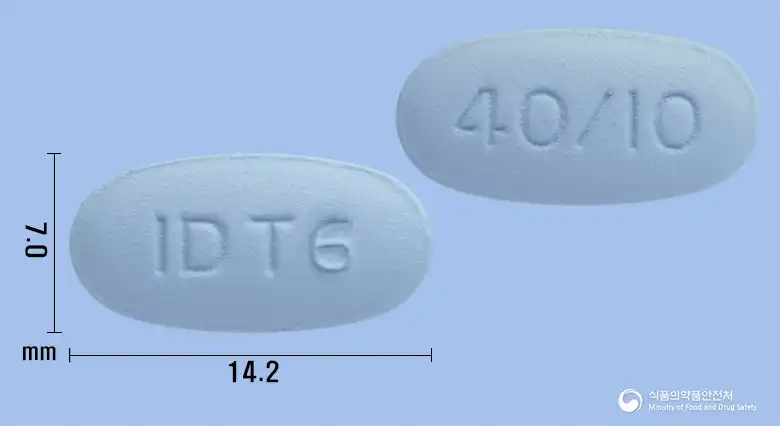 Combination
Telmisartan 40mg · Rosuvastatin Calcium 10.4mg
Tablet · Prescription medication · Combination
Ildong Pharmaceutical Co., Ltd.
Even with the same ingredient, the dose and directions can differ by strength and dosage form. Talk to a doctor or pharmacist before switching from a medication you are already taking.
No questions yet.
For anything that needs medical judgment, consult a doctor or pharmacist.
This drug information is based on data provided by the Korea Ministry of Food and Drug Safety.
Consult a doctor or pharmacist for accurate dosage, administration, and usage instructions.