
 한국어
 English
 日本語
 中文(简体)
 Viewing now
Allyga Soft Capsule 10mg (Alitretinoin)
Alitretinoin 10mg
Soft capsule · Prescription medication
Daewoong Pharmaceutical Co., Ltd.
MFDS item code 201907205 · Approved 2019.10.14 · Insurance code 641607080
Treatment of chronic severe hand eczema in adults that does not respond to potent topical corticosteroids
This medication is used to treat chronic severe hand eczema in adults that does not improve with at least 4 weeks of potent topical steroid treatment.
Take 10~30mg once daily with or immediately after a meal. It is preferable to take it at the same time each day. The initial dose is 30mg of alitretinoin; reduce to 10mg depending on adverse reactions. Patients with diabetes, obesity, cardiovascular risk factors, or dyslipidemia: The initial dose is 10mg and may be increased to 30mg if necessary, depending on tolerability and effect. Periodic monitoring of the blood lipid profile and blood glucose may be necessary during treatment with this medicine. Discontinue treatment as soon as the treatment goal of clear or almost clear hands is achieved. If hand eczema remains severe after the initial 12 weeks of treatment, discontinue treatment. Also discontinue treatment if the treatment goal has not been achieved by week 24.
This medication should never be used by women who are pregnant or may become pregnant due to the high risk of causing severe congenital malformations in the fetus. Pregnancy tests must be conducted before starting and during treatment, and two effective methods of contraception should be used concurrently. If pregnancy occurs during treatment or within 1 month after treatment, there is a significant risk to the fetus, so caution is needed. Very high serum triglyceride levels can lead to severe side effects such as acute pancreatitis, so blood lipid levels should be regularly tested and managed. If symptoms of pancreatitis appear, discontinue use immediately. It is recommended that this medication be prescribed by a specialist with experience in systemic retinoid therapy, and it should not be administered to patients with severely impaired liver or kidney function, uncontrolled thyroid function, hypervitaminosis A, or certain allergies. Patients with mental health issues or a history of depression should be closely monitored for symptoms of depression, mood changes, or suicidal thoughts while taking this medication, and appropriate treatment should be sought if necessary. This medication may cause various side effects such as skin dryness, headache, flushing, dry eyes, vision changes, gastrointestinal symptoms, etc., so if any abnormal symptoms occur, consult a doctor immediately. Increased sensitivity to ultraviolet rays may occur, so excessive sun exposure or phototherapy should be avoided, and sunscreen should be used. Taking this medication concurrently with other vitamin A preparations or tetracycline antibiotics can be risky, so it is important to inform your doctor or pharmacist about any medications you are taking. All parties involved - doctors, pharmacists, and patients - must receive strict management and education according to the pregnancy prevention program, and this medication should not be shared or given to others. Serious side effects may occur with overdose, so it is essential to adhere to the prescribed dosage and duration, and the capsules should be taken with water after meals and not chewed. This medication should be stored in a cool place out of reach of children and away from direct sunlight, and expired medications should not be taken.
Not everyone experiences these, and they can vary from person to person.
This medication is sensitive to light and should be stored in a container that prevents light exposure. Additionally, the medication should be kept in a temperature range of 1 to 30 degrees Celsius, avoiding extremely hot or cold environments.
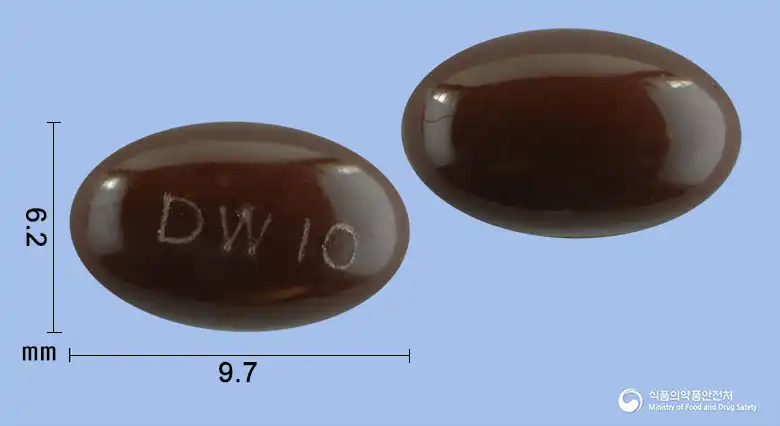
Brown oval soft capsule containing a uniform yellow to yellow-green liquid
Box - 30 capsules/box [10 capsules/PTP*3]
Even with the same ingredient, strength, dosage form and how it is taken can differ.
Viewing nowAlitretinoin 10mg
Soft capsule · Prescription medication
Daewoong Pharmaceutical Co., Ltd.
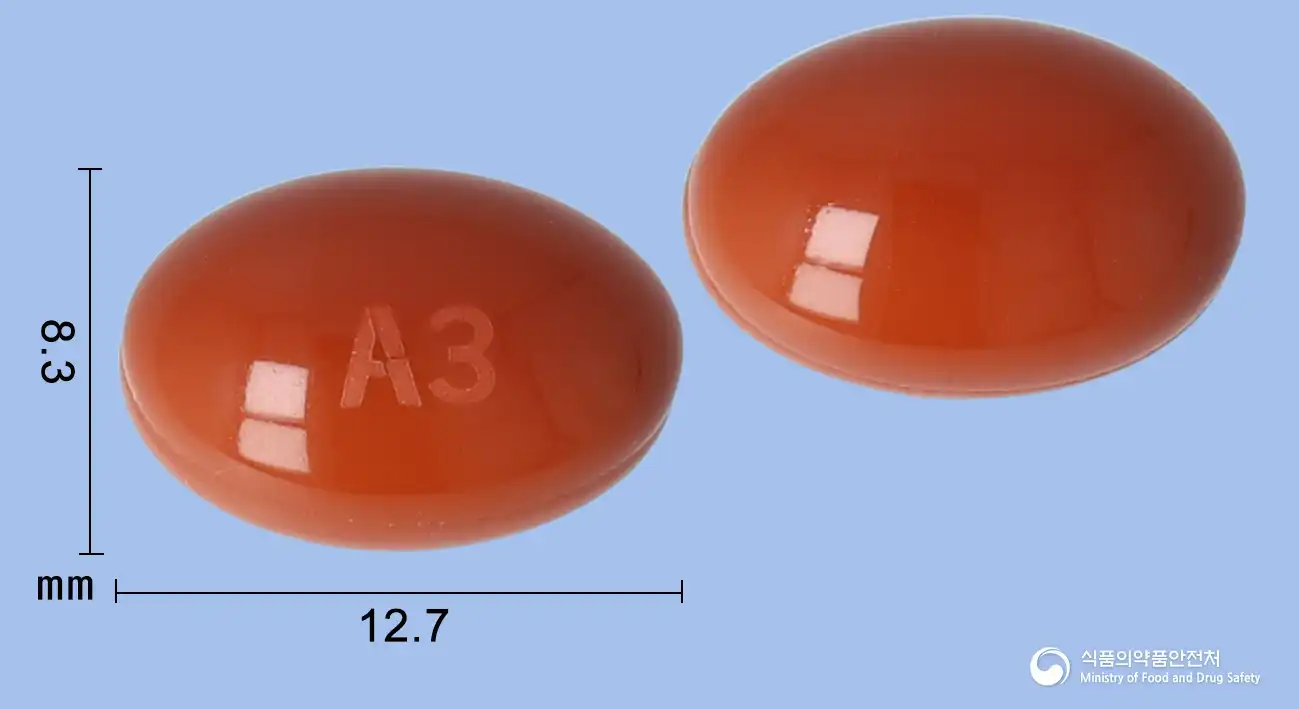
Alitretinoin 30mg
Soft capsule · Prescription medication
GlaxoSmithKline Co., Ltd.
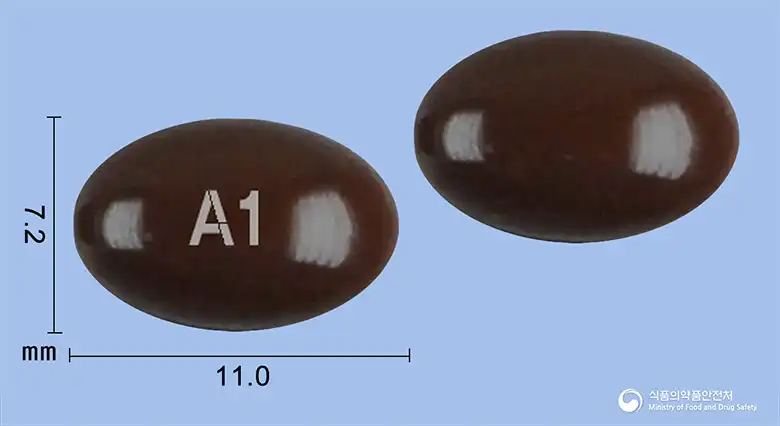
Alitretinoin 10mg
Soft capsule · Prescription medication
GlaxoSmithKline Co., Ltd.
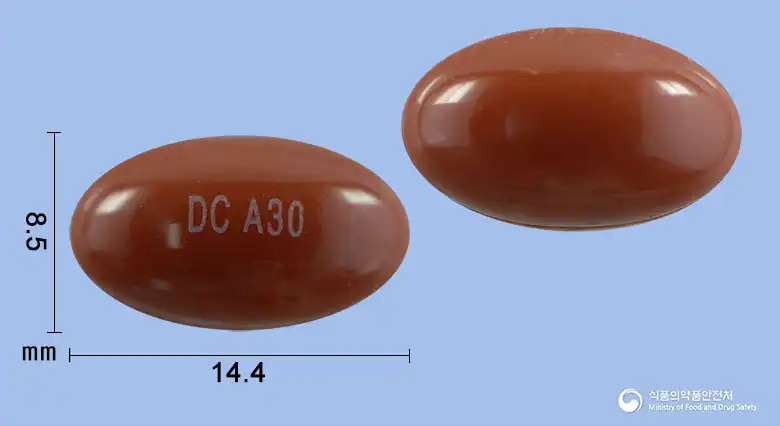
Alitretinoin 30mg
Soft capsule · Prescription medication
Donggu Bio Pharmaceutical Co., Ltd.
Alitretinoin
Prescription medication
Korea PAVIS Pharmaceutical Co., Ltd.
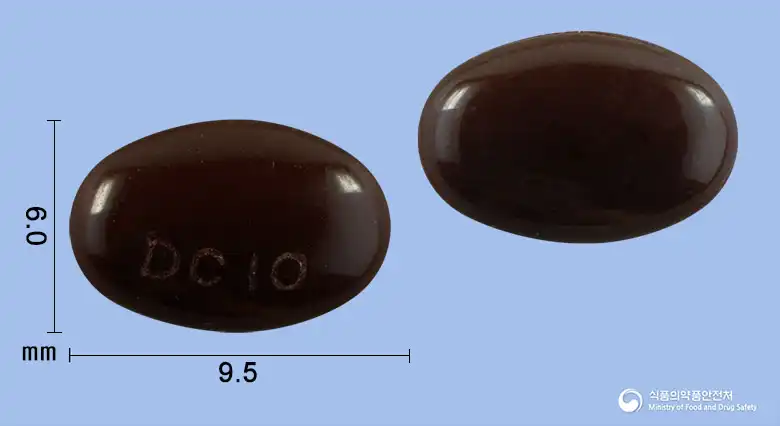
Alitretinoin 10mg
Soft capsule · Prescription medication
Donggu Bio Pharmaceutical Co., Ltd.
Alitretinoin 30mg
Soft capsule · Prescription medication
Os Korea Pharmaceuticals Co., Ltd.
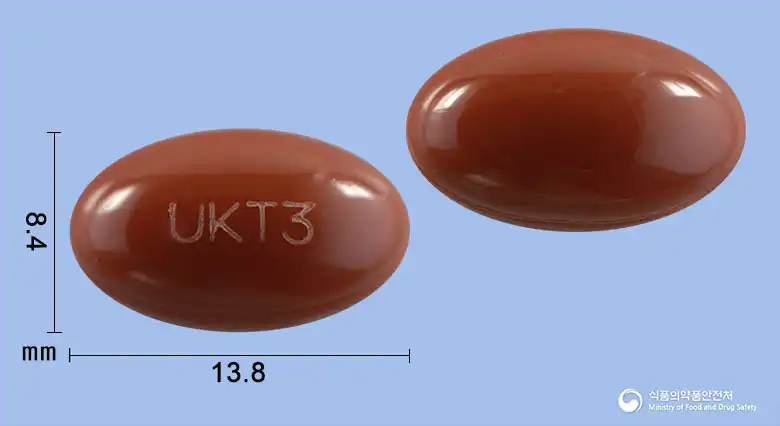
Alitretinoin 30mg
Soft capsule · Prescription medication
Korea Union Pharmaceutical Co., Ltd.
Even with the same ingredient, the dose and directions can differ by strength and dosage form. Talk to a doctor or pharmacist before switching from a medication you are already taking.
No questions yet.
For anything that needs medical judgment, consult a doctor or pharmacist.
This drug information is based on data provided by the Korea Ministry of Food and Drug Safety.
Consult a doctor or pharmacist for accurate dosage, administration, and usage instructions.