
 한국어
한국어 English
 日本語
日本語 中文(简体)
 Viewing now
Loperi Capsule (Loperamide Hydrochloride)
Loperamide Hydrochloride 2mg
Hard capsule · OTC medication
Future Bio Pharmaceutical Co., Ltd.
MFDS item code 201907189 · Notified 2019.10.11
Improvement of acute diarrhea and chronic diarrhea
This medication is used for acute diarrhea and chronic diarrhea.
Acute diarrhea: The initial dose is 4 mg of loperamide hydrochloride taken orally, and the maintenance dose is 2 mg for every loose stool. The usual daily dose is 6-8 mg, with a maximum daily dose of 16 mg. Chronic diarrhea: The initial dose is 4 mg of loperamide hydrochloride taken orally, and for every loose stool until diarrhea is resolved, an additional 2 mg is administered. Afterward, the dose should be adjusted to meet individual patient needs.
Acute diarrhea: The initial dose is 2 mg of loperamide hydrochloride taken orally, and the maintenance dose is 2 mg for every loose stool. The maximum daily dose is 6 mg. Adjust as appropriate based on age and symptoms.
This medication should not be used in infants under 24 months of age or in children with chronic diarrhea. It should also not be administered to patients with bacterial diarrhea accompanied by blood or high fever, patients with acute ulcerative colitis, and patients with severe gastrointestinal diseases such as intestinal obstruction. Additionally, it should not be used in patients with hypersensitivity to this medication or those with certain genetic lactose metabolism issues. Patients with poor liver function should use this medication with caution, as neurological side effects may occur, and they should be closely monitored. This medication does not treat the underlying cause of diarrhea but alleviates symptoms, so patients should consult a doctor or pharmacist if symptoms do not improve within 48 hours for acute diarrhea or within 10 days for chronic diarrhea. Diarrhea patients may experience fluid and electrolyte loss, so special attention should be given to hydration and electrolyte replenishment, especially in children. Fatigue, dizziness, drowsiness, and other side effects may occur while taking this medication, so caution is advised when driving or operating machinery. Women in early pregnancy should use this medication only when the benefits outweigh the risks, and breastfeeding women are advised against its use as it may pass into breast milk in small amounts. Elderly patients may have diminished physical function, so dose adjustment and caution are necessary. In case of overdose, serious side effects such as central nervous system depression, respiratory depression, and cardiac arrhythmia may occur, so prescribed doses must be adhered to, and immediate medical assistance should be sought if symptoms appear. The use of this medication in tablet or capsule form is not recommended for children under 7 years old. While drug dependence has not been reported with this medication, some animal studies have shown the potential for dependence with excessive doses, requiring caution.
Not everyone experiences these, and they can vary from person to person.
This medication should be discussed with a doctor or pharmacist if taken in conjunction with quinidine or ritonavir.
This medication should be stored in a tightly closed container to protect it from air and moisture, at room temperature between 1 to 30 degrees Celsius. Storing it this way will help maintain the effectiveness of the medication for a longer period.
Hard capsule containing a white powder with a yellowish upper part and a milky white lower part
10 capsules/PTP
Even with the same ingredient, strength, dosage form and how it is taken can differ.
Viewing nowLoperamide Hydrochloride 2mg
Hard capsule · OTC medication
Future Bio Pharmaceutical Co., Ltd.
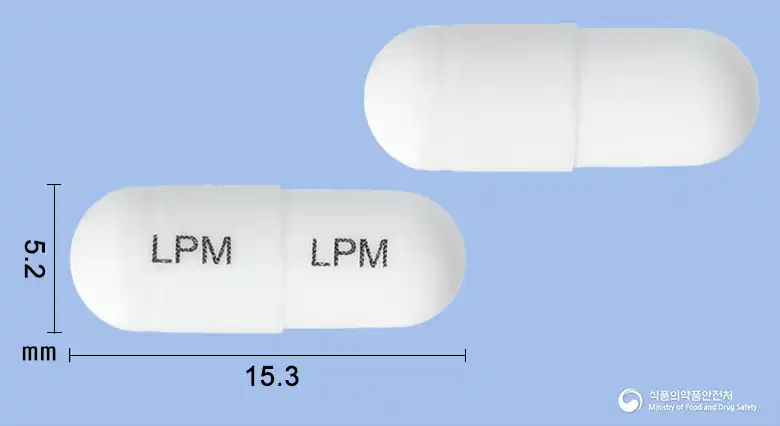
Loperamide Hydrochloride 2mg
Hard capsule · OTC medication
Youngil Pharmaceutical Co., Ltd.

Loperamide Hydrochloride 2mg
Hard capsule · OTC medication
Taeguk Pharmaceutical Co., Ltd.

Loperamide Hydrochloride 2mg
Hard capsule · OTC medication
GL Pharma Co., Ltd.

Loperamide Hydrochloride 2mg
Hard capsule · OTC medication
Samnam Pharmaceutical Co., Ltd.
Loperamide Hydrochloride 2mg
OTC medication
KIMS Pharmaceutical Co., Ltd.

Loperamide Hydrochloride 2mg
Hard capsule · OTC medication
Aprogen Pharmaceuticals, Co., Ltd.
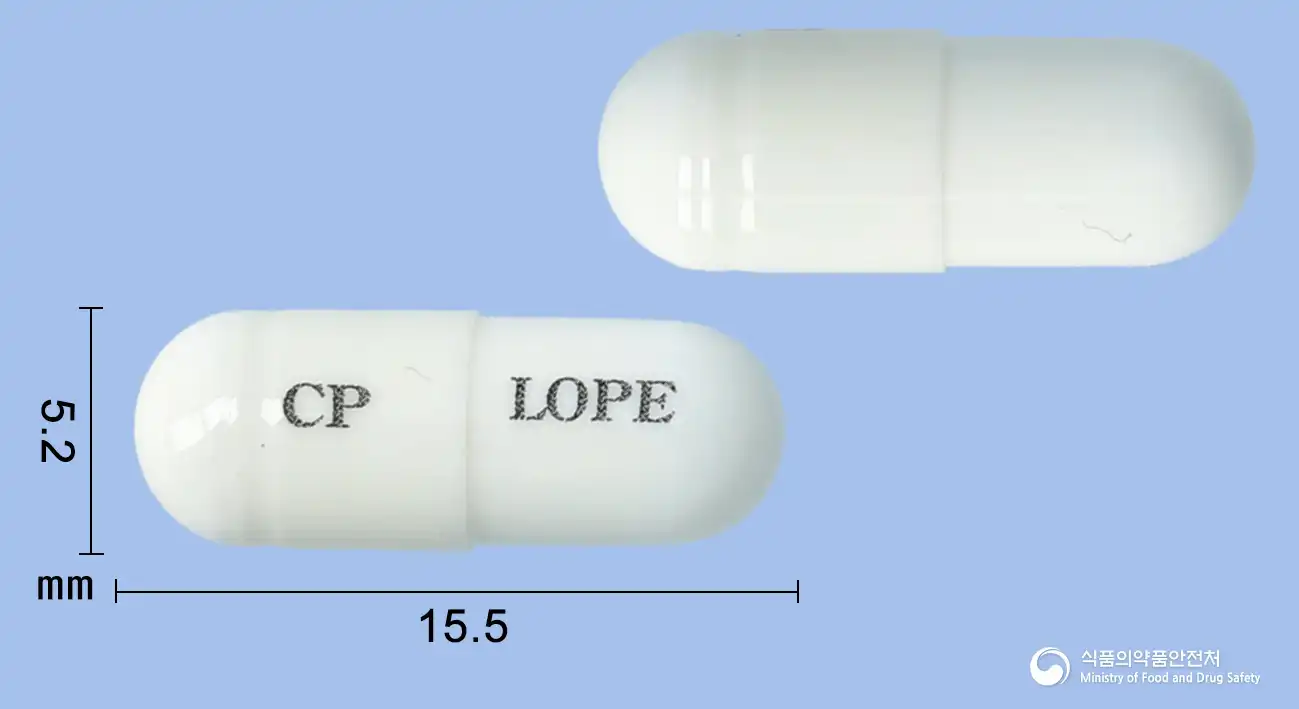
Loperamide Hydrochloride 2mg
Hard capsule · OTC medication
CMG Pharmaceutical Co., Ltd.
Even with the same ingredient, the dose and directions can differ by strength and dosage form. Talk to a doctor or pharmacist before switching from a medication you are already taking.
QI feel sleepy after taking it; is it safe to drive?
Answers 1 · 2026.09.14
QCan I continue taking it every time I have diarrhea?
Answers 1 · 2026.09.14
For anything that needs medical judgment, consult a doctor or pharmacist.
This drug information is based on data provided by the Korea Ministry of Food and Drug Safety.
Consult a doctor or pharmacist for accurate dosage, administration, and usage instructions.