
 한국어
 English
 日本語
 中文(简体)
Dosage form image
Viewing nowCombinationHyubika Tablets 5/20 mg
Amlodipine Besylate 6.944mg · Olmesartan Medoxomil 20mg
Tablet · Prescription medication · Combination
Hyubist Pharmaceutical
MFDS item code 201907021 · Approved 2019.10.02
This product's status changed to Expired on 2024.10.02. It may no longer be sold, so consult a doctor or pharmacist before taking it.
Treatment of essential hypertension not adequately controlled with monotherapy
This medication is suitable for patients with essential hypertension who find it difficult to control their blood pressure with monotherapy of either Amlodipine or Olmesartan Medoxomil. Hypertension places a burden on the heart and blood vessels, which can lead to various complications; therefore, effective blood pressure control is essential. This medication dilates blood vessels to safely lower blood pressure and protect cardiovascular health. As such, it is used for the treatment of essential hypertension.
This drug is administered as 1 tablet once daily with water, with or without food. If possible, it is recommended that it be taken at the same time each day (e.g., in the morning). Before administering this drug, it is recommended that the dose be adjusted using the individual component (amlodipine or olmesartan medoxomil). However, if blood pressure is not controlled with monotherapy using an individual component, switching directly to this drug may be considered. The maximum dose of this drug is 10/40 milligrams. The maximum blood pressure-lowering effect occurs within 2 weeks of administration; therefore, adjust the dose at intervals of at least 2 weeks, taking the patient's blood pressure response into consideration. The recommended doses are as follows. - 5/20 milligrams: Administer to patients whose blood pressure is not adequately controlled with amlodipine 5 milligrams or olmesartan medoxomil 20 milligrams as monotherapy. - 10/20 milligrams: Administer to patients whose blood pressure is not adequately controlled with olmesartan medoxomil 20 milligrams as monotherapy. - 5/40 milligrams: Administer to patients whose blood pressure is not adequately controlled with 5/20 milligrams. - 10/40 milligrams: Administer to patients whose blood pressure is not adequately controlled with 5/40 milligrams. ∘Patients with renal impairment: This drug has not been studied in patients with renal impairment. However, the maximum dose of olmesartan medoxomil in patients with mild to moderate renal impairment (creatine clearance 20-60mL/min) is 20 milligrams once daily. Administration of this drug is not recommended in patients with moderate to severe renal impairment (e.g., creatinine clearance < 20 mL/min) or in patients undergoing dialysis. Monitoring of potassium and creatinine levels is recommended in patients with moderate renal impairment. ∘Patients with reduced intravascular volume: In patients who may have reduced intravascular volume (e.g., patients receiving diuretics, particularly those with renal impairment), it is recommended to initiate treatment at a low dose while closely monitoring their condition. ∘Patients with hepatic impairment: Use with caution in patients with mild to moderate hepatic impairment. The recommended initial dose of olmesartan medoxomil in patients with moderate hepatic impairment is 10 milligrams once daily, and the maximum dose is 20 milligrams once daily. In patients with hepatic impairment who are already receiving other antihypertensive drugs and/or diuretics, blood pressure and renal function should be closely monitored. This drug should not be administered to patients with severe hepatic impairment. (See Precautions for Use, section 2. Do not administer to the following patients.) ∘Elderly patients: In general, initiate treatment at a low dose. When adjusting the dose, consider the patient's renal or cardiac function and comorbidities. In elderly patients, blood pressure should be monitored closely and more frequently.
The safety and efficacy have not been established in pediatric patients under 18 years of age.
This medication may cause serious harm to the fetus and newborn when taken during the 2nd and 3rd trimesters of pregnancy, so it must be discontinued immediately upon confirmation of pregnancy. Patients with allergies to the active ingredients or similar classes of medications, those who are pregnant or breastfeeding, individuals with severe liver disease, certain heart conditions, patients on kidney dialysis, those in shock, and patients with particular diabetes conditions should not take this medication. Patients who are fluid or sodium depleted, those sensitive to vasodilator medications, patients with severe heart disease, and those with diminished kidney function should be particularly cautious and observe their condition carefully when taking this medication. Side effects such as dizziness, headache, blood pressure drops, indigestion, swelling, and rashes may occur, and immediate consultation with a physician is required if any unusual symptoms arise. Sudden discontinuation of beta-blockers can be risky, so patients currently taking beta-blockers should gradually reduce their dose under medical guidance. This medication may interact with other antihypertensive medications, diuretics, potassium-sparing medications, lithium, and non-steroidal anti-inflammatory drugs, so patients should inform their doctor or pharmacist of any other drugs they are taking. This medication should not be taken during pregnancy, and patients planning to become pregnant should switch to a safer alternative treatment. Breastfeeding mothers should consider discontinuing breastfeeding or this medication as it may be passed to the infant through breast milk. Safety and efficacy in patients under 18 years of age have not been established; hence, its use is not recommended in this age group. Elderly patients may experience decreased kidney and liver function, necessitating dose adjustments and close monitoring during treatment. In cases of overdose, symptoms such as hypotension, vasodilation, and arrhythmias may occur, requiring immediate medical attention. This medication should be stored out of direct sunlight and moisture in a place inaccessible to children, and it is advisable not to transfer it to another container.
Not everyone experiences these, and they can vary from person to person.
This medication may be sensitive to air or moisture, so it should be stored in a tightly sealed container. Additionally, it is best stored at room temperature between 1°C and 30°C to maintain its potency for an extended period.
White round film-coated tablet
30 tablets/PTP [10 tablets/PTP x 3]
Even with the same ingredient, strength, dosage form and how it is taken can differ.
Amlodipine Besylate 6.944mg · Olmesartan Medoxomil 20mg
Tablet · Prescription medication · Combination
Hyubist Pharmaceutical
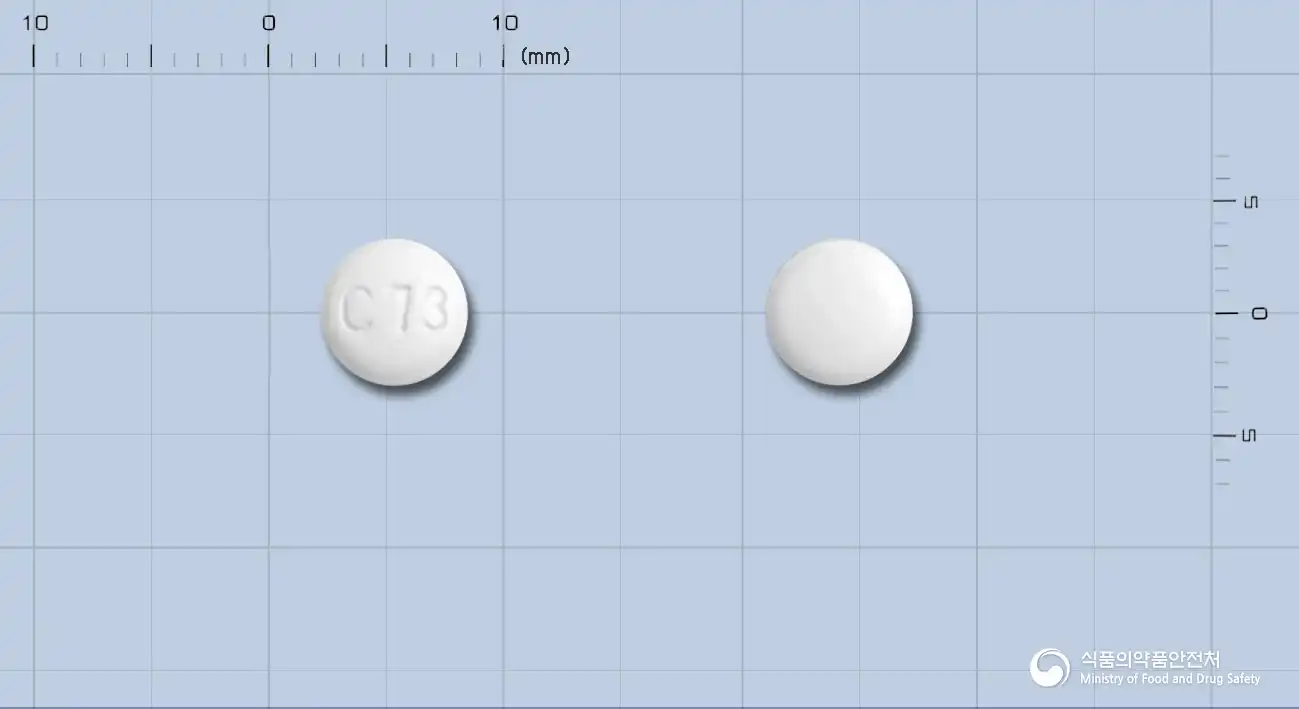 Combination
Olmesartan Medoxomil 20mg · Amlodipine Besylate 6.944mg
Tablet · Prescription medication · Combination
Korea Daiichi Sankyo Co., Ltd.
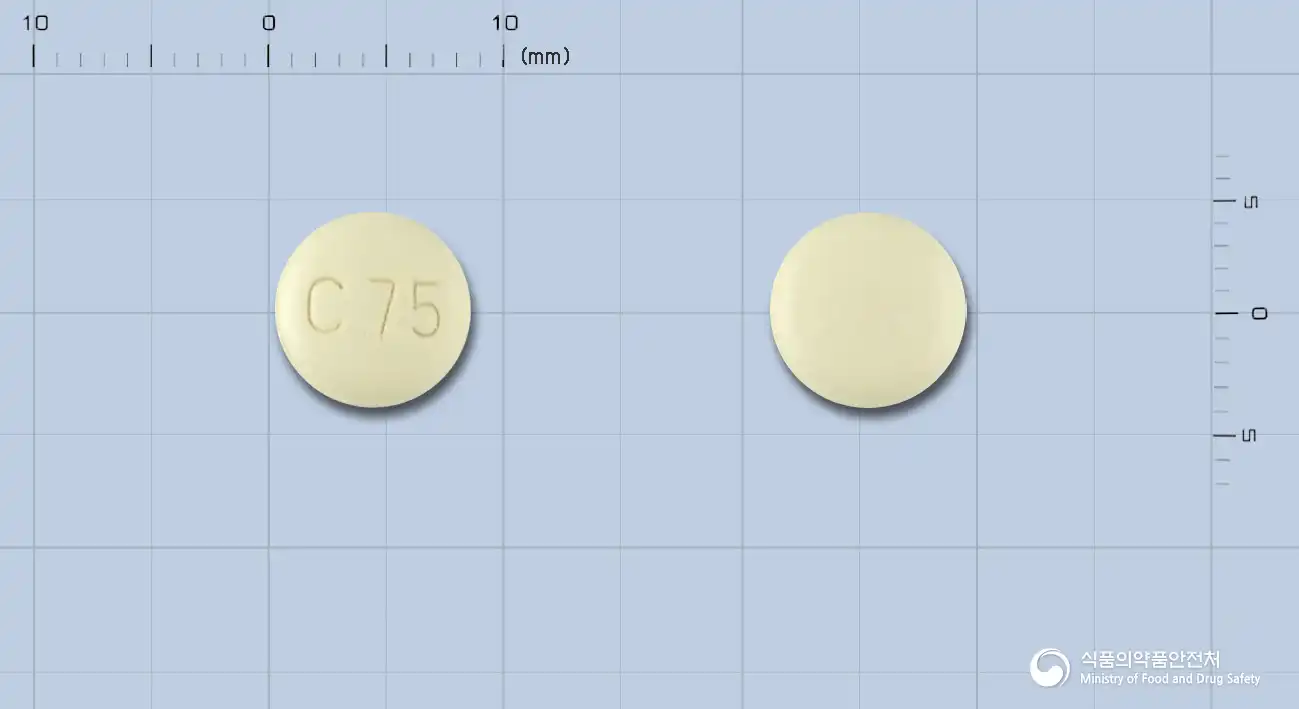 Combination
Olmesartan Medoxomil 40mg · Amlodipine Besylate 6.944mg
Tablet · Prescription medication · Combination
Korea Daiichi Sankyo Co., Ltd.
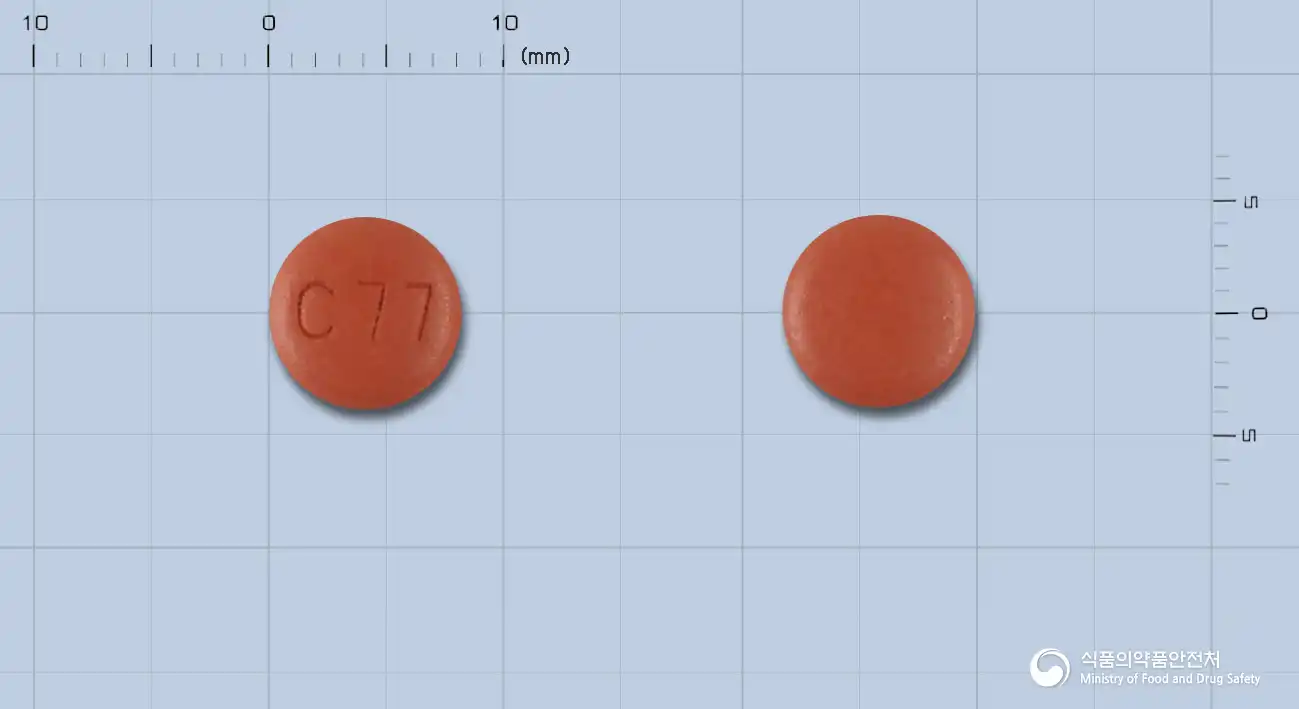 Combination
Olmesartan Medoxomil 40mg · Amlodipine Besylate 13.888mg
Tablet · Prescription medication · Combination
Hanmi Daiichi Sankyo Co., Ltd.
Olmesartan Medoxomil · Amlodipine Besylate
Prescription medication · Combination
SYNEX Co., Ltd.
Olmesartan Medoxomil · Amlodipine Besylate
Prescription medication · Combination
Co., Ltd. Sainex
Olmesartan Medoxomil · Amlodipine Besylate
Prescription medication · Combination
SYNEX Co., Ltd.
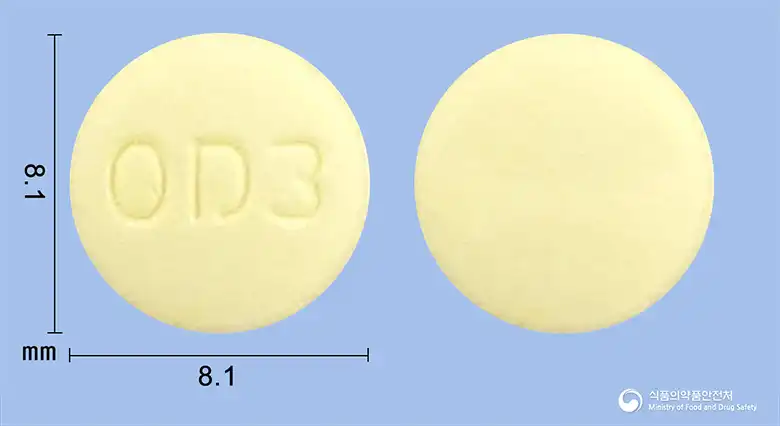 Combination
Amlodipine Besylate 6.944mg · Olmesartan Medoxomil 40mg
Tablet · Prescription medication · Combination
Huons Co., Ltd.
Even with the same ingredient, the dose and directions can differ by strength and dosage form. Talk to a doctor or pharmacist before switching from a medication you are already taking.
No questions yet.
For anything that needs medical judgment, consult a doctor or pharmacist.
This drug information is based on data provided by the Korea Ministry of Food and Drug Safety.
Consult a doctor or pharmacist for accurate dosage, administration, and usage instructions.