
 한국어
 English
 日本語
 中文(简体)
 Viewing now
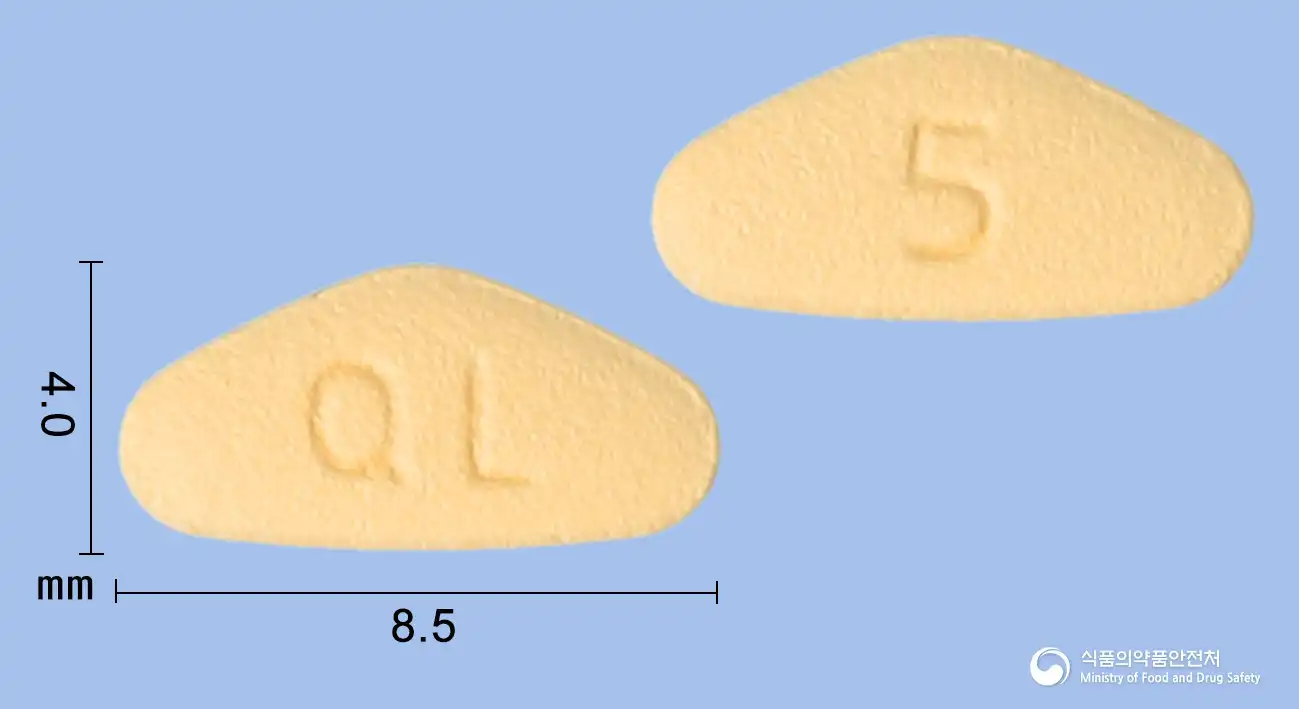
Tri-Phyl Tablet 5 mg (Tadalafil)
Tadalafil 5mg
Tablet · Prescription medication
QL Pharma Co., Ltd.
MFDS item code 201907019 · Approved 2019.10.02
Treatment of erectile dysfunction, benign prostatic hyperplasia, or both conditions when occurring together
This medication is used for the treatment of erectile dysfunction in men, and sexual stimulation is required to achieve the effect. It is also noted that it is not used in women. Additionally, it helps in alleviating symptoms or signs due to benign prostatic hyperplasia. It is especially effective for men experiencing both erectile dysfunction and benign prostatic hyperplasia, alleviating both conditions. Therefore, this medication is used for treating symptoms of erectile dysfunction and benign prostatic hyperplasia together.
For oral administration. 1. Erectile dysfunction Use in adult men For patients expected to use tadalafil frequently (at least 2 times per week), the recommended dose is up to 5mg once daily, preferably taken at approximately the same time each day. The suitability of continuous daily dosing should be periodically reassessed. 2. Once-daily dosing for benign prostatic hyperplasia The recommended dose of this drug for once-daily dosing is 5mg, taken at approximately the same time each day. 3. Once-daily dosing for erectile dysfunction and benign prostatic hyperplasia The recommended dose of this drug for once-daily dosing is 5mg, taken at approximately the same time each day, regardless of the timing of sexual activity. 4. Special populations Dose adjustment is not required in elderly patients. Use in men with renal impairment Erectile dysfunction No dose adjustment is required in patients with mild to moderate renal impairment. Once-daily tadalafil is not recommended in patients with severe renal impairment. [See Precautions for Use, sections 3.2) and 12.2) Pharmacokinetic Properties]. Benign prostatic hyperplasia No dose adjustment is required in patients with mild renal impairment. Once-daily tadalafil is not recommended in patients with severe renal impairment. [See Precautions for Use, sections 3.3) and 12.2) Pharmacokinetic Properties]. Use in men with hepatic impairment Once-daily dosing has not been evaluated in patients with hepatic impairment. Therefore, if prescribing this drug, the physician should carefully assess the benefit/risk for each patient. (See section 12. <Special Populations>) Use in men with diabetes No dose adjustment is required in patients with diabetes.
This drug should not be used in people under 18 years of age.
This medication is used for the treatment of erectile dysfunction and benign prostatic hyperplasia, and a doctor's consultation is essential before taking it. Sexual activity can put strain on the heart, hence extra caution is required for those with cardiovascular diseases or risk factors. Rarely, an erection lasting more than 4 hours may occur, in which case immediate medical assistance should be sought. Taking this medication with nitrate agents or NO donors can lead to dangerously low blood pressure, so it should not be used if on such medications. Patients with a history of myocardial infarction, unstable angina, heart failure, uncontrolled hypertension or hypotension, or recent stroke are prohibited from taking this medication. It should also not be used in cases of genetic retinal diseases or hypersensitivity to this medication’s ingredients. Co-administration with other erectile dysfunction treatments is not recommended due to safety uncertainties. Patients with severe renal or liver impairment should use this medication cautiously, especially when combined with alpha blockers or antihypertensives due to the risk of decreased blood pressure. Taking with strong CYP3A4 inhibitors may increase drug concentration, necessitating dose adjustment. If cardiovascular symptoms, vision changes, or hearing reductions occur during treatment, consult a doctor immediately. This medication should not be used in children, women, pregnant or breastfeeding individuals. Taking with alcohol may lead to decreased blood pressure or dizziness, so caution is required. In case of overdose, standard treatment should be followed, and blood dialysis is not effective. Store this medication out of reach of children, and it is recommended to maintain its original packaging.
Headache, indigestion, lower back pain, muscle pain, congestion, flushing, limb pain, nasopharyngitis, upper respiratory tract infection, cough, diarrhea, urinary tract infection, gastroesophageal reflux disease, abdominal pain, hypertension, dizziness, priapism, elevated blood urea nitrogen, tachycardia, palpitations, eye congestion, elevated SGPT, chest pressure, vomiting, nausea, increased alkaline phosphatase, fatigue, neck stiffness, urethral pain, kidney pain, dry mouth, heartburn, gastrointestinal disease, drowsiness, increased white blood cell count, decreased platelet count, decreased hemoglobin, eye pain, chest pain, joint pain, hyperventilation, eye hemorrhage, eyelid swelling, conjunctival hemorrhage, dry eye syndrome, abdominal cramps, elevated bilirubin, ejaculation disorders, pain in the external genitalia, erythema, itching, penile disorders, myocardial infarction, tinnitus, nosebleed, dry nose, elevated serum creatinine, hiccups, weakness, abdominal discomfort, allergic reactions, facial swelling, fever, elevated SGOT, increased hemoglobin, hives, Stevens-Johnson syndrome, exfoliative dermatitis, migraine, seizures, transient global amnesia, visual field defects, retinal vein occlusion, retinal artery occlusion, decreased vision, non-arteritic anterior ischemic optic neuropathy, sudden hearing loss or decrease, tinnitus, angioedema, angioedema
Not everyone experiences these, and they can vary from person to person.
This medication may be sensitive to air or moisture, so it should be stored in a tightly sealed container. Additionally, to maintain its efficacy, it is best stored at room temperature between 1 and 30 degrees Celsius.
Yellow, film-coated triangular tablets with rounded corners
PTP - 30 tablets/PTP [(10 tablets/PTP) x 3]
Even with the same ingredient, strength, dosage form and how it is taken can differ.
Viewing nowTadalafil 5mg
Tablet · Prescription medication
QL Pharma Co., Ltd.
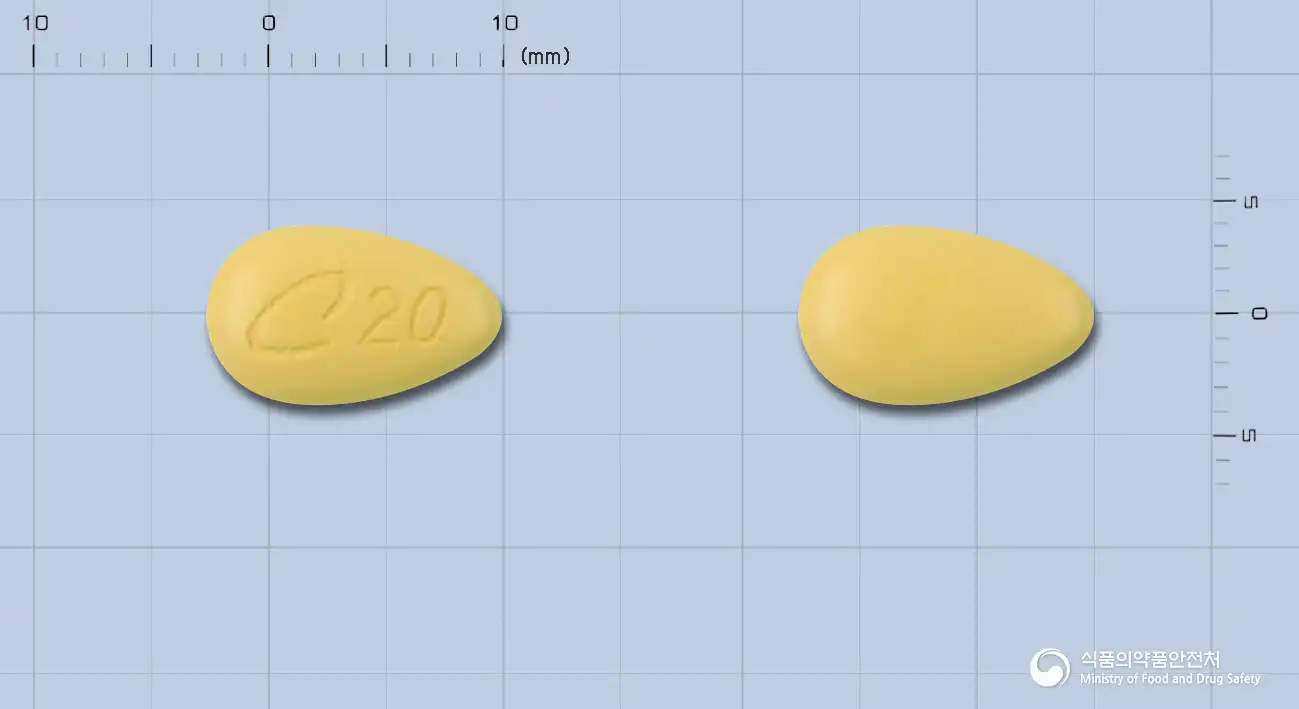
Tadalafil 20mg
Tablet · Prescription medication
Korea Lilly Co., Ltd.
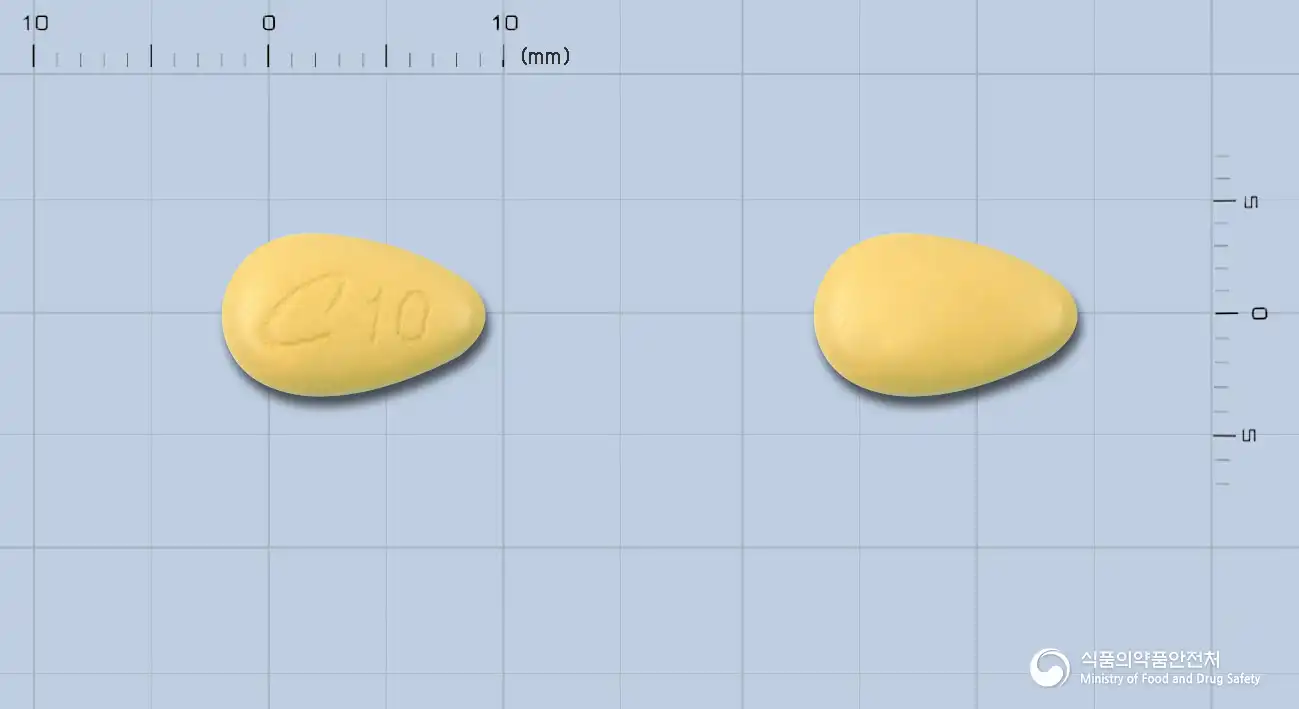
Tadalafil 10mg
Tablet · Prescription medication
Korea Lilly LLC
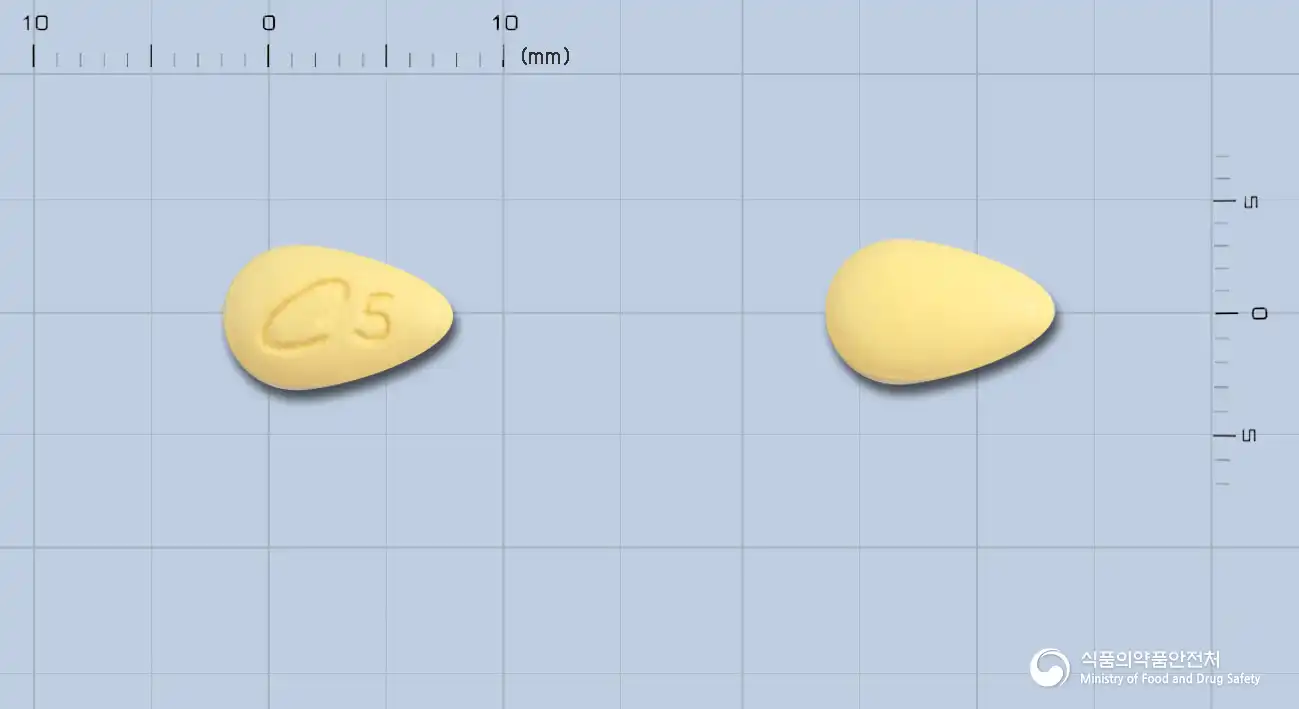
Tadalafil 5mg
Tablet · Prescription medication
Korea Lilly Co., Ltd.

Tadalafil 20mg
Prescription medication
Seoul Pharmaceutical Co., Ltd.
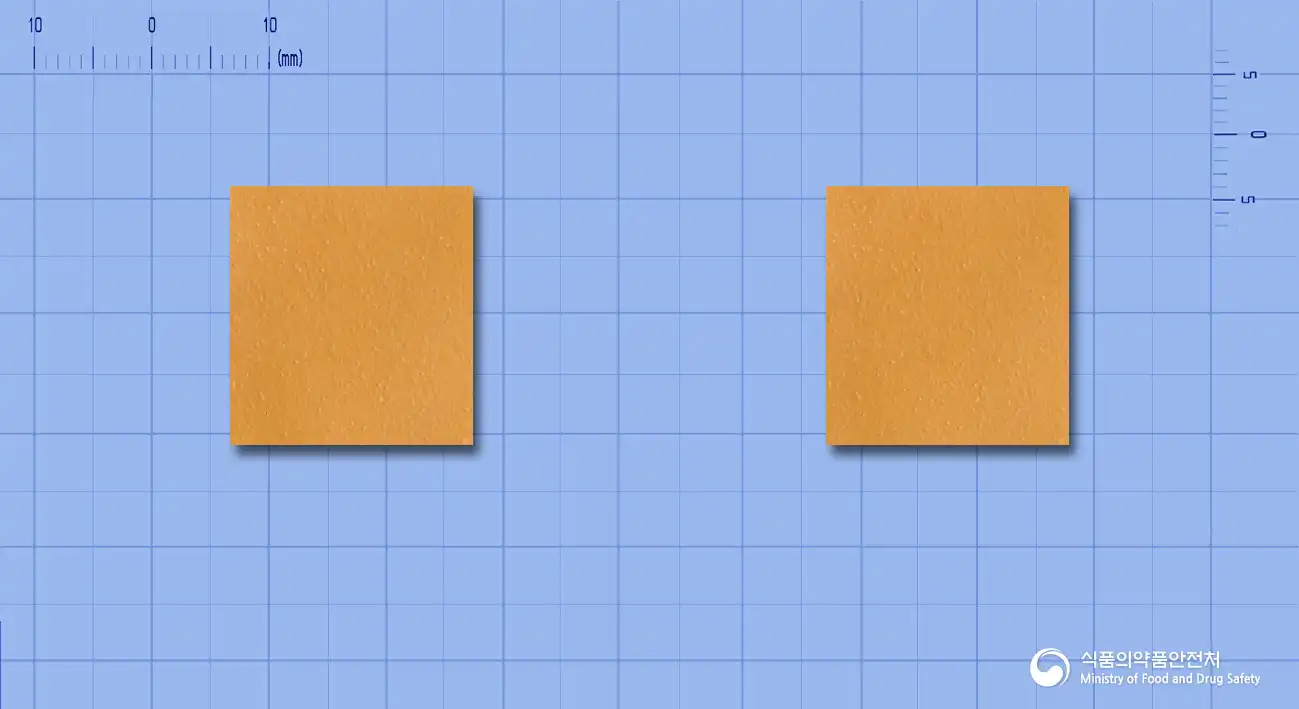
Tadalafil 10mg
Orally disintegrating Tablet · Prescription medication
Seoul Pharmaceutical Co., Ltd.
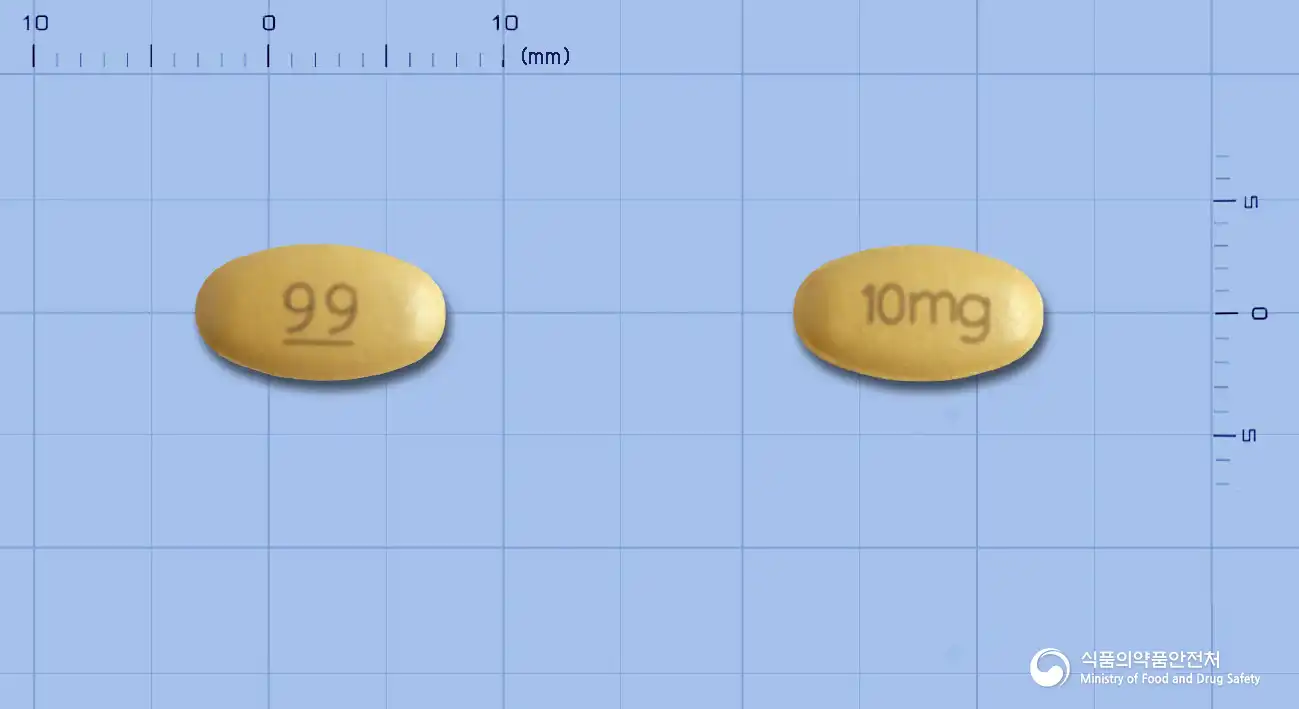
Tadalafil 10mg
Tablet · Prescription medication
Hanmi Pharmaceutical Co., Ltd.
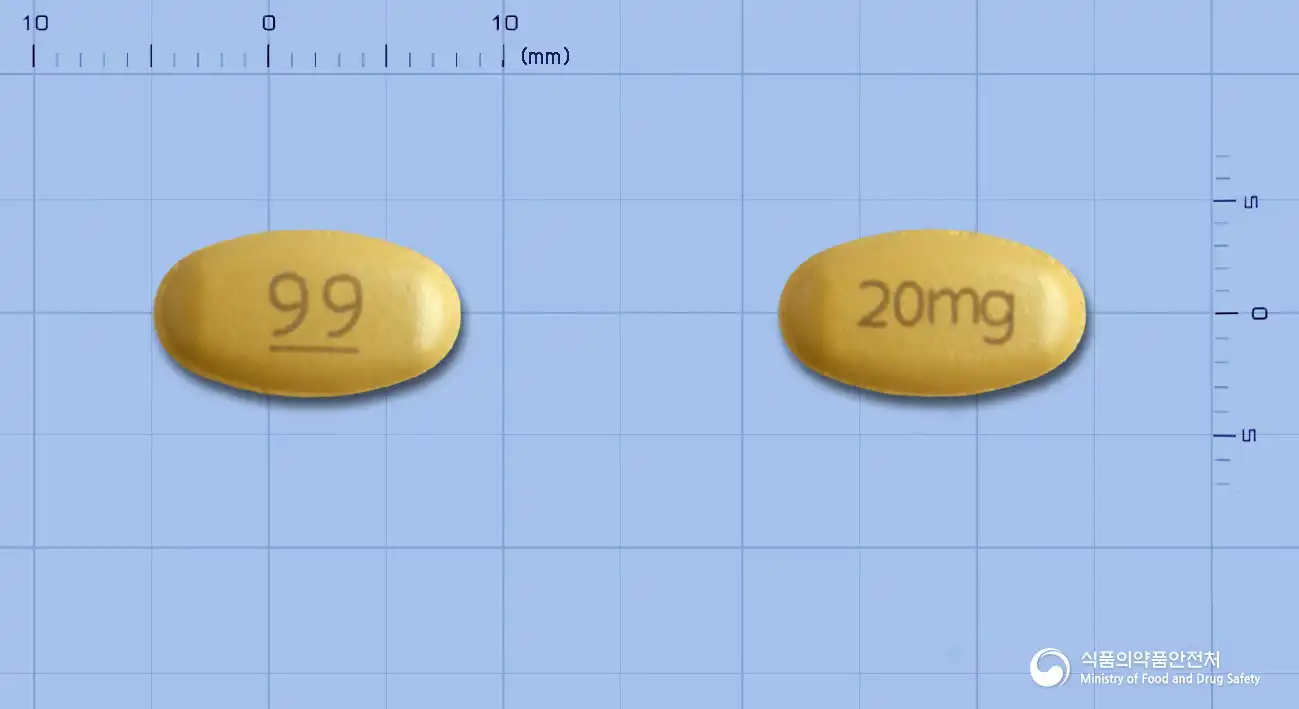
Tadalafil 20mg
Tablet · Prescription medication
Hanmi Pharmaceutical Co., Ltd.
Even with the same ingredient, the dose and directions can differ by strength and dosage form. Talk to a doctor or pharmacist before switching from a medication you are already taking.
No questions yet.
For anything that needs medical judgment, consult a doctor or pharmacist.
This drug information is based on data provided by the Korea Ministry of Food and Drug Safety.
Consult a doctor or pharmacist for accurate dosage, administration, and usage instructions.