
 한국어
한국어 English
 日本語
日本語 中文(简体)
Dosage form image
Viewing nowCombinationTelmisartan/Rosuvastatin 80/10 mg
Telmisartan 80mg · Rosuvastatin Calcium 10.4mg
Tablet · Prescription medication · Combination
Youngjin Pharmaceutical Co., Ltd.
MFDS item code 201906985 · Approved 2019.09.30
This product's status changed to Expired on 2025.10.31. It may no longer be sold, so consult a doctor or pharmacist before taking it.
Treatment for reducing the risk of cardiovascular diseases (hypertension, hyperlipidemia)
This medication is used only for patients who require simultaneous treatment with both Telmisartan and Rosuvastatin. Telmisartan is primarily effective in treating essential hypertension and reduces the risk of death from myocardial infarction, stroke, and cardiovascular diseases in elderly patients with high risk of cardiovascular disease. Rosuvastatin is used for the treatment of hypercholesterolemia and dyslipidemia, and is administered as an adjunct in cases where diet and exercise alone are insufficient. Additionally, Rosuvastatin lowers total cholesterol and LDL cholesterol levels, delaying the progression of atherosclerosis and reducing the risk of cardiovascular diseases, stroke, myocardial infarction, and recurrence after vascular interventions. The combination of these two components is used to improve cardiovascular health by managing blood pressure and blood lipids.
Telmisartan: An oral dose of 40 mg once daily is recommended and may be effective at 20 mg once daily depending on the patient. If necessary, it can be increased to 80 mg once daily. For reducing the risk of cardiovascular disease, an oral dose of 80 mg once daily is recommended. In patients with liver dysfunction, it should not exceed 40 mg once daily. Rosuvastatin Calcium: The initial dose is 5 mg once daily.
This medication should not be used during pregnancy, and it must be discontinued immediately if pregnancy is confirmed as it can cause serious harm to the fetus and newborn. Patients with hypersensitivity to this medication, pregnant or nursing women, and women of childbearing age who do not use adequate contraception should avoid taking this drug. Patients with severe liver or kidney dysfunction, or muscle diseases should also avoid using this drug. Elderly patients, patients with high potassium levels, and those with mildly impaired liver function should use this medication with caution and undergo regular liver function and muscle-related tests. This medication can cause side effects such as myalgia, muscle weakness, liver dysfunction, changes in blood pressure, headache, dizziness, etc. If symptoms occur, consult a physician immediately. Particularly, if myalgia or muscle weakness worsens, it can progress to muscle damage (rhabdomyolysis), thus caution is required. In this case, muscle enzyme levels should be checked through blood tests, and if abnormalities are significant, medication should be discontinued. During the treatment, avoid alcohol intake, and if there are issues with liver or kidney function, regular check-ups should be carried out. Additionally, this medication can interact with other antihypertensives, lipid-lowering agents, certain antibiotics, immunosuppressants, etc., so it is essential to inform the physician if other medications are taken concurrently. Women who are pregnant or planning to become pregnant should consult a physician before taking this medication, and should use appropriate contraceptive methods. This drug has not been confirmed for safety and efficacy in children, thus it is advisable not to use it. In case of overdose, symptoms such as hypotension, dizziness, acute kidney failure may occur, and immediate medical attention should be sought for proper treatment. Finally, this drug should be kept out of reach of children and should not be transferred to other containers.
Hives, severe swelling (edema), chest tightness, difficulty breathing, cold sweat, paleness, severe rash with high fever, blisters, peeling skin, pain in oral/ocular mucosa, wheezing or difficulty breathing, asthma attacks, coughing and fever with respiratory distress, yellowing of skin or eyes (jaundice), severe systemic fatigue, sudden and severe headache, lightning headache, seizures, confusion, visual disturbances, paralysis, urinary
Not everyone experiences these, and they can vary from person to person.
This medication must be stored in a tightly sealed container to protect from exposure to air and moisture, and it is safe to store at room temperature between 1 to 30 degrees Celsius. Proper storage will help maintain the drug's effectiveness for a longer period.
Bright blue oval film-coated tablet
30 tablets/box [10 tablets/PTP*3]
Even with the same ingredient, strength, dosage form and how it is taken can differ.
Telmisartan 80mg · Rosuvastatin Calcium 10.4mg
Tablet · Prescription medication · Combination
Youngjin Pharmaceutical Co., Ltd.
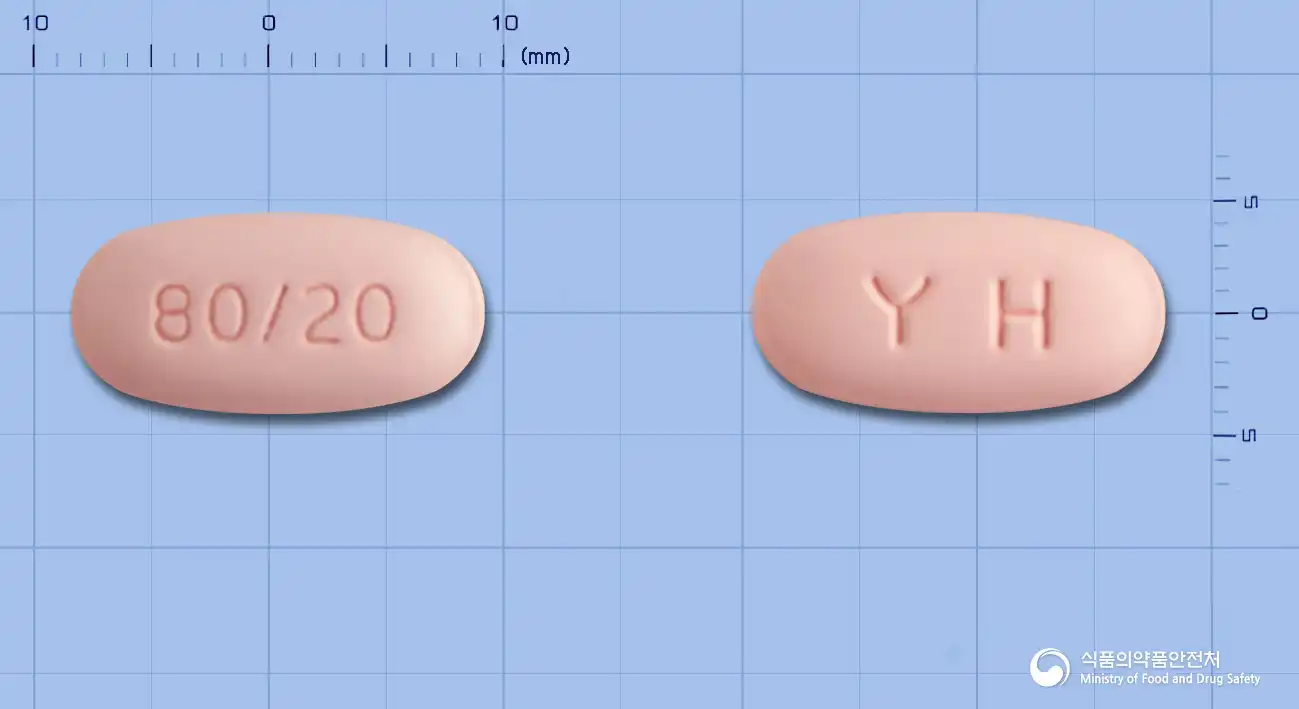 Combination
Telmisartan 80mg · Rosuvastatin Calcium 20.8mg
Tablet · Prescription medication · Combination
Yuhan Corporation.
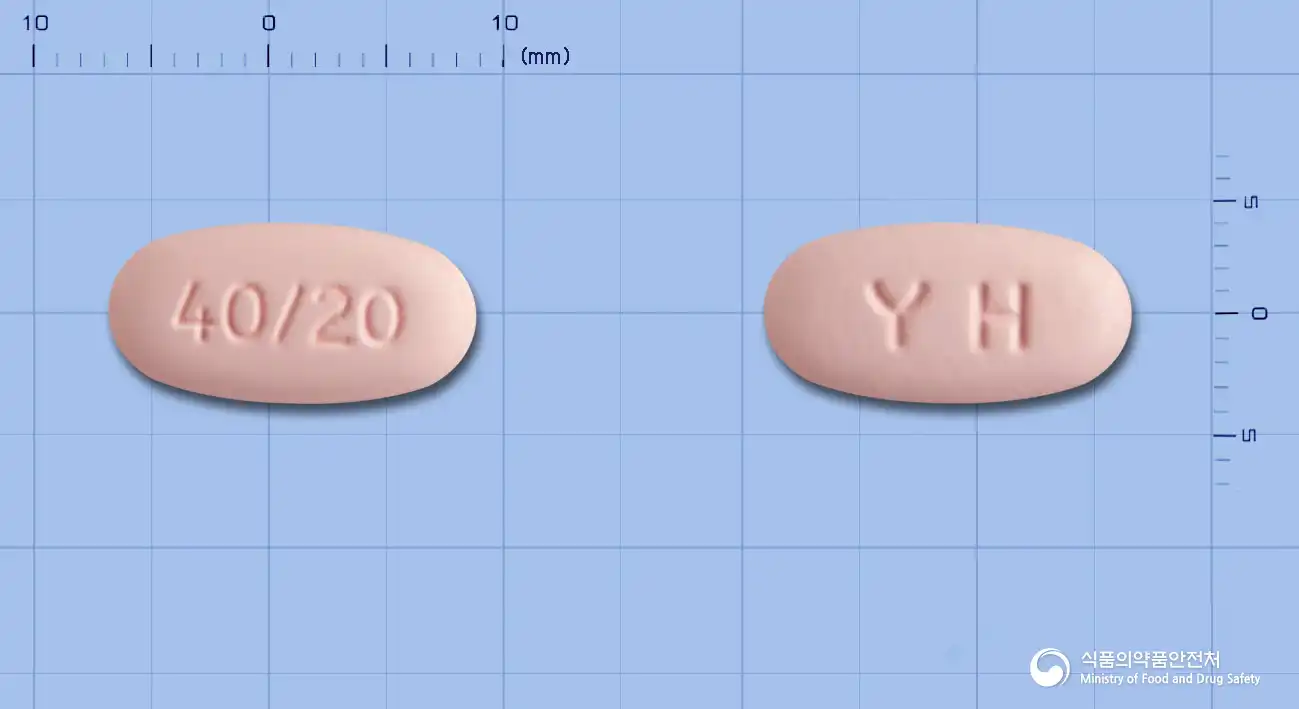 Combination
Telmisartan 40mg · Rosuvastatin Calcium 20.8mg
Tablet · Prescription medication · Combination
Yuhan Corporation
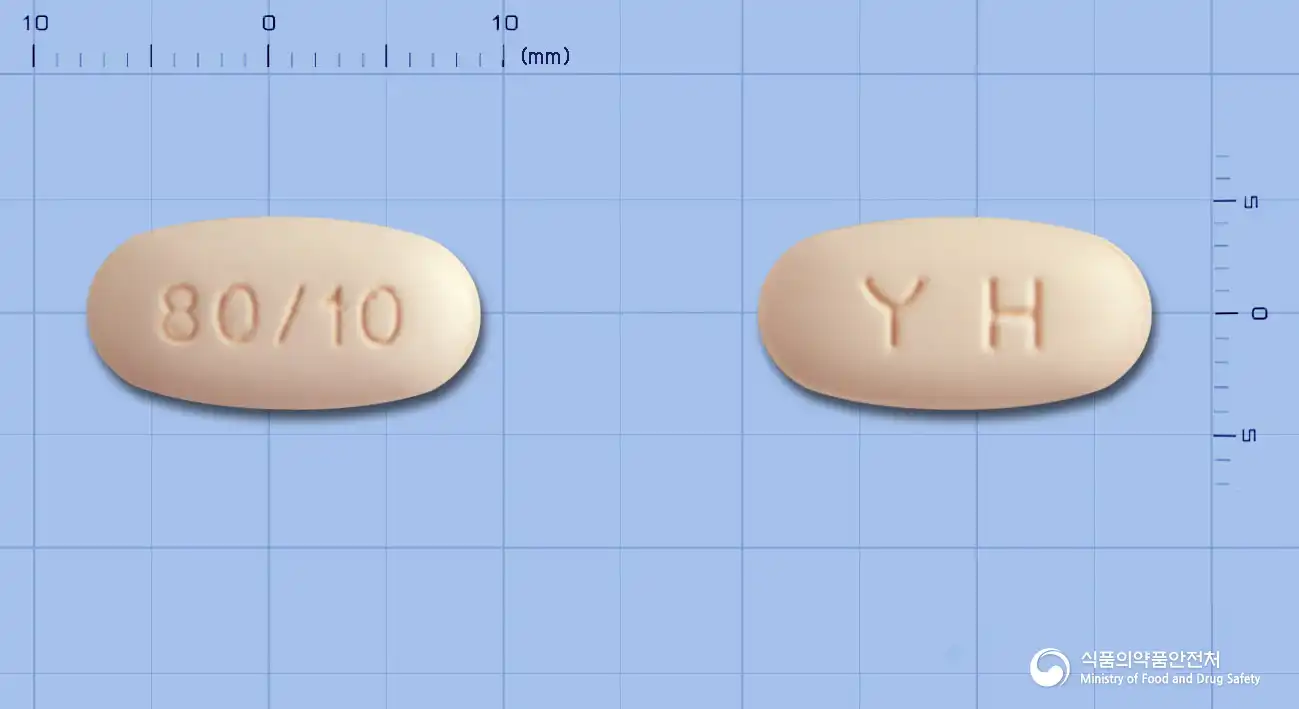 Combination
Telmisartan 80mg · Rosuvastatin Calcium 10.4mg
Tablet · Prescription medication · Combination
Yuhannanghang Co., Ltd.
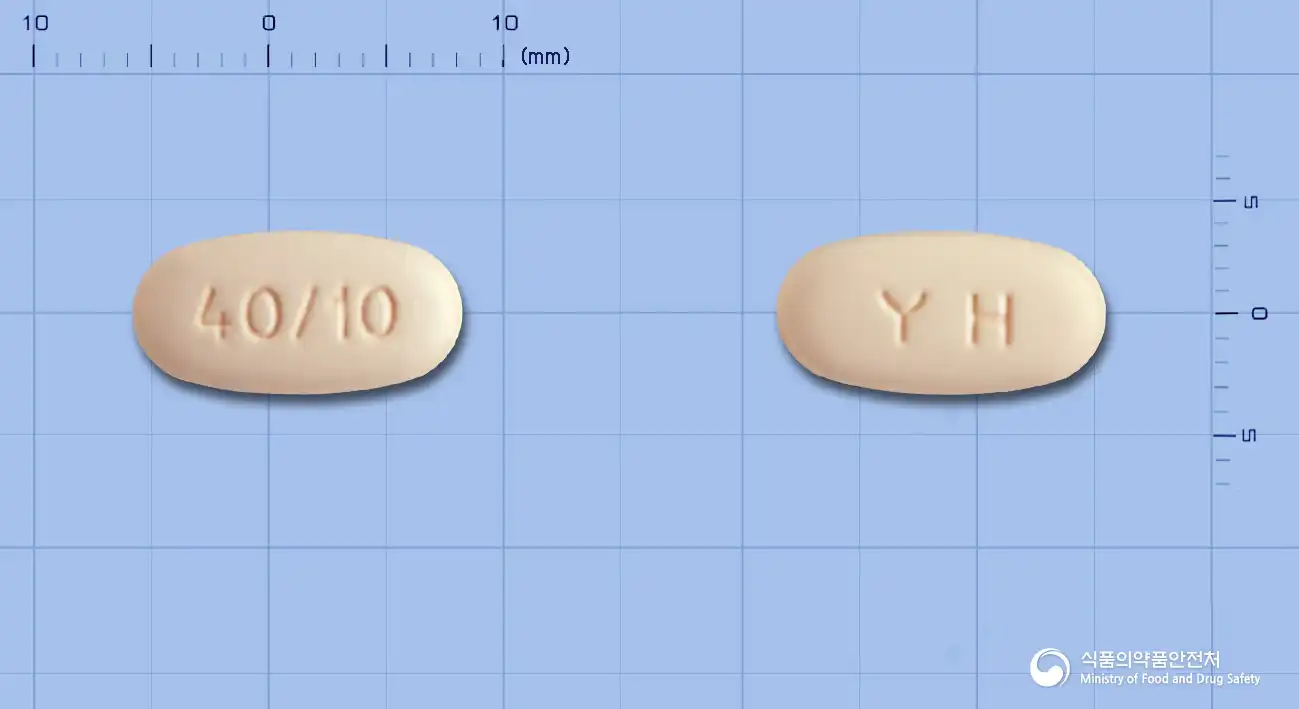 Combination
Telmisartan 40mg · Rosuvastatin Calcium 10.4mg
Tablet · Prescription medication · Combination
Yuhan Corporation Co., Ltd.
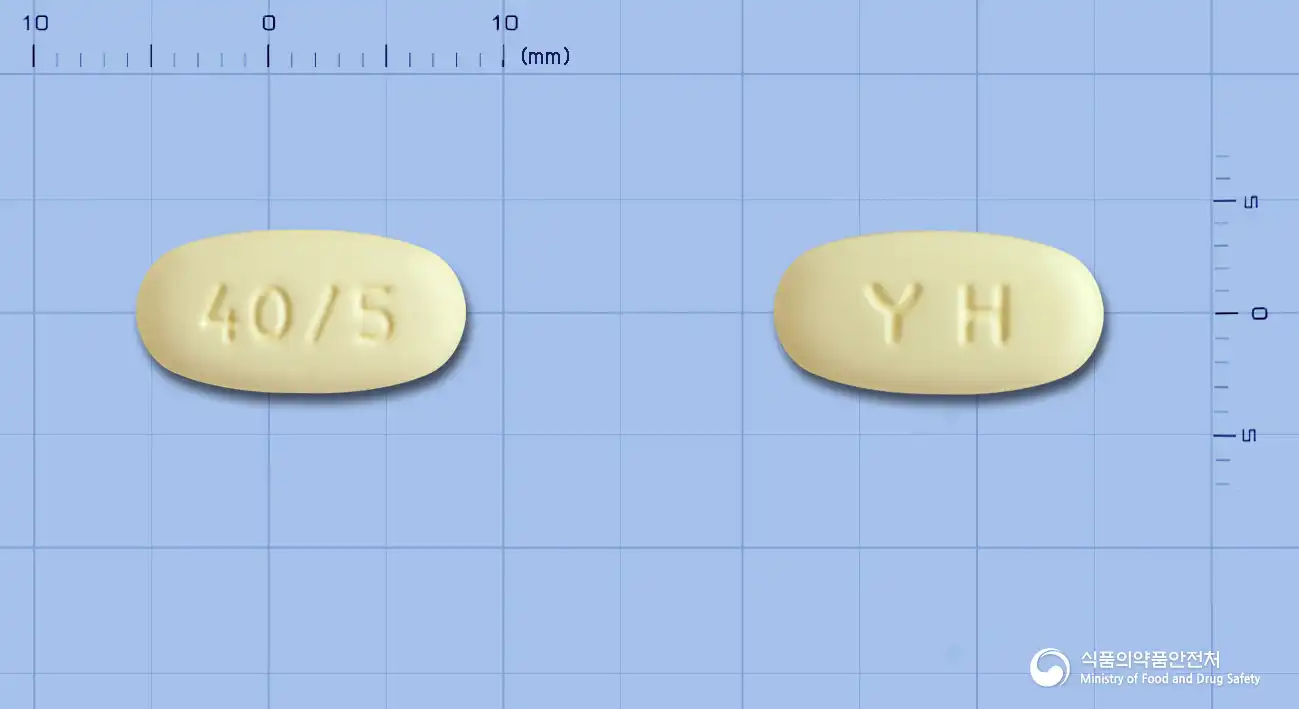 Combination
Telmisartan 40mg · Rosuvastatin Calcium 5.2mg
Tablet · Prescription medication · Combination
Yuhan Corporation
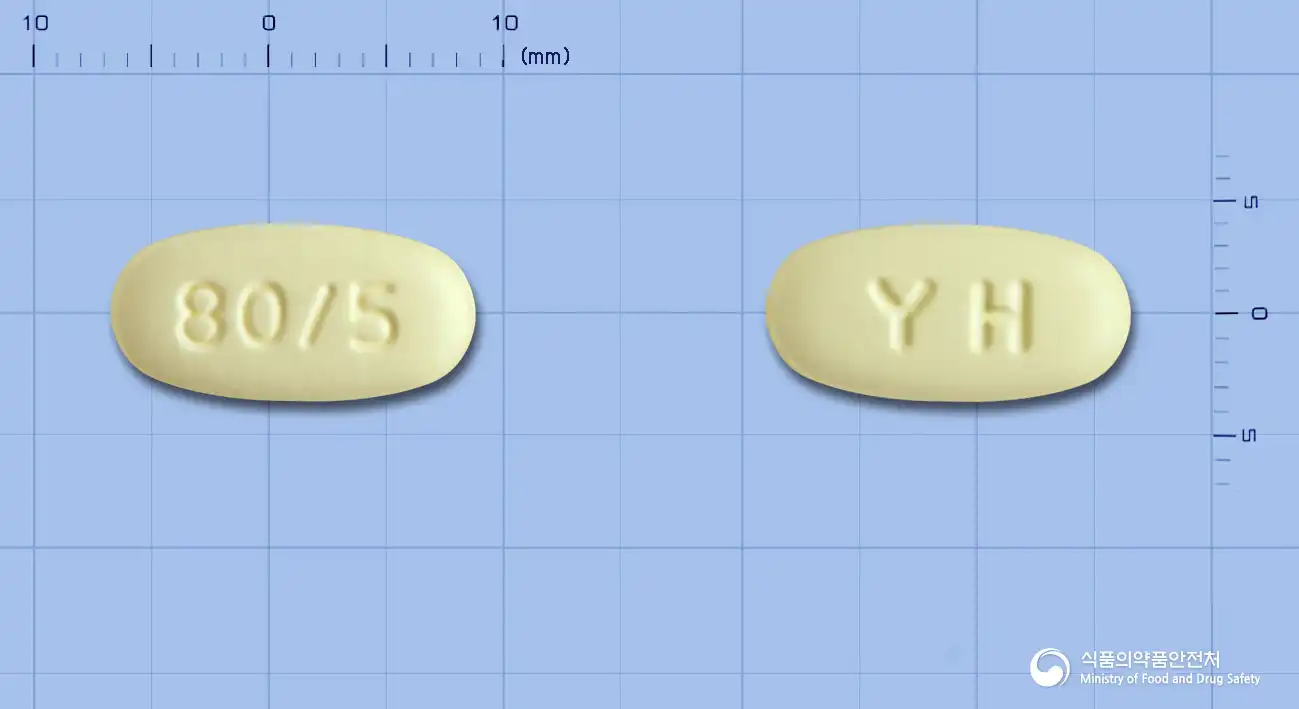 Combination
Telmisartan 80mg · Rosuvastatin Calcium 5.2mg
Tablet · Prescription medication · Combination
Yuhan Corporation
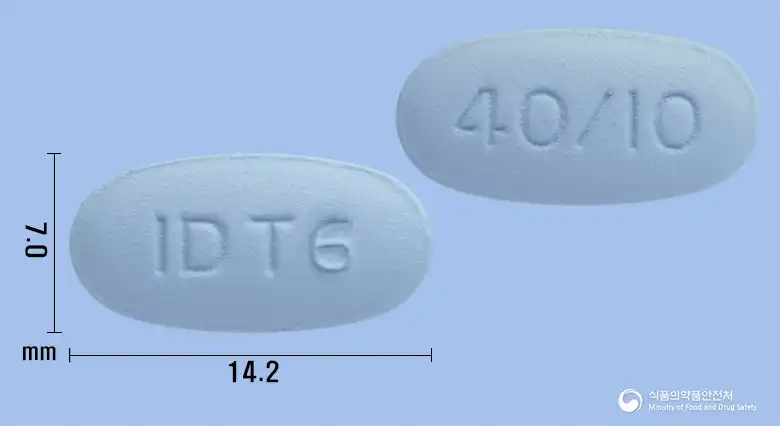 Combination
Telmisartan 40mg · Rosuvastatin Calcium 10.4mg
Tablet · Prescription medication · Combination
Ildong Pharmaceutical Co., Ltd.
Even with the same ingredient, the dose and directions can differ by strength and dosage form. Talk to a doctor or pharmacist before switching from a medication you are already taking.
No questions yet.
For anything that needs medical judgment, consult a doctor or pharmacist.
This drug information is based on data provided by the Korea Ministry of Food and Drug Safety.
Consult a doctor or pharmacist for accurate dosage, administration, and usage instructions.