
 한국어
 English
 日本語
 中文(简体)
Dosage form image
Viewing nowAxitin Capsule 150 Milligrams (Nizatidine)
Nizatidine 150mg
Hard capsule · Prescription medication
Korea Sintex Pharmaceutical Co., Ltd.
MFDS item code 201906569 · Approved 2019.09.19
This product's status changed to Expired on 2024.09.19. It may no longer be sold, so consult a doctor or pharmacist before taking it.
Treatment and improvement of gastric and duodenal ulcers, reflux disease (esophagitis and heartburn), and gastritis
This medication is used for the treatment of active gastric and duodenal ulcers and for the prevention of recurrence of duodenal ulcers. It is also effective in treating the symptoms of heartburn caused by erosive and ulcerative esophagitis diagnosed via endoscopy, and gastroesophageal reflux disease (GERD). It helps improve gastric mucosal lesions, such as erosion, bleeding, redness, and swelling that occur during acute exacerbations of acute and chronic gastritis. This medication contributes to the rapid improvement of symptoms by protecting the gastric mucosa and alleviating inflammation. Therefore, it may be used safely and effectively for the management of gastrointestinal disorders.
1. Treatment of active gastric and duodenal ulcers Adults: Administer nizatidine 300mg once daily at bedtime, or 150mg twice daily, in the morning and evening, orally. Most ulcers heal within 4 weeks, but treatment may be continued for up to 8 weeks if necessary. In cases of active gastric ulcer, malignancy must be ruled out before treatment. 2. Prevention of recurrence of duodenal ulcers Adults: After healing of a duodenal ulcer, administer 150mg orally once daily at bedtime. Treatment may be continued for up to 1 year; results of longer-term administration are unknown. 3. Gastroesophageal reflux disease Adults: Administer 150mg orally twice daily, in the morning and evening. Treatment may be continued for up to 12 weeks. 4. Improvement of gastric mucosal lesions Adults: Administer 150mg orally twice daily, in the morning and evening, for 2 weeks. 5. Dosage adjustment for patients with severe renal impairment The dose for patients with renal impairment should be reduced and adjusted as follows. Creatinine clearance Dose Active duodenal ulcer Gastroesophageal reflux disease (GERD) Benign gastric ulcer 20~50 ml/min 150mg daily < 20 ml/min 150mg every other day Maintenance therapy 20~50 ml/min 150mg every other day < 20 ml/min 150mg every 3 days Some older adults may have a creatinine clearance below 50mL/min. Based on pharmacokinetic data in patients with renal impairment, the dose should also be reduced according to the degree of renal impairment in such patients. The clinical impact of this dose reduction in patients with renal impairment has not been evaluated.
This medication should not be used in certain patients. Patients who have had allergic reactions to this medication or similar drugs should not take it. Additionally, it should not be administered to patients with genetic issues related to lactose digestion. Some patients should use this medication with caution. For instance, patients with a history of drug allergies or poor liver or kidney function need to exercise caution while taking this medication. In particular, patients with impaired kidney function may have increased drug concentrations; therefore, it is necessary to reduce the dosage or extend the administration interval. While taking this medication, allergic symptoms such as skin rashes, itching, and breathing difficulties may rarely occur, and if such symptoms arise, immediate discontinuation of the medication is necessary. Furthermore, various side effects have been reported, including anemia, changes in blood cell counts, dyspepsia, liver dysfunction, confusion, headaches, drowsiness, dizziness, cardiac arrhythmias, gynecomastia, rashes, etc. This medication can mask symptoms of stomach cancer, so it should only be used after confirming that it is not cancer. As the drug is primarily excreted through the kidneys, patients with reduced kidney function may require dosage adjustments. During treatment, regular blood tests and assessments of liver and kidney function are recommended while minimizing the dose. This medication has a low risk of drug interactions as it does not significantly interact with other specific drugs and does not obstruct drug metabolism in the liver. However, when taken along with high-dose aspirin, certain blood component concentrations may increase. For pregnant or breastfeeding women, the safety of this medication has not been fully established; hence it should be taken only when absolutely necessary and under a doctor’s supervision. The safety for children has not been established, and elderly individuals may have a higher possibility of reduced kidney function, so kidney function tests are recommended prior to use. This medication may affect the results of certain clinical tests, so it is important to inform medical personnel about it during testing. In the case of overdose, appropriate measures such as vomiting or gastric lavage should be taken, as blood dialysis may not be effective. Finally, while there is no evidence from animal studies that this medication causes cancer, it may affect the liver in high doses, making adherence to recommended dosages crucial.
Not everyone experiences these, and they can vary from person to person.
This medication should be stored in a tightly sealed container to prevent air ingress, at room temperature between 1 to 30 degrees Celsius. Storing it this way helps maintain the medication's efficacy.
Hard capsules with a yellow upper and light yellow lower part filled with white to almost white powder
30 capsules/bottle, 300 capsules/bottle
Even with the same ingredient, strength, dosage form and how it is taken can differ.
Nizatidine 150mg
Hard capsule · Prescription medication
Korea Sintex Pharmaceutical Co., Ltd.
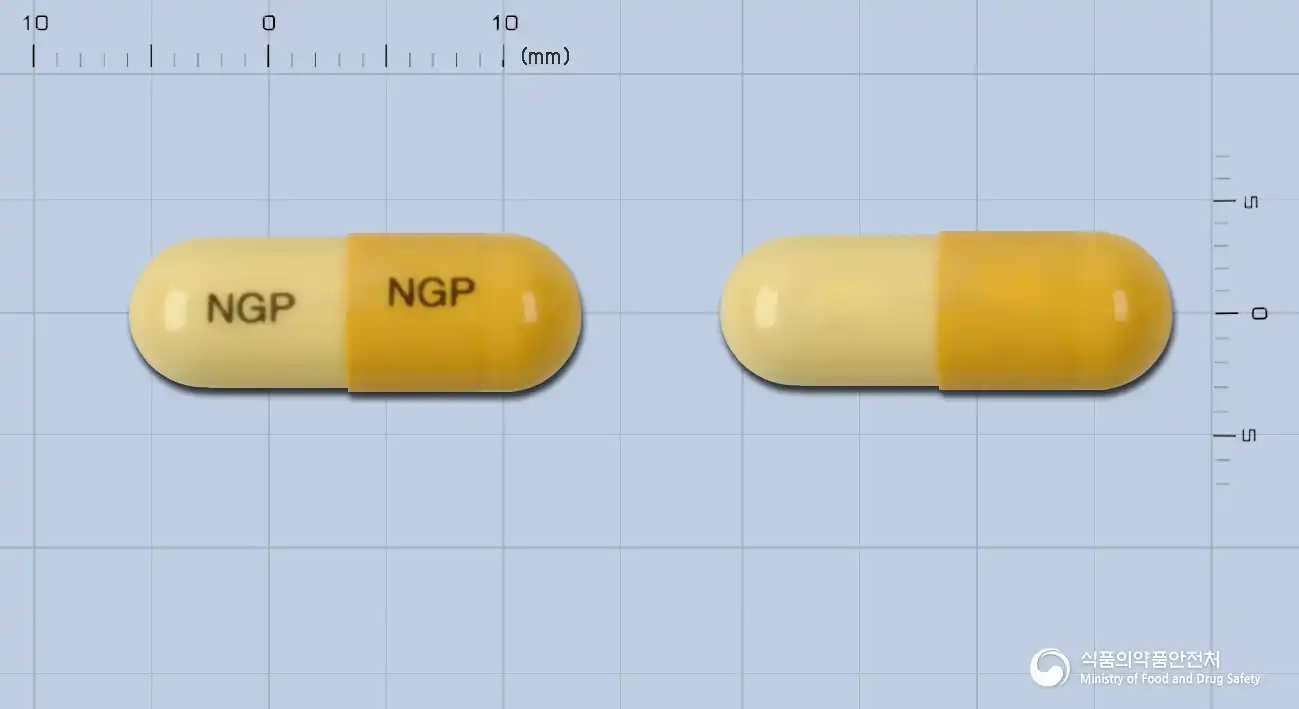
Nizatidine 150mg
Hard capsule · Prescription medication
Celix Co., Ltd.
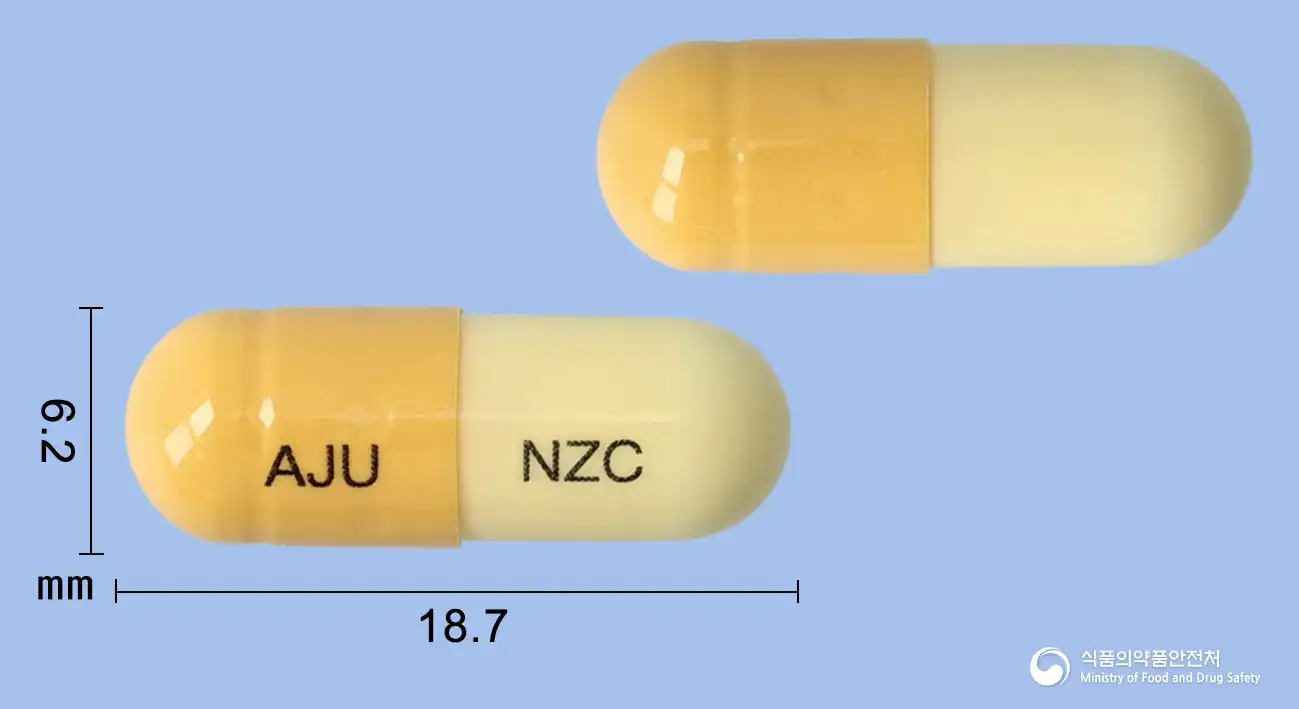
Nizatidine 150mg
Hard capsule · Prescription medication
Ajou Pharmaceutical Co., Ltd.
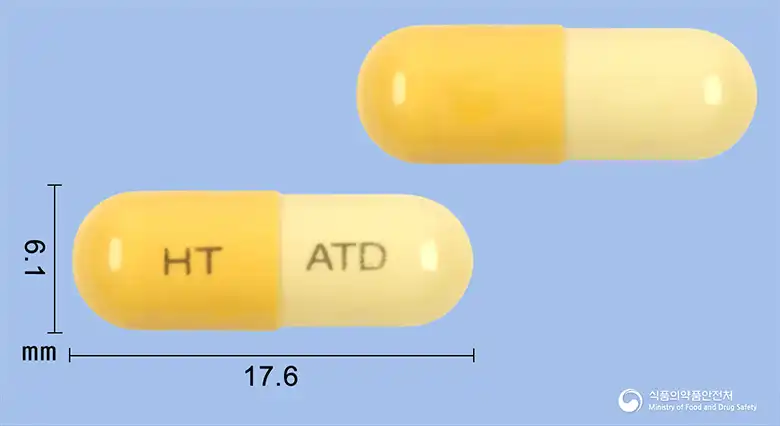
Nizatidine 150mg
Hard capsule · Prescription medication
Hankook Hyutex Pharmaceutical Co., Ltd.
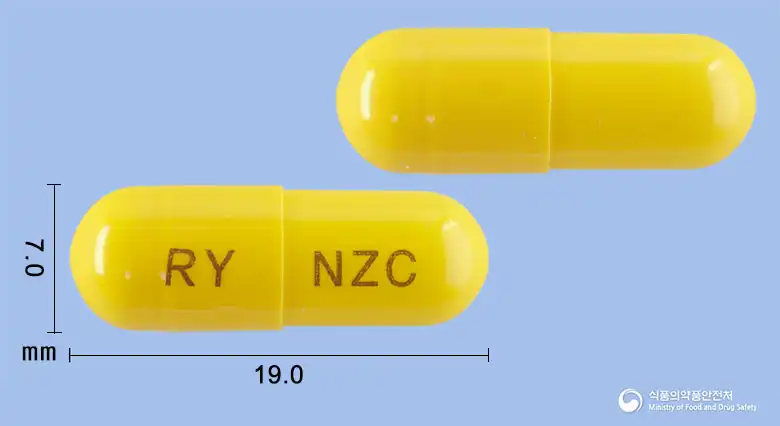
Nizatidine 150mg
Hard capsule · Prescription medication
IYON Pharmaceutical Co., Ltd.
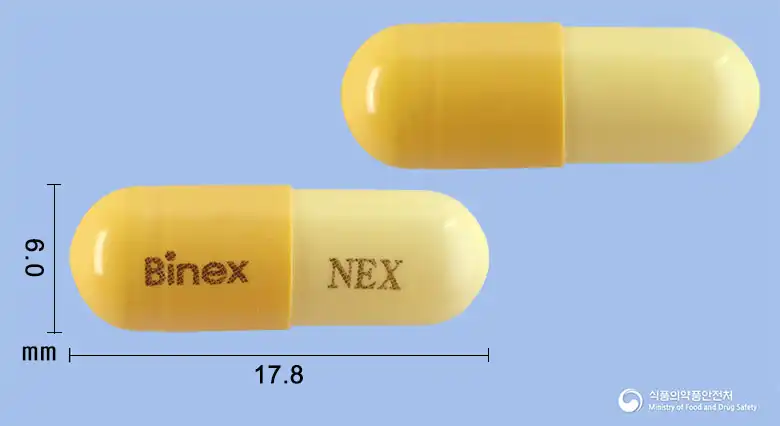
Nizatidine 150mg
Hard capsule · Prescription medication
Bionex Co., Ltd.
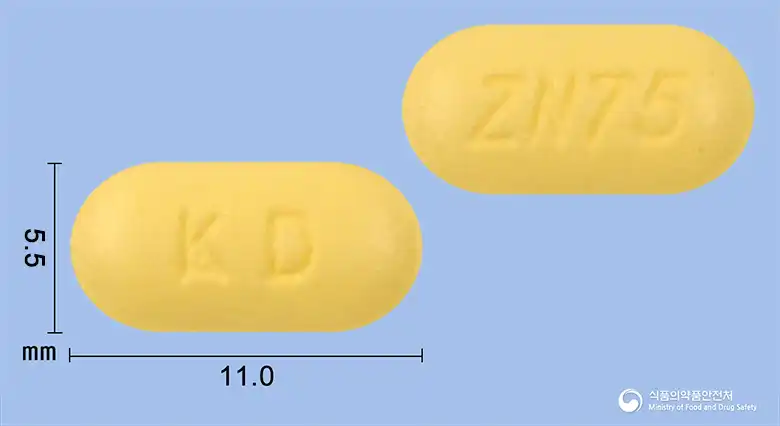
Nizatidine 75mg
Tablet · OTC medication
Kyungdong Pharmaceutical Co., Ltd.
Nizatidine 75mg
Tablet · OTC medication
HLB Pharmaceuticals Co., Ltd.
Even with the same ingredient, the dose and directions can differ by strength and dosage form. Talk to a doctor or pharmacist before switching from a medication you are already taking.
No questions yet.
For anything that needs medical judgment, consult a doctor or pharmacist.
This drug information is based on data provided by the Korea Ministry of Food and Drug Safety.
Consult a doctor or pharmacist for accurate dosage, administration, and usage instructions.