This product's status changed to Expired on 2024.09.19. It may no longer be sold, so consult a doctor or pharmacist before taking it.
Summary
Main use
Improvement of blood sugar control in type 2 diabetes
Who uses it
Adults
Adult dosage
This medication should generally be taken divided with meals to reduce gastrointestinal adverse effects caused by Metformin.
The initial dose should be based on the patient's current treatment regimen, starting with one tablet daily and gradually adjusting the dose after evaluating treatment response.
The dose of this medication should not exceed the maximum dosages of pioglitazone 30 mg and metformin 2500 mg for efficacy and tolerance.
Improvement of blood sugar control in type 2 diabetes
Insulin-independent diabetes
impaired blood sugar regulation
View approved original textHide original text
This medication is used to help regulate blood sugar in patients with insulin-independent diabetes, specifically type 2 diabetes. It can be administered particularly when adequate blood sugar control is not achieved with monotherapy of Metformin or Pioglitazone. Additionally, this medication can be used instead of the combination therapy of Pioglitazone and Metformin. For the management of type 2 diabetes, dietary counseling, weight reduction, and regular exercise are essential, and these lifestyle modifications are crucial for enhancing the effectiveness of the pharmacotherapy. This medication aids in improving blood sugar control as an adjunct to dietary and exercise therapy.
Dosage and Administration
Adult dosage
This medication should generally be taken divided with meals to reduce gastrointestinal adverse effects caused by Metformin.
The initial dose should be based on the patient's current treatment regimen, starting with one tablet daily and gradually adjusting the dose after evaluating treatment response.
The dose of this medication should not exceed the maximum dosages of pioglitazone 30 mg and metformin 2500 mg for efficacy and tolerance.
Precautions
This medication helps regulate blood sugar.
However, it should not be used in patients with impaired kidney function or severe heart disease.
In particular, this medication can cause a serious side effect called lactic acidosis, which is a dangerous condition where lactic acid accumulates excessively in the body.
Lactic acidosis is very rare but can be fatal, so if symptoms such as sudden shortness of breath, muscle pain, fatigue, or abdominal pain appear, one should consult a physician immediately.
Additionally, this medication should not be taken by patients with liver dysfunction or individuals who consume alcohol excessively.
This medication may worsen heart failure, so caution is necessary for patients with heart failure.
During treatment, it is essential to carefully monitor for symptoms of heart failure such as weight gain, swelling, or shortness of breath.
This medication is not recommended for women who are pregnant or breastfeeding.
Also, while using this medication, regular monitoring of blood sugar, liver function, kidney function, and blood tests is necessary.
Overdosing on this medication may lead to hypoglycemia or severe side effects; therefore, it is crucial to adhere to the prescribed dosage.
Before any sudden surgery or diagnostic tests using contrast agents, one should consult a physician to temporarily discontinue the medication.
Additionally, there may be other medications that interact with this medication, so inform your doctor or pharmacist if you are taking any other drugs.
Lastly, this medication's safety has not been established in children, and for the elderly, dosage adjustment and monitoring are required due to potential declines in kidney function.
Side effects and when to seek care immediately
Serious side effects
Lactic acidosis, severe edema, symptoms and signs of heart failure (including excessive and rapid weight changes, shortness of breath, swelling), hives, severe swelling (edema), chest tightness, difficulty breathing, cold sweat, pallor, liver function abnormal symptoms (jaundice, yellowing of the skin or eyes), severe skin adverse reactions (severe rash with high fever, blisters, skin peeling, pain in mouth/eye mucous membranes), severe neurological symptoms (sudden and very
Mild side effects
Upper respiratory tract infections
diarrhea
nausea
headache
urinary tract infections
sinusitis
dizziness
lower limb edema
weight gain
muscle pain
Show 13 moreCollapse
dental disorders
worsening diabetes
pharyngitis
anemia
indigestion
insomnia
dry mouth
constipation
abdominal bloating
gastroesophageal reflux disease
intestinal gas retention
increased blood creatinine level
increased blood urea level
Not everyone experiences these, and they can vary from person to person.
Storage
This medication may be sensitive to air or moisture, so ensure that it is stored in a sealed container. It is best to maintain the storage temperature between 1 to 30 degrees Celsius. Proper storage will help maintain the medication's efficacy over time.
Appearance and packaging
Appearance
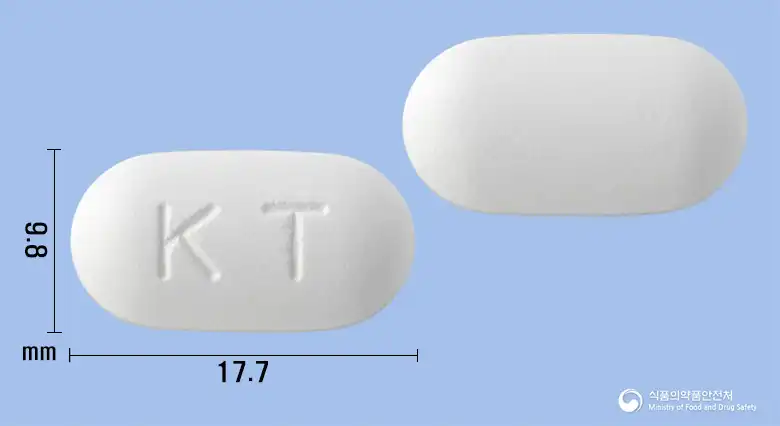
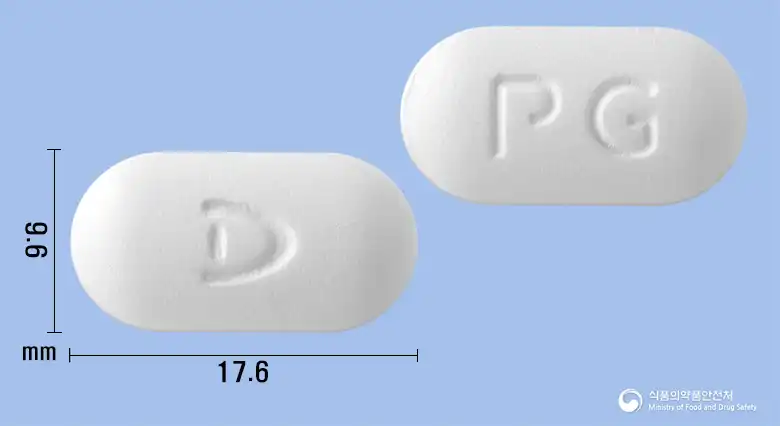
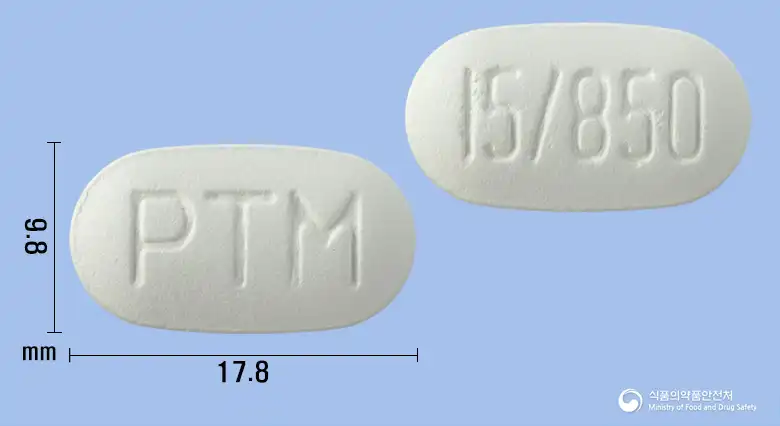
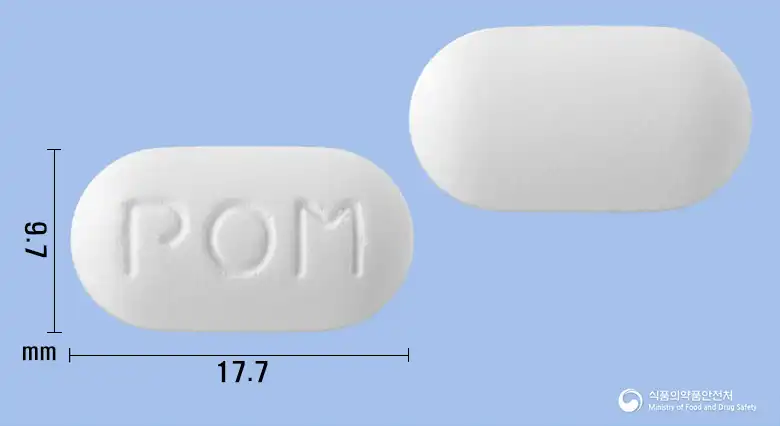
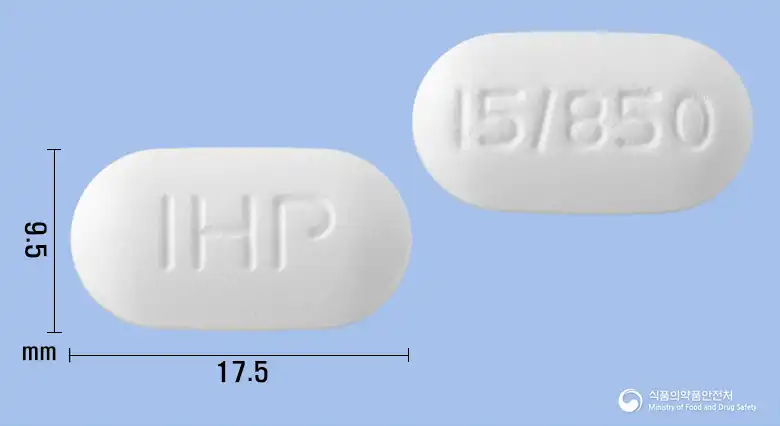
White to pale gray oblong film-coated tablets
Package unit
30 tablets/PTP [(10 tablets/PTP * 3)]
Same-ingredient medicines
Even with the same ingredient, strength, dosage form and how it is taken can differ.
Even with the same ingredient, the dose and directions can differ by strength and dosage form. Talk to a doctor or pharmacist before switching from a medication you are already taking.
Questions about this medicine
No questions yet.
For anything that needs medical judgment, consult a doctor or pharmacist.
This drug information is based on data provided by the Korea Ministry of Food and Drug Safety. Consult a doctor or pharmacist for accurate dosage, administration, and usage instructions.

 한국어
한국어 English
 日本語
日本語 中文(简体)