
 한국어
한국어 English
 日本語
日本語 中文(简体)
Dosage form image
Viewing nowCombinationPiome Metformin 15/850 milligrams
Metformin Hydrochloride 850mg · Pioglitazone Hydrochloride 16.53mg
Tablet · Prescription medication · Combination
Dongkwang Pharmaceutical Co., Ltd.
MFDS item code 201906479 · Approved 2019.09.17
This product's status changed to Expired on 2024.09.17. It may no longer be sold, so consult a doctor or pharmacist before taking it.
Improvement of type 2 diabetes (blood sugar control)
This drug aids in the management of blood sugar levels in patients with type 2 diabetes who are not dependent on insulin, as a supplement to dietary and exercise therapies. It is especially used when sufficient blood sugar control cannot be achieved through monotherapy with Metformin or Pioglitazone alone. Additionally, it can serve as a substitute for combination therapy of Pioglitazone and Metformin. Management of type 2 diabetes requires nutritional counseling, weight loss, and regular physical activity, and improving these lifestyle habits is crucial for enhancing the efficacy of drug therapy. Therefore, this medication is used to improve blood sugar control as part of this comprehensive treatment strategy.
The dosage of this drug should be individualized based on efficacy and tolerability, without exceeding the maximum of 30 mg of Pioglitazone and 2500 mg of Metformin. The initial dose is based on the patient's current therapy, starting with 1 tablet per day for those on Metformin or Pioglitazone monotherapy, adjusting the dose according to treatment response. Patients transitioning from the combination therapy of Pioglitazone and Metformin should start at the established dose.
This drug helps regulate blood sugar. However, several important precautions must be strictly followed while taking this medication. First, this drug should not be administered to patients with impaired kidney function. If the kidneys cannot properly excrete the drug, it may accumulate in the body and pose risks. Moreover, this medication should not be used in patients with severe heart failure or active bladder cancer. For these patients, the drug may pose further health risks. This medication can cause a rare but very serious side effect known as lactic acidosis. Lactic acidosis is a condition characterized by an excessive buildup of lactic acid in the body, with symptoms including fatigue, muscle pain, difficulty breathing, and abdominal pain. If these symptoms occur, consult a physician immediately. If dehydration, hypoxia, or sepsis occurs during the use of this drug, administration should be stopped immediately. Patients with liver impairment should also refrain from using this drug, as a decreased ability of the liver to process medications can increase the risk of side effects. Alcohol can interact with this medication and affect lactic acid metabolism, potentially increasing risks, so excessive drinking should be avoided while taking this medication. This drug can worsen heart failure, so if symptoms of heart failure such as weight gain, shortness of breath, or edema occur, inform your doctor immediately. Additionally, this medication can cause weight gain and edema; thus, any changes should be discussed with healthcare professionals. Pregnant or breastfeeding women should not take this medication, and safety and efficacy have not been established for pediatric patients. Elderly individuals may have decreased kidney function, and therefore, the dosage of this medication should be carefully adjusted, and regular kidney function assessments should be conducted. While taking this medication, regular checks of blood sugar, blood tests, and kidney function tests should be performed to monitor health status closely. Finally, there may be interactions with other medications taken concurrently with this drug, so it is essential to consult a physician or pharmacist about any additional medications.
Severe lactic acidosis (lactic acidosis), worsening of heart failure, congestive heart failure, severe edema, liver abnormalities (liver failure, jaundice), severe neurological symptoms (severe headache, confusion), hypoglycemia, bladder cancer, visible hematuria and micturition disorders, difficulty breathing, respiratory distress
Not everyone experiences these, and they can vary from person to person.
This medication should be stored in a tightly sealed container to prevent exposure to air and moisture. The recommended storage temperature is room temperature between 1 and 30 degrees Celsius.
White to grayish white film-coated oblong tablet
30 tablets / PTP [(10 tablets/PTP) × 3]
Even with the same ingredient, strength, dosage form and how it is taken can differ.
Metformin Hydrochloride 850mg · Pioglitazone Hydrochloride 16.53mg
Tablet · Prescription medication · Combination
Dongkwang Pharmaceutical Co., Ltd.
Pioglitazone Hydrochloride 16.53mg · Metformin Hydrochloride 850mg
Tablet · Prescription medication · Combination
Celltrion Pharmaceutical Co., Ltd.
 Combination
Metformin Hydrochloride 850mg · Pioglitazone Hydrochloride 16.53mg
Tablet · Prescription medication · Combination
Genewon Science Co., Ltd.
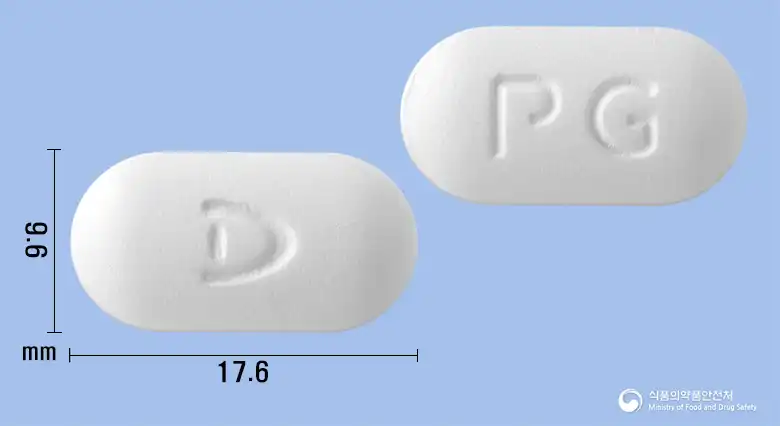 Combination
Metformin Hydrochloride 850mg · Pioglitazone Hydrochloride 16.53mg
Tablet · Prescription medication · Combination
Dalim Biotech Co., Ltd.
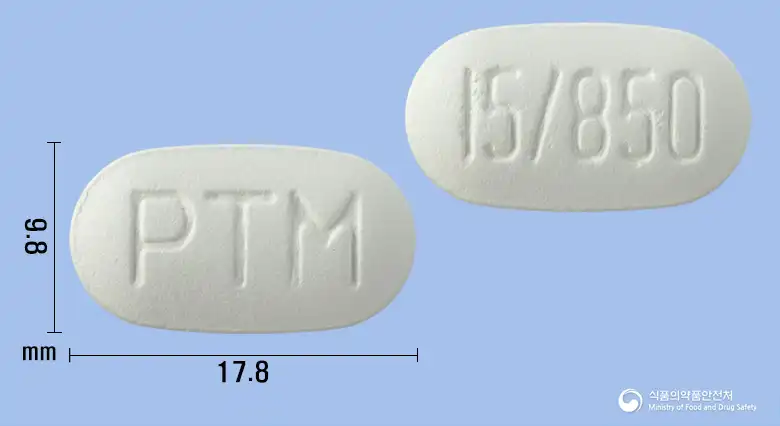 Combination
Pioglitazone Hydrochloride 16.53mg · Metformin Hydrochloride 850mg
Tablet · Prescription medication · Combination
Kyungdong Pharmaceutical Co., Ltd.
Metformin Hydrochloride · Pioglitazone Hydrochloride
Prescription medication · Combination
Nexpam Korea Co., Ltd.
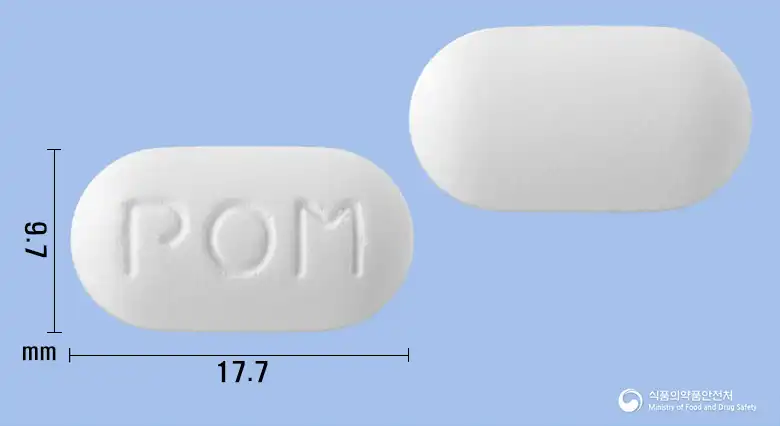 Combination
Pioglitazone Hydrochloride 16.53mg · Metformin Hydrochloride 850mg
Tablet · Prescription medication · Combination
Korea Prime Pharmaceutical Co., Ltd.
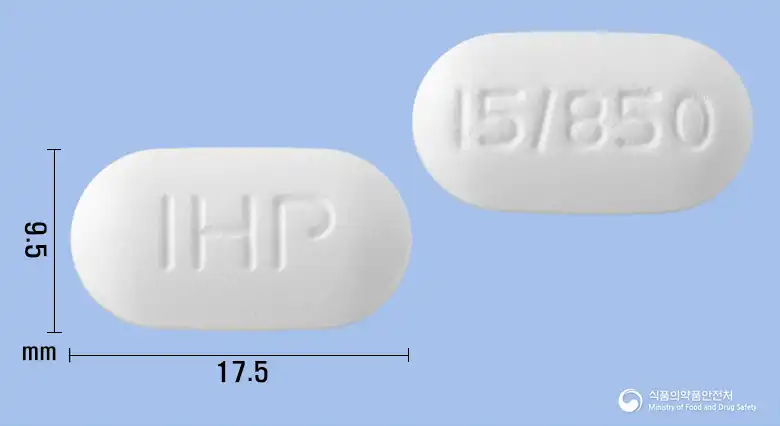 Combination
Metformin Hydrochloride 850mg · Pioglitazone Hydrochloride 16.53mg
Tablet · Prescription medication · Combination
Ilhwa Co., Ltd.
Even with the same ingredient, the dose and directions can differ by strength and dosage form. Talk to a doctor or pharmacist before switching from a medication you are already taking.
No questions yet.
For anything that needs medical judgment, consult a doctor or pharmacist.
This drug information is based on data provided by the Korea Ministry of Food and Drug Safety.
Consult a doctor or pharmacist for accurate dosage, administration, and usage instructions.