
 한국어
한국어 English
 日本語
日本語 中文(简体)
Dosage form image
Viewing nowOlmesartan 40 mg Tablet (Olmesartan Medoxomil)
Olmesartan Medoxomil 40mg
Tablet · Prescription medication
Donggu Bio Pharmaceutical Co., Ltd.
MFDS item code 201906476 · Approved 2019.09.17
This product's status changed to Expired on 2024.09.17. It may no longer be sold, so consult a doctor or pharmacist before taking it.
Improvement of essential hypertension
Essential hypertension refers to a persistent increase in blood pressure without a specific cause. This medication helps control blood pressure, thereby reducing the burden on the heart and blood vessels. By managing hypertension, it lowers the risk of cardiovascular complications such as stroke and myocardial infarction. Consistent treatment combined with lifestyle modifications is important, and this medication is used for the treatment of essential hypertension.
The recommended initial dose is 10 mg once daily, taken regardless of meals. If blood pressure is not adequately controlled at this dose, it can be increased to 20 mg once daily. If further blood pressure reduction is needed, the dose may be increased to a maximum of 40 mg once daily. Blood pressure-lowering effects typically occur within 2 weeks of starting treatment, with maximum effect observed after about 8 weeks. For patients where blood pressure is not controlled with monotherapy, combination with thiazide diuretics such as hydrochlorothiazide may be considered. To improve adherence, it is recommended to take the medication at the same time each day (e.g., in the morning). Patients with the potential for intravascular volume depletion (e.g., those on diuretics, particularly with renal impairment) should be carefully monitored and doses should be started low. <For the elderly> No dose adjustment is necessary when administering this medication to patients aged 65 and older. No significant differences in efficacy and safety have been observed between elderly and younger patients, although heightened sensitivity may not be ruled out in some elderly individuals. <For patients with renal impairment> For patients with mild to moderate renal impairment (creatinine clearance 20-60 mL/min), the maximum administered dose is 20 mg once daily. <For patients with liver impairment> No dose adjustment is needed for patients with mild liver impairment. Patients with moderate liver impairment should start at a recommended initial dose of 10 mg once daily and may increase to a maximum dose of 20 mg once daily. Experience with severe liver impairment patients has been limited, so use is not recommended. <For pediatric patients> The safety and efficacy have not been established for pediatric patients.
Safety and efficacy in pediatric patients have not been established.
This medication can cause serious harm or death to the fetus or newborn if taken during the second and third trimesters of pregnancy; therefore, it must be discontinued immediately once pregnancy is confirmed. Individuals allergic to any components of this medication, including pregnant or breastfeeding women, should not take it. Patients undergoing renal dialysis, those with severe liver dysfunction, and those with biliary obstruction should not use this medication. Patients with lactose intolerance or specific genetic disorders should not be administered this medication due to the lactose component it contains. Patients with reduced blood volume or sodium levels should monitor their condition carefully, as symptoms of hypotension may occur in the early stages of treatment with this medication. Patients with weakened kidney function or those who have received kidney transplants should regularly check potassium and creatinine levels, and it is not recommended for patients with severe renal impairment. Due to the risk of hyperkalemia, patients with heart failure or poor kidney function should frequently test their potassium levels. Dizziness and other symptoms may occur, so it is advisable to avoid dangerous activities such as working at heights or driving. The blood pressure-lowering effect may increase when this medication is used alongside other antihypertensives, so it's essential to inform healthcare providers of any medications being taken. Caution is warranted when taking potassium-sparing diuretics or potassium supplements as they can dangerously elevate serum potassium levels. When combined with lithium, lithium levels may rise, leading to toxicity; therefore, it is advisable not to use them together. Co-administration with non-steroidal anti-inflammatory drugs may worsen renal function, necessitating increased fluid intake and regular renal function checks. Taking this medication during pregnancy can lead to serious adverse effects such as impaired renal development of the fetus, decreased amniotic fluid, and cranial development disorders. Breastfeeding women should discontinue this medication or stop breastfeeding since this drug can pass into breast milk and may cause adverse reactions in infants. Safety and efficacy in pediatric patients have yet to be established, so it is advisable not to administer this medication to children. In cases of overdose, symptoms such as hypotension, palpitations, and bradycardia may occur, requiring immediate medical attention. While long-term use of this medication has been reported to have a low risk of carcinogenicity or genotoxicity, any abnormal symptoms during treatment should prompt immediate consultation with healthcare professionals.
Hives, severe swelling (angioedema), anaphylactic reaction, severe skin reactions (severe rash with fever, blistering, peeling skin, pain in mouth/eyes), shortness of breath or difficulty breathing, asthma attacks, respiratory issues accompanied by cough and fever, jaundice (yellowing of skin or eyes), liver dysfunction, sudden and very severe headache, thunderclap headache, seizures, confusion, visual disturbances, paralysis, significant reduction in urine output
Not everyone experiences these, and they can vary from person to person.
This medication should be stored in a tightly sealed container to protect it from air and moisture. The storage temperature should be maintained at room temperature between 1 and 25 degrees Celsius.
White oblong film-coated tablet
30 tablets/bottle, 300 tablets/bottle
Even with the same ingredient, strength, dosage form and how it is taken can differ.
Olmesartan Medoxomil 40mg
Tablet · Prescription medication
Donggu Bio Pharmaceutical Co., Ltd.
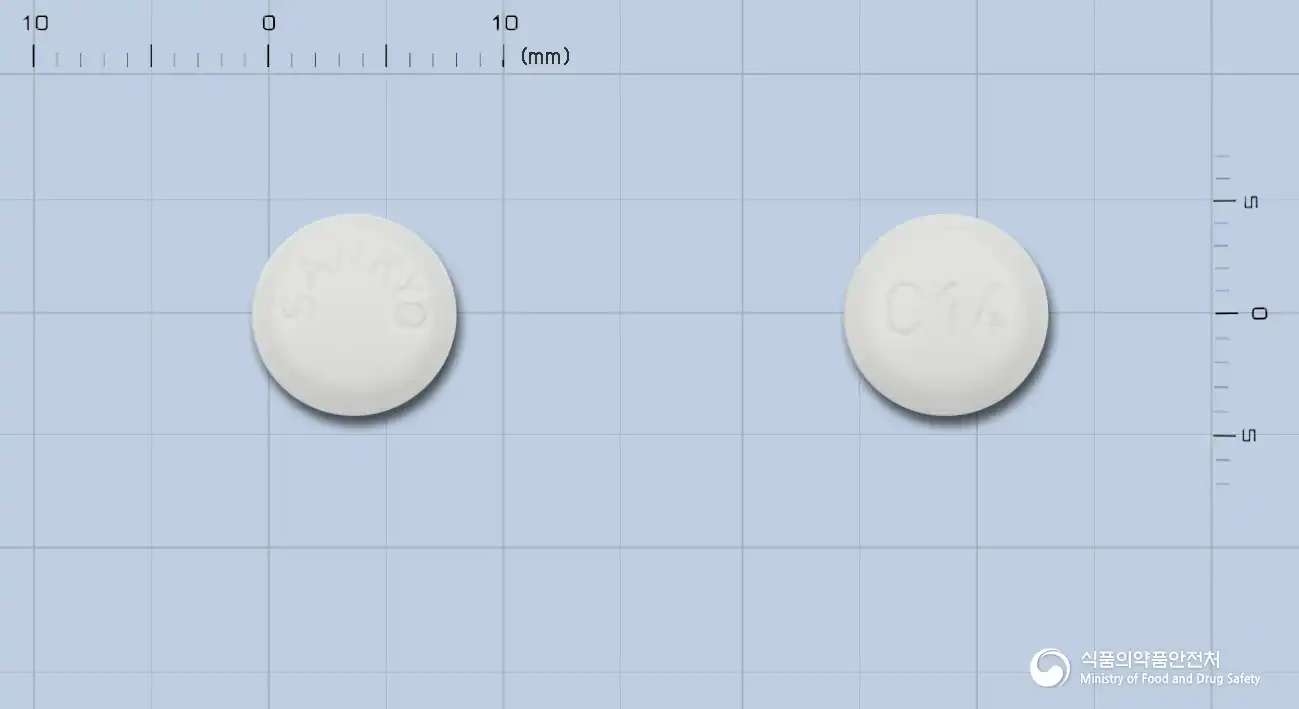
Olmesartan Medoxomil 20mg
Tablet · Prescription medication
Daewoong Pharmaceutical Co., Ltd.
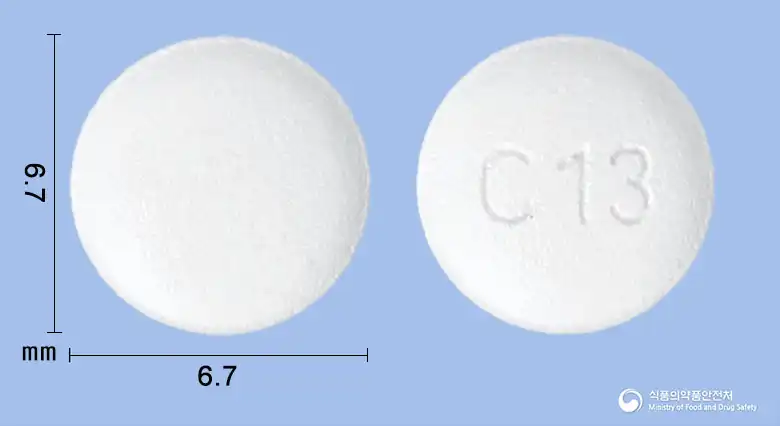
Olmesartan Medoxomil 10mg
Tablet · Prescription medication
Daewoong Pharmaceutical Co., Ltd.
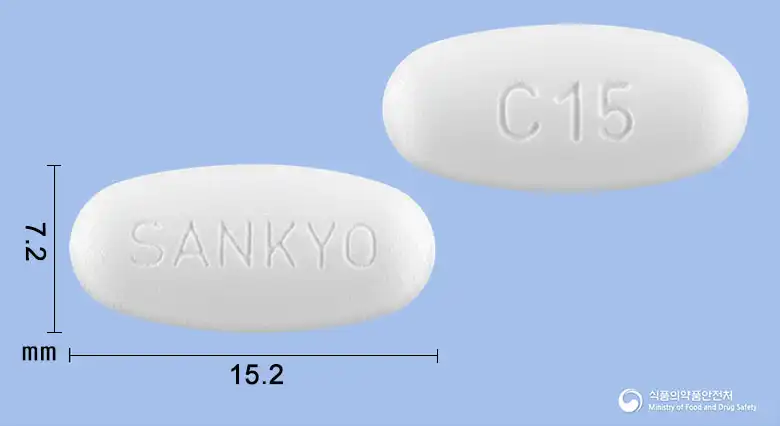
Olmesartan Medoxomil 40mg
Tablet · Prescription medication
Daewoong Pharmaceutical Co., Ltd.
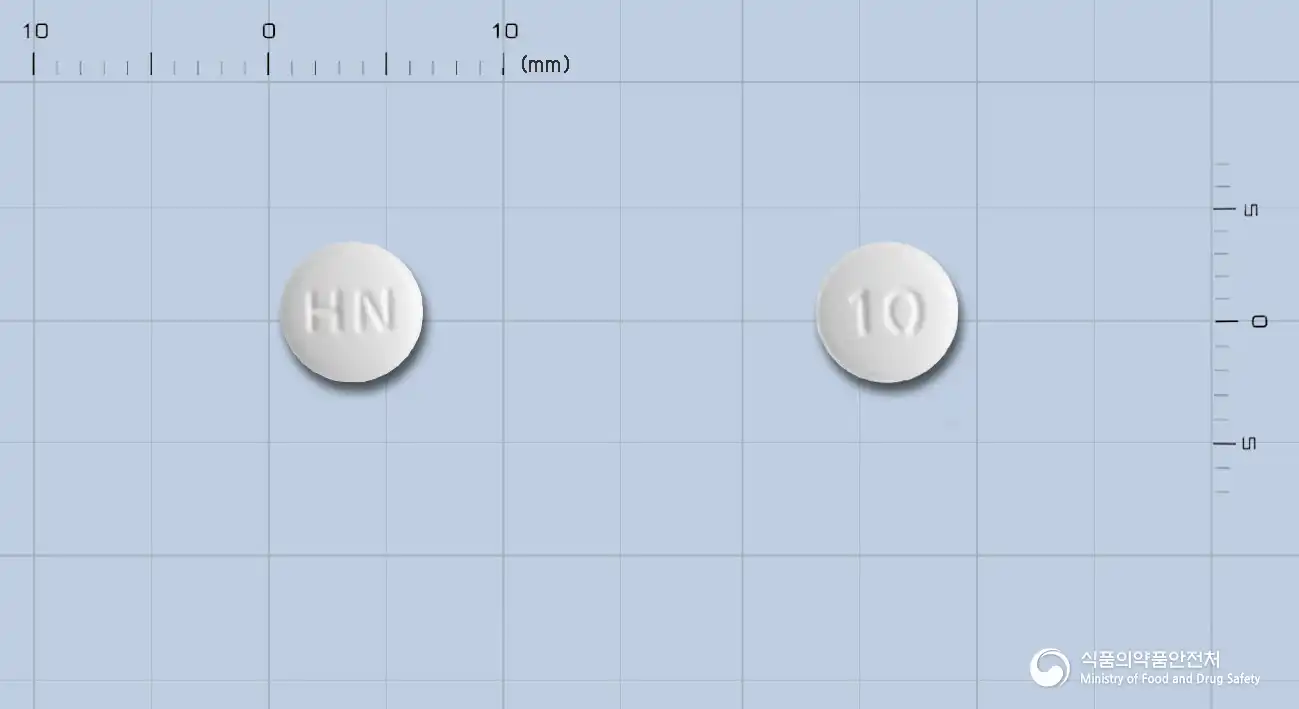
Olmesartan Medoxomil 10mg
Tablet · Prescription medication
Hana Pharmaceutical Co., Ltd.
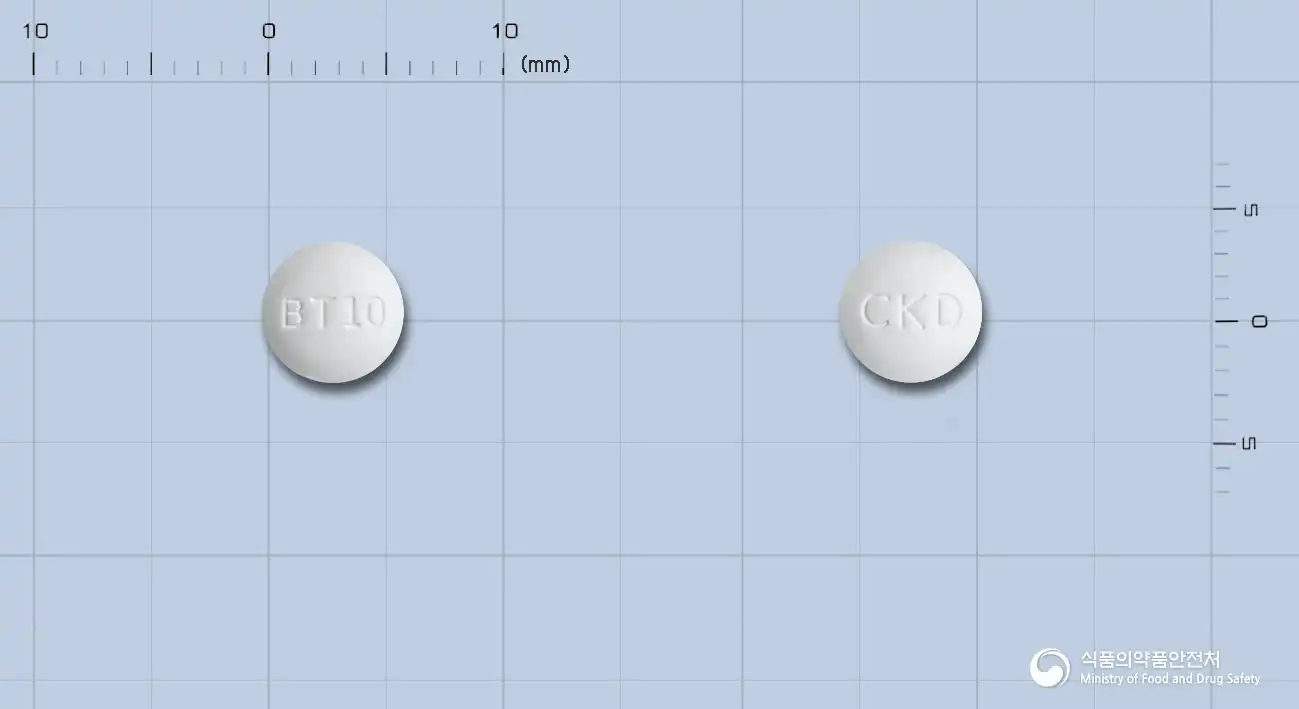
Olmesartan Medoxomil 10mg
Tablet · Prescription medication
Jongkeundang Co., Ltd.
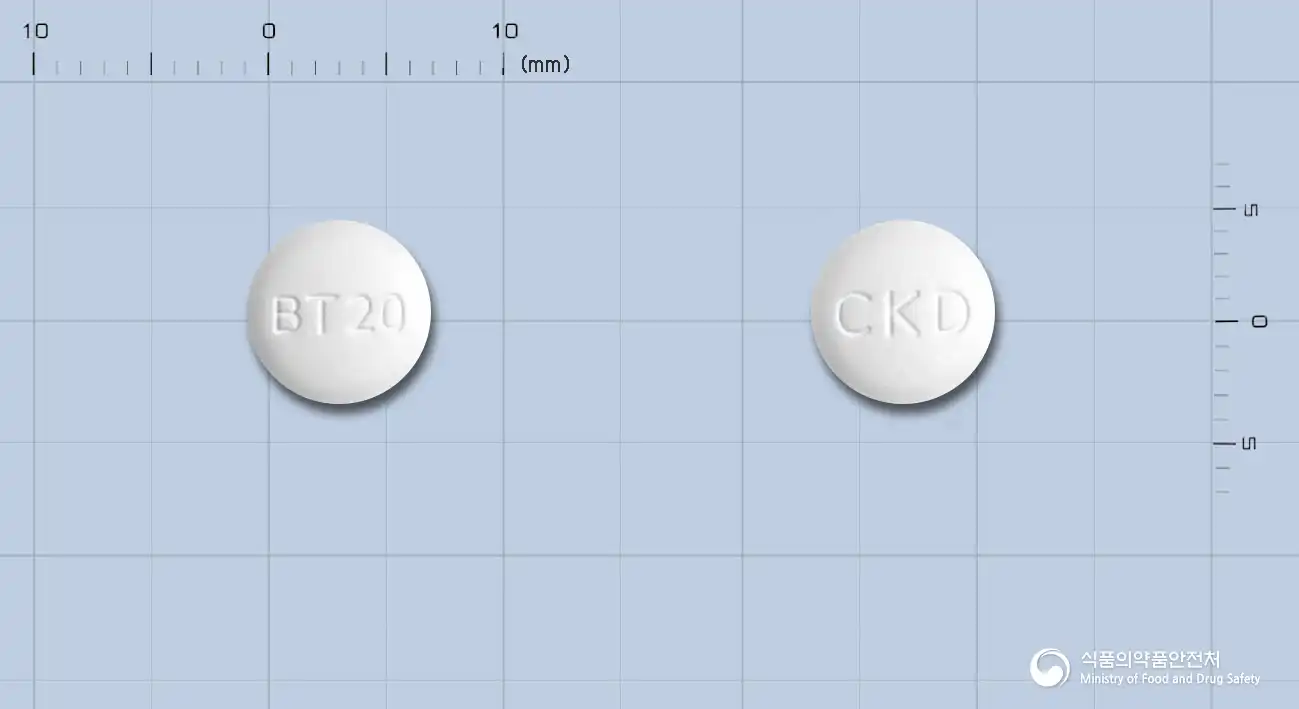
Olmesartan Medoxomil 20mg
Tablet · Prescription medication
Jongkundang Co., Ltd.
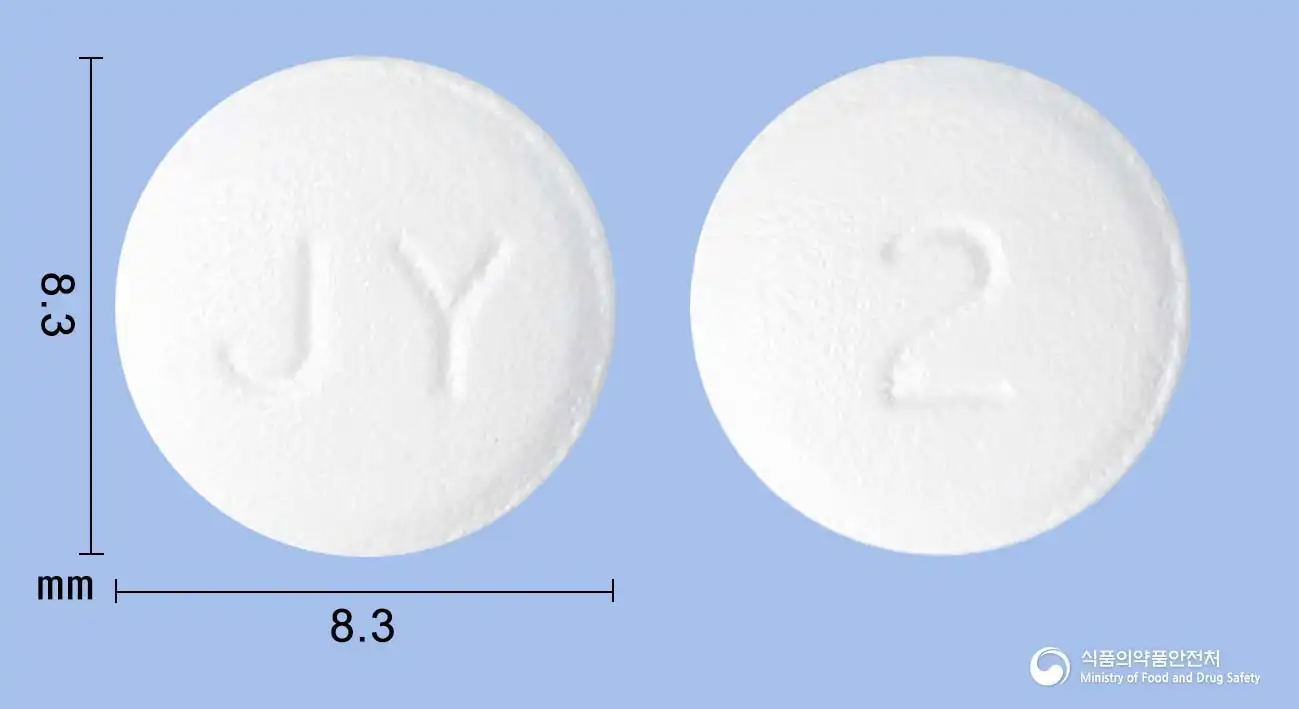
Olmesartan Medoxomil 20mg
Tablet · Prescription medication
Jinyang Pharmaceutical Co., Ltd.
Even with the same ingredient, the dose and directions can differ by strength and dosage form. Talk to a doctor or pharmacist before switching from a medication you are already taking.
No questions yet.
For anything that needs medical judgment, consult a doctor or pharmacist.
This drug information is based on data provided by the Korea Ministry of Food and Drug Safety.
Consult a doctor or pharmacist for accurate dosage, administration, and usage instructions.