
 한국어
한국어 English
 日本語
日本語 中文(简体)
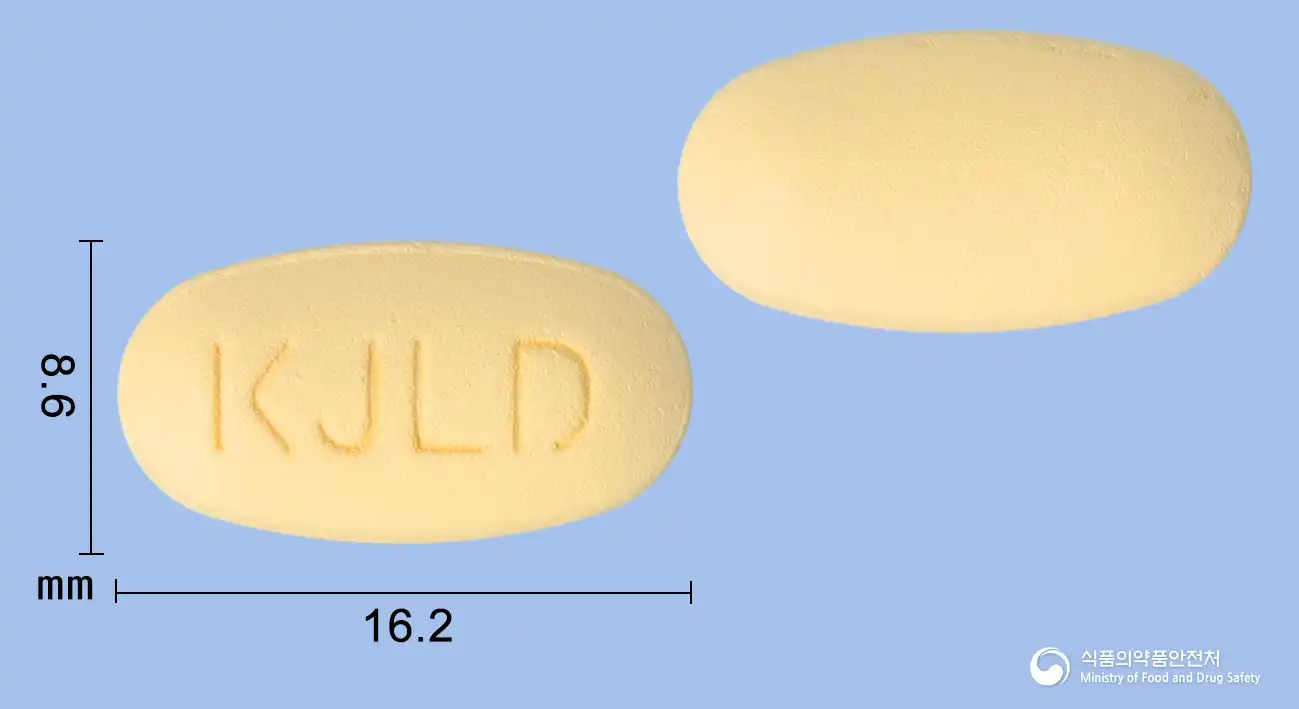
Dosage form image
Viewing nowCombinationGlitinaduo Tablet 2.5/500 mg
Linagliptin 2.5mg · Metformin Hydrochloride 500mg
Tablet · Prescription medication · Combination
Samik Pharmaceutical Co., Ltd.
MFDS item code 201906453 · Approved 2019.09.16
This product's status changed to Expired on 2024.09.16. It may no longer be sold, so consult a doctor or pharmacist before taking it.
Improvement of blood sugar control in adults with type 2 diabetes
This drug aids in the management of blood sugar levels in adults with type 2 diabetes by supplementing dietary and exercise measures. It is particularly used in cases where monotherapy is insufficient for blood sugar control among patients who have not previously undergone diabetes drug therapy. Additionally, it may replace dual therapy with linagliptin and metformin or may be used in conjunction with insulin when blood sugar control is inadequate with insulin and metformin combination therapy. If blood sugar control is not achieved even with maximum doses of metformin and empagliflozin combination therapy, this drug can be administered in combination with empagliflozin to help manage blood sugar levels. This drug is effectively used in a variety of cases for enhancing blood sugar control.
This drug is taken twice a day with meals. 1. If currently not treated with metformin: Start with an initial dose of 2.5/500 mg, taking 1 tablet twice a day, and may increase to 2.5/1000 mg, taking 1 tablet twice a day. 2. When switching from combination therapy of linagliptin and metformin: Patients switching from existing doses of linagliptin and metformin should take the same dose as previously.
This drug contains metformin hydrochloride and linagliptin, and particular caution is required as metformin hydrochloride can cause serious side effects such as lactic acidosis. Lactic acidosis is a rare but potentially fatal metabolic complication, and the risk increases in cases of impaired kidney function or acute diseases such as cardiopulmonary disorders or sepsis. This drug should not be administrated to certain patients, for example, individuals who are allergic to the components of this drug or those with type 1 diabetes, severe renal impairment, acute alcohol intoxication, pregnant or breastfeeding women. When using this drug, be vigilant for hypoglycemic symptoms, particularly if taken with other medications that may induce hypoglycemia, such as sulfonylureas or insulin, necessitating frequent checks of blood sugar levels and dosage adjustments if needed. Since kidney function is related to the excretion of this drug, regular kidney function tests should be performed before and during treatment, and this drug should not be used in cases of severe renal impairment. Patients with compromised heart function or those with acute heart failure must also exercise caution when using this drug, particularly monitoring cardiac and renal function closely. Prior to and after radiological examinations involving intravenous administration of iodinated contrast media, the use of this drug should be suspended for a certain period due to the increased risk of renal impairment and lactic acidosis, and kidney function should be re-evaluated. Patients undergoing surgery should discontinue this drug 48 hours prior to the surgery and resume use only after recovery of renal function is confirmed. During treatment, acute pancreatitis or skin disorders such as bullous pemphigoid may occur; immediate medical advice should be sought if severe abdominal pain, skin rashes, or blisters arise. The metformin component may decrease vitamin B12 levels during long-term use; therefore, patients with anemia or neurological symptoms should be tested for vitamin B12 levels and supplementation may be necessary. This drug may interact with other medications; careful management is required, especially when co-administered with drugs affecting renal function or those that enhance or diminish blood-sugar-lowering effects. Women who are pregnant or possibly pregnant are advised against taking this drug, and breastfeeding women should also avoid it. This drug is not recommended for children under 10 years of age, or adolescents aged 10 to 17 years due to confirmed lack of safety and efficacy. Elderly patients are at higher risk of decreased renal function and should start at the lowest dose, with regular monitoring of kidney function. In cases of overdose, there is a risk of lactic acidosis, and immediate hospital treatment is necessary, including the possibility of blood dialysis.
Hives, angioedema, lactic acidosis, angioedema, hypoglycemia when taken with sulfonylureas or insulin, pancreatitis, bullous pemphigoid, abnormal liver function (abnormal liver function tests, hepatitis), angioedema, erythema, rash, respiratory distress, asthma attack, acute renal failure, acute kidney injury, acute myocardial infarction, cardiac arrest, unstable angina pectoris, congestive heart failure, cardiac arrest, acute cholangitis, acute cholecystitis.
Hypoglycemia, taste disorder, cough, decreased appetite, diarrhea, constipation, nausea, vomiting, abdominal pain, oral ulcer formation, decreased and deficiency of vitamin B12, abnormal liver function tests, hepatitis, pruritus, erythema, rash, severe and disabling arthralgia, musculoskeletal and connective tissue disorders, increased lipase, increased amylase, increased triglycerides in the blood, dizziness, drowsiness, itching, insomnia, depression, hypertension, vertigo, palpitations.
Not everyone experiences these, and they can vary from person to person.
This drug is sensitive to air and moisture, so it must be stored in a tightly sealed container. It is best stored at room temperature, between 1 and 30 degrees Celsius, to maintain its efficacy for an extended period.
Bright yellow, bilaterally convex, oval film-coated tablets
60 tablets (10 tablets/PTP x 6)
Even with the same ingredient, strength, dosage form and how it is taken can differ.
Linagliptin 2.5mg · Metformin Hydrochloride 500mg
Tablet · Prescription medication · Combination
Samik Pharmaceutical Co., Ltd.
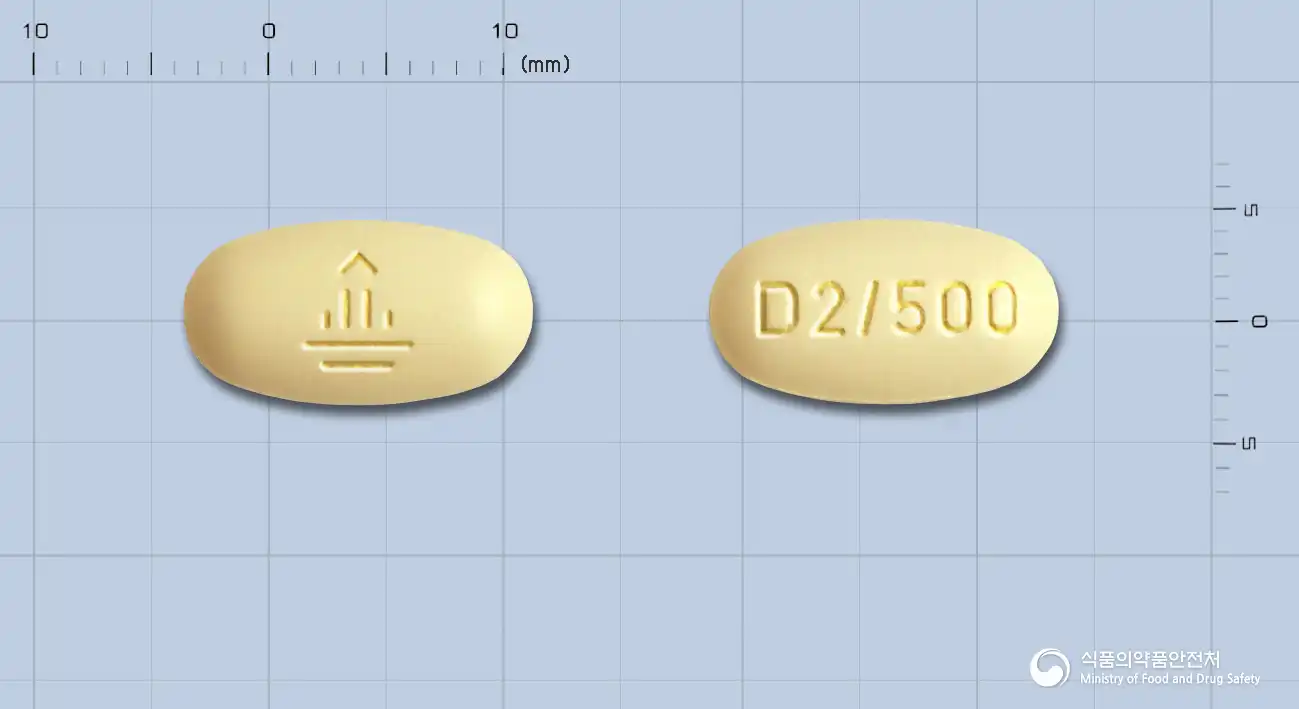 Combination
Linagliptin 2.5mg · Metformin Hydrochloride 500mg
Tablet · Prescription medication · Combination
Boehringer Ingelheim Korea Co., Ltd.
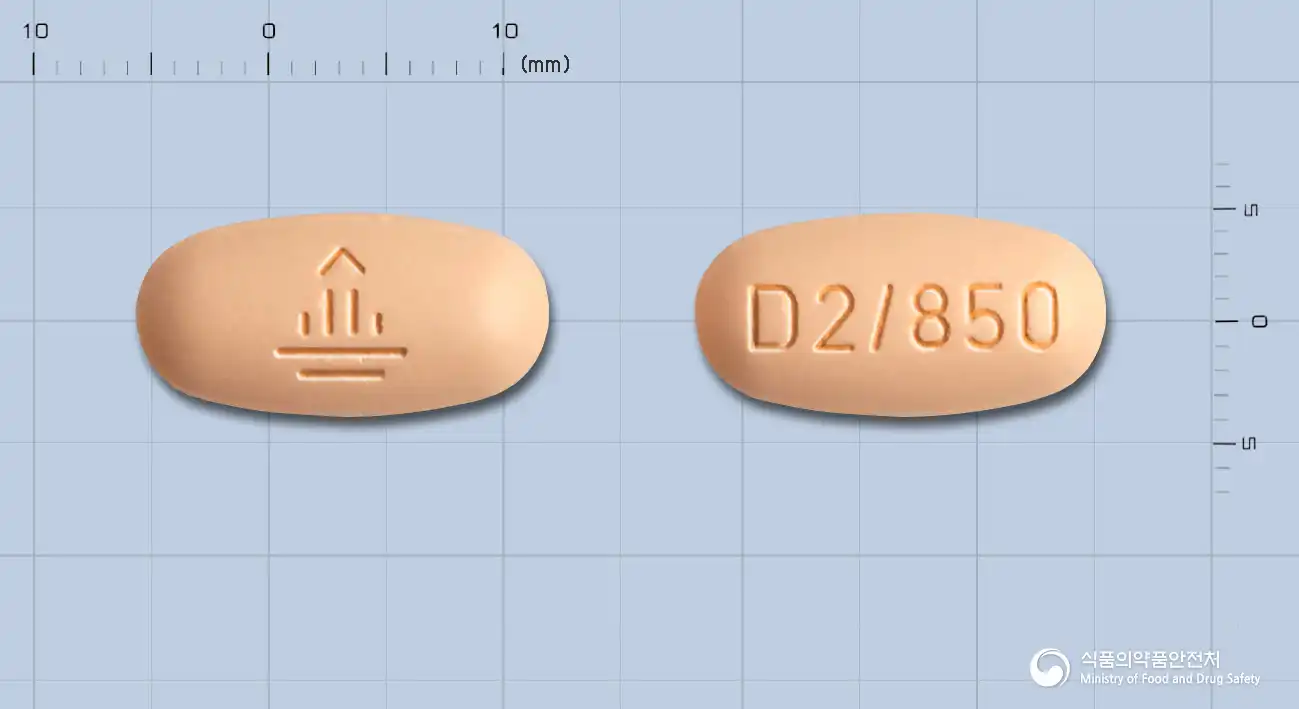 Combination
Linagliptin 2.5mg · Metformin Hydrochloride 850mg
Tablet · Prescription medication · Combination
Boehringer Ingelheim Korea Co., Ltd.
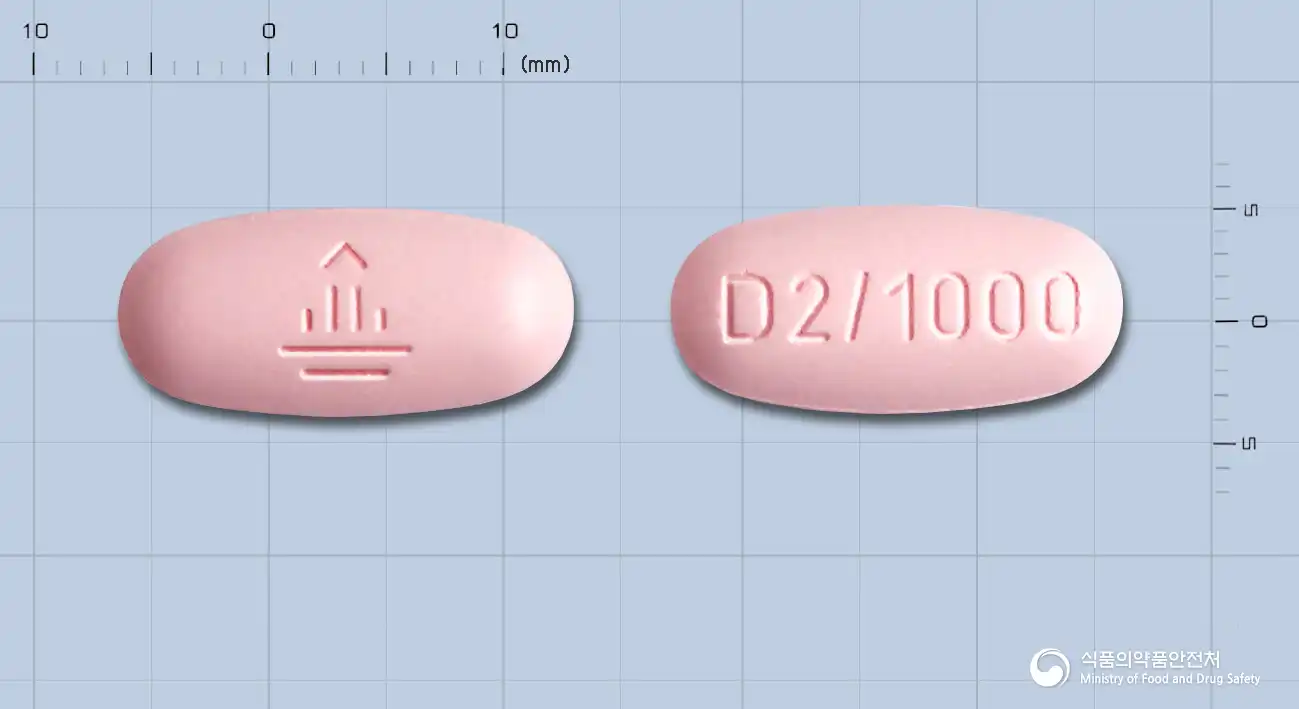 Combination
Linagliptin 2.5mg · Metformin Hydrochloride 1000mg
Tablet · Prescription medication · Combination
Boehringer Ingelheim Korea Co., Ltd.
Linagliptin 2.5mg · Metformin Hydrochloride 1000mg
Tablet · Prescription medication · Combination
Anguk Pharm Co., Ltd.
Linagliptin 2.5mg · Metformin Hydrochloride 1000mg
Prescription medication · Combination
Hanmi Pharmaceutical Co., Ltd.
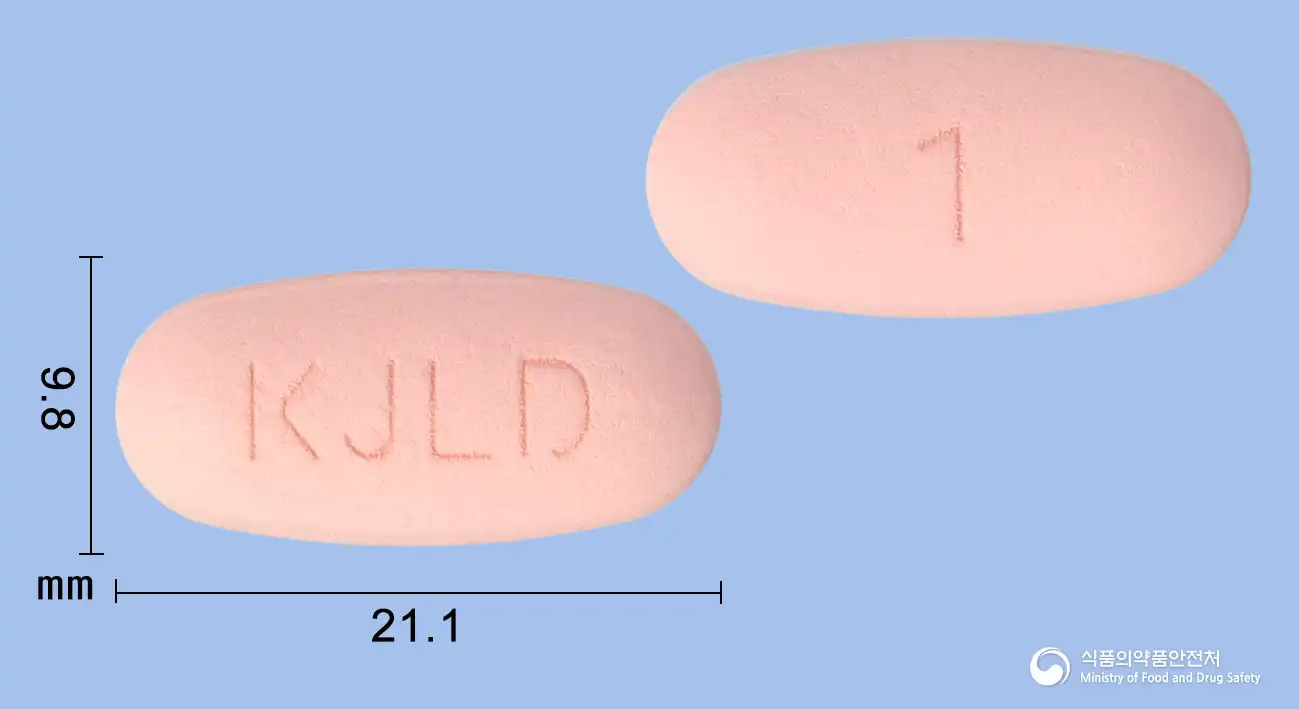 Combination
Linagliptin 2.5mg · Metformin Hydrochloride 1000mg
Tablet · Prescription medication · Combination
Kukje Pharmaceutical Co., Ltd.
 Combination
Linagliptin 2.5mg · Metformin Hydrochloride 500mg
Tablet · Prescription medication · Combination
International Pharmaceutical Co., Ltd.
Even with the same ingredient, the dose and directions can differ by strength and dosage form. Talk to a doctor or pharmacist before switching from a medication you are already taking.
No questions yet.
For anything that needs medical judgment, consult a doctor or pharmacist.
This drug information is based on data provided by the Korea Ministry of Food and Drug Safety.
Consult a doctor or pharmacist for accurate dosage, administration, and usage instructions.