
 한국어
한국어 English
 日本語
日本語 中文(简体)
Dosage form image
Viewing nowCombinationGlytiNa Duo Tablets 2.5/850mg
Linagliptin 2.5mg · Metformin Hydrochloride 850mg
Tablet · Prescription medication · Combination
Samik Pharmaceutical Co., Ltd.
MFDS item code 201906452 · Approved 2019.09.16
This product's status changed to Expired on 2024.09.16. It may no longer be sold, so consult a doctor or pharmacist before taking it.
Improvement of blood glucose control in adults with type 2 diabetes
This drug is used in conjunction with diet and exercise to help control blood glucose in adult patients with type 2 diabetes. It may be prescribed for those who have never used diabetes medications before or have difficulty controlling blood sugar with monotherapy. Additionally, this drug can be used when metformin alone is insufficiently effective. It can also be added to the combination of linagliptin and metformin when blood sugar is not adequately controlled with metformin along with sulfonylureas or insulin. This drug can also be used in cases where it is necessary to enhance blood glucose control in combination with empagliflozin. In short, this drug helps improve blood glucose control at various treatment stages.
The dosage of this drug is determined based on each component's maximum recommended dosage of linagliptin 2.5 mg and metformin 1000 mg, not exceeding two doses per day, considering each patient's current treatment regimen, efficacy, and tolerability. This drug is administered in two doses per day with meals. 1. If not currently being treated with metformin: Take this drug 2.5/500 mg two times a day, one tablet per dose. 2.
This drug can cause serious metabolic complications known as lactic acidosis, and it should not be administered to patients with impaired kidney function or acute illnesses. It is not safe to use in patients with type 1 diabetes or in pregnant or breastfeeding women. When used in conjunction with sulfonylureas or insulin, there is a risk of hypoglycemia, so blood glucose changes should be monitored closely while taking this medication. Elderly patients or those with kidney disease should undergo regular kidney function tests and this drug should not be used if kidney function is severely impaired. In cases of acute myocardial infarction, shock, severe infections, or other situations where the body condition deteriorates rapidly, the intake of this medication should be temporarily suspended. Caution should also be exercised in patients with liver dysfunction and if symptoms of liver dysfunction develop, medical consultation should be sought immediately. Patients with alcohol abuse or acute alcohol intoxication are at increased risk of lactic acidosis if they take this medication and should avoid it. During treatment, acute pancreatitis or skin conditions such as bullous pemphigoid may occur, and in case of persistent severe abdominal pain or development of vesicles on the skin, immediate medical attention is required. Vitamin B12 levels may decrease, so regular monitoring for vitamin B12 deficiency is necessary with long-term use. This drug may interact with other medications, so if taking other medications, it's crucial to consult with a physician or pharmacist. Pregnant women or those who might become pregnant should avoid using this medication and consider alternative treatments for blood glucose control. It is not recommended for children under 10 years old, and safety and efficacy have not been fully established for children aged 10 to 17. Elderly patients are more prone to impaired kidney function, so it is important to start with the minimum dosage and regularly monitor kidney function. In case of overdose, there is a risk of lactic acidosis, and immediate medical treatment is necessary, which may include hemodialysis. This medication should be stored out of reach of children, kept away from moisture, and should not be transferred to different containers.
Urticaria, angioedema, lactic acidosis, pancreatitis, bullous pemphigoid, liver dysfunction (abnormal liver function tests, hepatitis), angina, acute myocardial infarction, unstable angina, cardiac arrest, congestive heart failure, asthma, dyspnea, pneumonia, acute kidney injury, end-stage renal disease, acute cholangitis, acute cholecystitis, cholangitis, acute pyelonephritis, sepsis, angioedema, severe and debilitating arthralgia, subdural effusion, cerebral infarction, rash
Not everyone experiences these, and they can vary from person to person.
This drug may be sensitive to air and moisture, so it is important to store it in a sealed container. Additionally, the medication should be stored at room temperature, specifically between 1 to 30 degrees Celsius, to maintain its efficacy.
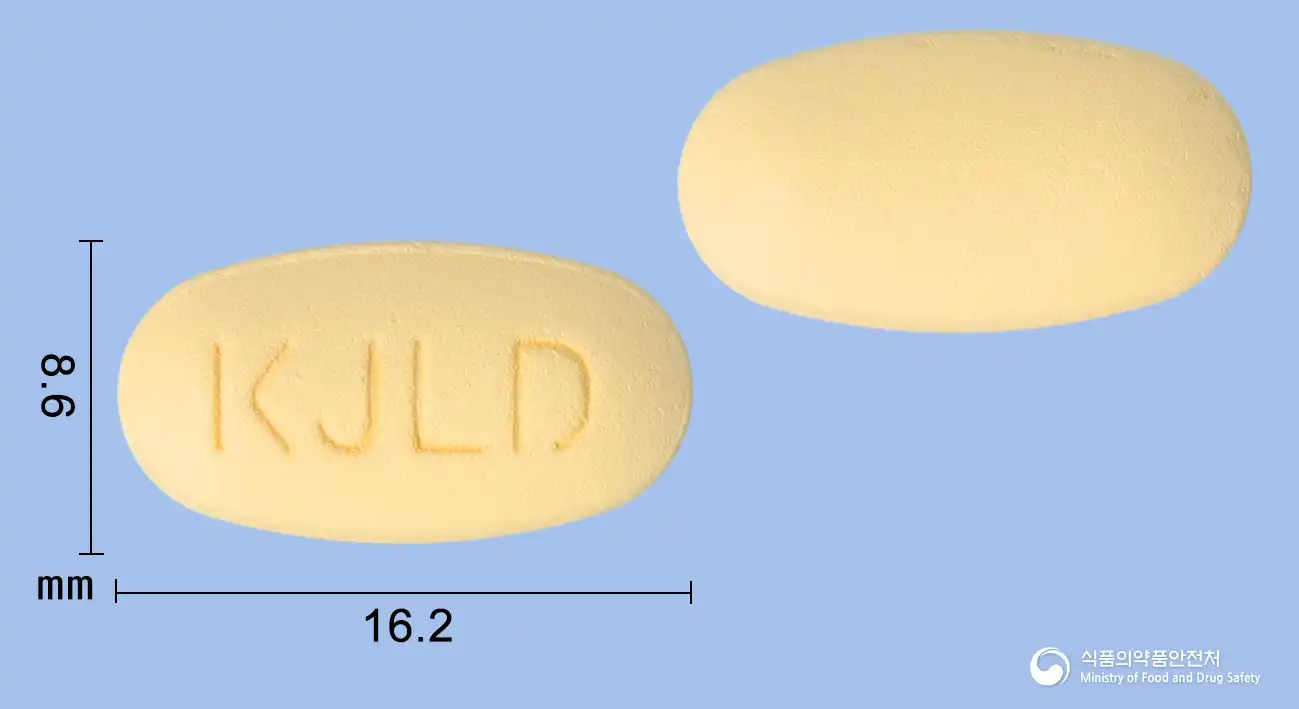
Bright orange, biconvex, oval-shaped film-coated tablet
60 tablets (10 tablets/PTPX6)
Even with the same ingredient, strength, dosage form and how it is taken can differ.
Linagliptin 2.5mg · Metformin Hydrochloride 850mg
Tablet · Prescription medication · Combination
Samik Pharmaceutical Co., Ltd.
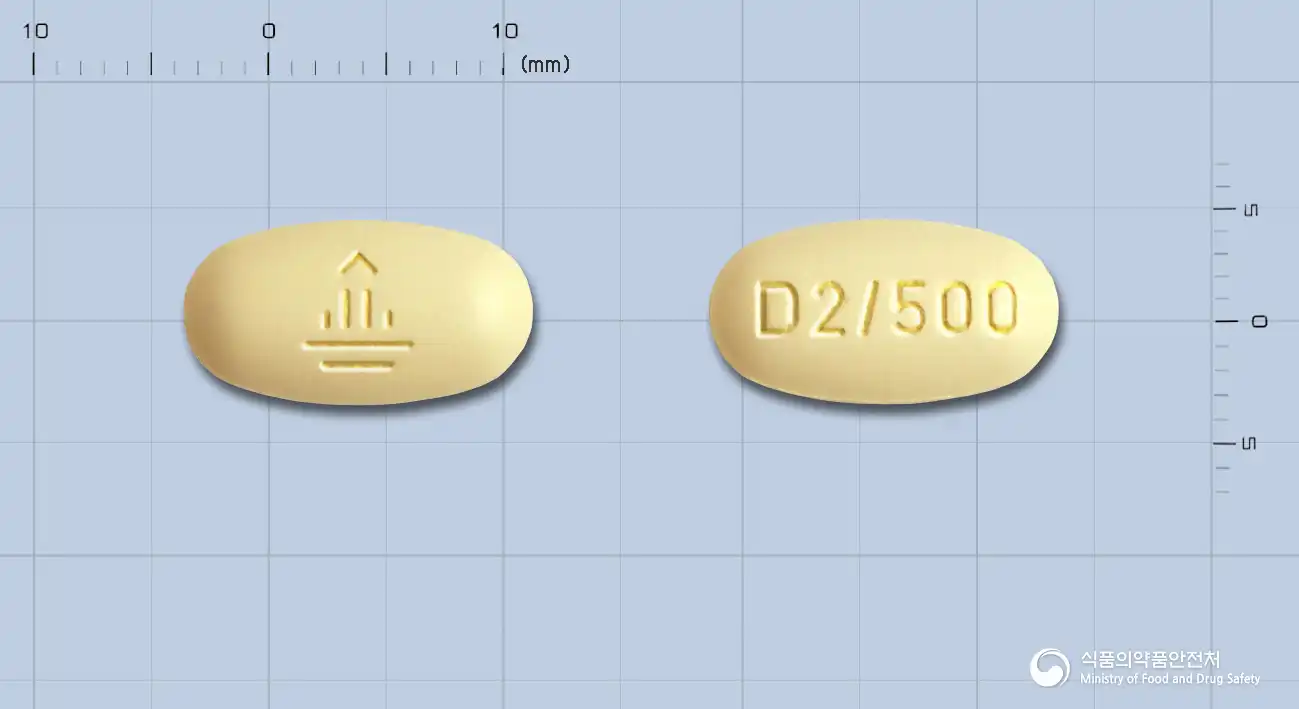 Combination
Linagliptin 2.5mg · Metformin Hydrochloride 500mg
Tablet · Prescription medication · Combination
Boehringer Ingelheim Korea Co., Ltd.
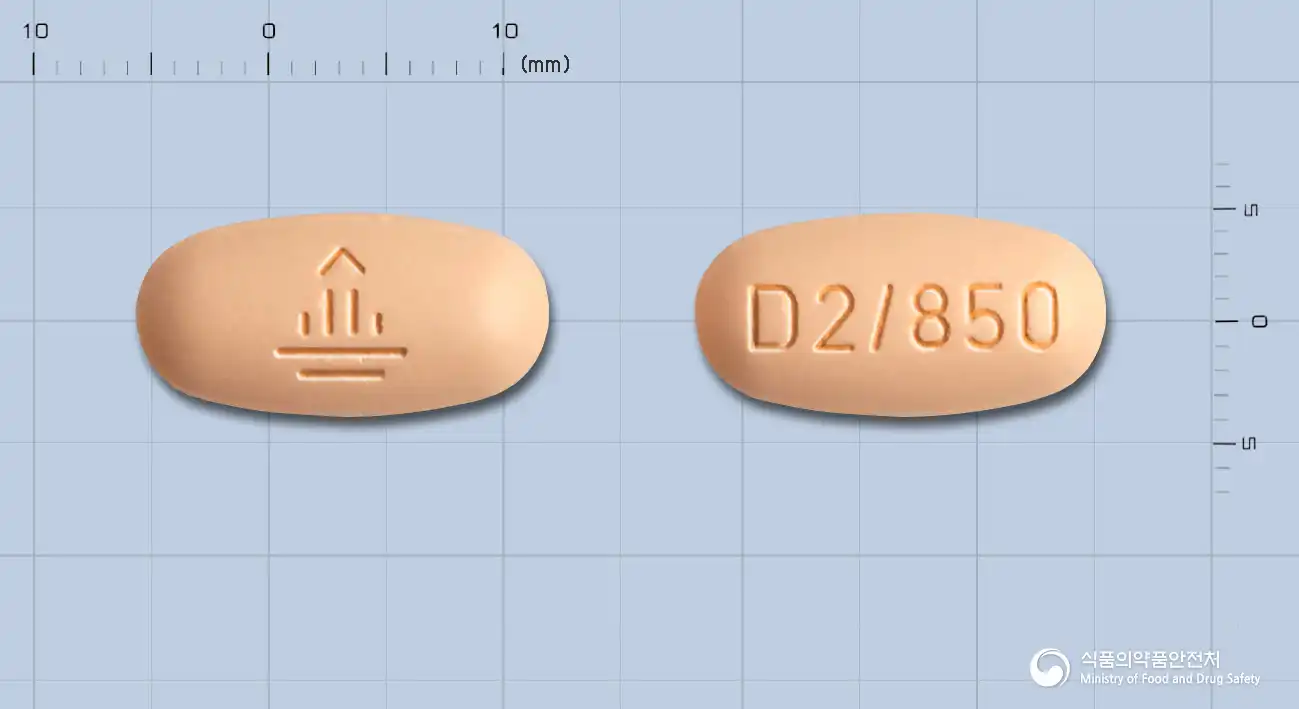 Combination
Linagliptin 2.5mg · Metformin Hydrochloride 850mg
Tablet · Prescription medication · Combination
Boehringer Ingelheim Korea Co., Ltd.
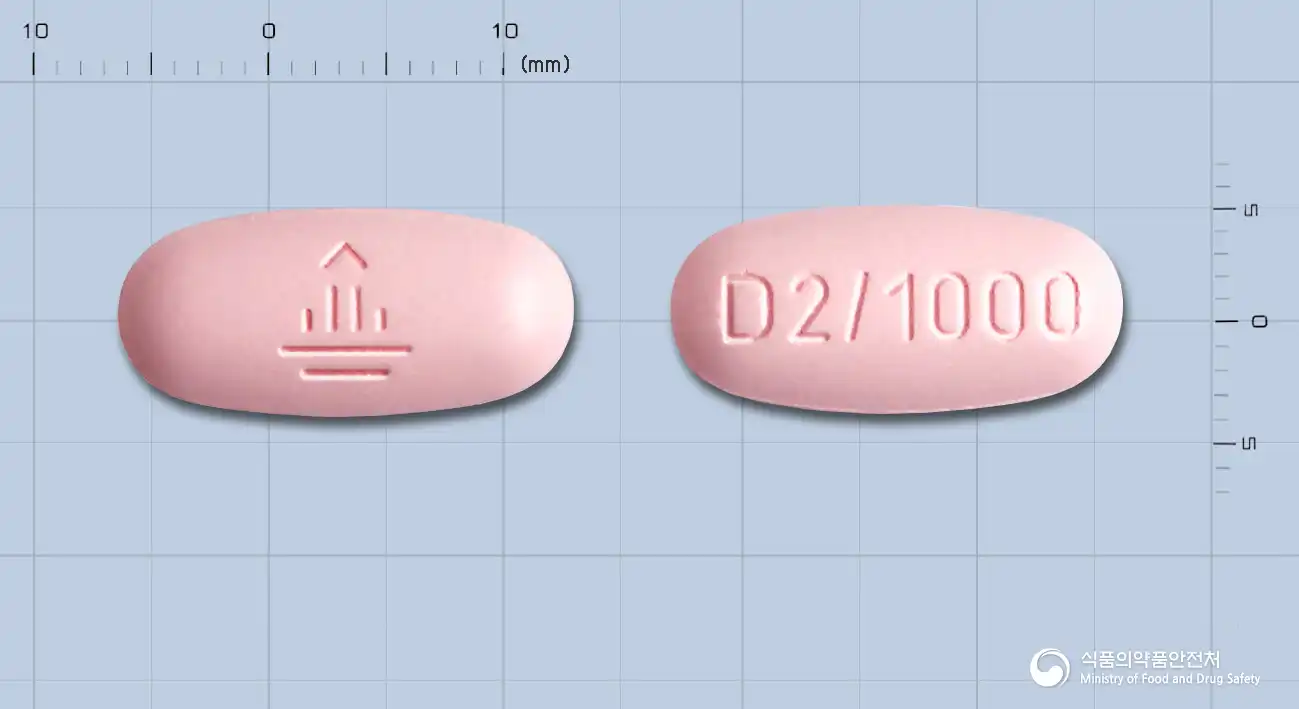 Combination
Linagliptin 2.5mg · Metformin Hydrochloride 1000mg
Tablet · Prescription medication · Combination
Boehringer Ingelheim Korea Co., Ltd.
Linagliptin 2.5mg · Metformin Hydrochloride 1000mg
Tablet · Prescription medication · Combination
Anguk Pharm Co., Ltd.
Linagliptin 2.5mg · Metformin Hydrochloride 1000mg
Prescription medication · Combination
Hanmi Pharmaceutical Co., Ltd.
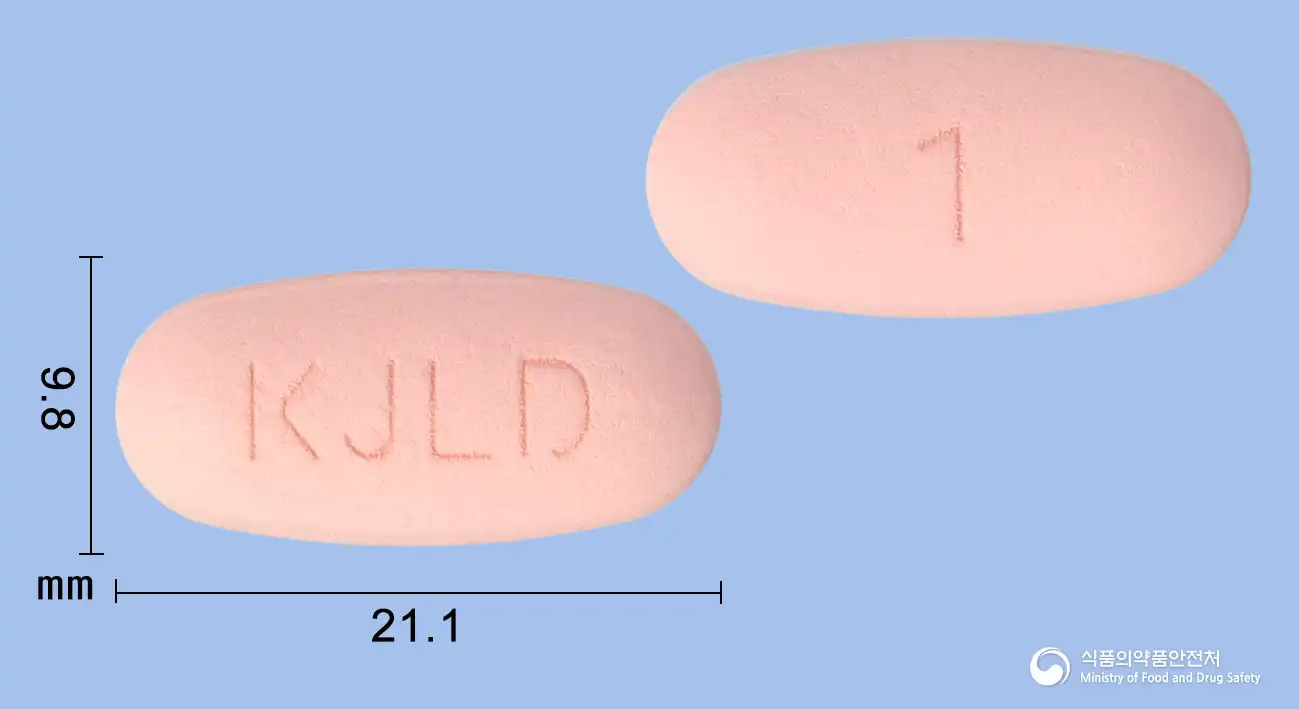 Combination
Linagliptin 2.5mg · Metformin Hydrochloride 1000mg
Tablet · Prescription medication · Combination
Kukje Pharmaceutical Co., Ltd.
 Combination
Linagliptin 2.5mg · Metformin Hydrochloride 500mg
Tablet · Prescription medication · Combination
International Pharmaceutical Co., Ltd.
Even with the same ingredient, the dose and directions can differ by strength and dosage form. Talk to a doctor or pharmacist before switching from a medication you are already taking.
No questions yet.
For anything that needs medical judgment, consult a doctor or pharmacist.
This drug information is based on data provided by the Korea Ministry of Food and Drug Safety.
Consult a doctor or pharmacist for accurate dosage, administration, and usage instructions.