
 한국어
 English
 日本語
 中文(简体)
 Viewing now
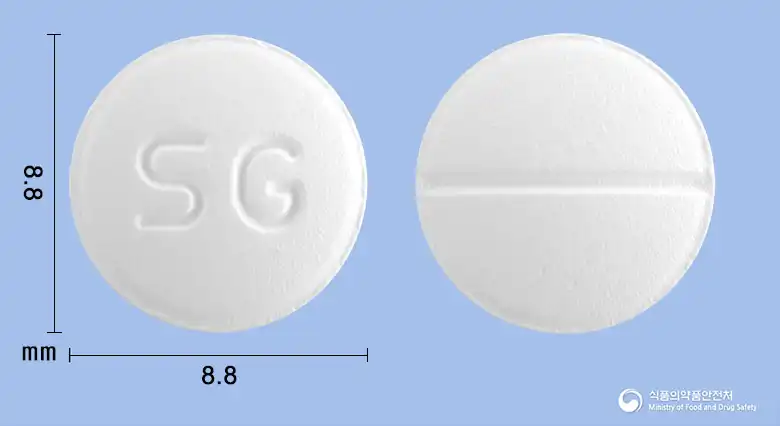
Saplit Tablet 100 mg (Sarpogrelate Hydrochloride)
Sarpogrelate Hydrochloride 100mg
Tablet · Prescription medication
Boryeong Biopharma Co., Ltd.
MFDS item code 201906437 · Approved 2019.09.11 · Insurance code 670501850
Improvement of ischemic symptoms (e.g., ulcers and pain) associated with chronic arterial occlusive disease
This medication is used to improve ischemic symptoms such as ulcers, pain, and cold sensation caused by chronic arterial occlusive disease. It helps alleviate issues arising from vascular diseases such as Buerger's disease, obstructive arteriosclerosis, and diabetic peripheral vascular disease. This promotes peripheral blood circulation and effectively reduces patient discomfort.
Adults: Administer 100 mg of sarpogrelate hydrochloride orally per dose 3 times daily after meals. The dose may be increased or decreased as appropriate according to symptoms.
This medication should not be used in patients with bleeding, as it may increase the risk of bleeding. Special caution is required for patients with bleeding-related diseases such as hemophilia or gastrointestinal ulcers. It is safer for women who are pregnant or may become pregnant to avoid taking this medication. Since this medication contains lactose, patients with lactose intolerance or related genetic disorders should avoid it. Women during menstruation or patients at risk of bleeding should use this medication cautiously. Patients taking anticoagulants or antiplatelet agents should also be cautious, as the risk of bleeding may increase. Individuals with severe kidney disease should be careful, as drug excretion may be affected. The elderly should start with a lower dose due to decreased kidney and liver function, and their condition should be closely monitored. This medication may cause serious side effects such as bleeding, blood disorders, or liver dysfunction, and if any abnormal symptoms occur, discontinue use immediately and consult a healthcare professional. Various side effects such as skin rash, itching, indigestion, headache, and dizziness may occur, so symptoms should be closely monitored. Regular blood tests are recommended to check for adverse reactions during the use of this medication. If taken with anticoagulants or antiplatelet agents, be sure to inform medical personnel, as the risk of bleeding may increase. Women who are pregnant or breastfeeding are advised not to take this medication, and if unavoidable, should avoid breastfeeding. The safety of this medication in children has not been established due to a lack of usage experience, so it is advisable not to administer it to children. This medication should be kept out of reach of children, and care should be taken not to transfer it to another container, as this may affect quality.
Not everyone experiences these, and they can vary from person to person.
This medication should be stored in a tightly sealed container to protect it from air and moisture. It is best to maintain a storage temperature between 1 and 30 degrees Celsius. Proper storage helps preserve the medication's effectiveness.
White round film-coated tablets
30 tablets/bottle, 100 tablets/bottle
Even with the same ingredient, strength, dosage form and how it is taken can differ.
Viewing nowSarpogrelate Hydrochloride 100mg
Tablet · Prescription medication
Boryeong Biopharma Co., Ltd.
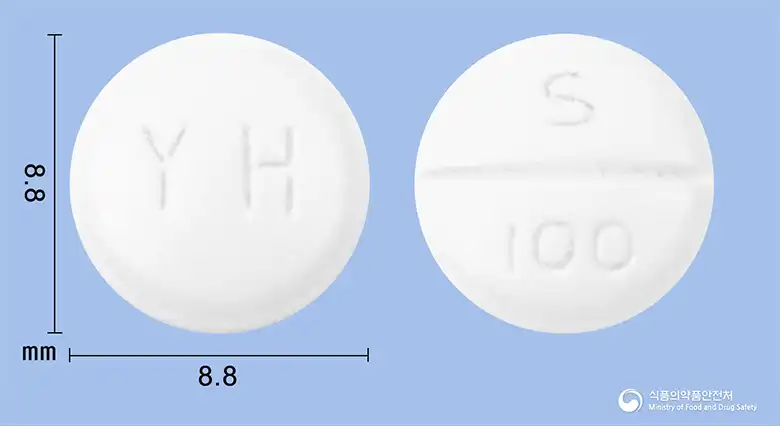
Sarpogrelate Hydrochloride 100mg
Tablet · Prescription medication
Yuhan Corporation
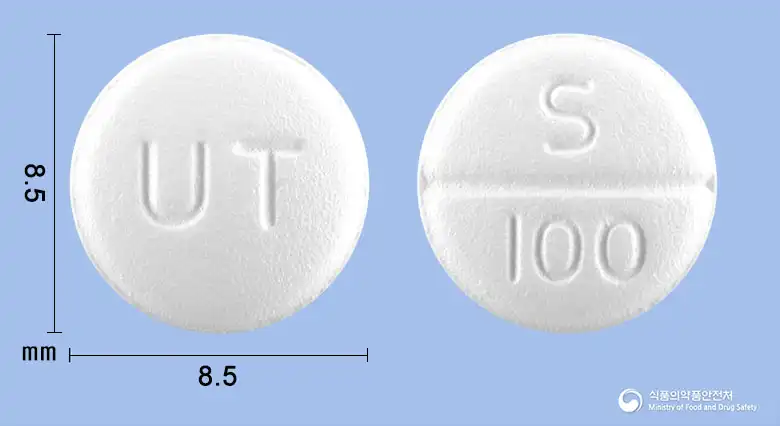
Sarpogrelate Hydrochloride 100mg
Tablet · Prescription medication
Korea United Pharmaceutical Co., Ltd.
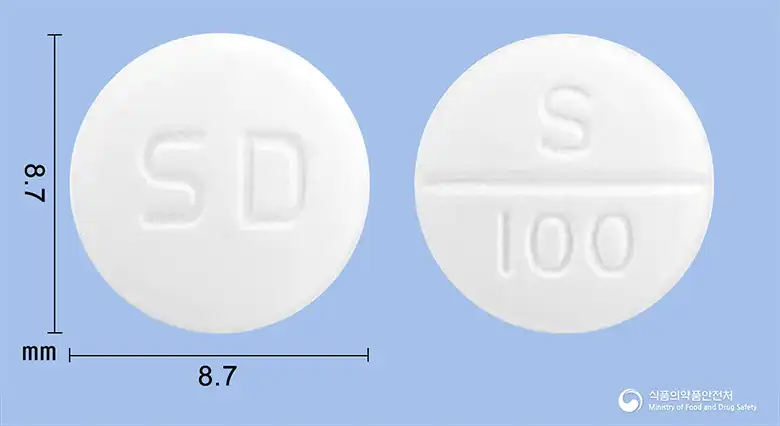
Sarpogrelate Hydrochloride 100mg
Tablet · Prescription medication
(Co., Ltd.) Pharmgen Science
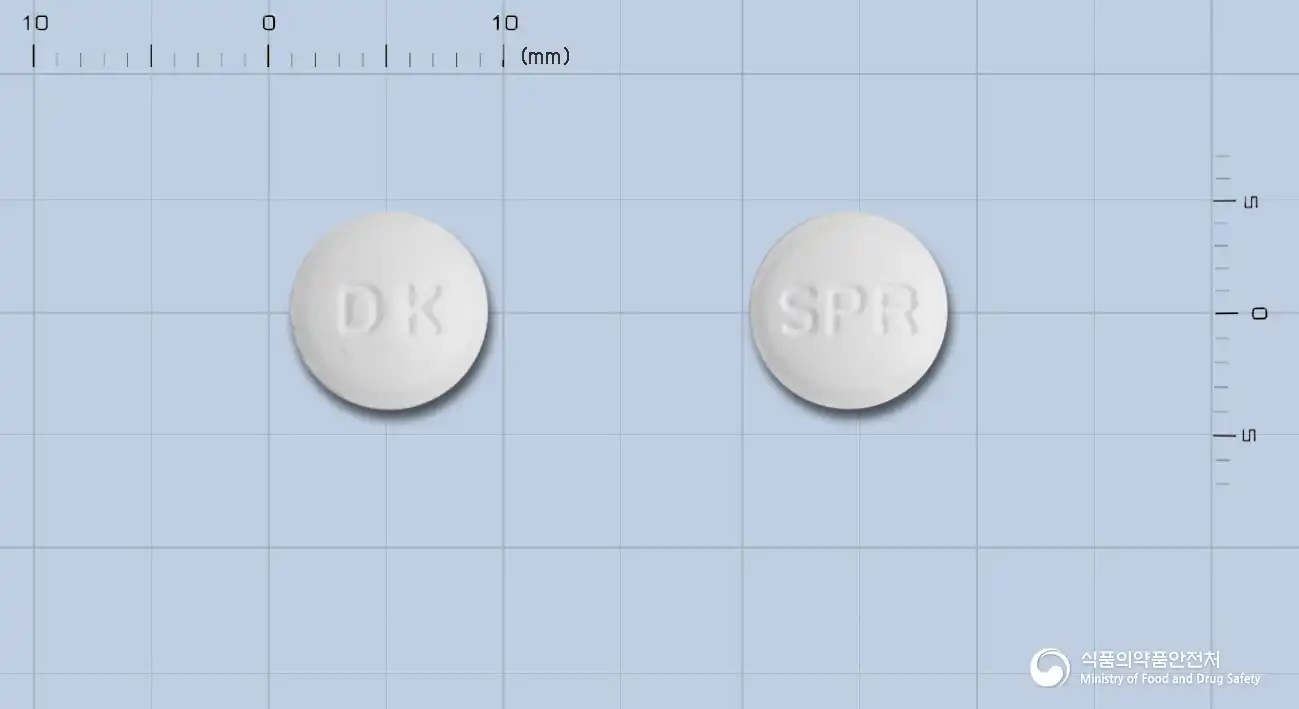
Sarpogrelate Hydrochloride 100mg
Tablet · Prescription medication
Dongkook Pharmaceutical Co., Ltd.
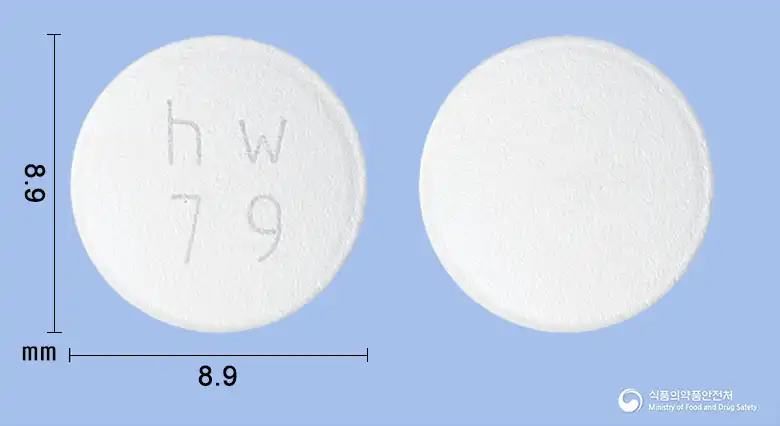
Sarpogrelate Hydrochloride 100mg
Tablet · Prescription medication
Haewon Pharmaceutical Co., Ltd.
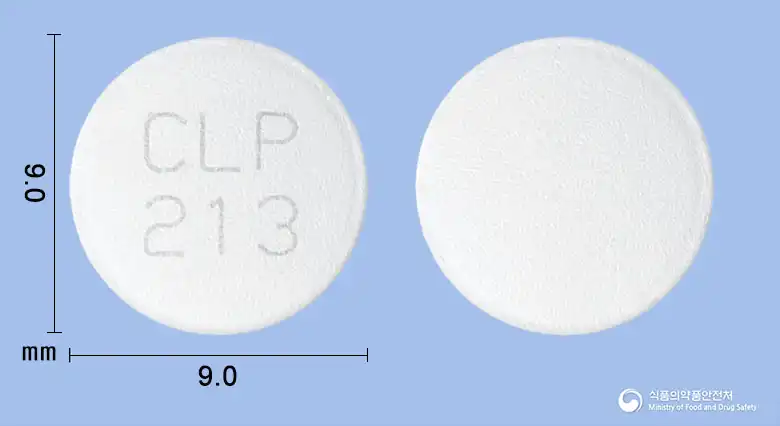
Sarpogrelate Hydrochloride 100mg
Tablet · Prescription medication
Celltrion Pharmaceutical Co., Ltd.
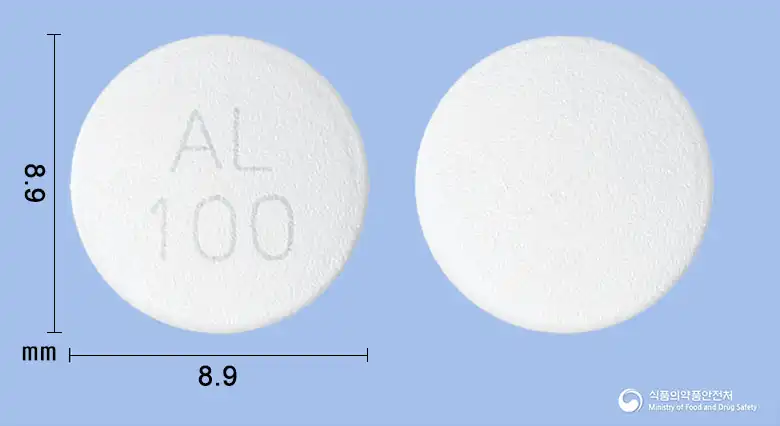
Sarpogrelate Hydrochloride 100mg
Tablet · Prescription medication
Allico Pharmaceuticals Co., Ltd.
Even with the same ingredient, the dose and directions can differ by strength and dosage form. Talk to a doctor or pharmacist before switching from a medication you are already taking.
No questions yet.
For anything that needs medical judgment, consult a doctor or pharmacist.
This drug information is based on data provided by the Korea Ministry of Food and Drug Safety.
Consult a doctor or pharmacist for accurate dosage, administration, and usage instructions.