
 한국어
 English
 日本語
 中文(简体)
Dosage form image
Viewing nowCombinationHanbika Tablet 5/20 mg
Amlodipine Besylate 6.944mg · Olmesartan Medoxomil 20mg
Tablet · Prescription medication · Combination
(Co., Ltd.) Hanpung Pharmaceutical
MFDS item code 201906358 · Approved 2019.09.09
This product's status changed to Expired on 2024.09.09. It may no longer be sold, so consult a doctor or pharmacist before taking it.
Treatment of essential hypertension not controlled with monotherapy
This medication is used to effectively lower blood pressure in patients with essential hypertension who do not achieve sufficient blood pressure control with monotherapy of either amlodipine or olmesartan medoxomil. This helps reduce the risk of cardiovascular diseases and improve the patient's health.
Take 1 tablet once daily with water, with or without food. If possible, it is recommended to take it at the same time each day (e.g., in the morning). Before administering this medicine, it is recommended that the doses of the individual components (amlodipine or olmesartan medoxomil) be adjusted; however, if blood pressure is not controlled with monotherapy using the individual components, a direct switch to this medicine may be considered. The maximum dose of this medicine is 10/40 mg. Since the maximum blood pressure-lowering effect occurs within 2 weeks of administration, adjust the dose at intervals of at least 2 weeks, taking the patient's blood pressure response into consideration. The recommended doses are as follows. - 5/20 mg: Administer to patients whose blood pressure is not adequately controlled with amlodipine 5 mg or olmesartan medoxomil 20 mg monotherapy. - 10/20 mg: Administer to patients whose blood pressure is not adequately controlled with olmesartan medoxomil 20 mg monotherapy. - 5/40 mg: Administer to patients whose blood pressure is not adequately controlled with 5/20 mg. - 10/40 mg: Administer to patients whose blood pressure is not adequately controlled with 5/40 mg. ∘Patients with renal impairment: This medicine has not been studied in patients with renal impairment. However, the maximum dose of olmesartan medoxomil for patients with mild or moderate renal impairment (creatine clearance 20-60mL/min) is 20 mg once daily, and administration of this medicine is not recommended for patients with moderate to severe renal impairment (e.g., creatinine clearance < 20 mL/min) or patients on dialysis. Monitoring of potassium and creatinine levels is recommended in patients with moderate renal impairment. ∘Patients with reduced effective intravascular volume: In patients who may have reduced effective intravascular volume (e.g., patients receiving diuretics, particularly those with renal impairment), it is recommended to initiate treatment at a low dose while closely monitoring their condition. ∘Patients with hepatic impairment: Use with caution in patients with mild or moderate hepatic impairment. The recommended initial dose of olmesartan medoxomil for patients with moderate hepatic impairment is 10 mg once daily, and the maximum dose is 20 mg once daily. Patients with hepatic impairment who are already receiving other antihypertensive medicines and/or diuretics should be closely monitored for blood pressure and renal function. This medicine should not be administered to patients with severe hepatic impairment. (See section 2. Patients Who Should Not Receive This Medicine under Precautions for Use.) ∘Older adults: In general, initiate treatment at a low dose. When adjusting the dose, consider the patient's renal or cardiac function and coexisting diseases. Blood pressure should be monitored closely and more frequently in older adults.
∘Pediatric patients: The safety and efficacy of this medicine have not been established in pediatric patients under 18 years of age.
This medication can cause serious harm to the fetus and newborn if taken during the second and third trimesters of pregnancy; therefore, it should be discontinued immediately upon confirmation of pregnancy. It should not be used by patients with allergies to any of its components, or those who are pregnant or breastfeeding, patients with severe liver disease or certain heart conditions, patients undergoing renal dialysis, those in shock, and some diabetic patients. Patients with a lack of bodily fluids or salts may experience low blood pressure, so it is essential to closely monitor their condition when starting treatment, and appropriate measures should be taken if hypotension occurs. Patients with heart or vascular problems should exercise particular caution as rapid vascular dilation may lead to hypotension. It should be used cautiously in patients with heart failure or impaired kidney function, and those with decreased liver function should also be cautious while on this medication. Adverse reactions such as dizziness, headache, low blood pressure, indigestion, skin rashes, etc., may occur during treatment, so any unusual symptoms should be reported to a physician. This medication can interact with various other drugs, so it is crucial to inform your physician of any medications currently being taken, especially grapefruit juice, which is not recommended to be taken with this drug. It should be avoided during pregnancy, and breastfeeding mothers should consider stopping breastfeeding or the medication as it may be transmitted through breast milk. It is not recommended for children under 18 years of age as safety and efficacy have not been established. Elderly patients may have impaired liver, kidney, or heart function, so starting with lower doses and closely monitoring their condition is advised. In case of overdose, severe hypotension, vascular dilation, tachycardia, etc., may occur, necessitating immediate medical attention. This medication should be stored away from moisture, heat, and light, in a place inaccessible to children, and transferring it to a different container is not recommended.
Not everyone experiences these, and they can vary from person to person.
This medication may be sensitive to air or moisture, so it must be stored in a tightly sealed container. It is best to maintain a storage temperature between 1 and 30 degrees Celsius at room temperature to preserve the effectiveness of the medication.
White round film-coated tablet
30 tablets/PTP [10 tablets/PTP x 3]
Even with the same ingredient, strength, dosage form and how it is taken can differ.
Amlodipine Besylate 6.944mg · Olmesartan Medoxomil 20mg
Tablet · Prescription medication · Combination
(Co., Ltd.) Hanpung Pharmaceutical
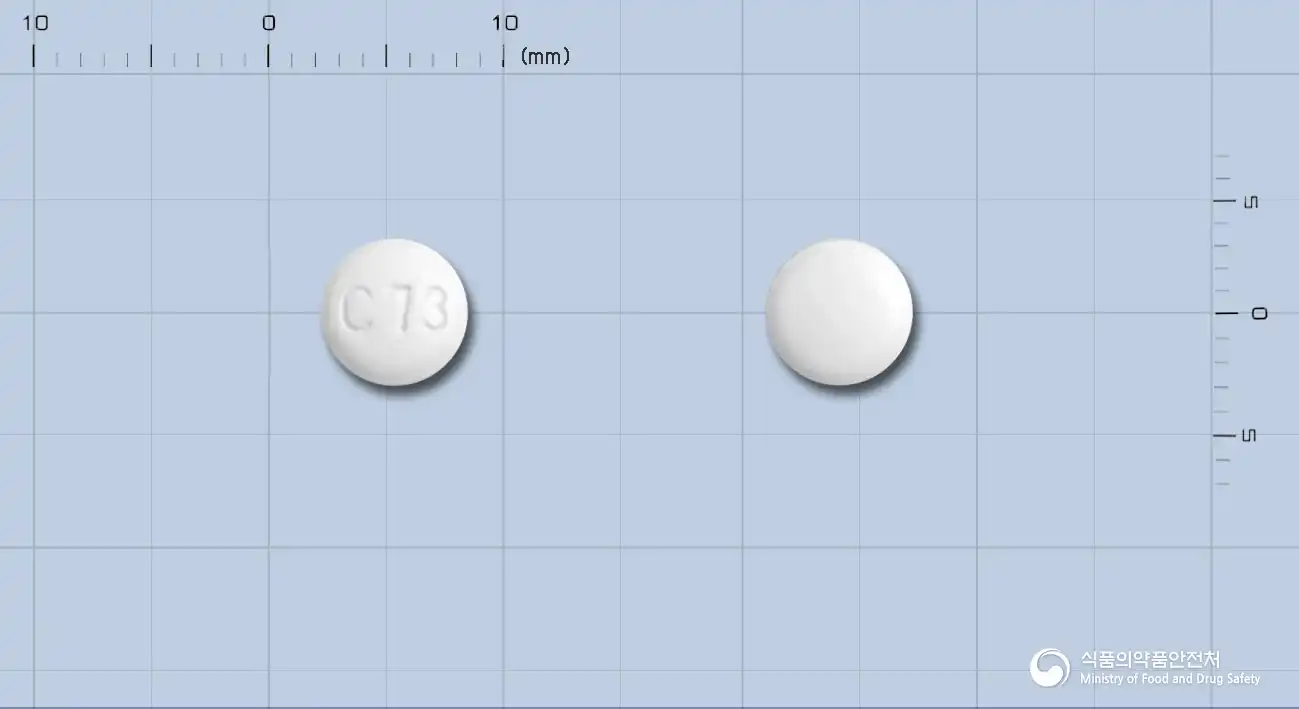 Combination
Olmesartan Medoxomil 20mg · Amlodipine Besylate 6.944mg
Tablet · Prescription medication · Combination
Korea Daiichi Sankyo Co., Ltd.
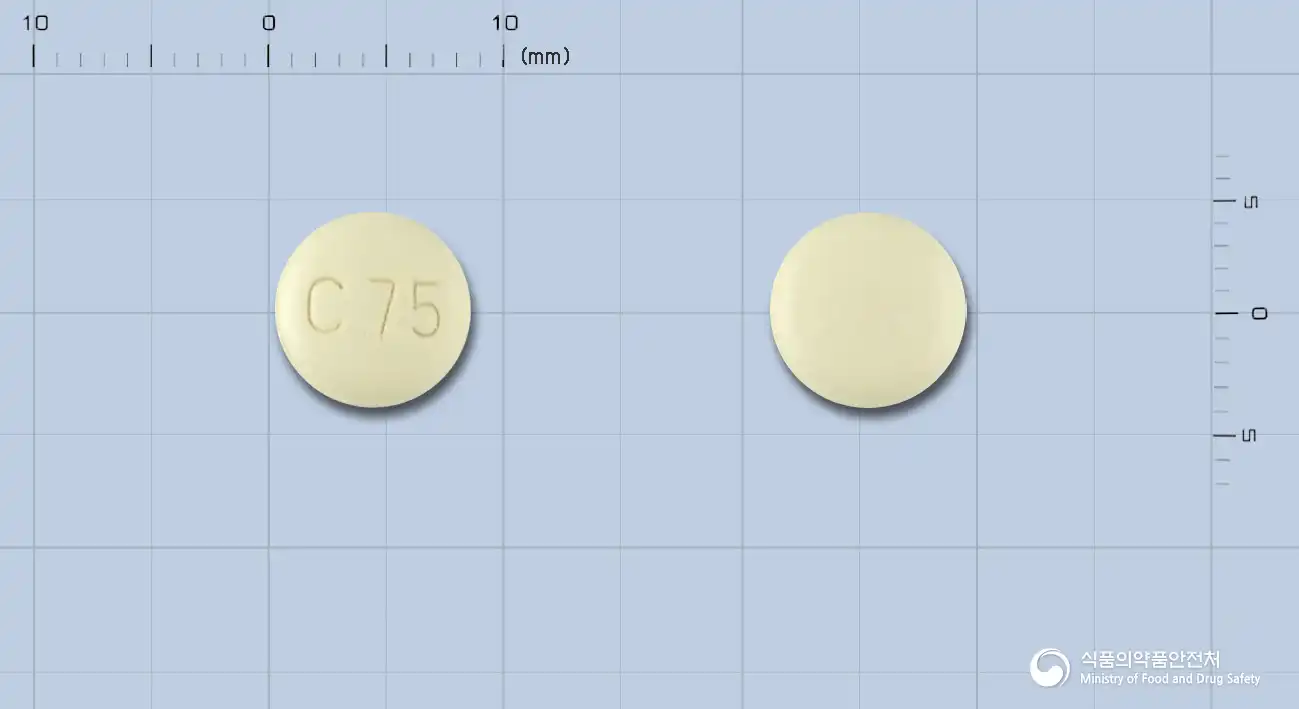 Combination
Olmesartan Medoxomil 40mg · Amlodipine Besylate 6.944mg
Tablet · Prescription medication · Combination
Korea Daiichi Sankyo Co., Ltd.
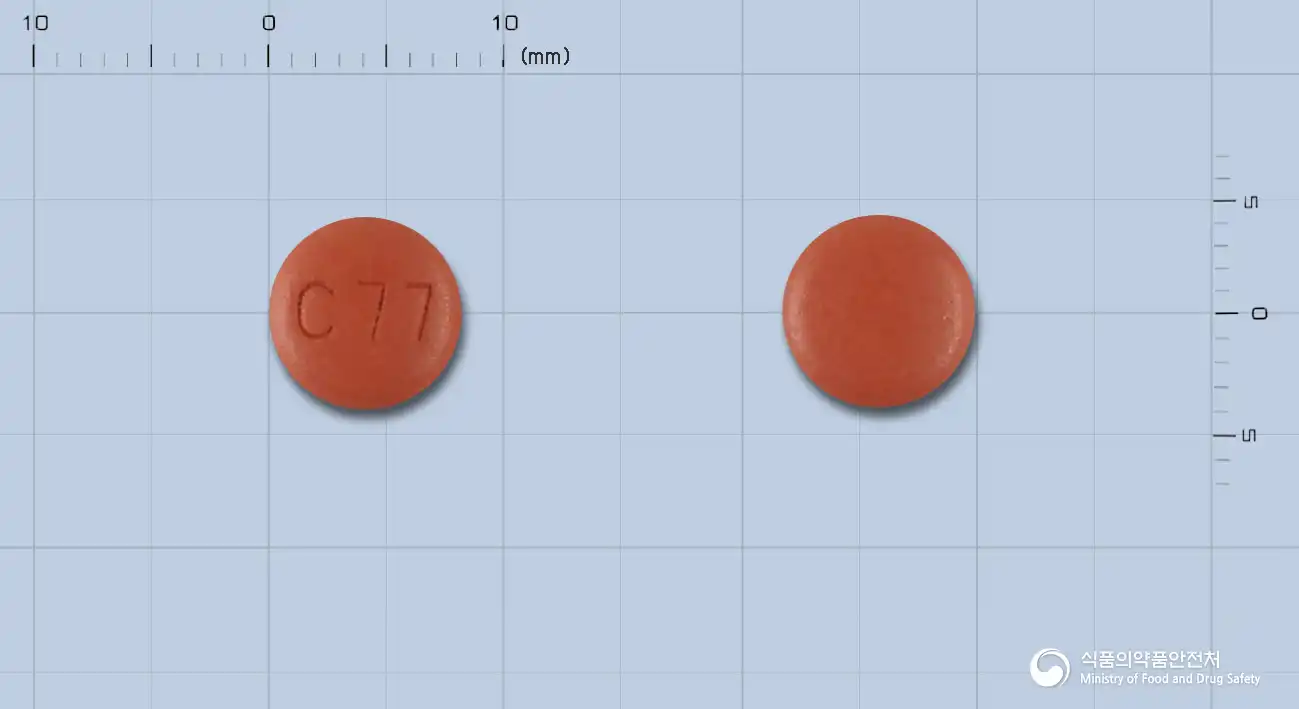 Combination
Olmesartan Medoxomil 40mg · Amlodipine Besylate 13.888mg
Tablet · Prescription medication · Combination
Hanmi Daiichi Sankyo Co., Ltd.
Olmesartan Medoxomil · Amlodipine Besylate
Prescription medication · Combination
SYNEX Co., Ltd.
Olmesartan Medoxomil · Amlodipine Besylate
Prescription medication · Combination
Co., Ltd. Sainex
Olmesartan Medoxomil · Amlodipine Besylate
Prescription medication · Combination
SYNEX Co., Ltd.
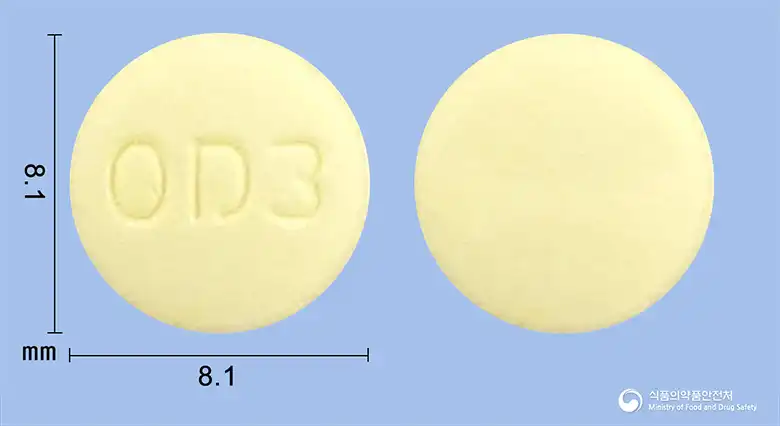 Combination
Amlodipine Besylate 6.944mg · Olmesartan Medoxomil 40mg
Tablet · Prescription medication · Combination
Huons Co., Ltd.
Even with the same ingredient, the dose and directions can differ by strength and dosage form. Talk to a doctor or pharmacist before switching from a medication you are already taking.
No questions yet.
For anything that needs medical judgment, consult a doctor or pharmacist.
This drug information is based on data provided by the Korea Ministry of Food and Drug Safety.
Consult a doctor or pharmacist for accurate dosage, administration, and usage instructions.