
 한국어
한국어 English
 日本語
日本語 中文(简体)
 Viewing now
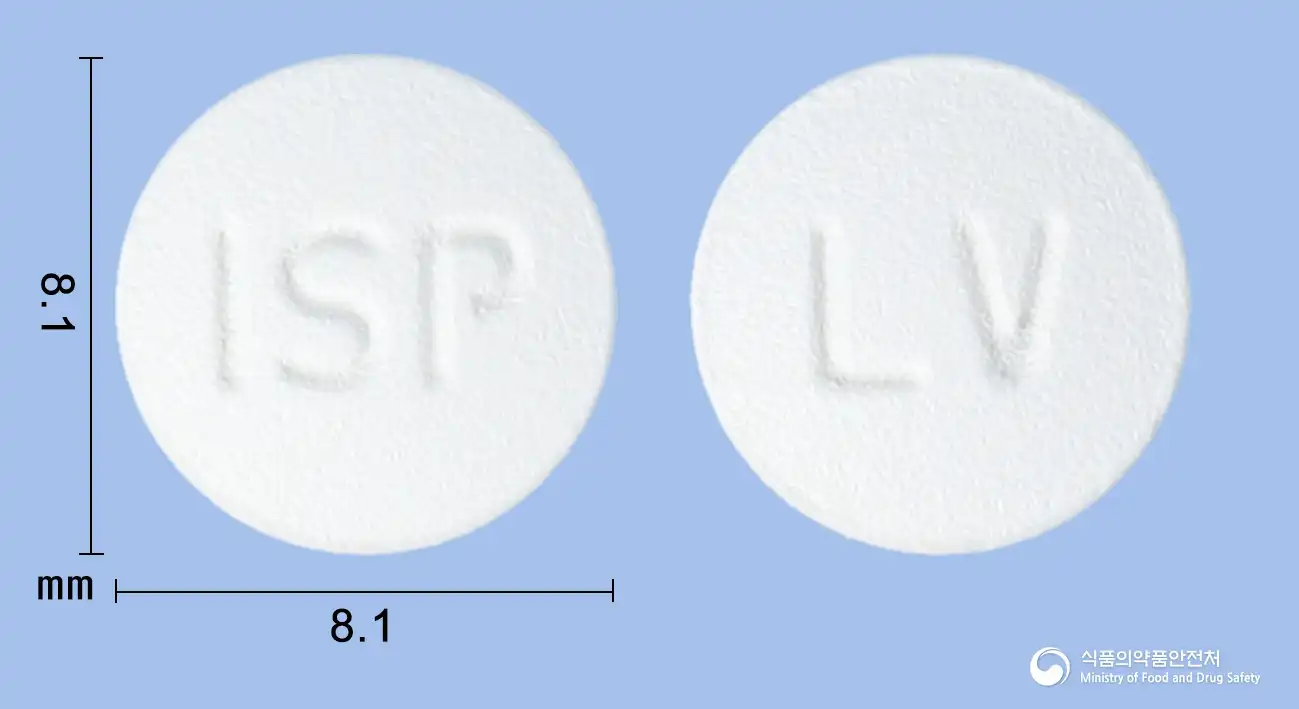
Levofloxacin 100 mg (Levofloxacin Hydrate)
Levofloxacin Hydrate 102.49mg
Tablet · Prescription medication
Ilsung IS Co., Ltd.
MFDS item code 201906311 · Approved 2019.09.05 · Insurance code 655404720
Treatment of complicated skin and soft tissue infections, secondary infections of chronic respiratory diseases, etc.
This medicine is used to treat complicated skin and soft tissue infections caused by various bacteria, secondary infections of chronic bronchitis and chronic respiratory diseases, community-acquired pneumonia, and infections in bronchiectasis. It is also effective in treating urinary tract infections such as acute pyelonephritis, cystitis, prostatitis, gonococcal and non-gonococcal urethritis, and epididymitis, as well as gynecological infections such as bacterial dysentery and enteritis, adnexitis, intrauterine infections, and Bartholin's gland infections. It is used not only for ophthalmic infections such as blepharitis, styes, nasolacrimal duct infection, and corneal ulcers, but also for treatment of sinusitis excluding chronic otitis media, periodontal disease, osteomyelitis, cholecystitis, and cholangitis. However, due to the risk of serious adverse reactions associated with fluoroquinolone antibiotics, it is recommended to use this medicine only when other treatments are not possible for certain infections. This medicine helps treat various bacterial infections and improves the recovery of patient health.
Typically, for adults, levofloxacin 100 mg is administered orally 2 to 3 times a day. For severe or insufficiently responding patients, 200 mg is given 3 times a day. Dosage may be adjusted based on age and symptoms.
This medicine may cause tendon-related side effects such as tendinitis or tendon rupture, so if there is pain or inflammation in the tendon, use should be immediately discontinued. Peripheral neuropathy or central nervous system symptoms, exacerbation of myasthenia gravis can occur; if these symptoms appear, medication should be immediately stopped. This medicine is contraindicated for use in patients with myasthenia gravis as it may worsen symptoms. It is recommended to use this drug only when no other treatment options are available for specific bacterial infections. Caution is advised for elderly patients, those with impaired kidney function, solid organ transplant patients, patients receiving high doses, and in cases where used with corticosteroids as this may increase the risk of tendon rupture. Co-administration with corticosteroids should be avoided, and if there is pain or inflammation in the tendon, patients should refrain from exercise and take rest. This drug has neuromuscular blocking effects and may worsen symptoms in patients with myasthenia gravis, so it should be used cautiously. It should not be administered to patients with a history of hypersensitivity to this drug or similar drugs, a history of tendinitis or tendon rupture, pediatric patients and growing adolescents, pregnant women, nursing mothers, epilepsy patients, and lactose intolerant individuals. It should be administered cautiously to patients with severely impaired kidney function, a history of central nervous system disorders or seizures, patients taking certain anti-inflammatory drugs or theophylline, elderly patients, diabetic patients, those with glucose-6-phosphate dehydrogenase deficiency, and those with aortic aneurysm or heart valve disease. This medicine may cause various side effects such as severe allergic reactions, neurological dysfunction, cardiac dysrhythmias, renal and hepatic dysfunction, blood dyscrasias, gastrointestinal disturbances, musculoskeletal issues, skin reactions, respiratory abnormalities, so if there are any unusual symptoms, immediately consult a doctor. During the use of this medicine, avoid strong sunlight or artificial ultraviolet exposure, and if dizziness or drowsiness occurs while driving or operating machinery, caution is advised. There may be interactions with anticoagulants, anti-inflammatory drugs, antacids, iron supplements, hypoglycemic agents, so it is essential to inform your healthcare provider of any current medications. Women who are pregnant or may become pregnant, nursing mothers, children, and adolescents should not take this medicine. Elderly patients need dosage adjustments and monitoring for side effects as the drug may stay in their system longer due to decreased renal function. In the case of overdose, symptoms may include central nervous system effects and heart issues necessitating immediate emergency treatment. If unusual symptoms occur during medication, cease use immediately and consult a healthcare provider.
Hives, severe swelling (edema), chest tightness, difficulty breathing, cold sweat, pallor, severe rash with fever, blisters, skin peeling, pain in mucous membranes of the mouth/eyes, shortness of breath or difficulty breathing, asthma attack, respiratory issues with cough + fever, yellowing of the skin or eyes (jaundice), extreme lethargy, sudden and severe headache, thunderclap headache, seizures, alteration of consciousness, visual disturbances, paralysis, urination issues.
Not everyone experiences these, and they can vary from person to person.
This medicine may be sensitive to air and moisture, so it should be stored in a tightly closed container. Additionally, it is best to avoid storing it in areas that are too hot or too cold, and to keep it at a temperature between 1 to 30 degrees Celsius at room temperature.
White to whitish round film-coated tablet
30 tablets/bottle, 500 tablets/bottle
Even with the same ingredient, strength, dosage form and how it is taken can differ.
Viewing nowLevofloxacin Hydrate 102.49mg
Tablet · Prescription medication
Ilsung IS Co., Ltd.
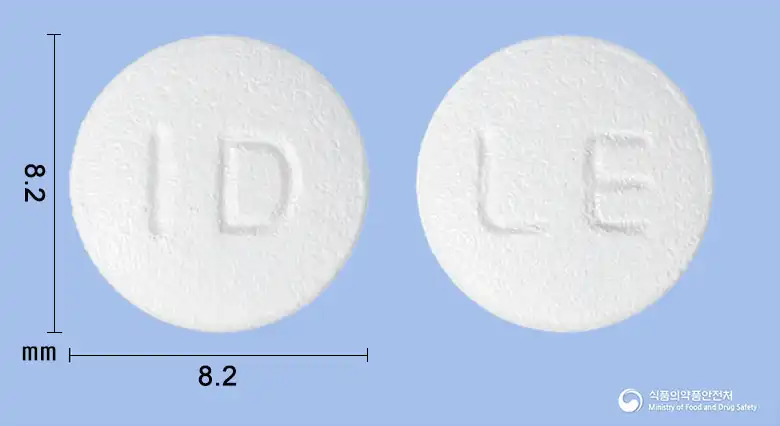
Levofloxacin Hydrate 100mg
Tablet · Prescription medication
Ildong Pharmaceutical Co., Ltd.
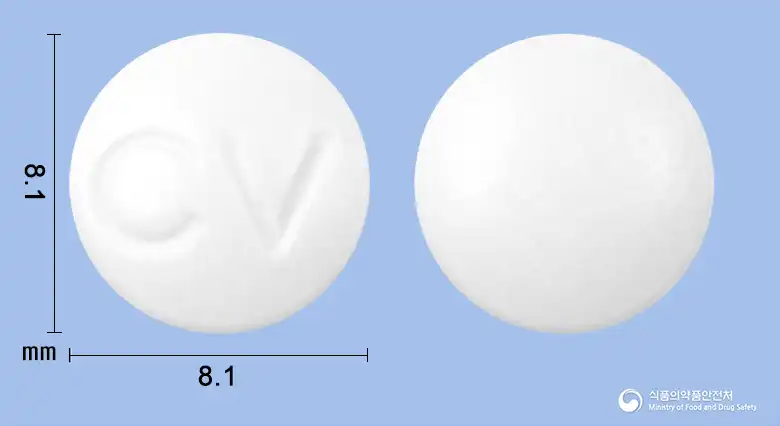
Levofloxacin 100mg
Tablet · Prescription medication
Jeil Pharmaceutical Co., Ltd.
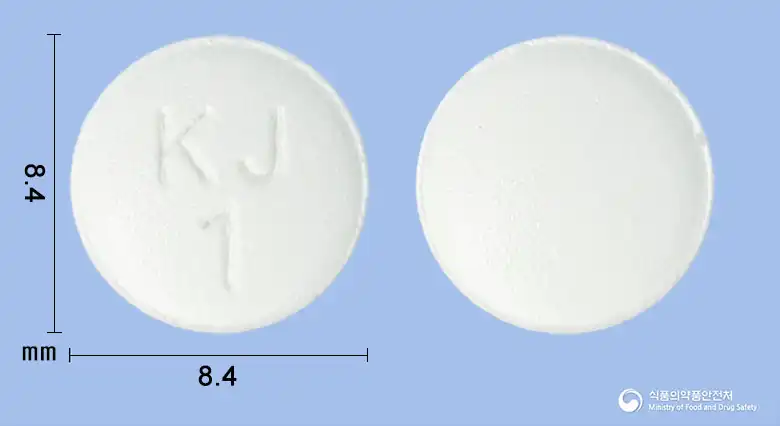
Levofloxacin Hydrate 100mg
Tablet · Prescription medication
International Pharmaceuticals Co., Ltd.
Levofloxacin 5.1246mg
Prescription medication
Jeil Pharmaceutical Co., Ltd.
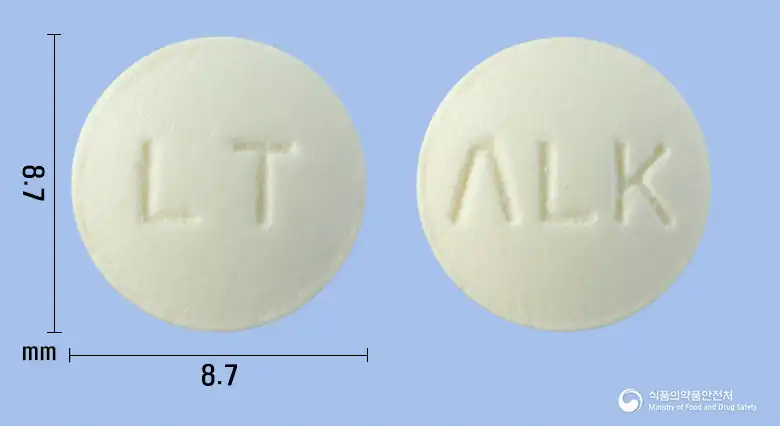
Levofloxacin Hydrate 100mg
Tablet · Prescription medication
SS Pharm Co., Ltd.
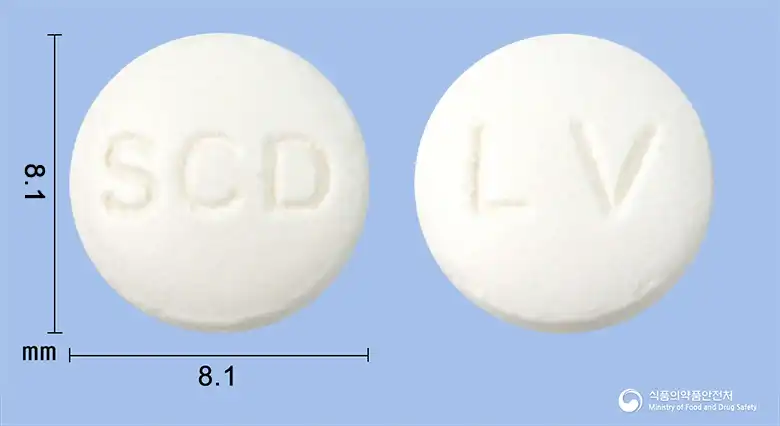
Levofloxacin Hydrate 102.49mg
Tablet · Prescription medication
Samchundang Pharmaceutical Co., Ltd.
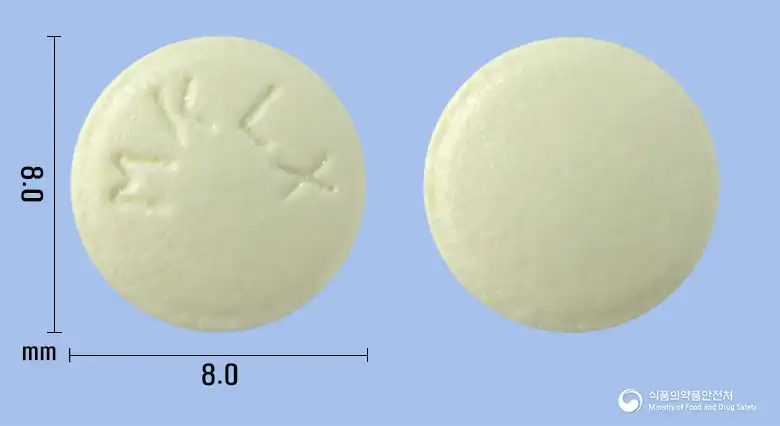
Levofloxacin Hydrate 100mg
Tablet · Prescription medication
Medica Korea Co., Ltd.
Even with the same ingredient, the dose and directions can differ by strength and dosage form. Talk to a doctor or pharmacist before switching from a medication you are already taking.
No questions yet.
For anything that needs medical judgment, consult a doctor or pharmacist.
This drug information is based on data provided by the Korea Ministry of Food and Drug Safety.
Consult a doctor or pharmacist for accurate dosage, administration, and usage instructions.