
 한국어
 English
 日本語
 中文(简体)
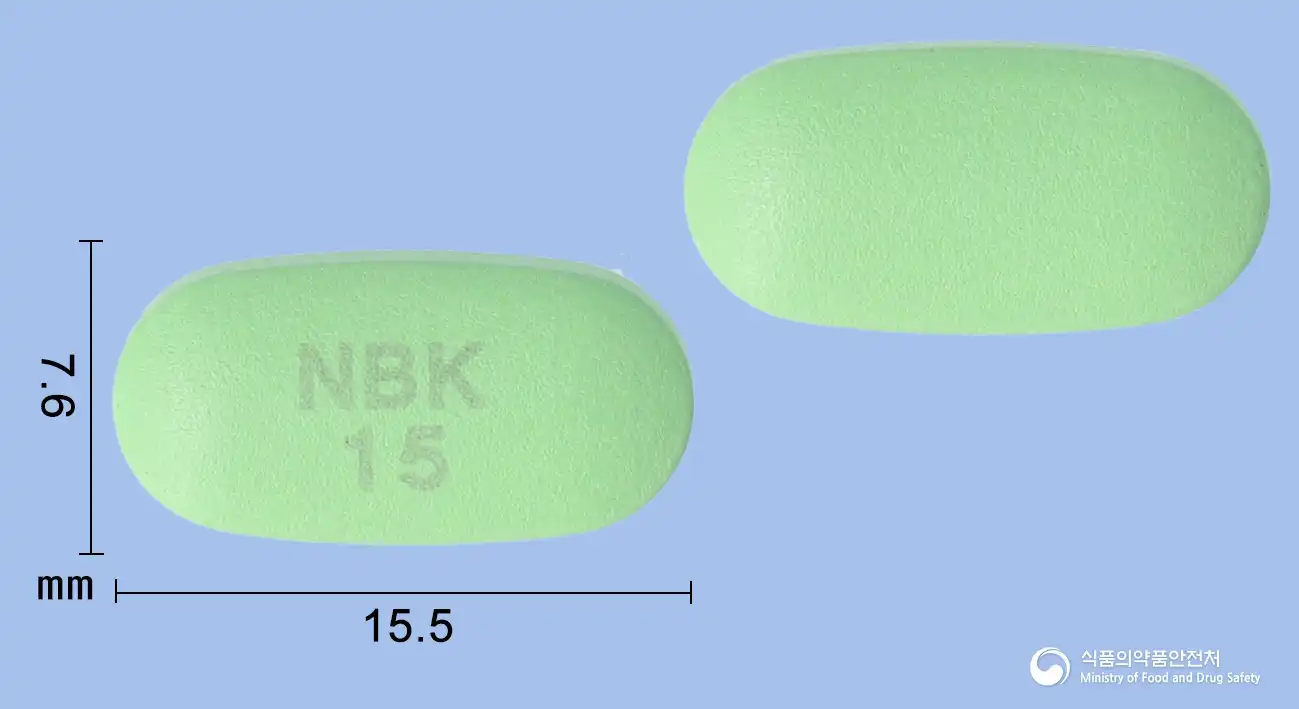 Viewing now
Alchioksen Tablet 480 mg (R-Tioktoic Acid Rometa Mine Salt)
R-Thioctic Acid Tromethamine 480mg
Tablet · Prescription medication
NBK Pharmaceutical Co., Ltd.
MFDS item code 201906259 · Approved 2019.09.03 · Insurance code 054800430
Relieves diabetic polyneuritis
This medication is used to relieve the symptoms of inflammation of multiple nerves caused by diabetes, specifically diabetic polyneuropathy.
Adults: Take 480 milligrams of thioctic acid tromethamine salt once daily with plenty of water, approximately 30 minutes before breakfast.
This medication should not be taken by individuals who have allergic reactions to R-Tioktoic Acid Rometa Mine Salt, tioktoic acid, or other ingredients contained in this medication. When taking this medication, side effects such as sensory disturbances, pain, headache, constipation, dry mouth, cough, cystitis, diarrhea, burning sensation may occur. Most symptoms are mild to moderate, and severe cases are rare, with potential issues such as kidney stones or facial swelling. After prolonged use of this medication, studies have shown that some patients may experience muscle pain, hypoglycemia, neurogenic bladder, diabetic retinopathy, gastrointestinal bleeding, cold, skin rashes, sleep disturbances, etc., so caution is advised. People who frequently consume alcohol may experience exacerbated neurological symptoms; therefore, it is advised to avoid alcohol both while taking this medication and during the drug-free periods. Caution is required when taken with other medications, especially with preparations containing iron, magnesium, calcium, or milk, which may interfere with the absorption of the drug, so dosing times should be adjusted. Additionally, if taken together with blood sugar-lowering medications, there could be a risk of excessive drops in blood sugar, necessitating regular monitoring of blood glucose levels. If pregnant or breastfeeding, the pros and cons of this medication should be thoroughly considered before taking it, and it is recommended not to use it in children under 18 years due to a lack of experience. In case of overdose, severe symptoms of poisoning, altered consciousness, generalized convulsions, hypoglycemia, kidney and multi-organ dysfunction may appear, and immediate medical treatment should be sought. This medication should not be stored above 30 degrees Celsius and must be kept out of the reach of children. It is also advisable to maintain the original packaging to avoid potential quality issues that may arise from transferring to another container.
Not everyone experiences these, and they can vary from person to person.
This medication may be sensitive to air or moisture; therefore, it should be stored in a sealed container. Additionally, it is best to store it at room temperature between 1 degree and 30 degrees to safely maintain its effectiveness.
Greenish rectangular film-coated tablet
30 tablets/bottle, 100 tablets/bottle
Even with the same ingredient, strength, dosage form and how it is taken can differ.
Viewing nowR-Thioctic Acid Tromethamine 480mg
Tablet · Prescription medication
NBK Pharmaceutical Co., Ltd.
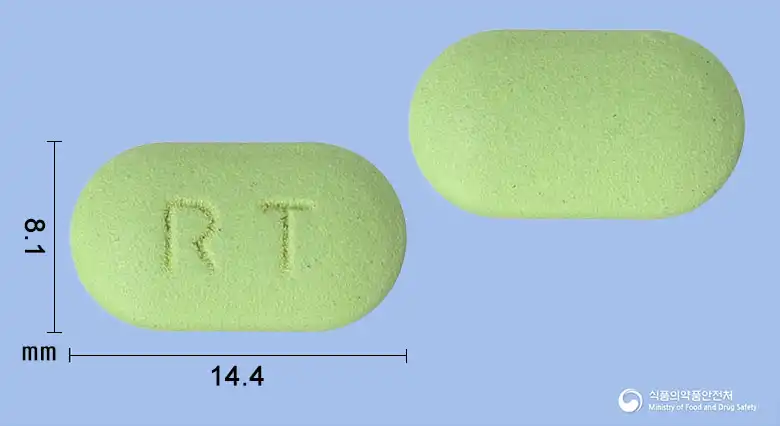
R-Thioctic Acid Tromethamine 480mg
Tablet · Prescription medication
Bukwang Pharmaceutical Co., Ltd.
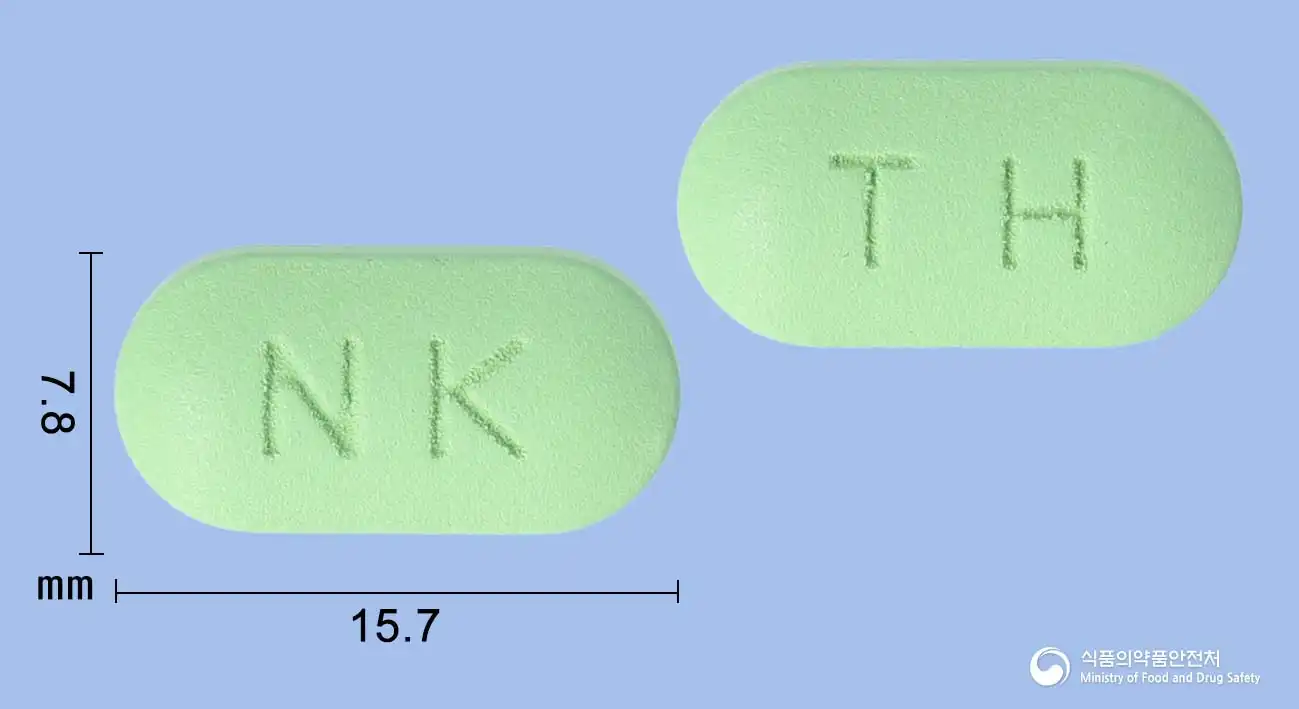
R-Thioctic Acid Tromethamine 480mg
Tablet · Prescription medication
NexPharm Korea Co., Ltd.
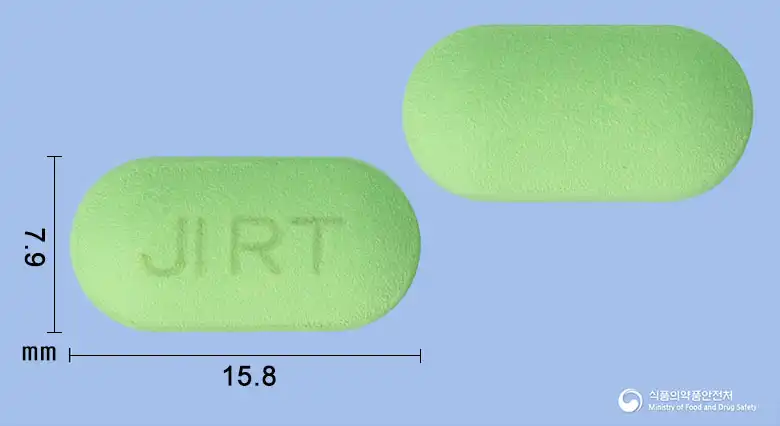
R-Thioctic Acid Tromethamine 480mg
Tablet · Prescription medication
Jeil Pharmaceutical Co., Ltd.
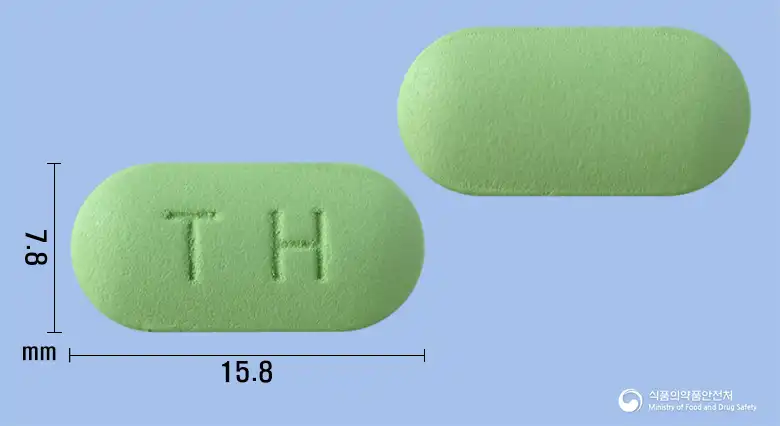
R-Thioctic Acid Tromethamine 480mg
Tablet · Prescription medication
Korea Prime Pharm, Co., Ltd.
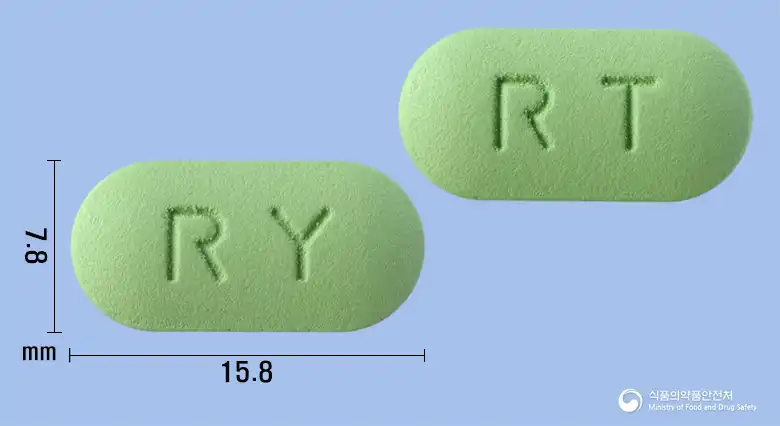
R-Thioctic Acid Tromethamine 480mg
Tablet · Prescription medication
IYON Pharmaceutical Co., Ltd.
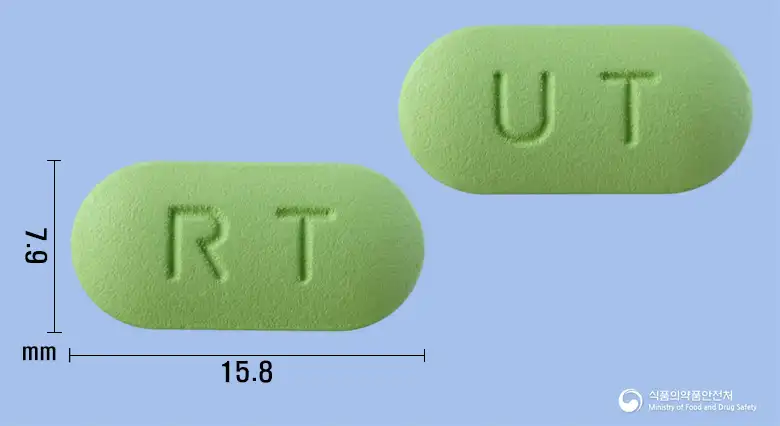
R-Thioctic Acid Tromethamine 480mg
Tablet · Prescription medication
Korea United Pharmaceutical Co., Ltd.
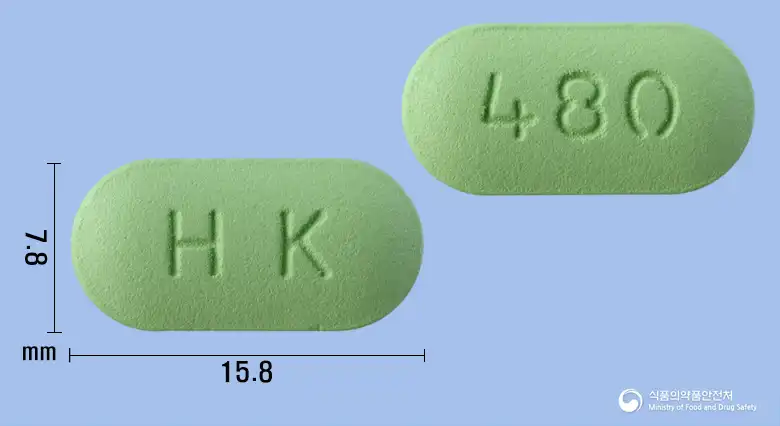
R-Thioctic Acid Tromethamine 480mg
Tablet · Prescription medication
Korea Chorus Co., Ltd.
Even with the same ingredient, the dose and directions can differ by strength and dosage form. Talk to a doctor or pharmacist before switching from a medication you are already taking.
No questions yet.
For anything that needs medical judgment, consult a doctor or pharmacist.
This drug information is based on data provided by the Korea Ministry of Food and Drug Safety.
Consult a doctor or pharmacist for accurate dosage, administration, and usage instructions.