
 한국어
한국어 English
 日本語
日本語 中文(简体)
Dosage form image
Viewing nowGlyent Tablet 4mg (Glimepiride)
Glimepiride 4mg
Tablet · Prescription medication
Korea Sintax Pharmaceutical Co., Ltd.
MFDS item code 201906216 · Approved 2019.09.02
This product's status changed to Expired on 2024.09.02. It may no longer be sold, so consult a doctor or pharmacist before taking it.
Improvement of blood sugar control in type 2 diabetes
This medication is used to improve blood sugar control in patients with type 2 diabetes. It is administered as an adjunct to dietary and exercise therapy. It can also be used alone, but if blood sugar control is not sufficient, it may be administered in combination with oral hypoglycemic agents or insulin. In particular, if the effect of using sulfonylureas or metformin alone is insufficient, a combination therapy of this medication and metformin is applied. This is used to further enhance blood sugar control ability, aiding in diabetes management.
Administer once orally per day. This medication should be taken before breakfast or immediately before the first meal. Swallow whole with more than half a glass of water. The initial dosage for monotherapy is 1 mg once daily, and it may be increased by 1 mg at intervals of 1 to 2 weeks. Generally, there is little additional effect when dosing more than 4 mg; however, in some cases, it may be increased up to 6 mg or 8 mg if necessary. The daily dosage of 4 mg is…
This drug should not be used in patients with insulin-dependent diabetes, diabetic ketoacidosis, or coma. Patients with allergies to this drug or its components, or similar medications should not be administered this drug. There is no experience using this drug in patients with severely impaired liver or kidney function, and it is recommended to switch to insulin therapy. Women who are pregnant or may become pregnant, and nursing mothers are advised not to take this drug. Patients with severe infections, before and after surgery, or severe trauma are safer on insulin therapy. Patients experiencing gastrointestinal disorders like diarrhea or vomiting are at risk for hypoglycemia due to poor absorption of food. This drug contains lactose; thus, patients with genetic disorders affecting lactose digestion should not take it. During the first week of administration, the risk of hypoglycemia is high, so particular caution is needed, especially for the elderly, malnourished patients, individuals with irregular meals, or frequent alcohol consumers. Patients with impaired kidney or liver function, or other endocrine disorders should also take care when using this drug. Symptoms of hypoglycemia may include headache, extreme hunger, nausea, fatigue, anxiety, confusion, drowsiness, or loss of consciousness. If any of these symptoms occur, immediate intake of sugar or notifying medical personnel is essential. Transient blurred vision or gastrointestinal symptoms, liver function abnormalities, blood abnormalities, and allergic reactions may occur, so consult a doctor if unusual symptoms arise. This medication should be taken regularly, combined with dietary and exercise therapy, and it is advisable to always carry sugar to prevent hypoglycemia. As it may interact with other drugs, it is crucial to inform healthcare professionals when starting any new medications. In cases of pregnancy or breastfeeding, this medication should not be used, and alternative treatments should be chosen. The safety and efficacy in patients under 18 years of age have not been established. Elderly patients may have decreased kidney function, so dosage adjustments should be made with caution. In cases of overdose, severe hypoglycemia may occur, and immediate emergency treatment is necessary, which may include inducing vomiting, administering activated charcoal, or glucose injections. This medication should be stored out of reach of children and kept in its original container.
Hives, severe swelling (edema), itching, rash, hypotension, difficulty breathing, allergic shock, anaphylaxis, angioedema, Stevens-Johnson syndrome (skin-mucosal syndrome), liver dysfunction, jaundice, hepatitis, thrombocytopenia, leukopenia, hemolytic anemia, erythrocytopenia, agranulocytosis, pancytopenia, thrombocytopenic purpura, severe hypoglycemia leading to coma, symptoms resembling stroke.
Not everyone experiences these, and they can vary from person to person.
This medication may be sensitive to air and moisture, so it must be stored in a tightly sealed container. It is essential to maintain a storage temperature between 1 to 30 degrees Celsius to keep the drug's efficacy and safety over time.
Light blue rectangular tablet
30 tablets/bottle, 100 tablets/bottle
Even with the same ingredient, strength, dosage form and how it is taken can differ.
Glimepiride 4mg
Tablet · Prescription medication
Korea Sintax Pharmaceutical Co., Ltd.
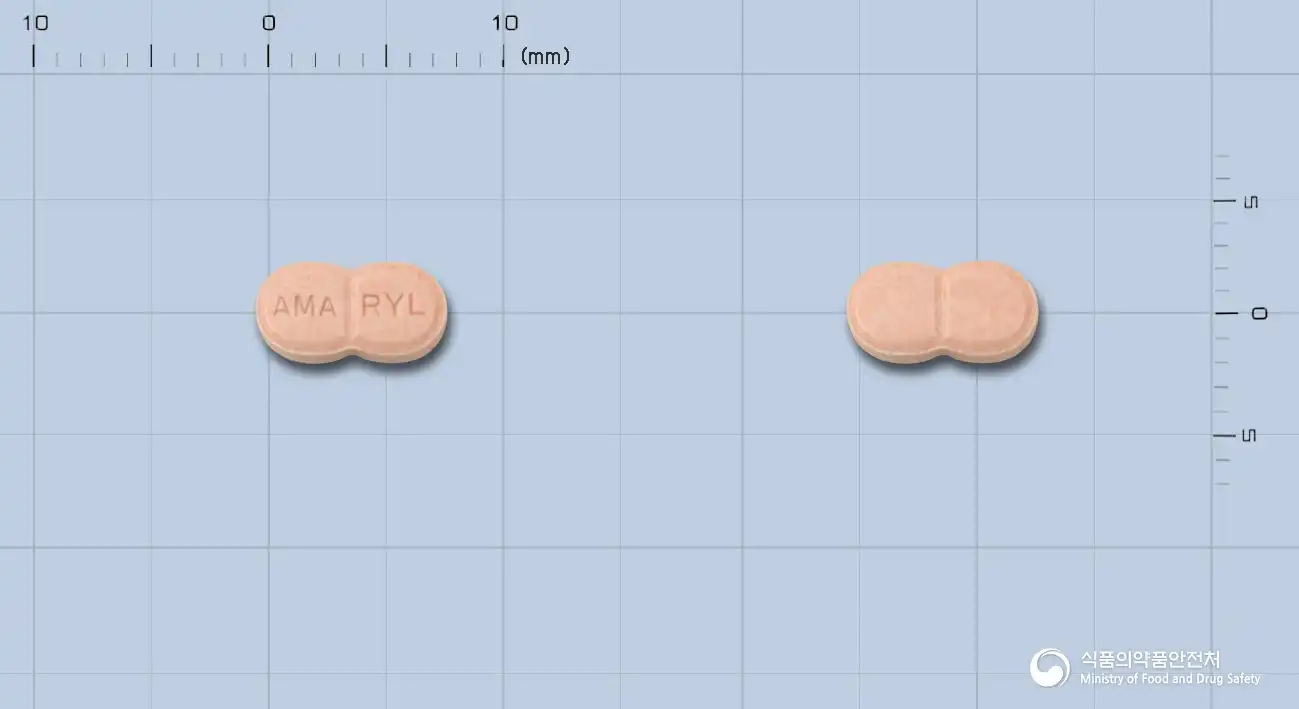
Glimepiride 1mg
Tablet · Prescription medication
Handok Co., Ltd.
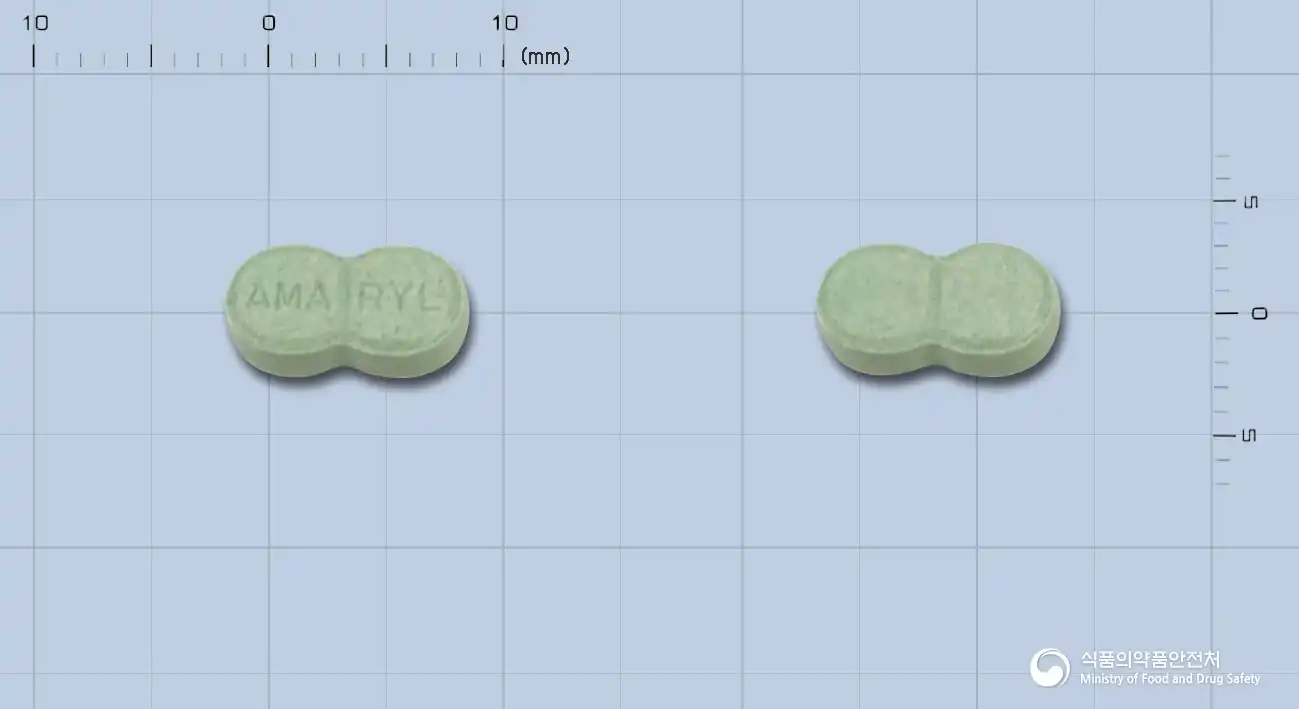
Glimepiride 2mg
Tablet · Prescription medication
Handok Co., Ltd.
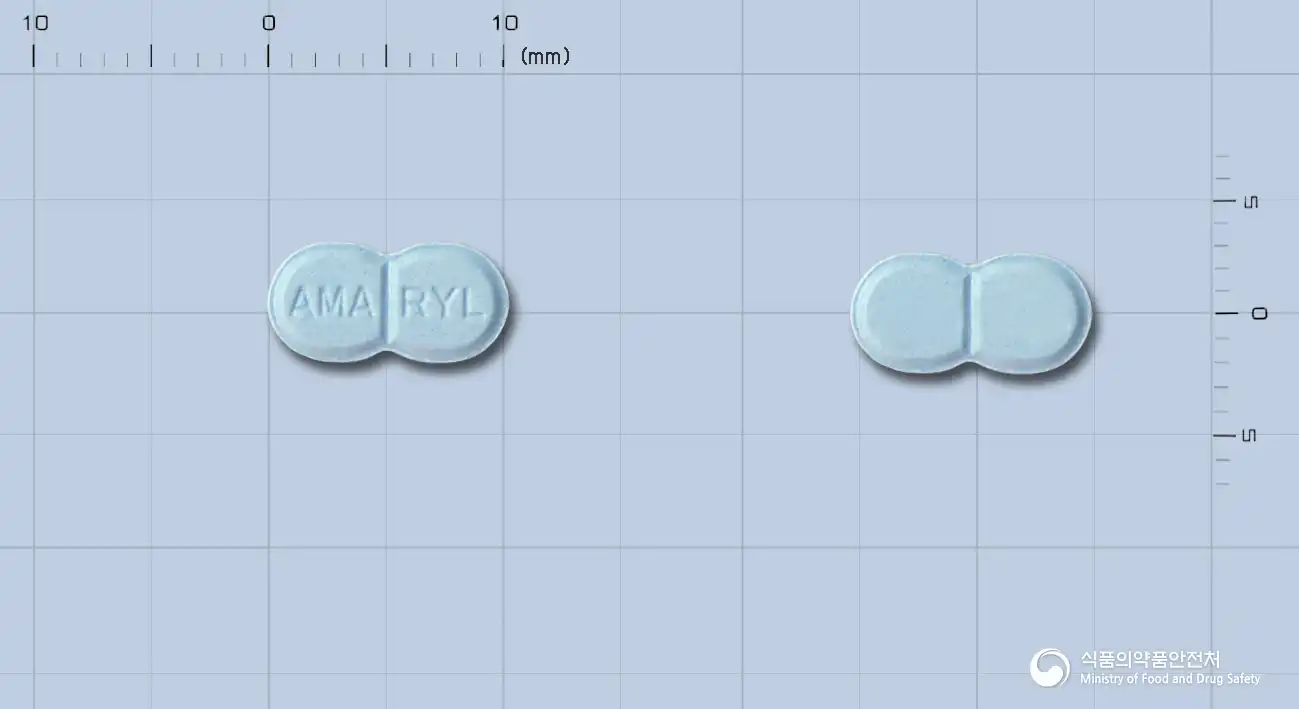
Glimepiride 4mg
Tablet · Prescription medication
(Hanmi Pharmaceutical Co., Ltd.)
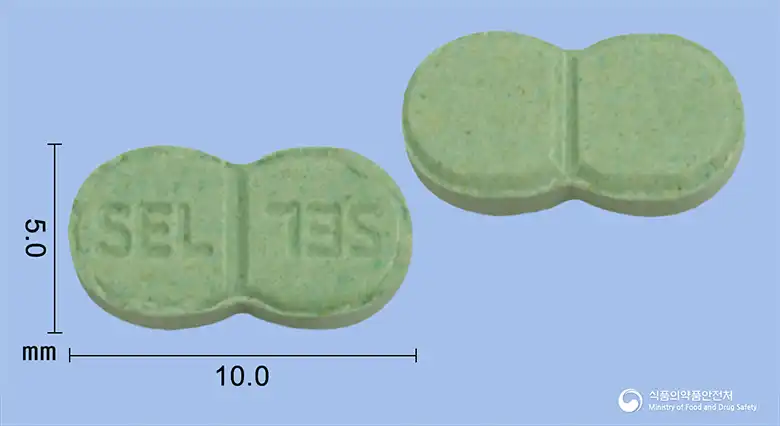
Glimepiride 2mg
Tablet · Prescription medication
Seoul Pharmaceutical Co., Ltd.
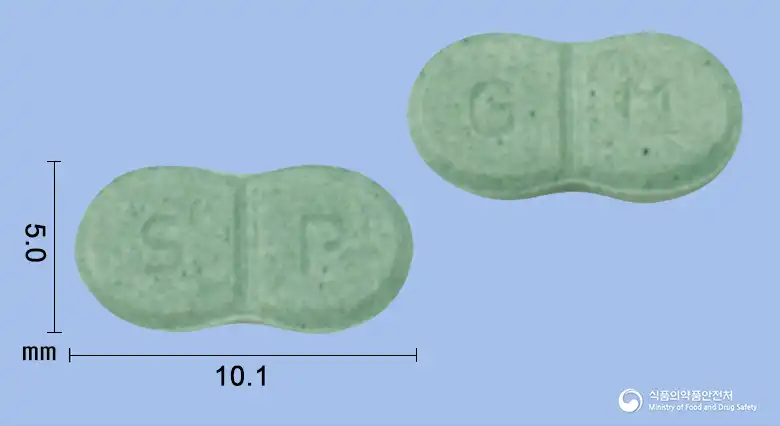
Glimepiride 2mg
Tablet · Prescription medication
Shinpoong Pharmaceutical Co., Ltd.
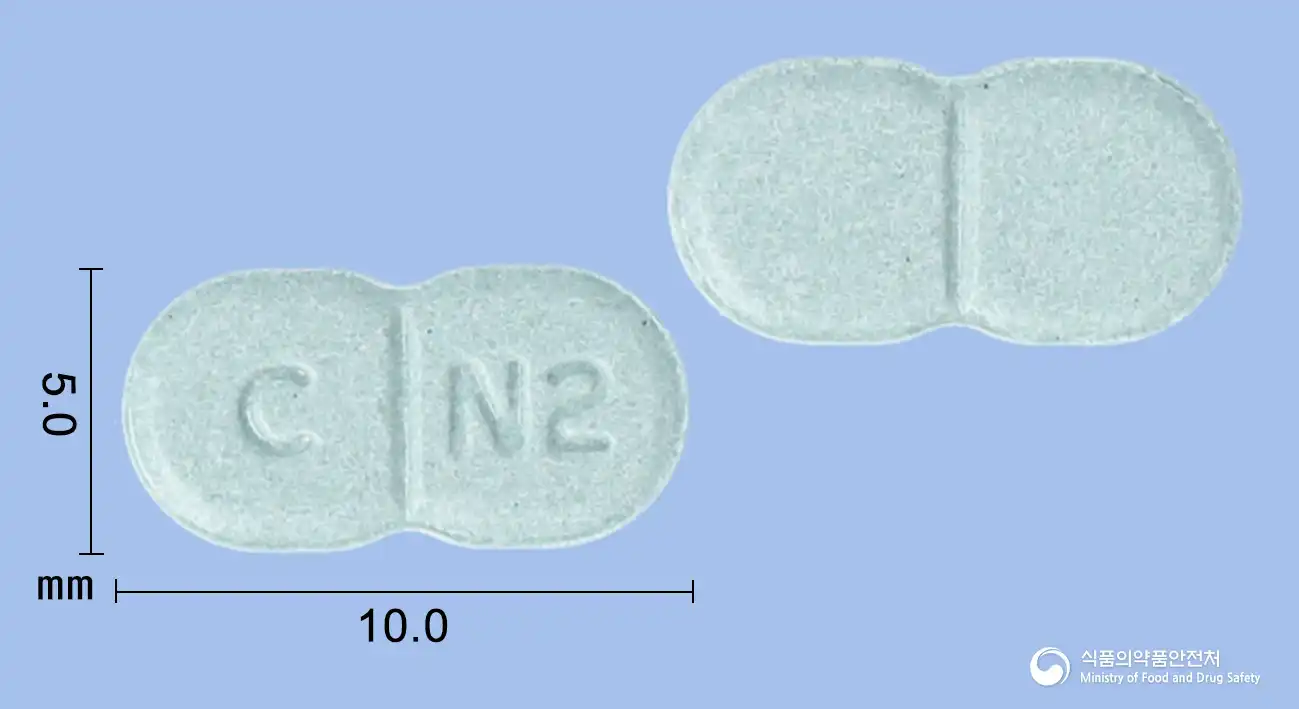
Glimepiride 2mg
Tablet · Prescription medication
Jongkundang Co., Ltd.
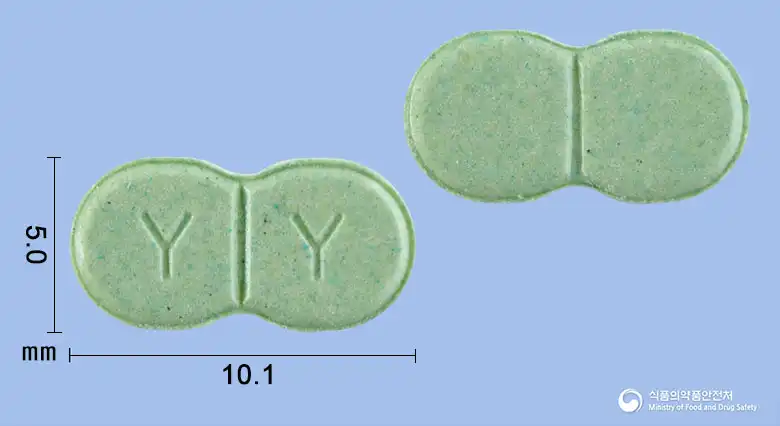
Glimepiride 2mg
Tablet · Prescription medication
IYun Pharmaceuticals Co., Ltd.
Even with the same ingredient, the dose and directions can differ by strength and dosage form. Talk to a doctor or pharmacist before switching from a medication you are already taking.
No questions yet.
For anything that needs medical judgment, consult a doctor or pharmacist.
This drug information is based on data provided by the Korea Ministry of Food and Drug Safety.
Consult a doctor or pharmacist for accurate dosage, administration, and usage instructions.