
 한국어
 English
 日本語
 中文(简体)
 Viewing now
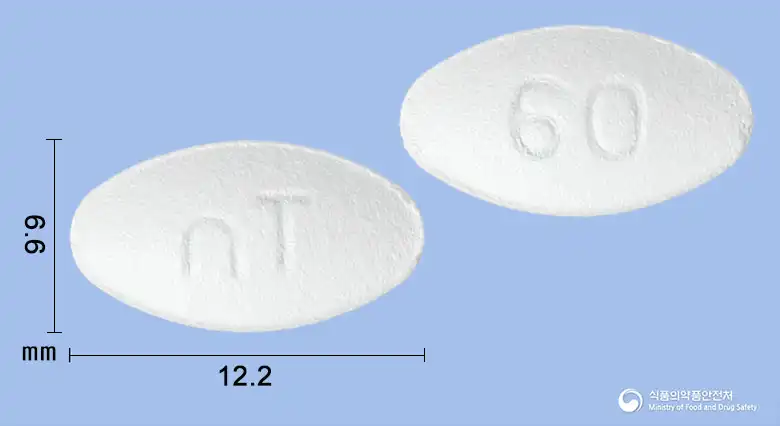
Entirabin Tablets 60 mg (Raloxifene Hydrochloride)
Raloxifene Hydrochloride 60mg
Tablet · Prescription medication
Korea Sintax Pharmaceutical Co., Ltd.
MFDS item code 201906182 · Approved 2019.08.30
Treatment and prevention of osteoporosis in postmenopausal women
This medication is used to treat and prevent osteoporosis that may occur in postmenopausal women.
Administer 60 mg of raloxifene hydrochloride orally once daily.
This medication may increase the risk of blood clots in the bloodstream, so it should be used with caution in patients with a history of thrombosis or those at high risk of thrombosis. As this medication is primarily metabolized in the liver, it is not recommended for patients with poor liver function, and any signs of liver dysfunction should be closely monitored. It is not used in premenopausal women as its safety and efficacy have not been established. In postmenopausal women with heart disease or high cardiovascular risk, this medication does not help prevent cardiovascular disease and may slightly increase the risk of stroke, so caution is advised. Pregnant women, women who may become pregnant, and nursing mothers should not use this medication as it may be harmful to the fetus or infant. This medication should not be administered to patients with specific genetic disorders, liver dysfunction, unexplained uterine bleeding, or signs of endometrial cancer. In patients who are immobile for a long time, the risk of thrombosis increases, so the use of this medication should be discontinued. Possible side effects during treatment include leg cramps, facial flushing, cold symptoms, peripheral edema, nausea, vomiting, abdominal pain, dyspepsia, increased blood pressure, headache, rash, breast symptoms (pain, swelling, tenderness), facial flushing, vaginal bleeding, facial swelling, heartburn, constipation, itching, palpitations, fever, weakness, sweating, muscle pain, insomnia, perineal pain, weight gain, arthritis, rheumatic-like pain, fatigue, discomfort, chest tightness, skin lesions, anxiety, weight loss, and When taken with other medications, there may be interactions, particularly if taken with drugs affecting blood coagulation; therefore, blood tests should be conducted to monitor conditions. This medication is used for the treatment and prevention of osteoporosis in postmenopausal women, and adequate intake of calcium and vitamin D is recommended. It is not used in children or men, and it is also safe and effective in the elderly, but must be taken under a doctor's guidance. In cases of overdose, dizziness or leg cramps may occur, so it is crucial to adhere to the prescribed dosage and notify healthcare providers immediately of any adverse symptoms. This medication should be kept out of reach of children and not transferred to other containers for safety.
Not everyone experiences these, and they can vary from person to person.
This medication should be stored in a tightly sealed container to prevent exposure to air or moisture. The storage temperature should be maintained between 15 degrees and 30 degrees Celsius. This will help to preserve the medication's effectiveness.
White oval film-coated tablets
28 tablets/PTP [(14 tablets/PTP packaging x 2)]
Even with the same ingredient, strength, dosage form and how it is taken can differ.
Viewing nowRaloxifene Hydrochloride 60mg
Tablet · Prescription medication
Korea Sintax Pharmaceutical Co., Ltd.
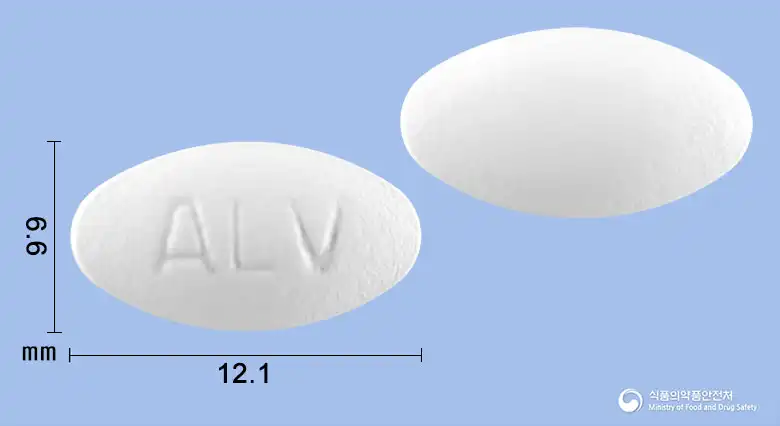
Raloxifene Hydrochloride 60mg
Tablet · Prescription medication
Alvogen Korea Co., Ltd.
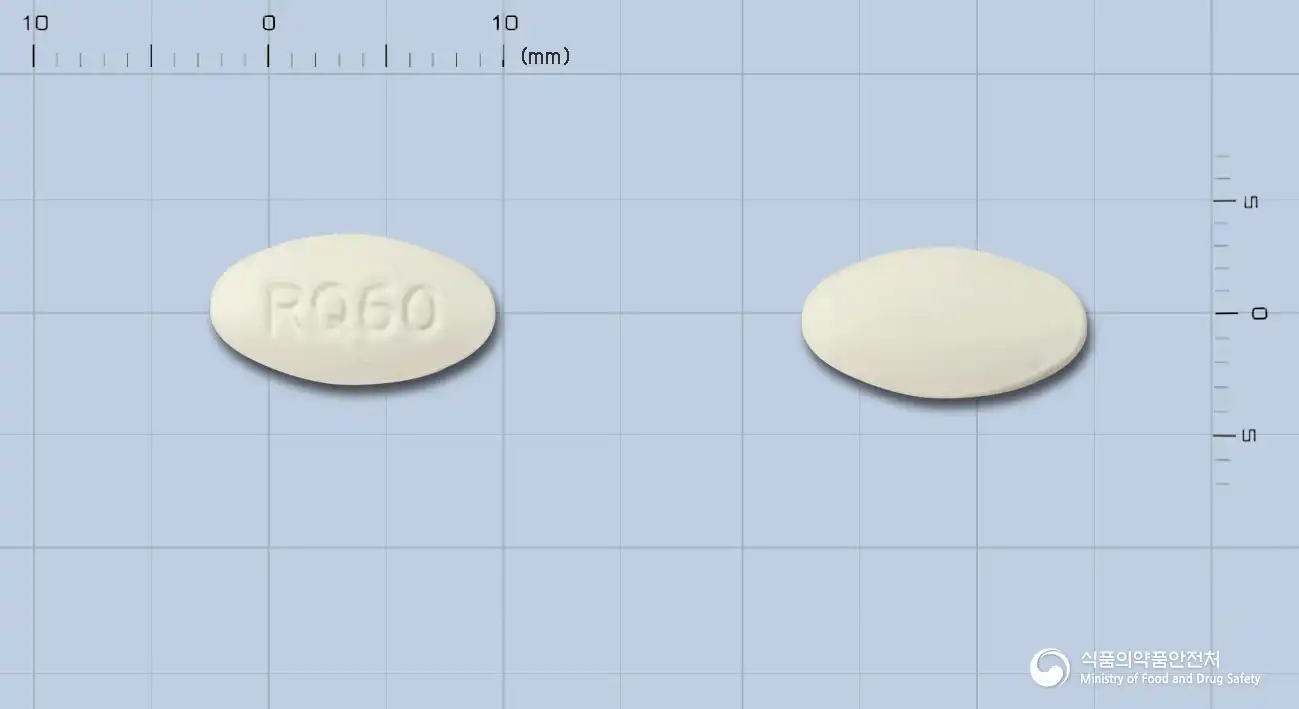
Raloxifene Hydrochloride Monohydrate 62.12mg
Tablet · Prescription medication
Jongkundang Co., Ltd.
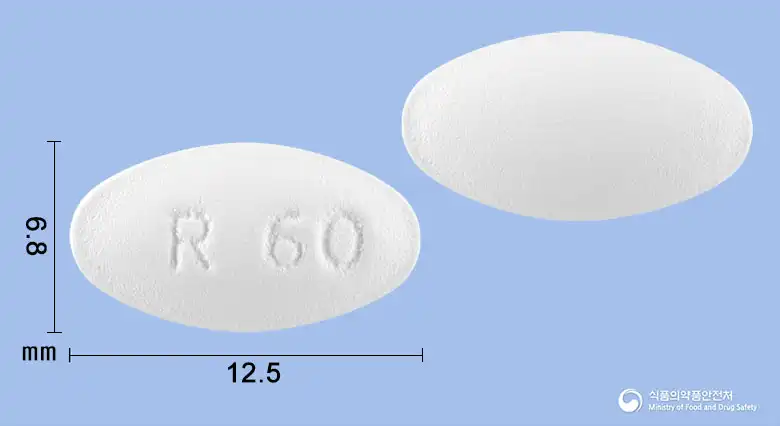
Raloxifene Hydrochloride 60mg
Tablet · Prescription medication
Hanmi Pharmaceutical Co., Ltd.
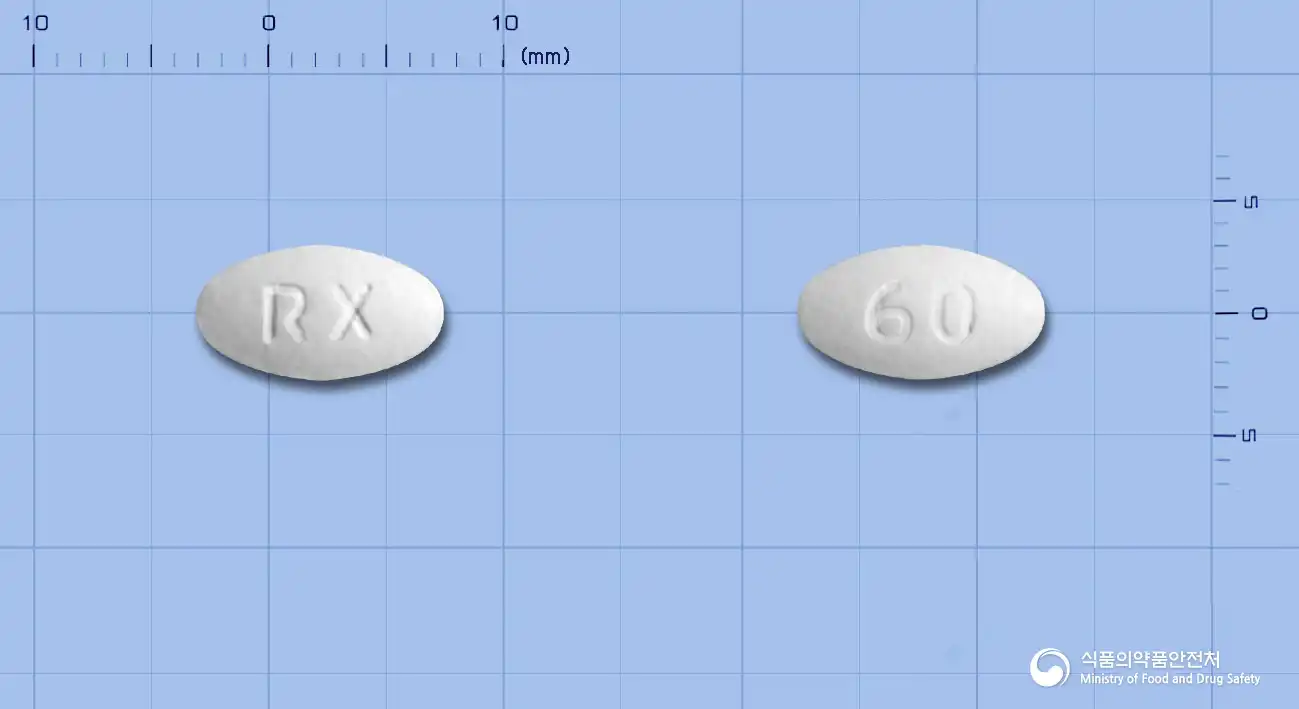
Raloxifene Hydrochloride 60mg
Tablet · Prescription medication
Huons Co., Ltd.
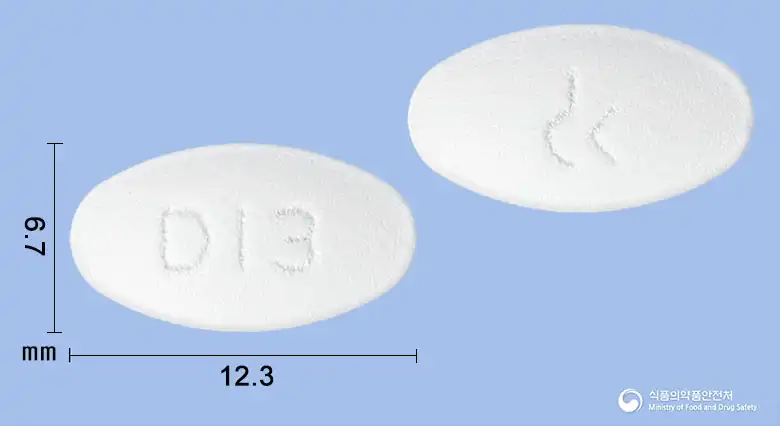
Raloxifene Hydrochloride 60mg
Tablet · Prescription medication
Dongkuk Pharmaceutical Co., Ltd.
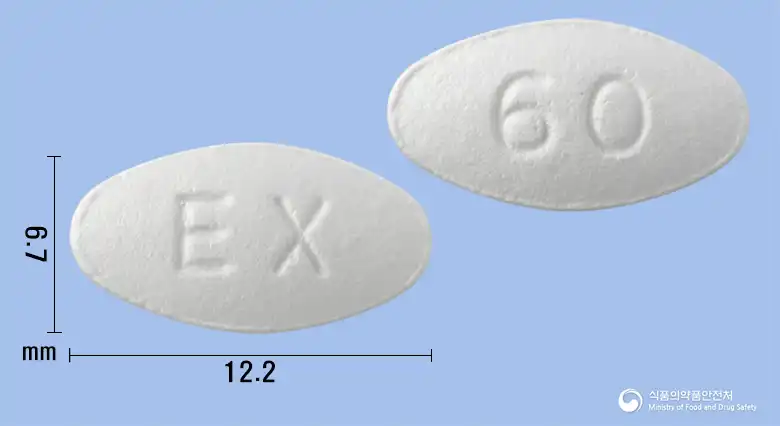
Raloxifene Hydrochloride 60mg
Tablet · Prescription medication
Ilsung IS Co., Ltd.
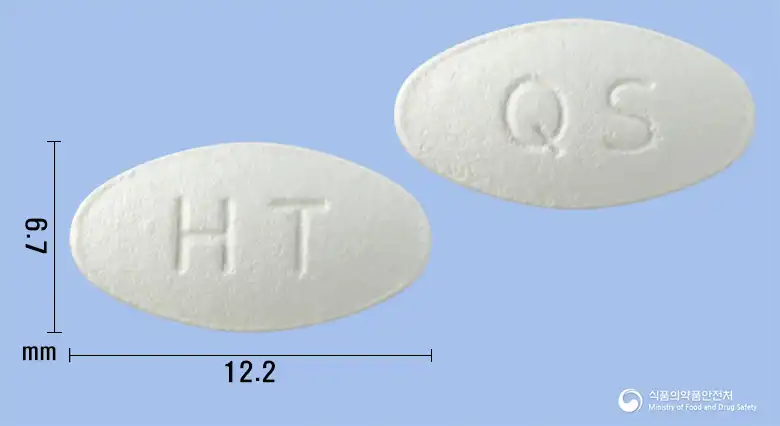
Raloxifene Hydrochloride 60mg
Tablet · Prescription medication
Hanmi Pharmaceutical Co., Ltd.
Even with the same ingredient, the dose and directions can differ by strength and dosage form. Talk to a doctor or pharmacist before switching from a medication you are already taking.
No questions yet.
For anything that needs medical judgment, consult a doctor or pharmacist.
This drug information is based on data provided by the Korea Ministry of Food and Drug Safety.
Consult a doctor or pharmacist for accurate dosage, administration, and usage instructions.