
 한국어
한국어 English
 日本語
日本語 中文(简体)
 Viewing now
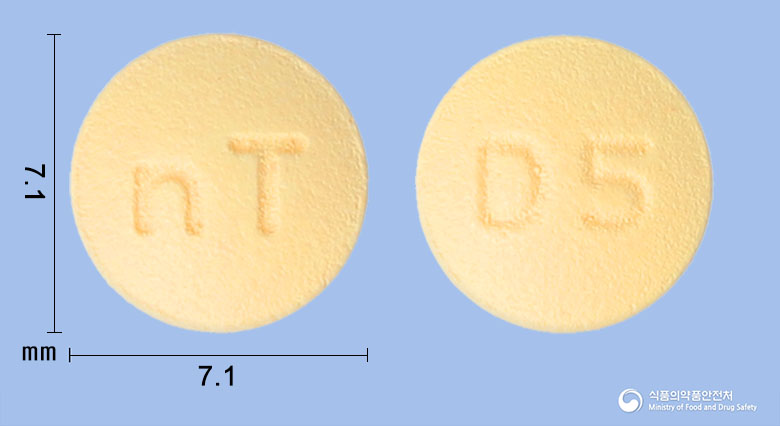
Entdonepezil Tablet 5mg (Donepezil Hydrochloride Hydrate)
Donepezil Hydrochloride Hydrate 5.215mg
Tablet · Prescription medication
Korea Sinthex Pharmaceutical Co., Ltd.
MFDS item code 201906137 · Approved 2019.08.29 · Insurance code 623005580
Improvement of Alzheimer's disease symptoms
The medication used for the treatment of Alzheimer's disease symptoms helps to improve memory decline and cognitive function deterioration. This drug contributes to the enhancement of cognitive abilities in daily life by regulating the balance of neurotransmitters in the brain. It assists patients in managing symptoms and maintaining mental function. It is effective in alleviating dementia symptoms and is important for stabilizing the condition with continuous use, contributing to an overall improvement in quality of life.
As Donepezil hydrochloride, administer 5 mg once daily before bedtime. For 4 to 6 weeks, administer the 5 mg dose, and based on clinical response, it may be increased to 10 mg. In case of an increase to 10 mg daily, caution is advised regarding gastrointestinal adverse reactions. Women aged 85 and older with low body weight should not exceed 5 mg per day.
There is no experience with use in pediatric patients.
This medication should not be used in patients with specific allergic reactions, pregnant or breastfeeding women, and patients with genetic lactose intolerance. Patients with heart disease or heart rhythm problems should use this medication with caution, as it may affect heart rhythm, requiring monitoring by healthcare professionals. Patients with peptic ulcers, asthma, or obstructive pulmonary disease may experience a worsening of symptoms while using this medication, so careful administration is necessary. Patients with extrapyramidal disorders such as Parkinson's disease should be cautious as this medication may worsen their symptoms. This medication contains specific coloring agents that may necessitate caution for those allergic to these ingredients. Serious side effects such as cardiac abnormalities, gastrointestinal bleeding, liver dysfunction, seizures, muscle abnormalities, and shortness of breath may occur during treatment; if any symptoms arise, immediate consultation with healthcare professionals is required. Common side effects may include nausea, vomiting, diarrhea, dizziness, insomnia, headache, and fatigue, which are usually mild and temporary. This medication is used for the treatment of Alzheimer's disease, and efficacy for other types of dementia or memory disorders has not been established. Treatment should be conducted under the diagnosis and supervision of an experienced physician, and discontinuation should be considered if no therapeutic effect is observed. This medication may slow heart rate and induce arrhythmias, so patients with heart disease may require regular ECG monitoring. Caution is needed when driving or operating machinery, particularly during the initial treatment phase or dose adjustment, as dizziness or fatigue may occur. This medication may interact with other drugs, so any concurrent medications should be disclosed to healthcare professionals. Pregnant or breastfeeding women should avoid using this medication unless absolutely necessary, in which case consultation with professionals is required prior to use. Safety in pediatric patients has not been established, so its use is not recommended. In cases of overdose, severe symptoms such as nausea, vomiting, shortness of breath, and seizures may occur, requiring immediate emergency treatment. This medication should be kept out of reach of children and should not be transferred to other containers.
syncope, bradycardia, heart block, QT interval prolongation, myocardial infarction, heart failure, peptic ulcer, perforated duodenal ulcer, gastrointestinal bleeding, hepatitis, liver dysfunction, jaundice, cerebral seizures, cerebral hemorrhage, cerebrovascular disorders, motor dysfunction, ataxia, muscle tone disorders, tremors, involuntary movements, gait disturbances, speech disorders, neuroleptic malignant syndrome, rhabdomyolysis, shortness of breath, acute pancreatitis, acute renal failure, sudden death, ventricular tachycardia (torsades de pointes)
Not everyone experiences these, and they can vary from person to person.
This medication should be stored in a tightly sealed container to prevent air or moisture from entering and should be kept at room temperature between 1°C and 30°C. This helps maintain the effectiveness of the medication and prevents deterioration.
yellow circular film-coated tablet
30 tablets/bottle, 100 tablets/bottle
Even with the same ingredient, strength, dosage form and how it is taken can differ.
Viewing nowDonepezil Hydrochloride Hydrate 5.215mg
Tablet · Prescription medication
Korea Sinthex Pharmaceutical Co., Ltd.
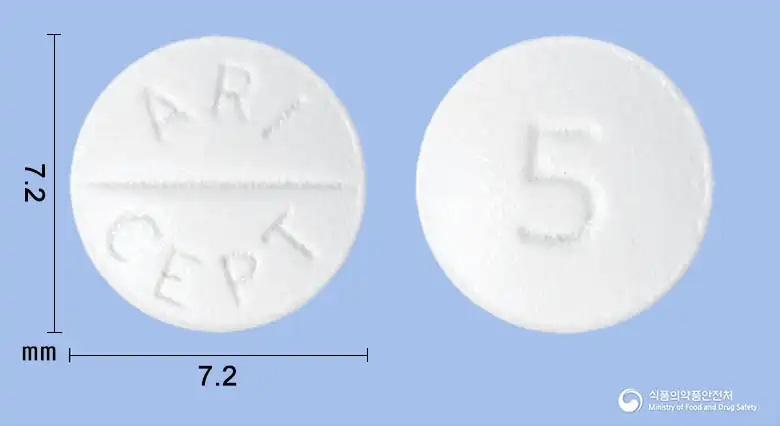
Donepezil Hydrochloride 5mg
Tablet · Prescription medication
HanDoc Co., Ltd.
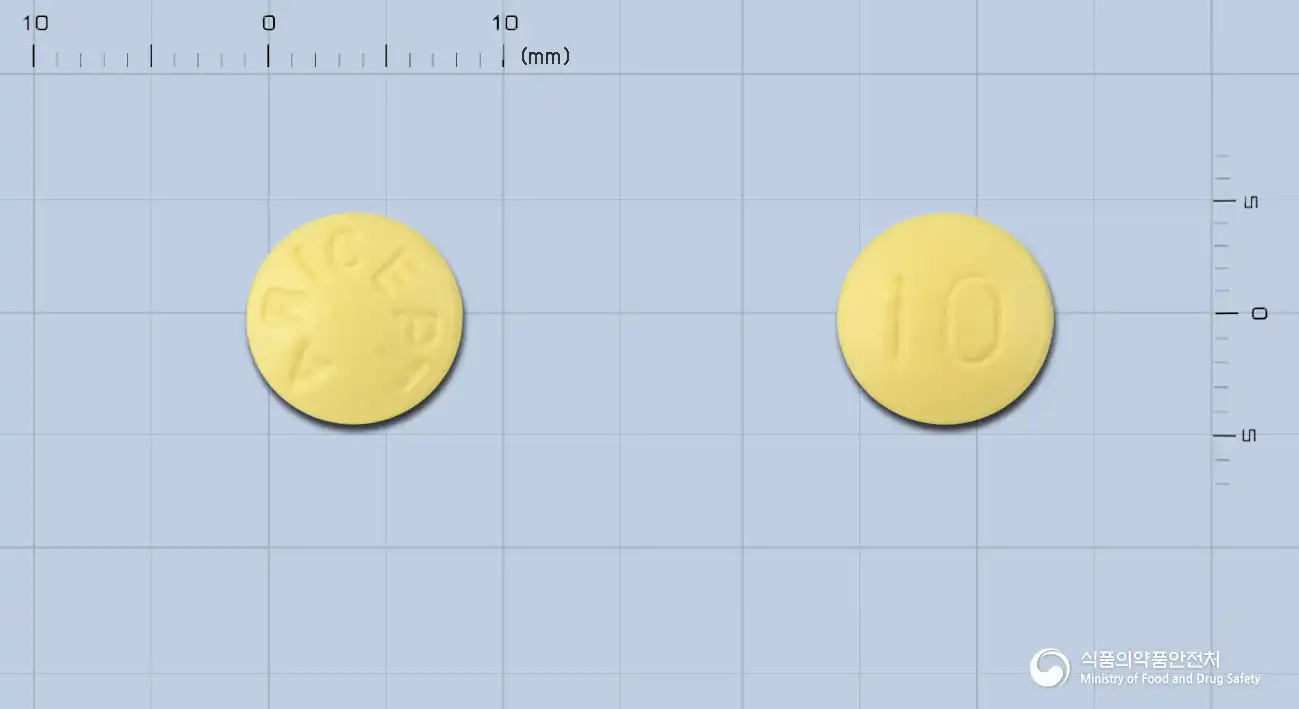
Donepezil Hydrochloride 10mg
Tablet · Prescription medication
Hanmi Pharmaceutical Co., Ltd.

Donepezil Hydrochloride Hydrate 10.43mg
Tablet · Prescription medication
IYun Pharmaceuticals Co., Ltd.

Donepezil Hydrochloride Hydrate 10.43mg
Tablet · Prescription medication
Yuhan Corporation
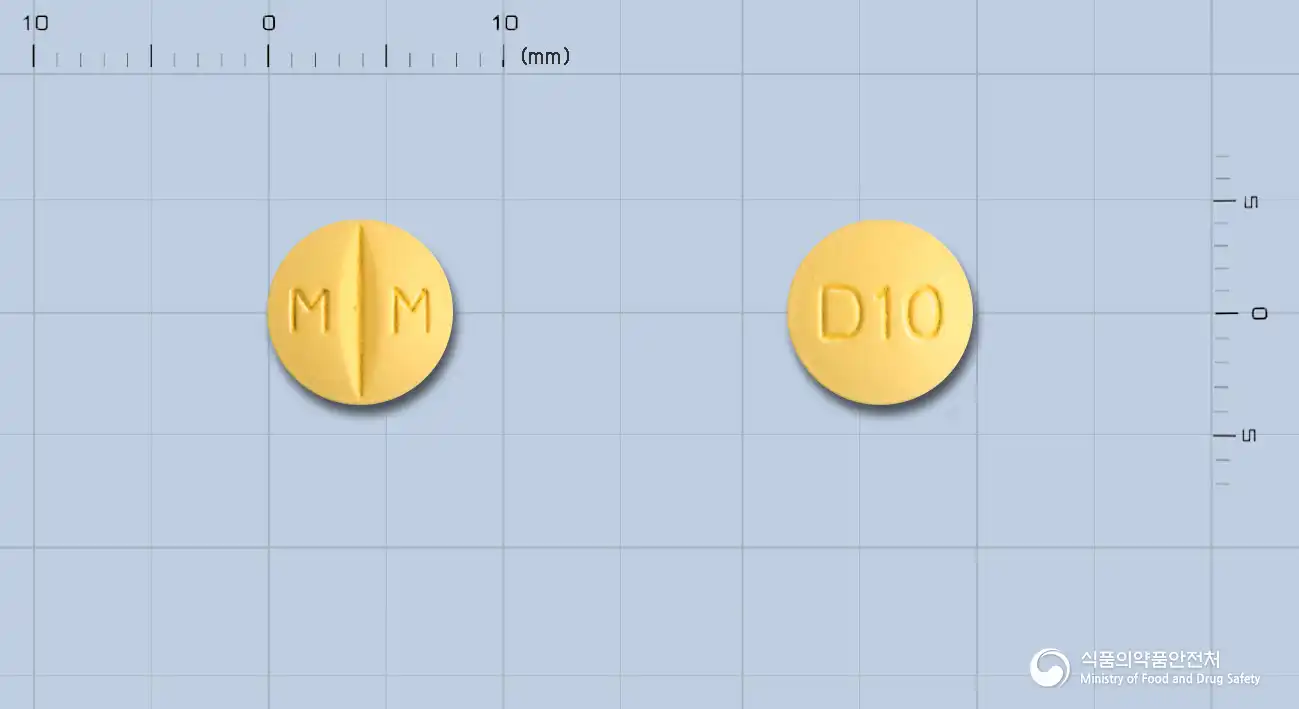
Donepezil Hydrochloride Hydrate 10.43mg
Tablet · Prescription medication
Myungmoon Pharmaceutical Co., Ltd.
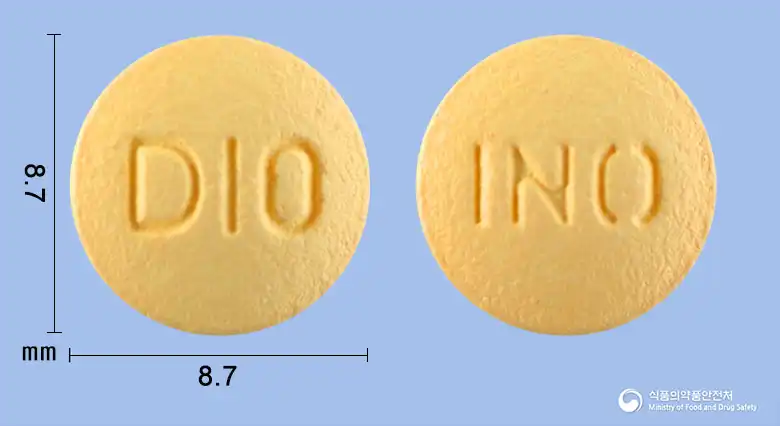
Donepezil Hydrochloride Hydrate 10.43mg
Tablet · Prescription medication
HK inno.N Co., Ltd.
Donepezil Hydrochloride 10mg
Tablet · Prescription medication
Celltrion Pharmaceutical Co., Ltd.
Even with the same ingredient, the dose and directions can differ by strength and dosage form. Talk to a doctor or pharmacist before switching from a medication you are already taking.
No questions yet.
For anything that needs medical judgment, consult a doctor or pharmacist.
This drug information is based on data provided by the Korea Ministry of Food and Drug Safety.
Consult a doctor or pharmacist for accurate dosage, administration, and usage instructions.