
 한국어
 English
 日本語
 中文(简体)
 Viewing nowCombination
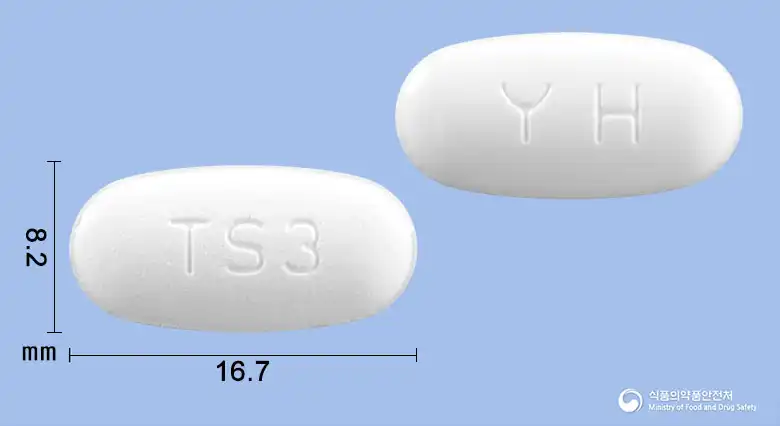
Trusett Tablet 80/5/25 milligrams
Telmisartan 80mg · Amlodipine Besylate 6.935mg +1 more
Prescription medication · Combination
Yuhan Corporation
MFDS item code 201905958 · Approved 2019.08.23 · Insurance code 642105460
Treatment of essential hypertension not controlled with telmisartan and amlodipine combination therapy
Used for patients with essential hypertension where blood pressure is not adequately controlled with the combined therapy of telmisartan and amlodipine.
Take 1 tablet once daily with water, regardless of meals. If possible, it is recommended to take it at the same time each day (e.g., in the morning). Before administering this medicine, it is recommended that the dose be adjusted using the individual ingredients (telmisartan and amlodipine as monotherapy or combination therapy). This medicine 40/5/12.5 milligrams may be administered to patients whose blood pressure is not controlled with telmisartan/amlodipine combination therapy. Adjust the dose at intervals of at least 2 weeks, taking the patient's blood pressure response into account. The maximum dose of this medicine is 80/5/25 milligrams. Patients taking telmisartan/amlodipine combination therapy together with chlorthalidone alone may switch to this medicine (a combination product containing the same amounts of each active ingredient) for convenience.
This drug should not be used during pregnancy as it may cause serious harm to the fetus in the second and third trimesters. Especially, if pregnancy is confirmed, use should be stopped immediately. Caution is needed for patients with impaired liver function or progressing liver disease, as serious side effects such as hepatic coma may occur. This drug may be toxic in patients with very poor kidney function and should be used carefully. Patients with allergies to this drug or its components, specific heart diseases, liver disorders, severe kidney dysfunction, pregnant or breastfeeding women should not take this medication. Moreover, patients with diabetes or severely impaired kidney function should avoid the combination of this medication with certain other drugs. Special care is required when administering this drug to patients with primary aldosteronism, certain heart valve diseases, gastrointestinal diseases, and renal artery hypertension. Elderly individuals or those with hypotension and renal failure should also have their conditions closely monitored during use. This medication lowers blood pressure, so there may be symptoms of hypotension, and side effects like dizziness, headache, and edema may occur. Electrolyte imbalances may arise, requiring regular monitoring of potassium, sodium, and other blood levels. This drug can interact with other antihypertensives, diuretics, lithium, certain antibiotics, and grapefruit juice, so caution is necessary when combining it with other medications. Pregnant or breastfeeding women should not take this drug, and if breastfeeding, should discontinue nursing. In case of overdose, hypotension, cardiac arrhythmias, and renal impairment may occur, so immediate consultation with a healthcare professional is necessary. The safety and efficacy of this drug have not been established in children, so its use is not recommended. Patients should be cautious as dizziness may occur while driving or operating hazardous machinery.
Not everyone experiences these, and they can vary from person to person.
This drug is light-sensitive and should be stored in a container that prevents exposure to light. Additionally, it is important to store it at room temperature, between 1 to 30 degrees Celsius, to maintain its efficacy.
White oval tri-layer tablet
30 tablets/box [6 tablets/PTP*5]
Even with the same ingredient, strength, dosage form and how it is taken can differ.
Viewing nowCombinationTelmisartan 80mg · Amlodipine Besylate 6.935mg +1 more
Prescription medication · Combination
Yuhan Corporation
 Combination
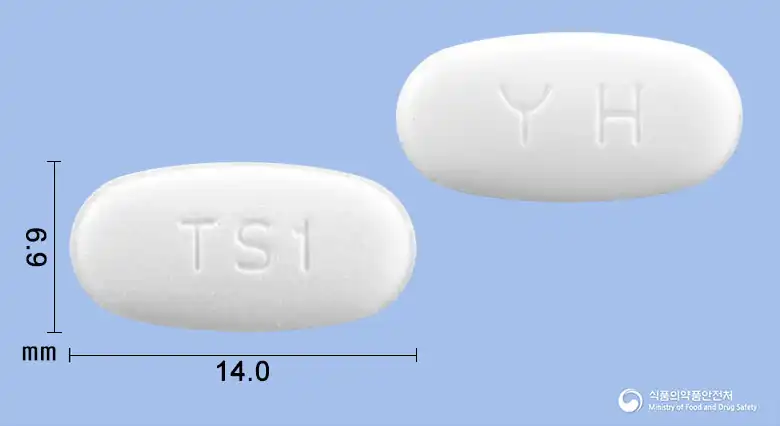
Telmisartan 40mg · Amlodipine Besylate 6.935mg +1 more
Prescription medication · Combination
Yuhan Corporation
 Combination
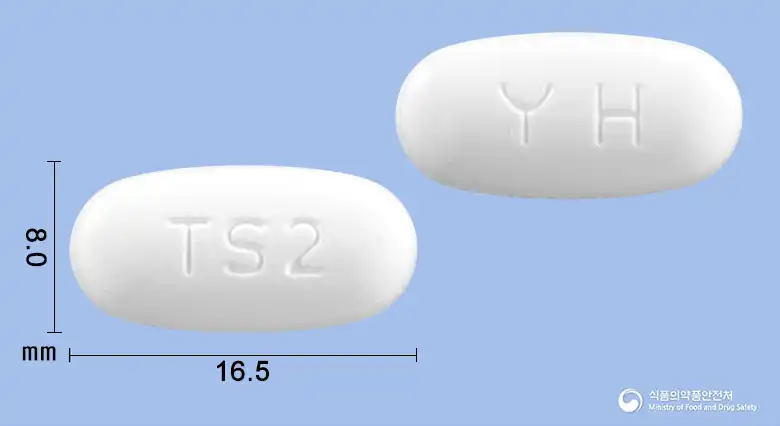
Telmisartan 80mg · Amlodipine Besylate 6.935mg +1 more
Prescription medication · Combination
Yuhan Corporation
 Combination
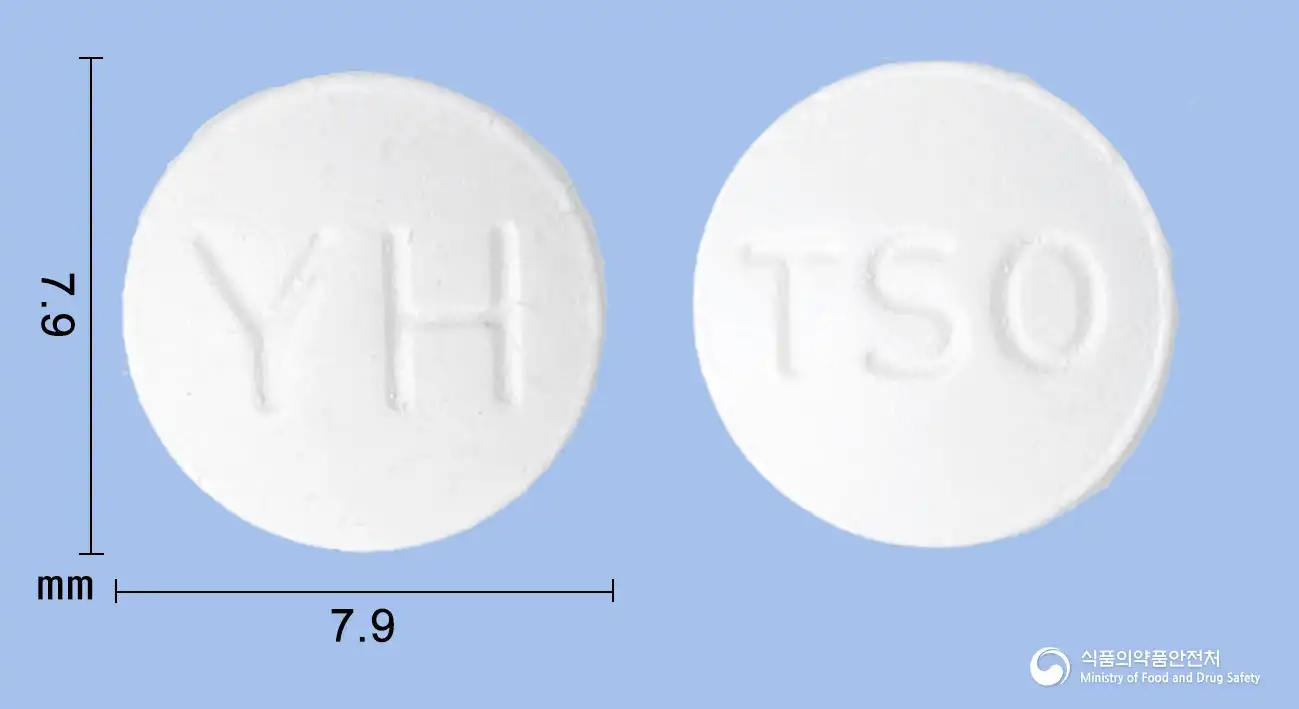
Telmisartan 20mg · Chlorthalidone 6.25mg +1 more
Tablet · Prescription medication · Combination
Yuhan Corporation
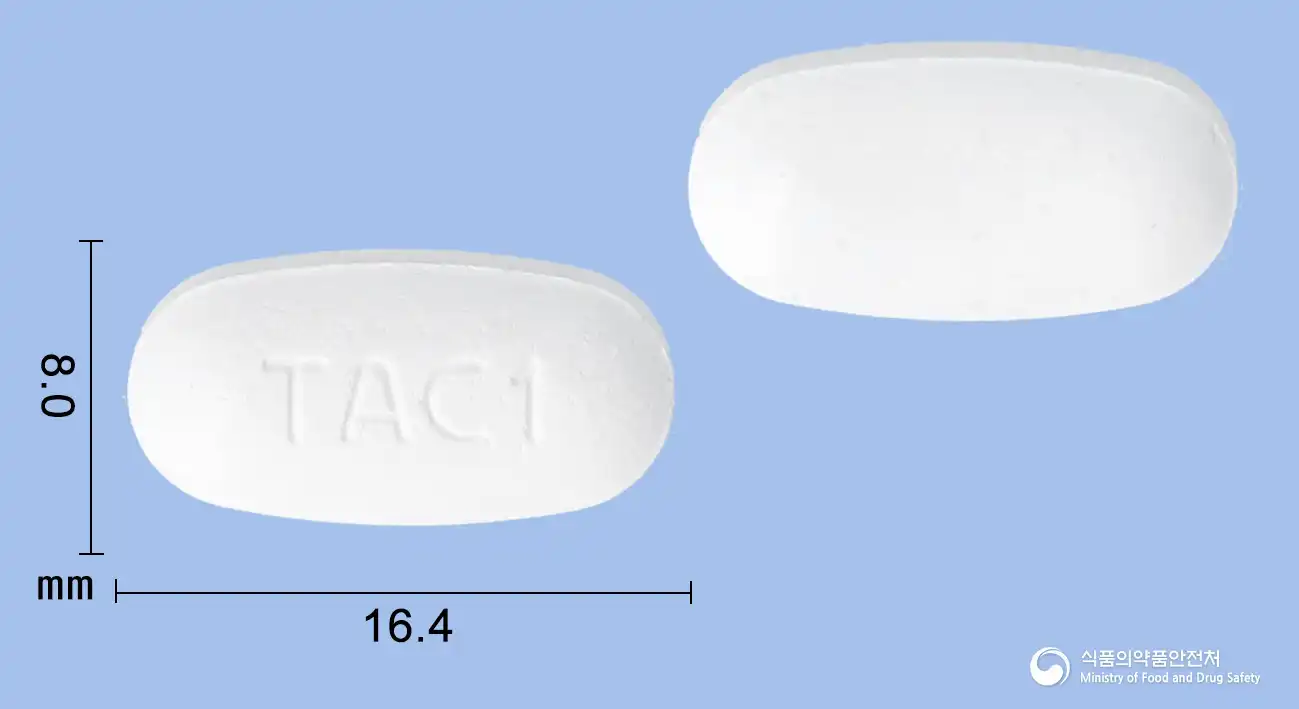 Combination
Telmisartan 80mg · Chlorthalidone 25mg +1 more
Prescription medication · Combination
Genupharm Co., Ltd.
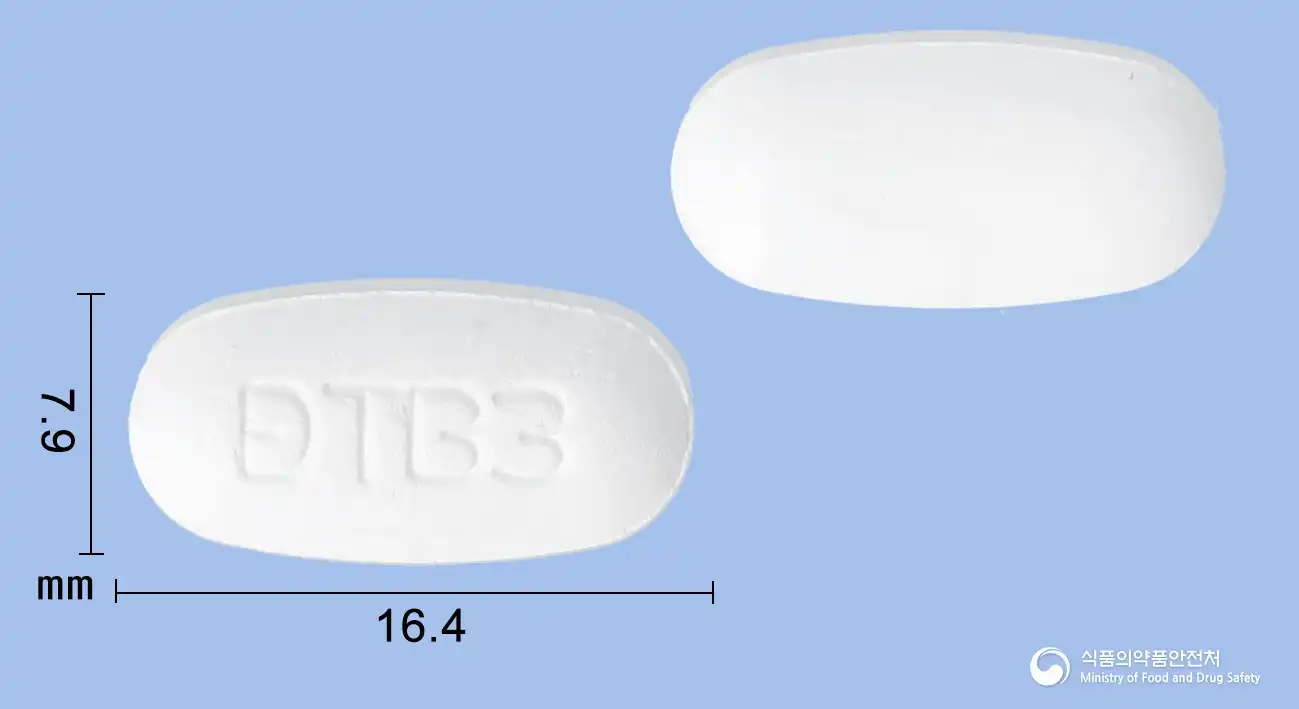 Combination
Telmisartan 80mg · Chlorthalidone 25mg +1 more
Prescription medication · Combination
Daewoong Bio Co., Ltd.
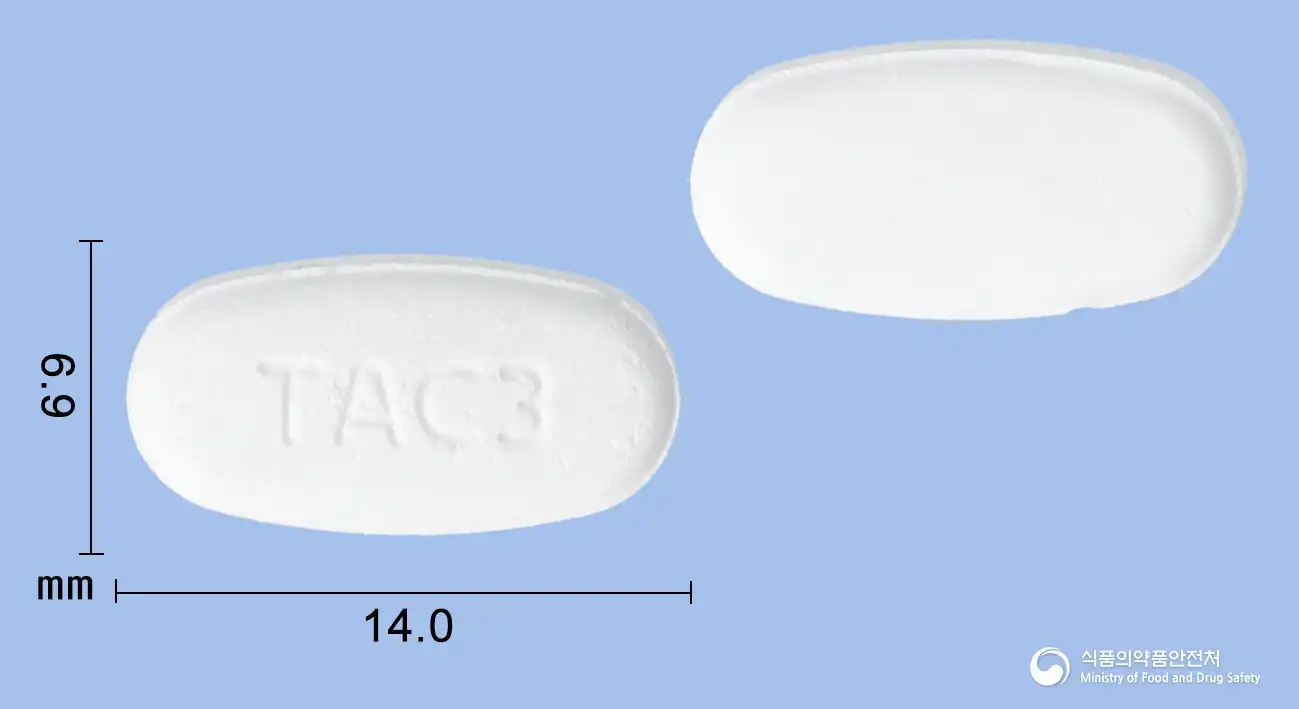 Combination
Telmisartan 40mg · Chlorthalidone 12.5mg +1 more
Prescription medication · Combination
Genupharm Co., Ltd.
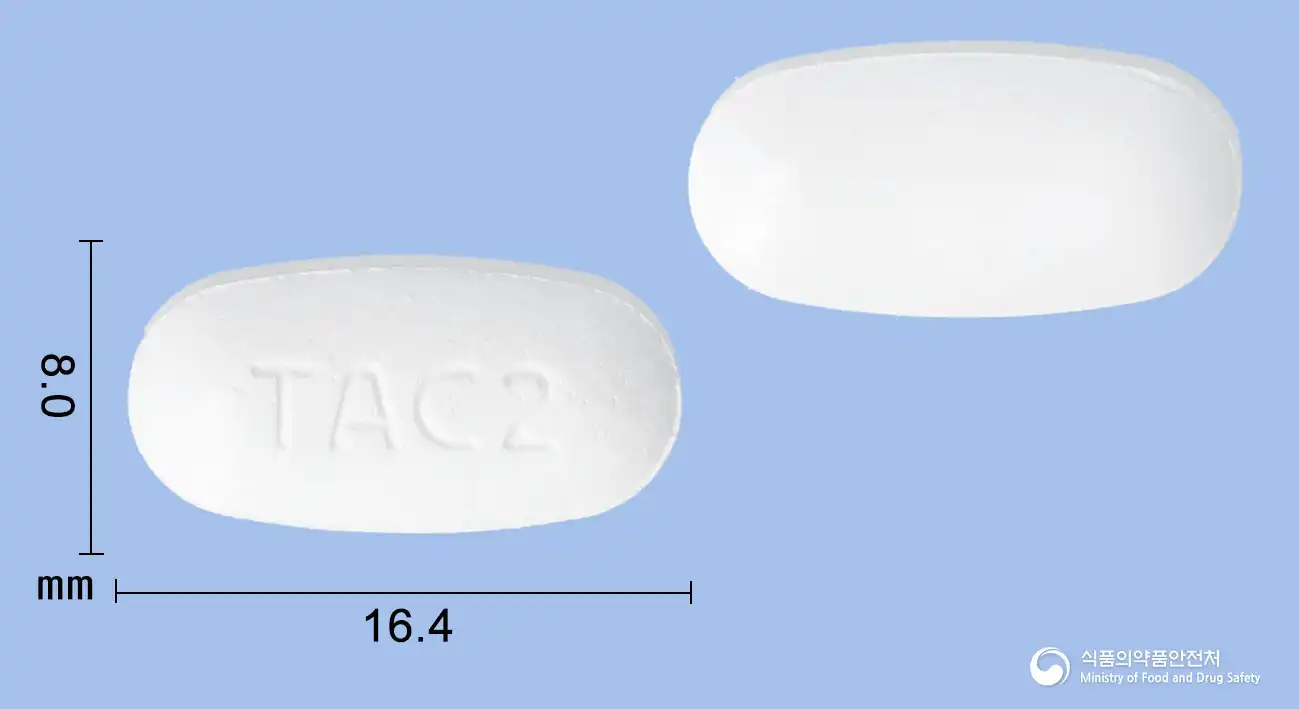 Combination
Telmisartan 80mg · Chlorthalidone 12.5mg +1 more
Prescription medication · Combination
Genupharm Co., Ltd.
Even with the same ingredient, the dose and directions can differ by strength and dosage form. Talk to a doctor or pharmacist before switching from a medication you are already taking.
No questions yet.
For anything that needs medical judgment, consult a doctor or pharmacist.
This drug information is based on data provided by the Korea Ministry of Food and Drug Safety.
Consult a doctor or pharmacist for accurate dosage, administration, and usage instructions.