
 한국어
한국어 English
 日本語
日本語 中文(简体)
 Viewing now
Emperison Extended-Release Tablets (Eperisone Hydrochloride)
Eperisone Hydrochloride 75mg
Tablet · Prescription medication
Bionex Co., Ltd.
MFDS item code 201905950 · Approved 2019.08.22 · Insurance code 643105230
Relief of muscular spasms associated with musculoskeletal disorders (cervical spondylosis, periarthritis of the shoulder)
This medication is used to relieve painful muscle spasms associated with musculoskeletal disorders. It is effective for conditions such as cervical spondylosis, periarthritis of the shoulder, and low back pain. It helps reduce muscle tension and pain caused by these symptoms, allowing for comfort. Therefore, it is used as an effective treatment for alleviating muscle spasms and pain.
This medication is an extended-release tablet and should be taken whole without crushing, splitting, or chewing. Administer 1 tablet (75 mg as eperisone hydrochloride) orally after meals, twice daily. Adjust dosage appropriately based on age and symptoms.
This medication should not be used in patients with allergic reactions or severe myasthenia. It should be administered carefully to patients with a history of hypersensitivity to the drug or impaired liver function, as it may worsen liver function. Rarely, severe allergic reactions or serious skin abnormalities may occur during treatment, so if symptoms such as erythema, itching, hives, or difficulty breathing appear, the use should be immediately discontinued and medical attention sought. Additionally, if symptoms such as fever, skin rash, blisters, eye redness, or stomatitis appear, the medication should be stopped immediately and appropriate treatment received. This drug may cause various side effects such as dizziness, headache, drowsiness, nausea, vomiting, and abdominal pain; if these symptoms are severe, consult a physician. Weakness, staggering, or drowsiness may occur during treatment, so if these symptoms appear, it is advisable to reduce or discontinue the dosage. It is safe to avoid activities requiring attention, such as driving or operating machinery, during the use of this medication. Women who are pregnant or may become pregnant should use this drug only if the benefits outweigh the risks, as its safety has not been established. Breastfeeding women should preferably avoid taking this medication, and if it must be taken, discontinuing breastfeeding is recommended. The safety of this drug in children has not been fully established, so it should be administered to children with caution. Older adults may have decreased physical function, so caution is needed in adjusting the dosage.
Not everyone experiences these, and they can vary from person to person.
This medication should be stored in a tightly sealed container to prevent air or moisture from entering. It is important to maintain the storage temperature between 1 degree and 30 degrees Celsius at room temperature. Proper storage will ensure the safety and effectiveness of the medication.
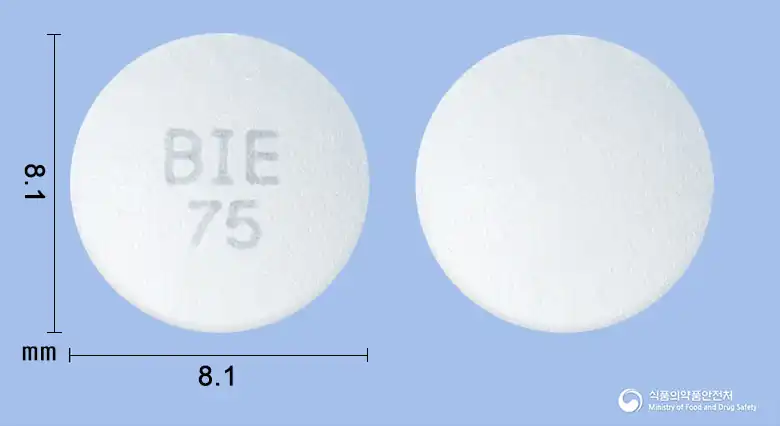
Round, film-coated extended-release tablets, white to almost white
30 tablets/bottle, 500 tablets/bottle
Even with the same ingredient, strength, dosage form and how it is taken can differ.
Viewing nowEperisone Hydrochloride 75mg
Tablet · Prescription medication
Bionex Co., Ltd.
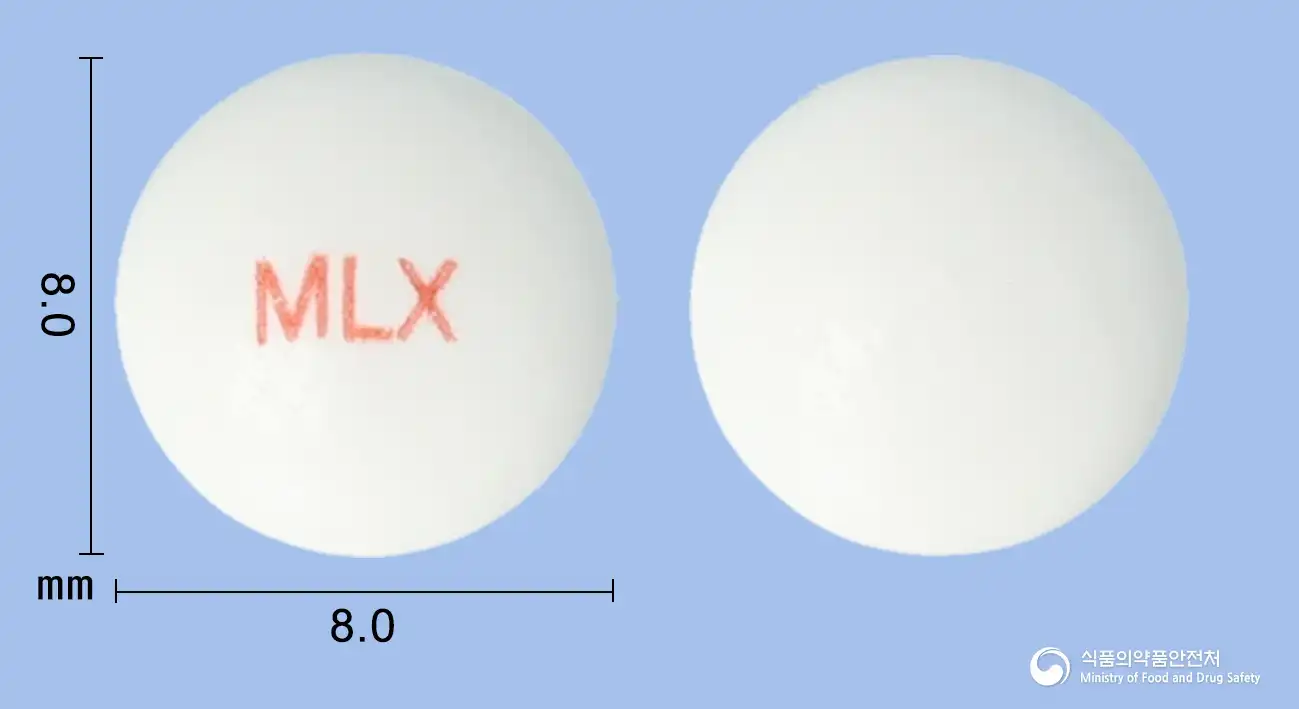
Eperisone Hydrochloride 50mg
Tablet · Prescription medication
Chodang Pharmaceutical Co., Ltd.
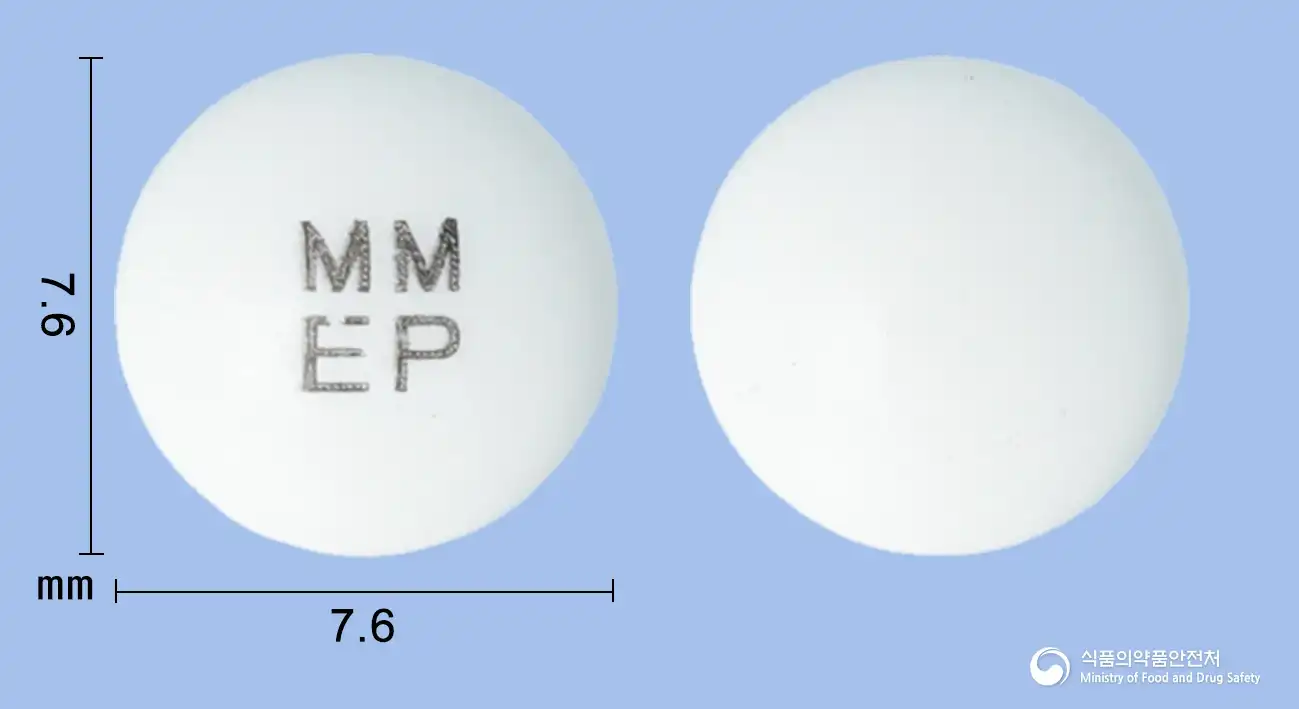
Eperisone Hydrochloride 50mg
Tablet · Prescription medication
Myeongmun Pharmaceutical Co., Ltd.
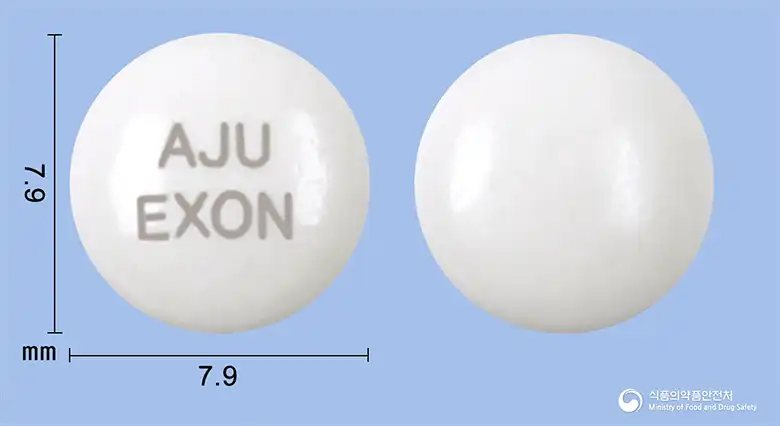
Eperisone Hydrochloride 50mg
Prescription medication
Aju Pharmaceutical Co., Ltd.
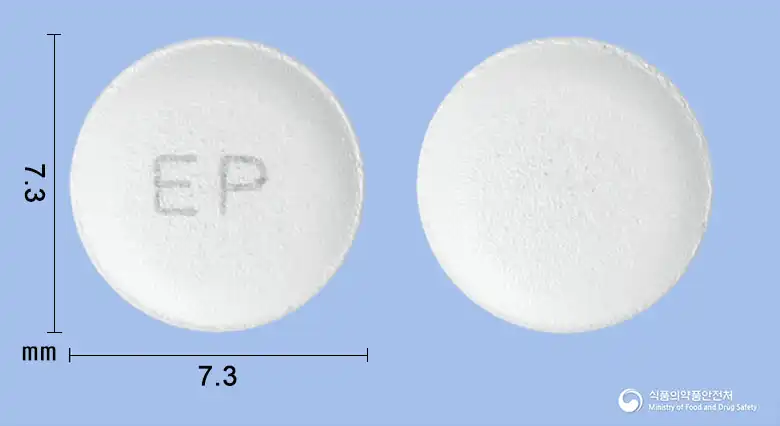
Eperisone Hydrochloride 50mg
Tablet · Prescription medication
Daewoo Pharmaceutical Co., Ltd.
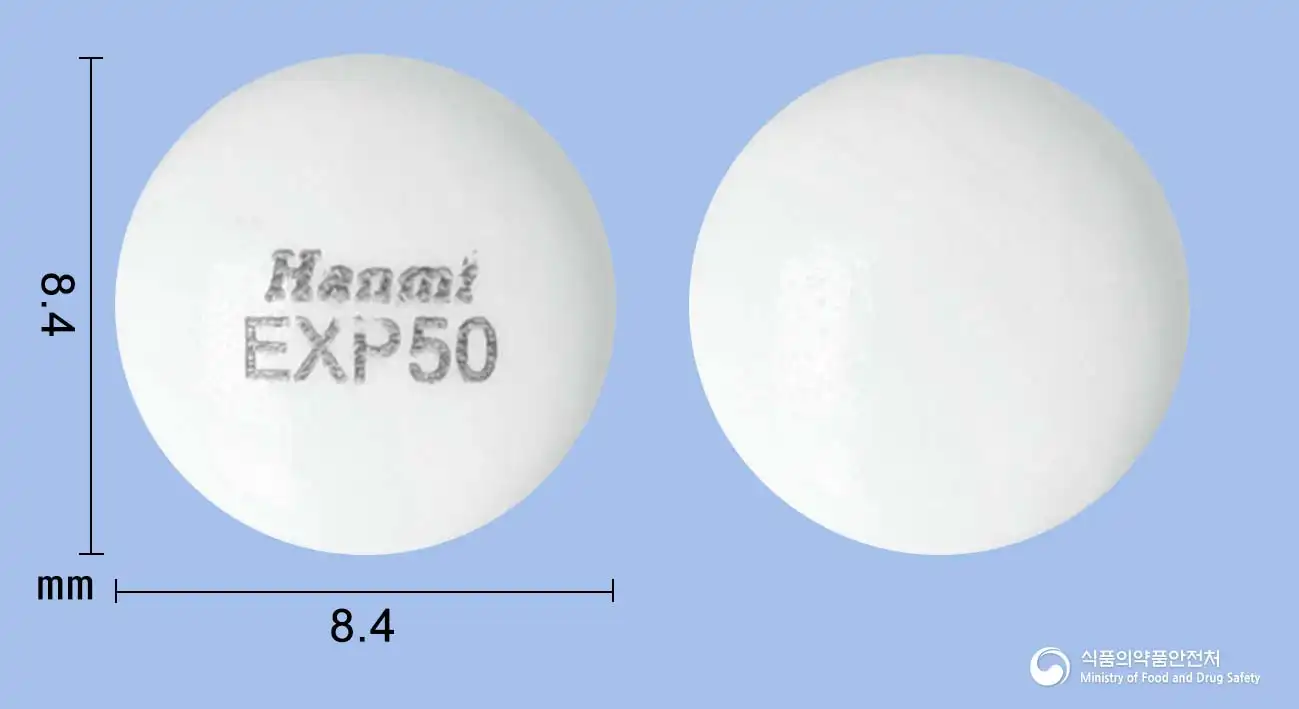
Eperisone Hydrochloride 50mg
Prescription medication
Hanmi Pharmaceutical Co., Ltd.
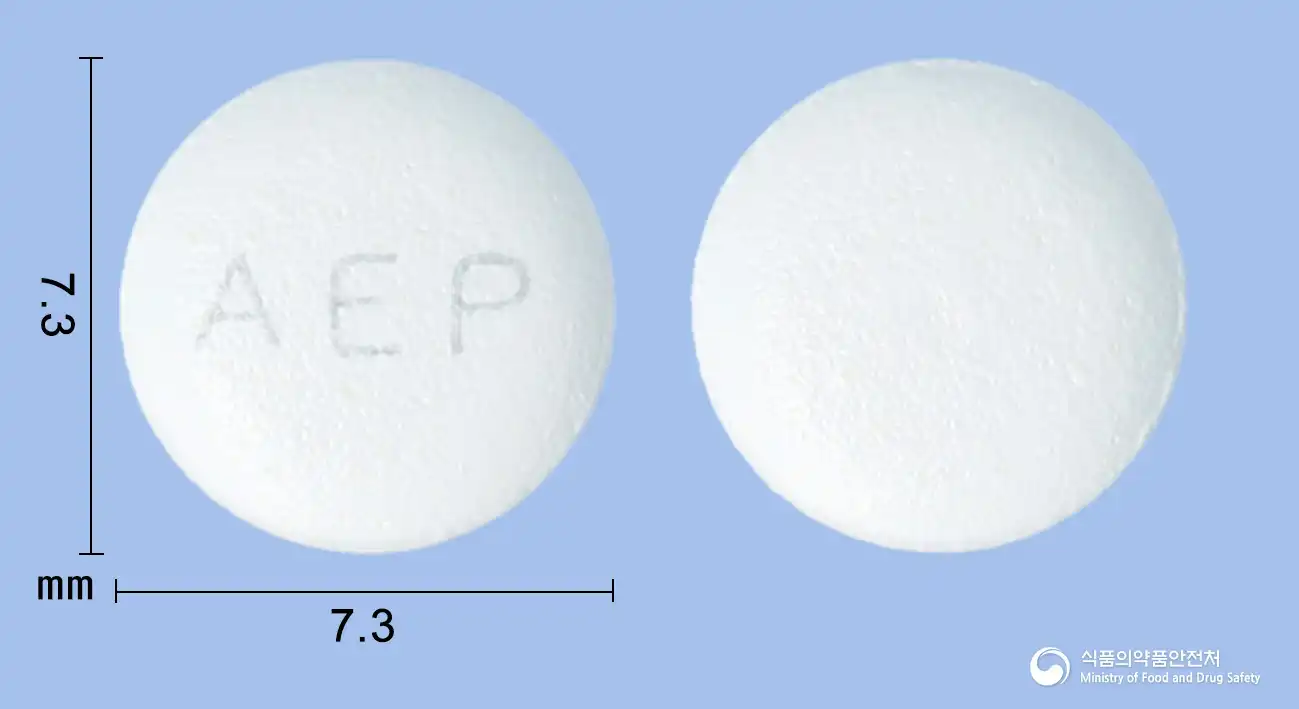
Eperisone Hydrochloride 50mg
Tablet · Prescription medication
Kyungdong Pharmaceutical Co., Ltd.
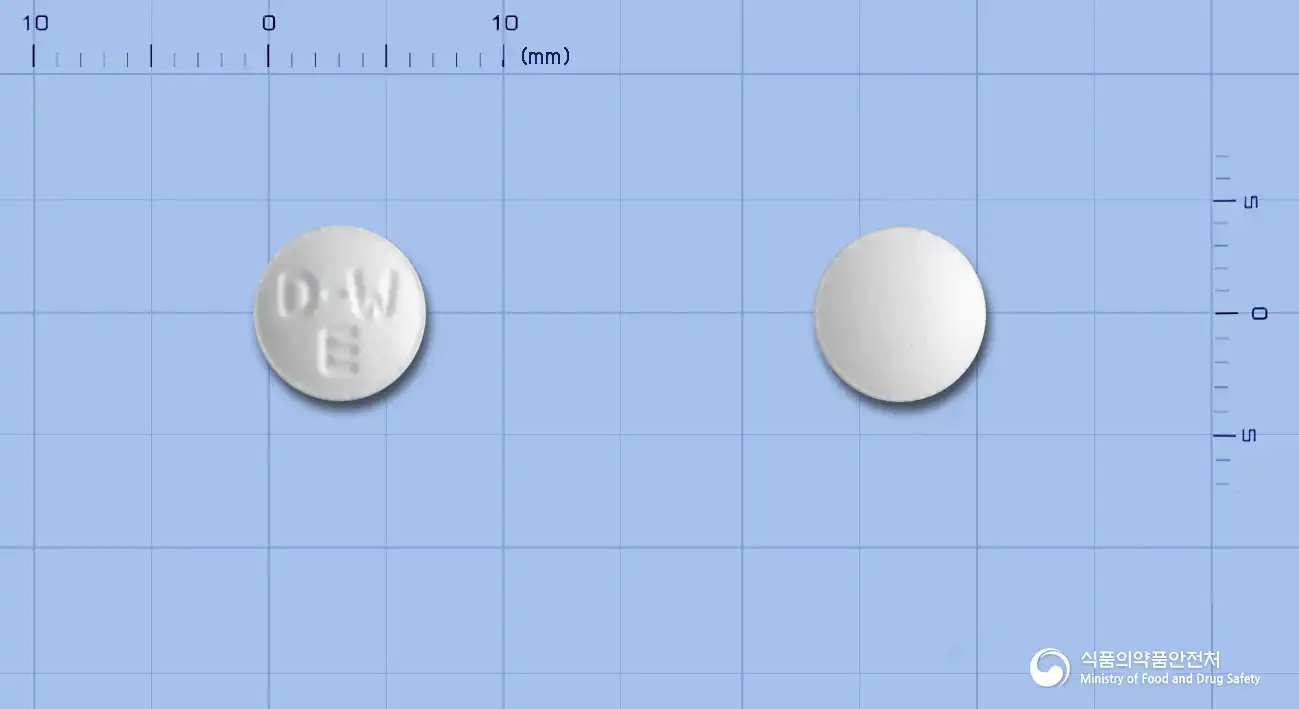
Eperisone Hydrochloride 50mg
Tablet · Prescription medication
Dongwha Pharmaceutical Co., Ltd.
Even with the same ingredient, the dose and directions can differ by strength and dosage form. Talk to a doctor or pharmacist before switching from a medication you are already taking.
No questions yet.
For anything that needs medical judgment, consult a doctor or pharmacist.
This drug information is based on data provided by the Korea Ministry of Food and Drug Safety.
Consult a doctor or pharmacist for accurate dosage, administration, and usage instructions.