
 한국어
 English
 日本語
 中文(简体)
 Viewing now
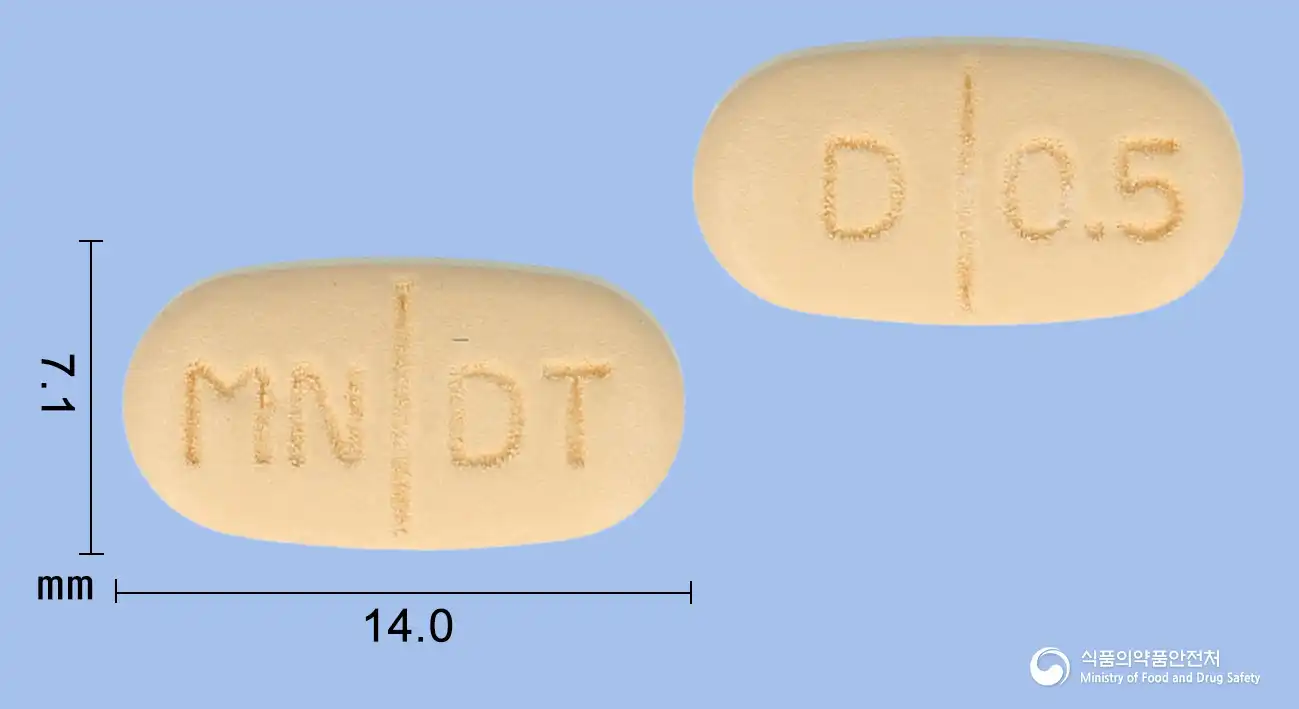
Dutamoa Tablet 0.5 mg (Dutasteride)
Dutasteride 0.5mg
Tablet · Prescription medication
JW Pharmaceutical Corp.
MFDS item code 201905934 · Approved 2019.08.22
Treatment of benign prostatic hyperplasia and androgenetic alopecia in adult men
This medication is used to improve the symptoms in patients with benign prostatic hyperplasia, reduce the risk of acute urinary retention, and decrease the need for related surgery. It is also effective in treating male pattern hair loss in adult males. Therefore, it contributes to prostate health and hair loss management.
The recommended dose of this drug is 1 tablet (0.5mg) once daily. Swallow this drug whole without chewing or splitting it. This drug may be taken with or without food. No dose adjustment is necessary in patients with renal impairment or elderly patients. The recommended dose of this drug in patients with hepatic impairment has not been established because there are no data on its administration to these patients.
This medication can be absorbed through the skin; therefore, women who are pregnant or may become pregnant should not directly handle or touch this medication. Touching broken or crushed pieces of this medication should be avoided, as exposure to this medication can affect the genital development of a male fetus. Children should also avoid touching broken pieces of this medication, and this medication should not be administered to children under 18 years of age. Women should not take this medication, and it should not be used by those with an allergy to this medication or similar ingredients. Adult males planning to conceive should use this medication cautiously under the guidance of a physician due to its potential impact on reproductive ability. Patients with urinary issues or liver dysfunction should exercise additional caution when taking this medication. Furthermore, drug interactions may occur when combined with strong CYP3A4 inhibitors. This medication primarily may cause reproductive system side effects, including erectile dysfunction, decreased libido, ejaculation disorder, and gynecomastia. These side effects can persist even after discontinuation, so consultation with a doctor is necessary. Long-term use has not shown an increased incidence of sexual dysfunction or breast disorders, but the association with male breast cancer is unclear. During the use of this medication, PSA levels, a screening test for prostate cancer, may decrease, so caution is needed when interpreting PSA tests, and regular tests are recommended. Patients taking this medication should not donate blood, and at least 6 months must pass after the last dose before blood donation is possible. There are no specific antidotes for overdose, so if symptoms occur, notify medical personnel immediately for appropriate treatment. Store this medication out of reach of children and in its original container to prevent misuse or quality degradation. While it is known not to affect driving or machine operation, individual variations may exist, indicating the need for caution. Heart failure patients may experience an increased risk when combining this medication with other drugs, so administration should follow a physician's instructions. No significant interactions have been reported with multiple medications; however, caution is necessary when taking CYP3A4 inhibitors. Pregnant or breastfeeding women should not use this medication, and women should especially avoid directly handling it. It can be safely used in the elderly, although the effects in male pattern hair loss patients over 50 years old have not been sufficiently studied. Long-term use may affect reproductive ability, requiring regular evaluation. Before administering this medication, it is essential to assess for prostate cancer or other urological diseases, and regular examinations are necessary during treatment.
Not everyone experiences these, and they can vary from person to person.
This medication should be stored in a tightly sealed container to prevent air and moisture from entering, and it is safest to store it at room temperature between 1 to 30 degrees Celsius. Proper storage maintains the effectiveness of the medication for a longer period.
Pale yellow, oval film-coated tablet
30 tablets/box [(10 tablets/PI*3)]
Even with the same ingredient, strength, dosage form and how it is taken can differ.
Viewing nowDutasteride 0.5mg
Tablet · Prescription medication
JW Pharmaceutical Corp.
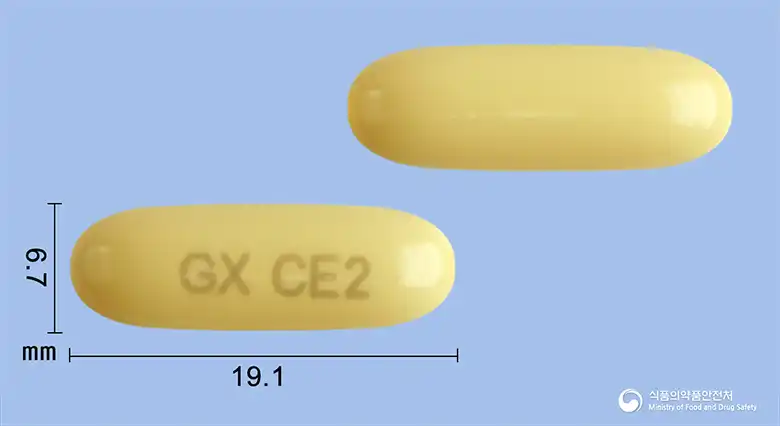
Dutasteride 0.5mg
Soft capsule · Prescription medication
GlaxoSmithKline Co., Ltd.
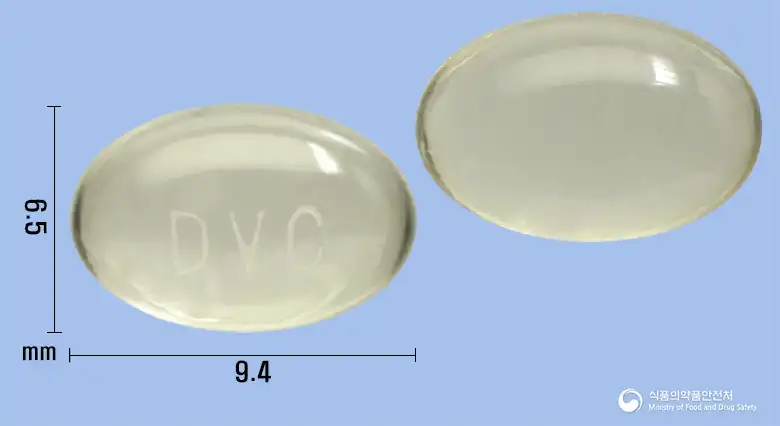
Dutasteride 0.5mg
Soft capsule · Prescription medication
Dong-A ST Co., Ltd.
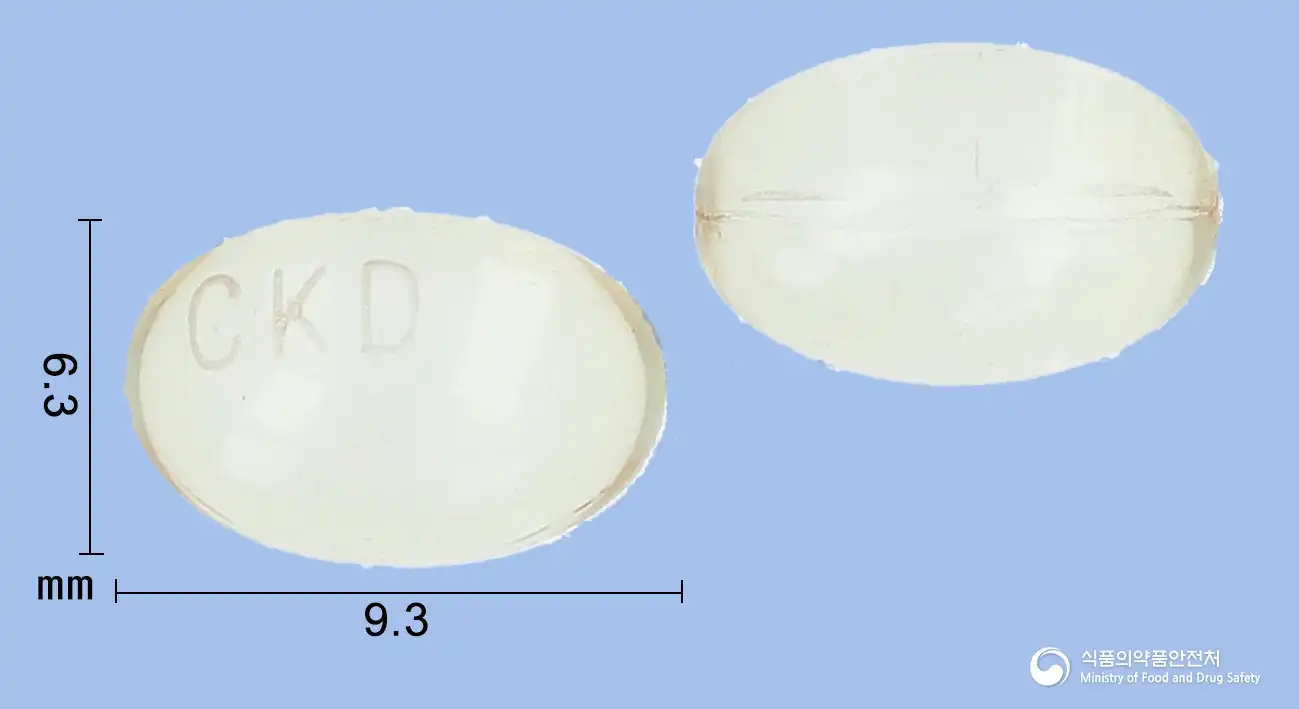
Dutasteride 0.5mg
Soft capsule · Prescription medication
Jongkundang Co., Ltd.
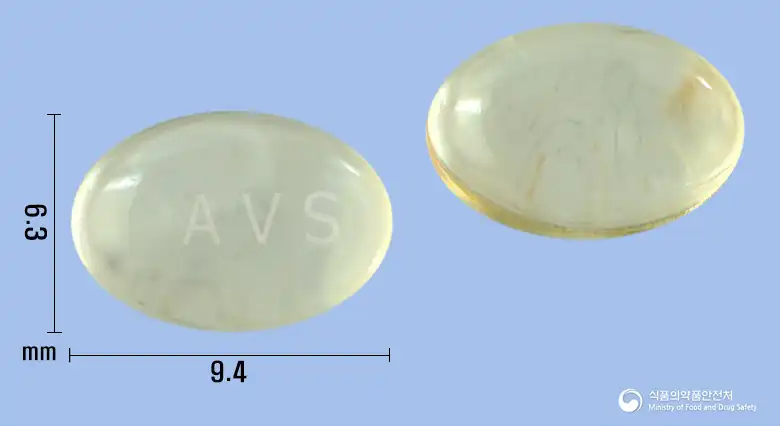
Dutasteride 0.5mg
Soft capsule · Prescription medication
IlYung Pharmaceutical Co., Ltd.
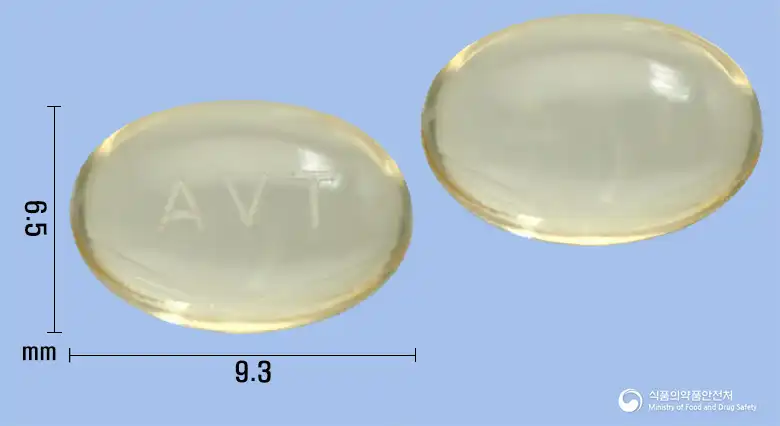
Dutasteride 0.5mg
Soft capsule · Prescription medication
Yuhan Corporation
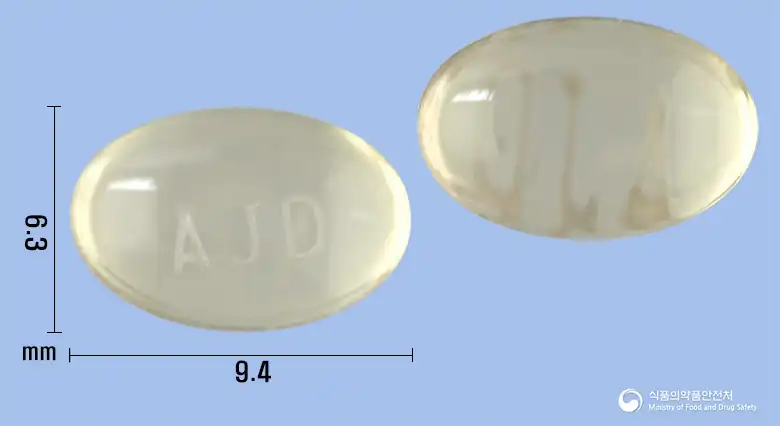
Dutasteride 0.5mg
Soft capsule · Prescription medication
Ajou Pharmaceutical Co., Ltd.
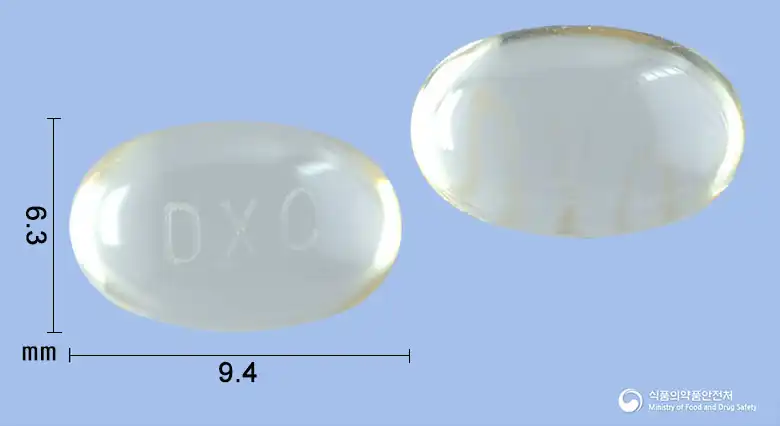
Dutasteride 0.5mg
Soft capsule · Prescription medication
JW Pharmaceutical Co., Ltd.
Even with the same ingredient, the dose and directions can differ by strength and dosage form. Talk to a doctor or pharmacist before switching from a medication you are already taking.
No questions yet.
For anything that needs medical judgment, consult a doctor or pharmacist.
This drug information is based on data provided by the Korea Ministry of Food and Drug Safety.
Consult a doctor or pharmacist for accurate dosage, administration, and usage instructions.