
 한국어
한국어 English
 日本語
日本語 中文(简体)
 Viewing now
Melasmin Capsule (Tranexamic Acid)
Tranexamic Acid 250mg
Hard capsule · Prescription medication
Austin Pharmaceutical Co., Ltd.
MFDS item code 201905925 · Notified 2019.08.21
Improvement of bleeding tendency due to systemic and local fibrinolysis.
This medication is used for bleeding tendencies associated with systemic fibrinolysis, such as leukemia, aplastic anemia, purpura, cancer, and abnormal bleeding during and after surgery. It is also used to treat abnormal bleeding associated with local fibrinolysis occurring during and after surgery for lung, genital, kidney, and prostate. In other words, it is a drug that helps improve various systemic and local bleeding conditions.
As tranexamic acid, the usual adult dosage is 750 to 2000 mg per day divided into 3 to 4 oral doses. Adjust according to age and symptoms.
This medication should not be used in patients receiving thrombin. Caution is required in patients with severe renal impairment, as the drug may accumulate in the body. It should not be administered to patients with allergic reactions to this drug or its components. Patients with active thromboembolism should not use this medication. Administer this drug with caution in patients with thrombosis or risk of thrombosis. Care is needed when using this drug in patients with bleeding disorders, especially when used with other anticoagulants. In post-surgery patients who remain bedbound for long periods or are receiving compression hemostatic treatment, there is a higher risk of thrombosis, increasing the likelihood of thrombosis with this medication. Patients with renal insufficiency may have elevated blood concentrations of this medication, so caution is essential. This medication contains Yellow No. 5, so it should be used with caution in patients with known allergies or hypersensitivity to this component. Rarely, shock or hypersensitivity reactions may occur, so treatment should be discontinued immediately and appropriate measures taken if symptoms arise. Transient alterations in color perception may occur; if these symptoms appear, administration should be stopped. In patients with urinary bleeding, reports of urinary obstruction have occurred, so caution is necessary. Gastrointestinal symptoms such as loss of appetite, nausea, vomiting, diarrhea, and epigastric discomfort may occur. Rarely, symptoms such as drowsiness, headache, and thrombosis may appear; consult a physician if abnormal symptoms occur. When using this drug for a long time, patients with angioedema should undergo regular eye examinations and liver function tests. Patients with abnormal menstrual bleeding are advised not to use this medication until the cause of the bleeding is identified. Administering this medication with other anticoagulants may increase the risk of thrombosis, so caution is necessary. The risk of thromboembolism may increase when used together with hormonal contraceptives, so non-hormonal contraceptive methods are recommended. Use in pregnant women should be approached with caution, as this medication can cross the placenta, while small amounts may be transmitted to breast milk, but it is expected to have little effect on infants. There is insufficient data on safety and efficacy in children under 15 years of age, so caution is warranted. Elderly patients require careful dose adjustments due to decreased bodily functions. Overdose may result in symptoms such as nausea, vomiting, and orthostatic hypotension, requiring immediate treatment and sufficient fluid intake. Long-term administration of large doses may lead to ocular abnormalities, so caution is advised.
Shock, massive hematuria in the upper urinary tract, urinary obstruction, arterial and venous thrombosis, thromboembolism
Itching, rash, flushing, transient alterations in color perception, loss of appetite, nausea, vomiting, diarrhea, epigastric discomfort, drowsiness, headache
Not everyone experiences these, and they can vary from person to person.
Store this medication in a sealed container to prevent air exposure and ideally at a temperature between 1 degree and 30 degrees Celsius. Proper storage will help maintain the drug's efficacy over time.
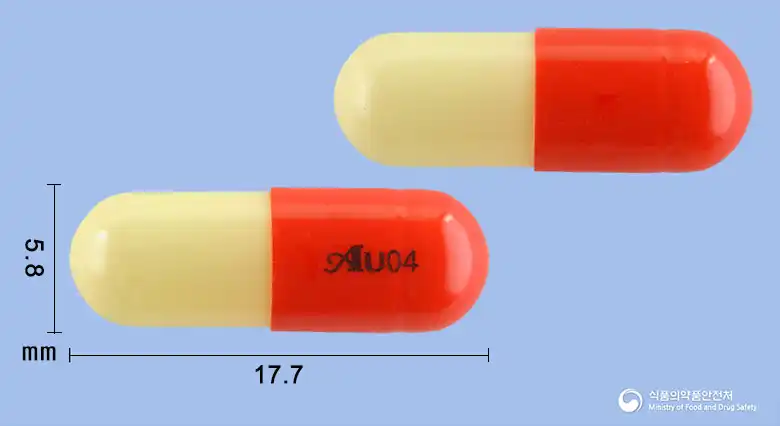
Hard capsules with an upper orange and lower yellow color containing white powder
30 capsules/bottle, 100 capsules/bottle
Even with the same ingredient, strength, dosage form and how it is taken can differ.
Viewing nowTranexamic Acid 250mg
Hard capsule · Prescription medication
Austin Pharmaceutical Co., Ltd.
Tranexamic Acid 50mg
Prescription medication
Jeil Pharmaceutical Co., Ltd.
Tranexamic Acid 100mg
Prescription medication
Jeil Pharmaceutical Co., Ltd.
Tranexamic Acid 500mg
Injections · Prescription medication
Shinpoong Pharmaceutical Co., Ltd.
Tranexamic Acid 100mg
Prescription medication
Korea Union Pharma Co., Ltd.
Tranexamic Acid 50mg
Prescription medication
Korea Union Pharmaceutical Co., Ltd.
Tranexamic Acid 250mg
Hard capsule · Prescription medication
Genupharm Co., Ltd.
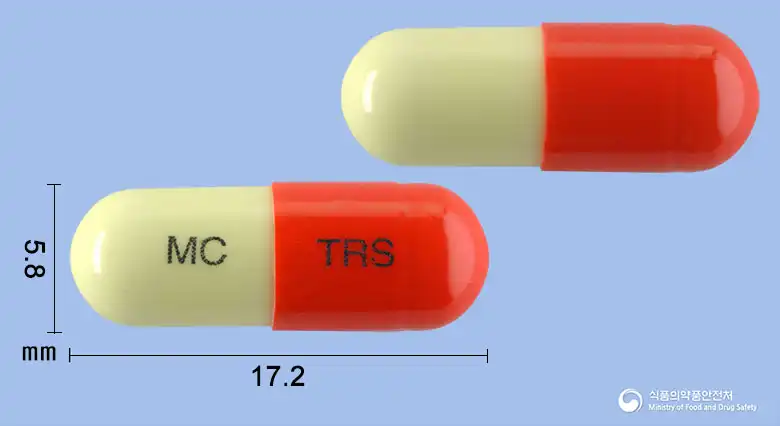
Tranexamic Acid 250mg
Hard capsule · Prescription medication
Macnulty Pharmaceutical Co., Ltd.
Even with the same ingredient, the dose and directions can differ by strength and dosage form. Talk to a doctor or pharmacist before switching from a medication you are already taking.
No questions yet.
For anything that needs medical judgment, consult a doctor or pharmacist.
This drug information is based on data provided by the Korea Ministry of Food and Drug Safety.
Consult a doctor or pharmacist for accurate dosage, administration, and usage instructions.