
 한국어
 English
 日本語
 中文(简体)
Dosage form image
Viewing nowEltis EF Tablets [Artemisia Isopropanol Extract (20→1)]
Artemisiae Argyi Folium Isopropanol Soft Extract (20→1) 90mg
Tablet · Prescription medication
GL Pharma Co., Ltd.
MFDS item code 201905921 · Notified 2019.08.21
This product's status changed to Approval withdrawn on 2023.12.07. It may no longer be sold, so consult a doctor or pharmacist before taking it.
Improvement of gastric mucosal lesions (such as erosions and bleeding) in acute and chronic gastritis
This medication is used to improve damage such as erosion, hemorrhage, redness, and edema of the gastric mucosa caused by acute and chronic gastritis. In other words, it helps to treat gastric mucosal damage, alleviate symptoms, and restore gastric health. This aids patients in reducing gastrointestinal discomfort and maintaining a healthy gastric state.
Take 1 tablet per dose, twice daily after meals
This drug should not be used by patients who are allergic to this medication or its components. Additionally, this drug contains lactose, so patients with genetic issues such as galactose intolerance, lactase deficiency, or glucose-galactose malabsorption should not take it. Patients with thrombosis, consumptive coagulopathy, or serious issues with the liver, kidneys, heart, lungs, or blood should use this medication with caution. Patients with a history of drug allergies or allergy symptoms should also be careful. This medication contains a dye called Yellow No. 4 (tartrazine), so patients allergic to this component should take it with caution. When taking this drug, gastrointestinal symptoms such as gas retention, abdominal pain, vomiting, diarrhea, and heartburn may occur, and if symptoms become severe, consulting a physician is advised. Rarely, neurological symptoms like headaches, dizziness, and fatigue may also occur. Various adverse reactions such as constipation, cough, hypertension, myalgia, and insomnia have been reported in clinical trials and post-marketing surveys; thus, if these symptoms persist, consulting a healthcare professional is recommended. There has been insufficient research on this medication for patients with a history of peptic ulcers, gastroesophageal reflux disease, or gastric resection, so it should be used cautiously. If symptoms do not improve after more than 2 weeks of use, it is advisable to stop taking the medication and consult a specialist. There have been no studies on interactions between this medication and others, so it is essential to inform a doctor or pharmacist when starting new medications. Pregnant women or those who may become pregnant should only use this medication if the benefits outweigh the risks, as its safety has not been established. For breastfeeding mothers, it is preferable to take this medication only when the benefits outweigh the risks. The safety and efficacy for newborns, infants, children, and adolescents have not been confirmed, so its use is not recommended. Elderly patients aged 75 and older may experience more severe adverse reactions, so their condition should be closely monitored during use. This medication should be kept out of reach of children, stored away from direct sunlight, and kept in a cool place with low humidity. Additionally, to maintain the quality of the medication, it is important not to transfer it to another container.
Not everyone experiences these, and they can vary from person to person.
This medication should be stored in a tightly closed container to protect it from air and moisture, and it is important to maintain a storage temperature between 1 degree and 30 degrees Celsius. Storing it this way will help to maintain the efficacy of the medication for a longer period.
Green round film-coated tablet
30 tablets/bottle, 500 tablets/bottle
Even with the same ingredient, strength, dosage form and how it is taken can differ.
Artemisiae Argyi Folium Isopropanol Soft Extract (20→1) 90mg
Tablet · Prescription medication
GL Pharma Co., Ltd.
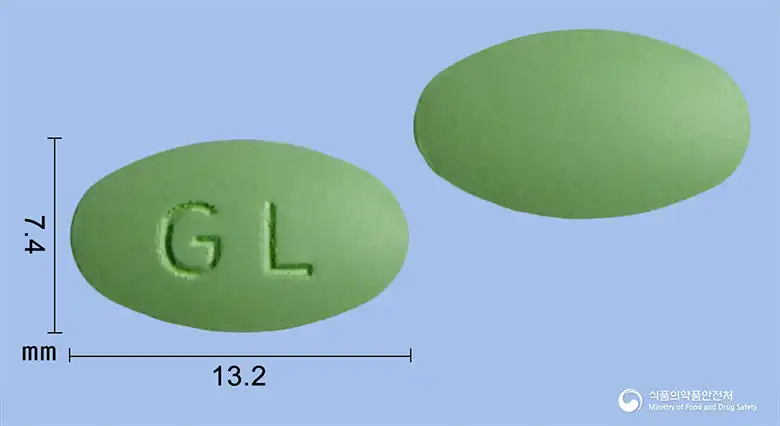
Artemisiae Argyi Folium Isopropanol Soft Extract (20→1) 60mg
Tablet · Prescription medication
GL Pharma Co., Ltd.
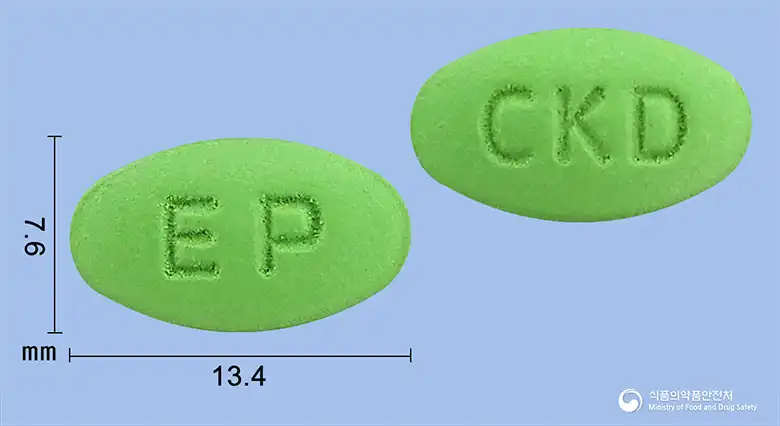
Artemisiae Argyi Folium Isopropanol Soft Extract (20→1) 60mg
Tablet · Prescription medication
Jongkundang Co., Ltd.
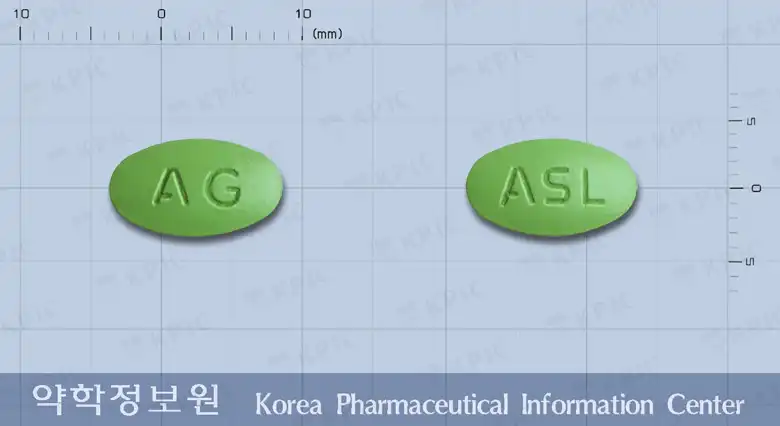
Artemisiae Argyi Folium Isopropanol Soft Extract (20→1) 60mg
Tablet · Prescription medication
Anguk Pharmaceutical Co., Ltd.
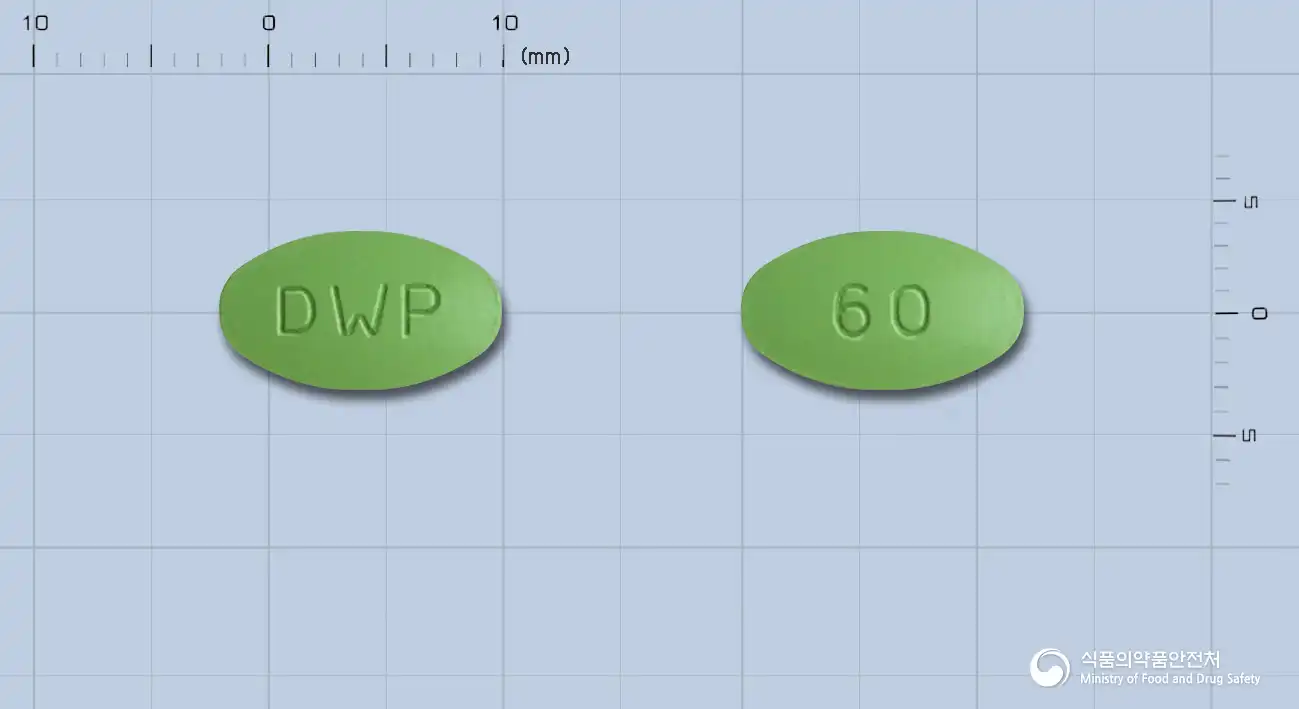
Artemisiae Argyi Folium Isopropanol Soft Extract (20→1) 60mg
Tablet · Prescription medication
Daewon Pharmaceutical Co., Ltd.
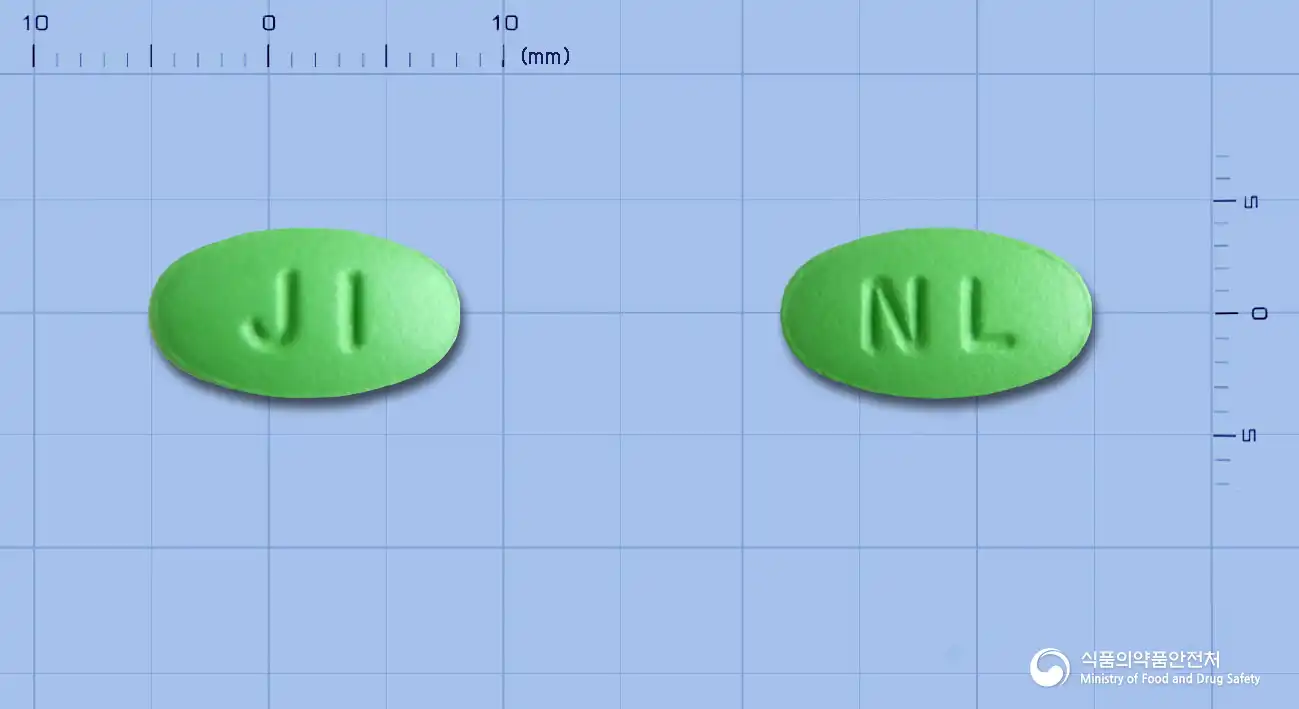
Artemisiae Argyi Folium Isopropanol Soft Extract (20→1) 60mg
Tablet · Prescription medication
Jeil Pharmaceutical Co., Ltd.
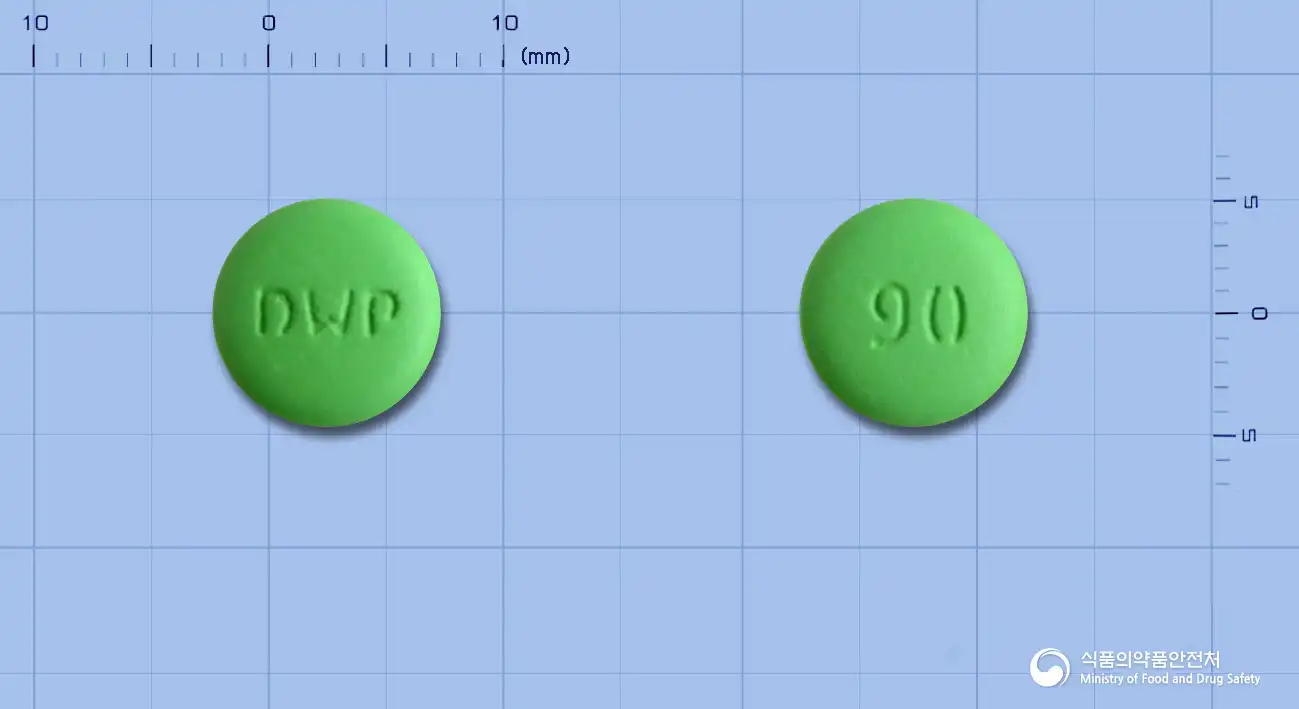
Artemisiae Argyi Folium Isopropanol Soft Extract (20→1) 90mg
Tablet · Prescription medication
Daewon Pharmaceutical Co., Ltd.
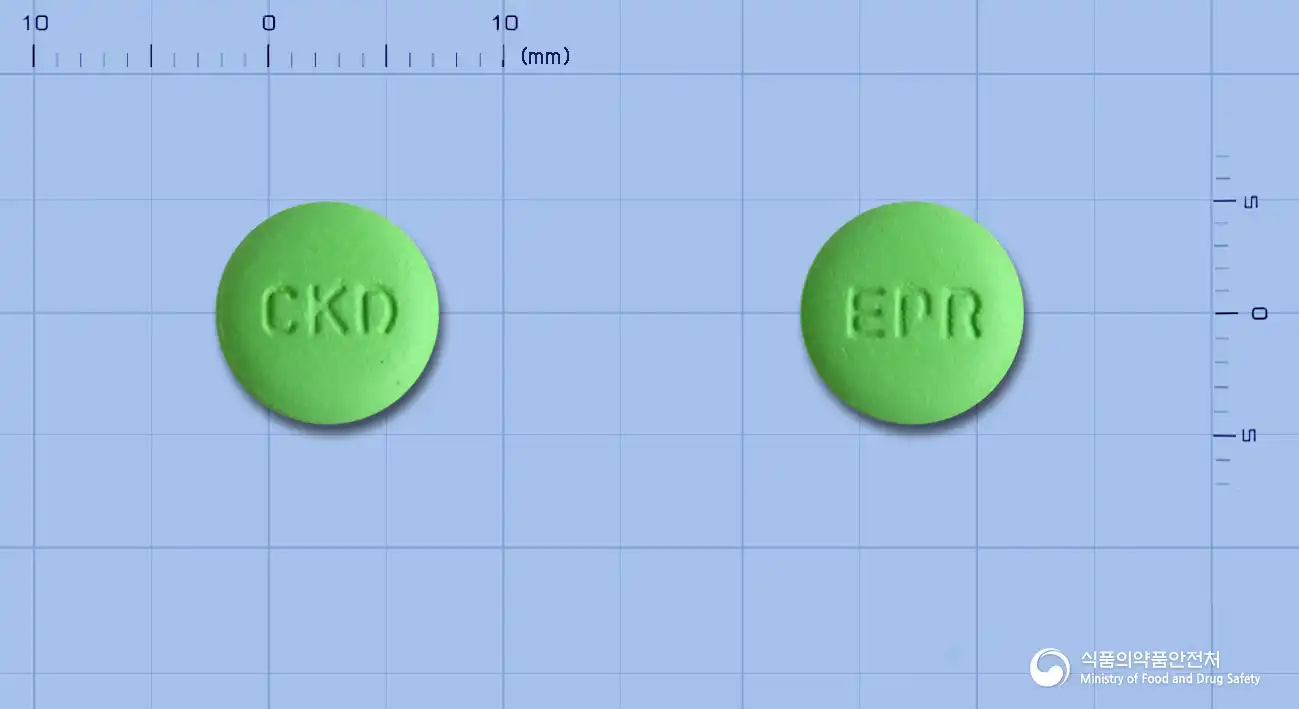
Artemisiae Argyi Folium Isopropanol Soft Extract (20→1) 90mg
Tablet · Prescription medication
Jonggeundang Co., Ltd.
Even with the same ingredient, the dose and directions can differ by strength and dosage form. Talk to a doctor or pharmacist before switching from a medication you are already taking.
No questions yet.
For anything that needs medical judgment, consult a doctor or pharmacist.
This drug information is based on data provided by the Korea Ministry of Food and Drug Safety.
Consult a doctor or pharmacist for accurate dosage, administration, and usage instructions.