
 한국어
 English
 日本語
 中文(简体)
Dosage form image
Viewing nowNew Amlos Tablet 5mg (Esamolodipine Besylate Hydrate)
S-Amlodipine Besylate Dihydrate 7.38mg
Tablet · Prescription medication
Hanpung Pharmaceutical Co., Ltd.
MFDS item code 201905834 · Approved 2019.08.19
This product's status changed to Expired on 2024.08.19. It may no longer be sold, so consult a doctor or pharmacist before taking it.
Treatment of hypertension, myocardial ischemia, and angina; reduction of the risk of hospitalization and coronary revascularization
This medication is used to treat hypertension and myocardial ischemia resulting from decreased blood supply to the heart, particularly symptoms caused by stable angina or variant angina. It also helps to reduce the risk of hospitalization due to angina in patients recently diagnosed with coronary heart disease by angiography who do not have heart failure or reduced cardiac output. Additionally, it supports safe treatment by reducing risks related to coronary vascular interventions. This drug is effectively used to improve cardiovascular health and prevent complications due to angina and myocardial ischemia.
Take this drug with a sufficient amount of water. Adults: Administer 2.5 mg of esamlodipine orally once daily; depending on the patient's response, the dose may be increased to a maximum of 5 mg daily. Adjust appropriately according to symptoms.
It is very important that this medication is not used in specific patients. For example, it should not be administered to women who are allergic to this drug or similar components, who are pregnant or breastfeeding, patients in shock or with serious heart problems, and those with severe liver or blood pressure issues. Additionally, patients with genetic issues like lactose intolerance should avoid using this drug. Caution is necessary when using this medication in patients with severe renal impairment, elderly individuals, acute heart failure patients, and patients with slightly impaired liver function. The drug is generally well tolerated but may cause symptoms such as warmth and facial flushing, fatigue, edema, palpitations, dizziness, headache, indigestion, drowsiness, and ankle swelling. Rarely, side effects like dry mouth, increased sweating, hypotension, insomnia, skin rash, and liver function abnormalities have been reported. Discontinuing the medication suddenly may worsen symptoms, so it must be tapered off slowly according to a doctor's instructions. Patients with reduced liver function should be cautious as this drug may have an extended duration of action in their bodies. It is advisable to take this medication with sufficient water, and patients should be careful when driving or operating dangerous machinery due to the risk of dizziness from lowered blood pressure. Furthermore, this medication can interact with several other drugs, so patients taking other medications should inform their healthcare provider. Particularly, it is advisable to avoid taking it with grapefruit juice as it may enhance the drug's efficacy. Its safety during pregnancy or breastfeeding is not established, so use should be avoided, and breastfeeding is recommended to be discontinued. For children, it is recommended only for those over 6 years of age, and in the elderly, it should start at a lower dose with careful observation of their condition. In case of overdose, serious hypotension and heart problems may occur, requiring immediate medical attention, and this drug is not removed by dialysis. Finally, this medication should be kept out of reach of children and not transferred to other containers.
Increased frequency of flushed skin with heat sensation, fatigue, swelling, palpitations, angina, dizziness, headaches, migraines, weakness, abdominal pain, nausea, dyspepsia, drowsiness, ankle swelling, dry mouth, increased sweating, weakness, lethargy, pain, weight gain, weight loss, chills, hypotension, orthostatic hypotension, positional dizziness, peripheral ischemia, vasculitis, syncope, tachycardia, peripheral edema, hypertonicity, sensory loss, paresthesia, peripheral neuropathy, dysgeusia, tremors, paralysis, extrapyramidal disorders, erectile dysfunction, gynecomastia, changes in bowel habits, gastritis, gingival hypertrophy, pancreatitis, vomiting, fullness, loss of appetite, increased appetite, dysphagia, abdominal distension, hyperglycemia, thirst, increased serum cholesterol, elevated creatine kinase, arthralgia, low back pain, muscle cramps, myalgia, increased skeletal muscle tone, arthrosis, single contraction, ataxia, back pain, leukopenia, thrombocytopenia, insomnia, mood changes, sexual dysfunction, dream abnormalities, depersonalization, apathy, anxiety, memory loss, sensitivity, depression, unease, confusion, fear, malaise, cough, shortness of breath, rhinitis, epistaxis, hair loss, purpura, skin discoloration, urticaria, photosensitivity reactions, rash, erythematous rash, papular rash, cold and damp skin, capillary dilation, wheals, itching, vascular edema, toxic epidermal necrolysis, tinnitus, visual disturbances, conjunctivitis, diplopia, eye pain, dry eyes, olfactory disturbances, taste disturbances, decreased vision, increased urinary frequency, urinary disorders, nocturia, polyuria, dysuria, hepatitis, jaundice, elevated liver enzyme levels, itching, rash, vascular edema, polymorphous light eruption, exfoliative dermatitis, mucocutaneous syndrome, myocardial infarction, arrhythmia, chest pain, hypotensive effects, sinoatrial block, atrioventricular block, abdominal discomfort, precordial pain, diarrhea, loose stools, constipation, skin hyperemia, erythematous papular rash, heaviness, fever, impaired glucose tolerance, weakness, excessive peripheral vasodilation, reflex tachycardia, systemic hypotension, flushing, headache, arrhythmia, circulatory disturbances, shock state, unconsciousness, coma
Not everyone experiences these, and they can vary from person to person.
This medication should be stored in a tightly closed container to protect it from air and moisture. It is important to maintain a storage temperature within the range of 1 to 30 degrees Celsius. This way, the drug's efficacy and safety can be well preserved.
White octagonal tablet
30 tablets/bottle, 300 tablets/bottle
Even with the same ingredient, strength, dosage form and how it is taken can differ.
S-Amlodipine Besylate Dihydrate 7.38mg
Tablet · Prescription medication
Hanpung Pharmaceutical Co., Ltd.
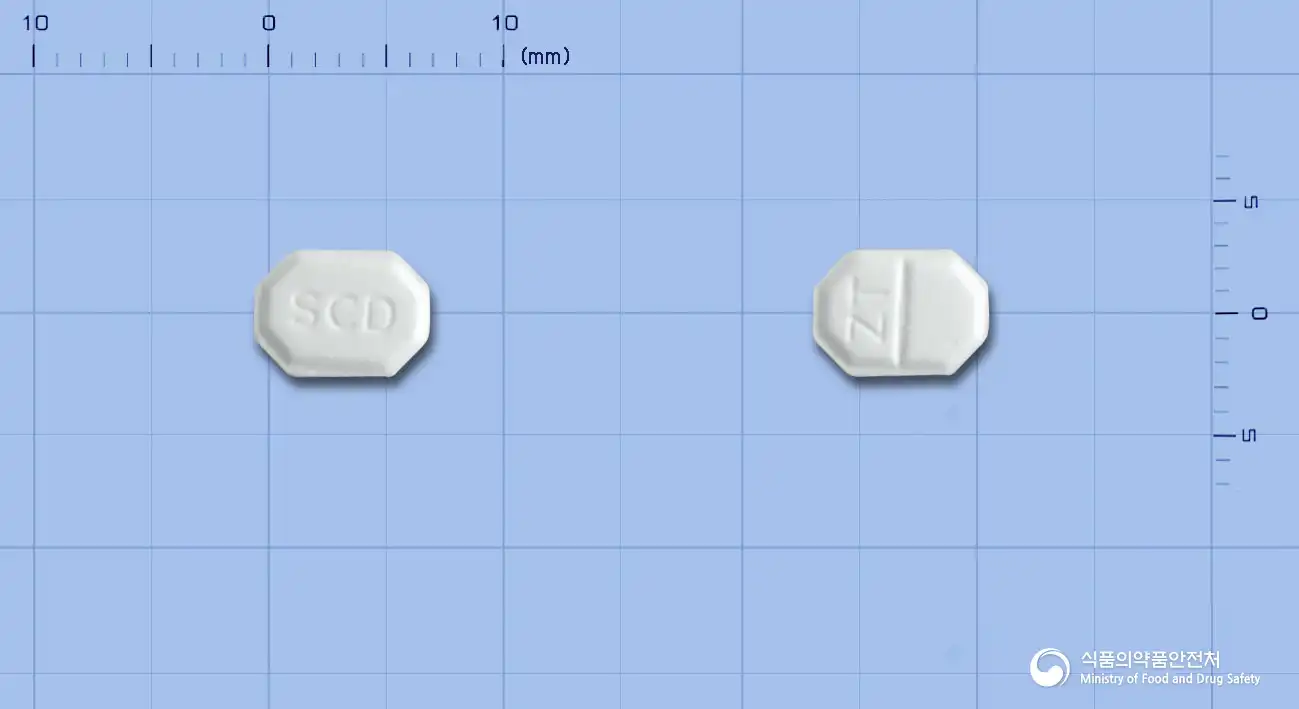
S-Amlodipine Besylate Dihydrate 3.69mg
Tablet · Prescription medication
Samchundang Pharmaceutical Co., Ltd.
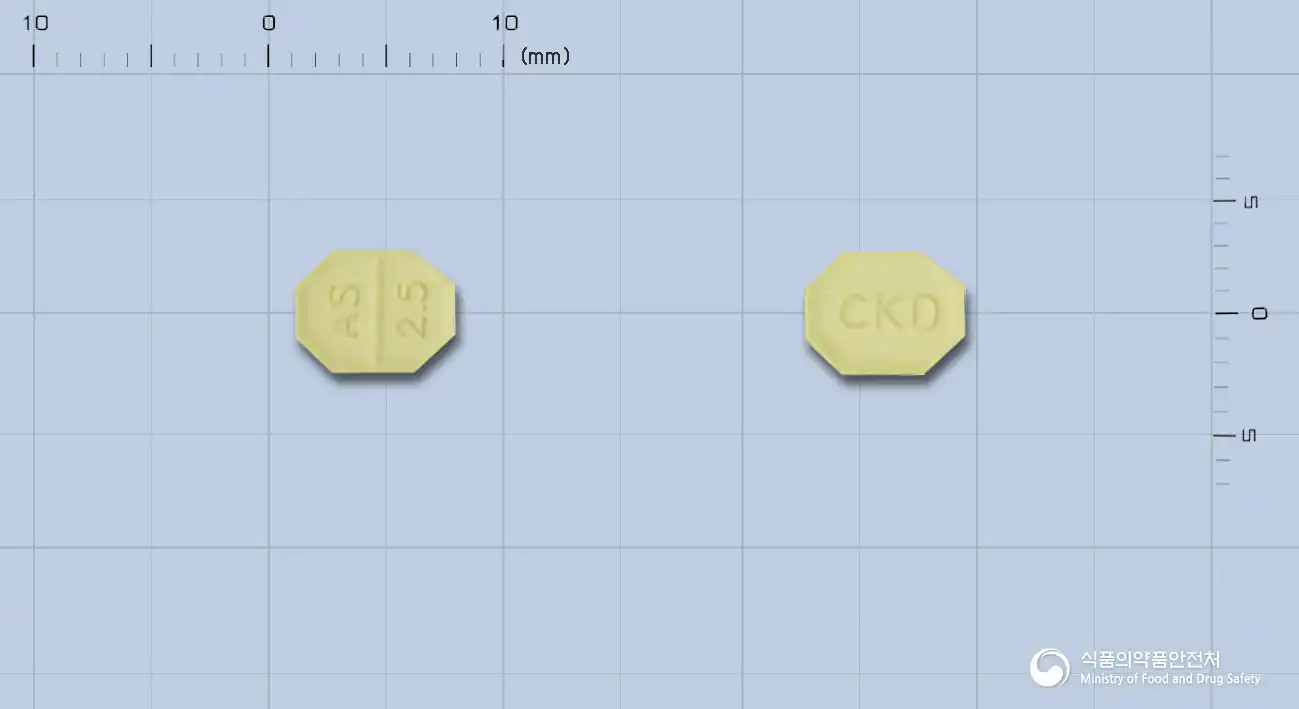
S-Amlodipine Besylate Dihydrate 3.69mg
Tablet · Prescription medication
Jongkundang Co., Ltd.
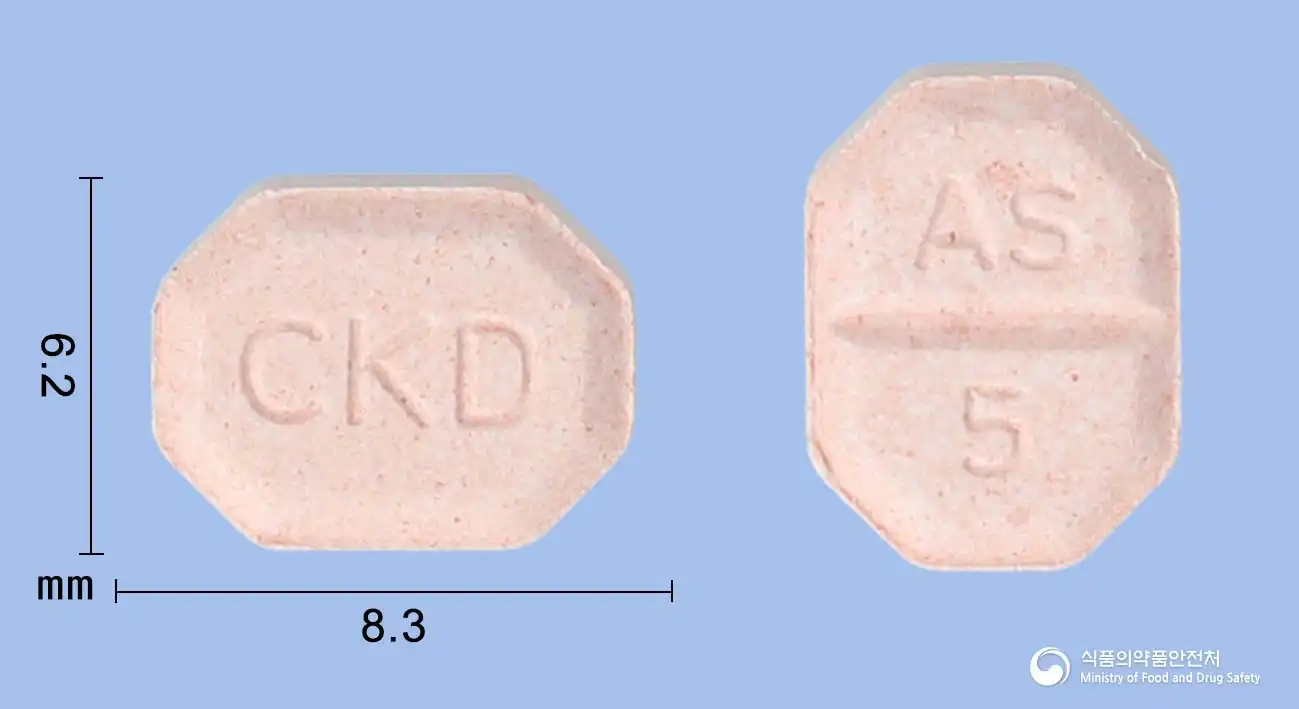
S-Amlodipine Besylate Dihydrate 7.38mg
Tablet · Prescription medication
Jongkundang Co., Ltd.
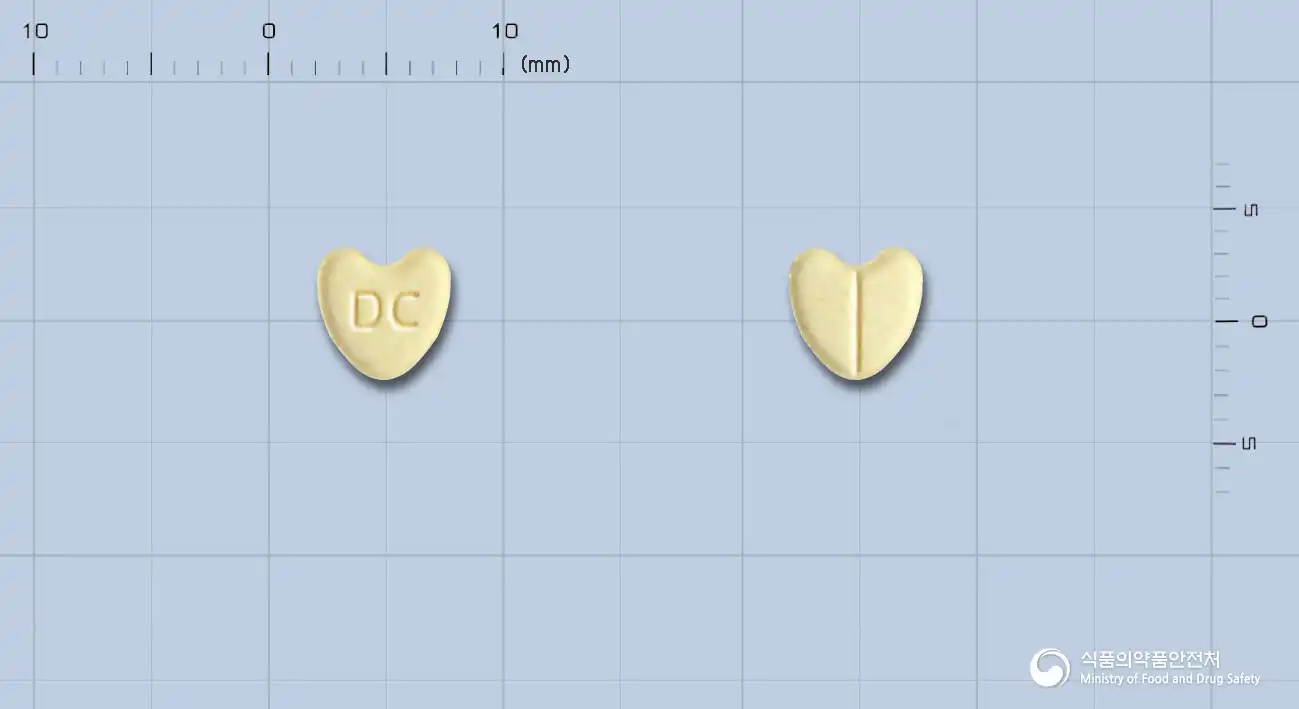
S-Amlodipine Besylate 3.74mg
Tablet · Prescription medication
Dong Gu Bio Pharmaceutical Co., Ltd.
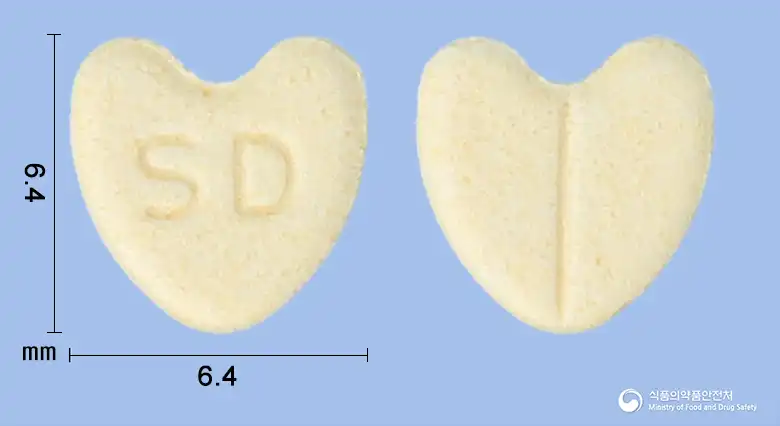
S-Amlodipine Besylate Dihydrate 3.69mg
Tablet · Prescription medication
Farmgen Science Co., Ltd.
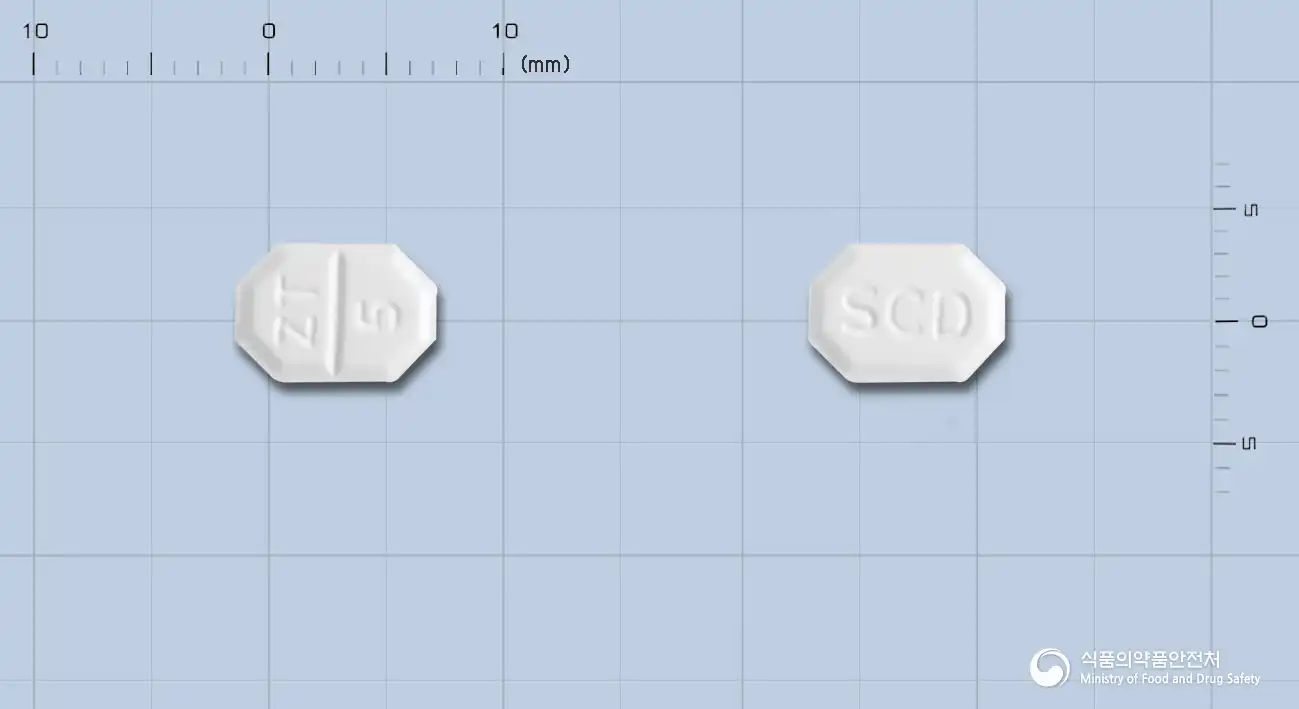
S-Amlodipine Besylate Dihydrate 7.38mg
Tablet · Prescription medication
Samchundang Pharmaceutical Co., Ltd.
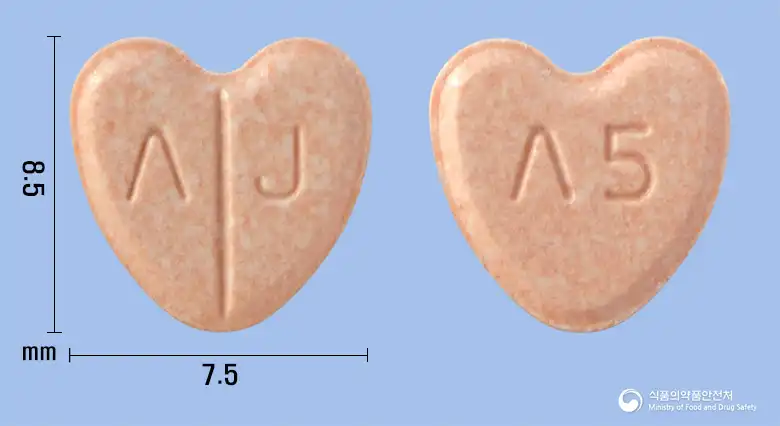
S-Amlodipine Besylate Dihydrate 7.38mg
Tablet · Prescription medication
Aju Pharmaceutical Co., Ltd.
Even with the same ingredient, the dose and directions can differ by strength and dosage form. Talk to a doctor or pharmacist before switching from a medication you are already taking.
No questions yet.
For anything that needs medical judgment, consult a doctor or pharmacist.
This drug information is based on data provided by the Korea Ministry of Food and Drug Safety.
Consult a doctor or pharmacist for accurate dosage, administration, and usage instructions.