
 한국어
한국어 English
 日本語
日本語 中文(简体)
Dosage form image
Viewing nowRabeprazole Sodium Tablets 20 mg
Rabeprazole Sodium 20mg
Tablet · Prescription medication
Hyple Life Science Co., Ltd.
MFDS item code 201905828 · Approved 2019.08.19
This product's status changed to Approval withdrawn on 2024.03.28. It may no longer be sold, so consult a doctor or pharmacist before taking it.
Treatment of gastric ulcer and duodenal ulcer, relief of gastroesophageal reflux disease symptoms, and maintenance therapy effectiveness
This medication helps to treat ulcers located in the stomach and duodenum, and alleviates the symptoms of gastroesophageal reflux disease. It is also used for long-term maintenance therapy for chronic gastroesophageal reflux disease, and to increase the treatment effectiveness when combined with antibiotics in patients with gastrointestinal ulcers infected by Helicobacter pylori. Additionally, it is used to treat the rare Zollinger-Ellison syndrome. This medication effectively improves a variety of gastrointestinal disorders and helps maintain health.
Gastric ulcer, duodenal ulcer: Typically, 10 mg is taken orally once daily; depending on symptoms, 20 mg can be taken orally once daily. Generally administered for up to 8 weeks for gastric ulcers and up to 6 weeks for duodenal ulcers. Erosive or ulcerative gastroesophageal reflux disease: 10 mg or 20 mg can be taken orally once daily for 4 to 8 weeks; if symptoms persist after 8 weeks, 10 mg or 20 mg can be administered twice daily. Mild cases of gastroesophageal reflux disease can be managed with 10 mg once daily; if symptoms are not controlled after 4 weeks, further consultation is required. After symptoms resolve, on-demand therapy may be employed if needed, taking 10 mg orally once daily for any subsequent symptoms. Long-term maintenance therapy for gastroesophageal reflux disease: Depending on the patient, 10 mg or 20 mg can be taken orally once daily. Helicobacter pylori eradication: Patients infected with Helicobacter pylori must undergo eradication therapy. It is recommended to combine this medication at 20 mg, with 500 mg of clarithromycin and 1 g of amoxicillin taken twice daily for 7 days. Zollinger-Ellison syndrome: The recommended initial dosage for adults is 60 mg once daily; depending on individual patient needs, it may be adjusted up to 120 mg daily. Doses up to 100 mg may be administered once daily; however, the dose of 120 mg must be split into two doses of 60 mg each, given twice daily. Patients with Zollinger-Ellison syndrome have been treated with this medication for up to a year. Hepatic impairment patients: Adverse reactions have been reported in patients with liver cirrhosis leading to hepatic encephalopathy; therefore, it should be administered cautiously. Pediatric patients: Safety in pediatric patients has not been established. Elderly: Caution should be exercised as they often experience decreased liver function.
This medication should not be administered to patients with specific allergic reactions or hypersensitivity to certain antibiotics. Women who are pregnant or breastfeeding should also avoid using this medication. Patients with impaired liver function or the elderly should use this medication with caution, and caution is also necessary for those with a history of drug allergies. During treatment, hypersensitivity reactions such as rash or itching may occur, and if such symptoms arise, the medication should be stopped immediately. Regular blood tests and liver function tests should be conducted, and if abnormal findings are detected, the use of the medication should be discontinued, and appropriate treatment should be received. Various adverse reactions can occur in multiple systems including cardiovascular, gastrointestinal, neurological, respiratory, and skin, so if symptoms arise, consultation with a healthcare professional is necessary. This medication may increase the risk of osteoporosis and fractures with long-term use, so caution is advised for prolonged administration. Hypomagnesemia may rarely occur; therefore, magnesium levels should be monitored periodically if used for a prolonged period or in conjunction with certain medications. Moreover, by suppressing gastric acid secretion, the risk of gastrointestinal bacterial infections may increase, so if diarrhea persists, the healthcare professional should be notified. This medication should have a low likelihood of affecting driving or machine operation, but caution is advised as drowsiness can occur. There may be interactions with other medications, particularly when used together with antibiotics, antiviral agents, anticoagulants, etc., so it is essential to inform the healthcare professional. Use of this medication during pregnancy or breastfeeding is not recommended due to insufficient safety data, and advice should be sought before taking it. The elderly may have a higher risk of adverse reactions due to decreased liver function, so if symptoms occur, the medication should be stopped, and a physician should be consulted. Safety in pediatric populations has not been established, so it is advisable not to use it in children. In case of overdose, there is no specific antidote, so symptomatic treatment and supportive therapy are needed, and tablets should be swallowed whole without chewing or crushing. Medications should be stored out of the reach of children and should not be transferred to other containers. During the course of treatment with this medication, if sudden weight loss, repeated vomiting, difficulty swallowing, or symptoms of gastric bleeding occur, malignancy should be ruled out. Regular examinations should monitor liver and blood conditions, and if any abnormalities are detected, medication should be discontinued immediately, and expert advice should be sought.
Hives, severe swelling, chest tightness, difficulty breathing, cold sweat, pallor, severe allergic reactions, high fever with severe rash, blisters, skin peeling, pain in oral or ocular mucosa, severe skin adverse reactions, difficulty or trouble breathing, asthma attacks, respiratory issues accompanied by cough and fever, jaundice (yellowing of skin or eyes), extreme lethargy, liver abnormalities (jaundice), sudden and severe
Not everyone experiences these, and they can vary from person to person.
This medication should be stored in a tightly closed container to prevent air and moisture ingress, and the storage temperature should be maintained at room temperature between 1 and 30 degrees Celsius. Proper storage will help maintain the efficacy of the medication for a long time.
Light yellow, round enteric-coated tablet
28 tablets (14 tablets/PTP packaging × 2), 28 tablets (14 tablets/Alu Alu packaging × 2)
Even with the same ingredient, strength, dosage form and how it is taken can differ.
Rabeprazole Sodium 20mg
Tablet · Prescription medication
Hyple Life Science Co., Ltd.
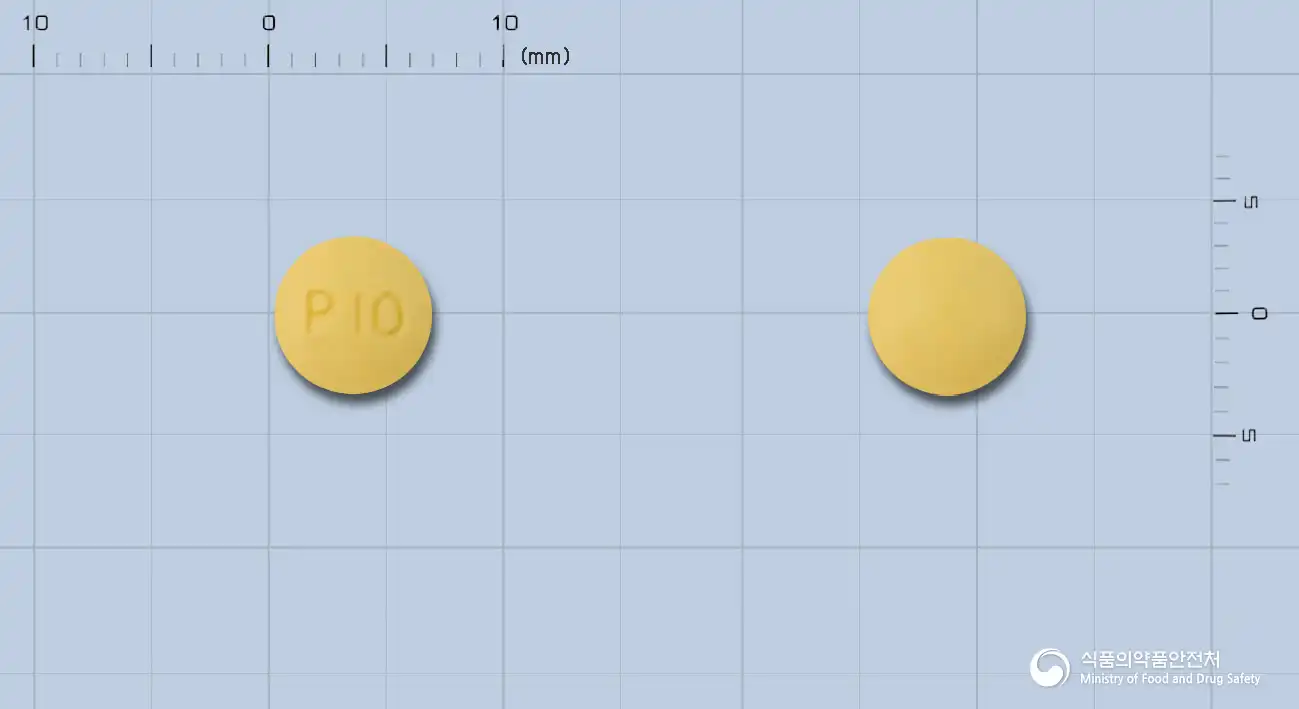
Rabeprazole Sodium 10mg
Tablet · Prescription medication
Genewon Sciences Co., Ltd.
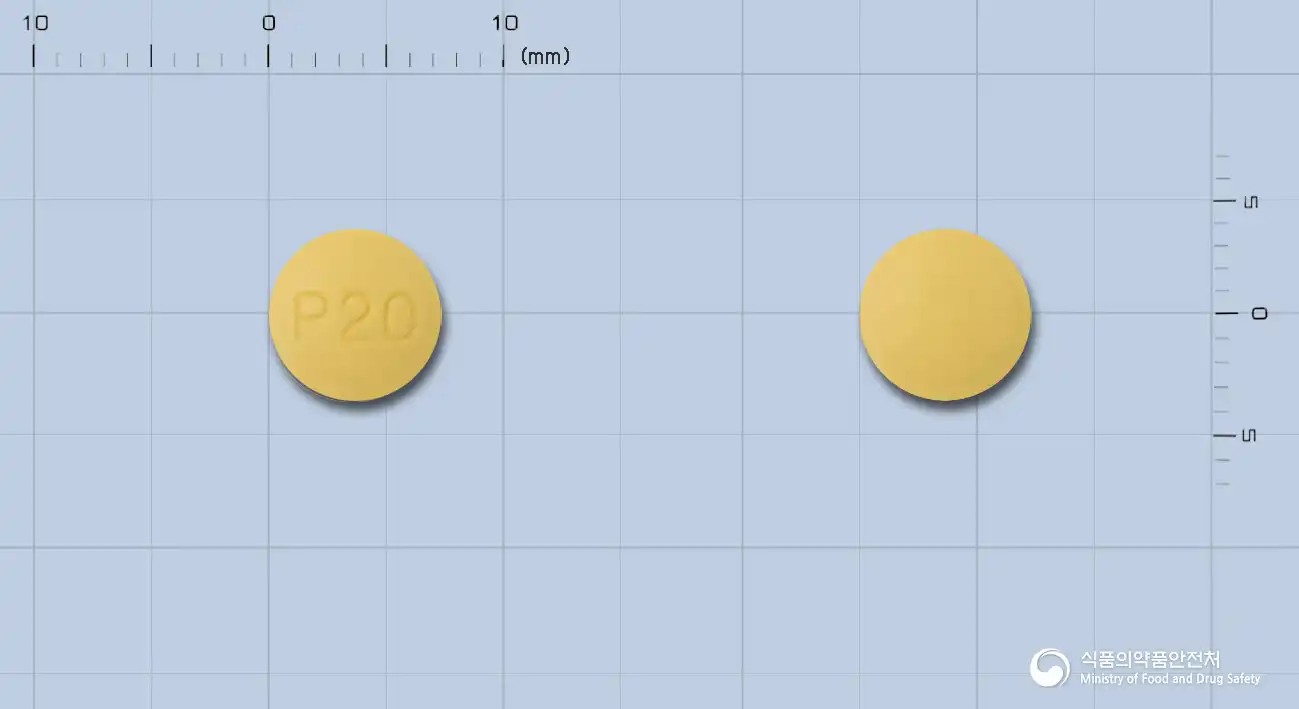
Rabeprazole Sodium 20mg
Tablet · Prescription medication
Genewell Science Co., Ltd.
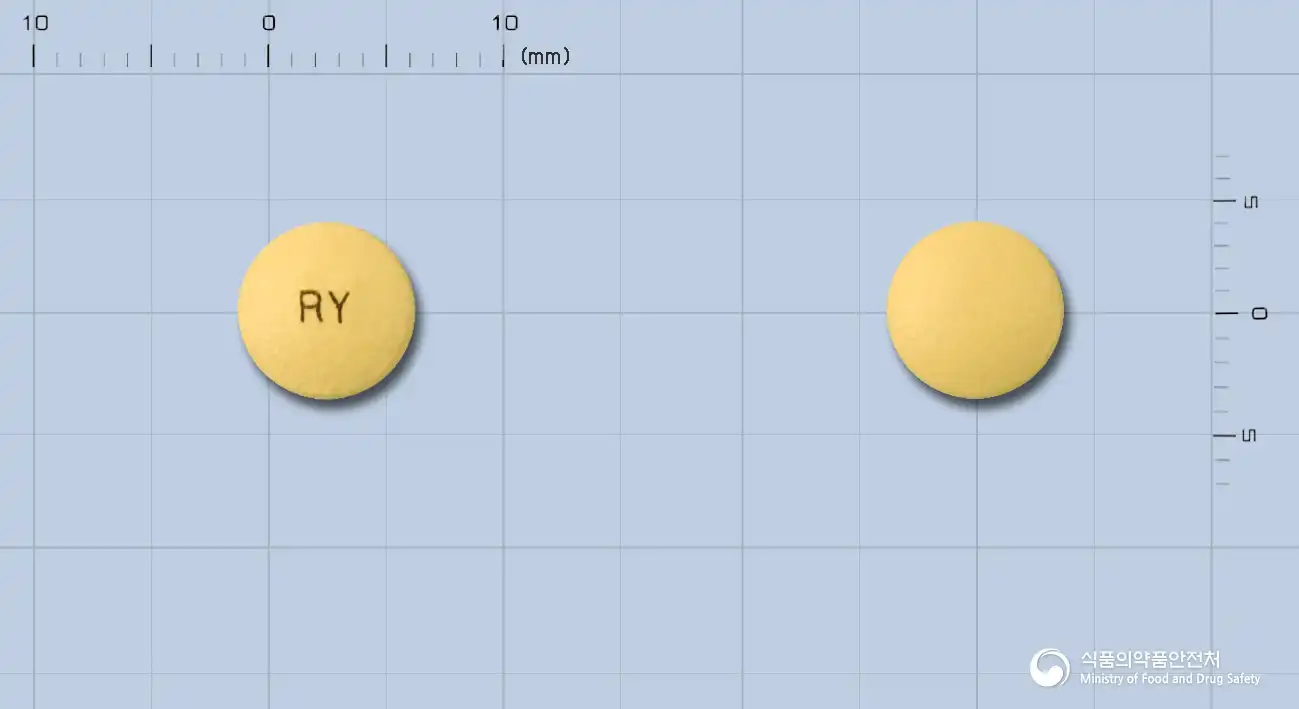
Rabeprazole Sodium 20mg
Tablet · Prescription medication
Ilyun Pharmaceutical Co., Ltd.

Rabeprazole Sodium 10mg
Tablet · Prescription medication
Shinpoong Pharm. Co., Ltd.
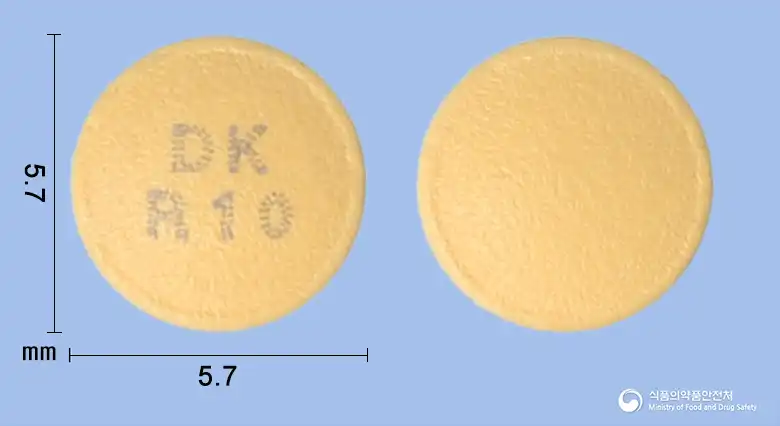
Rabeprazole Sodium 10mg
Tablet · Prescription medication
Dongkuk Pharmaceutical Co., Ltd.
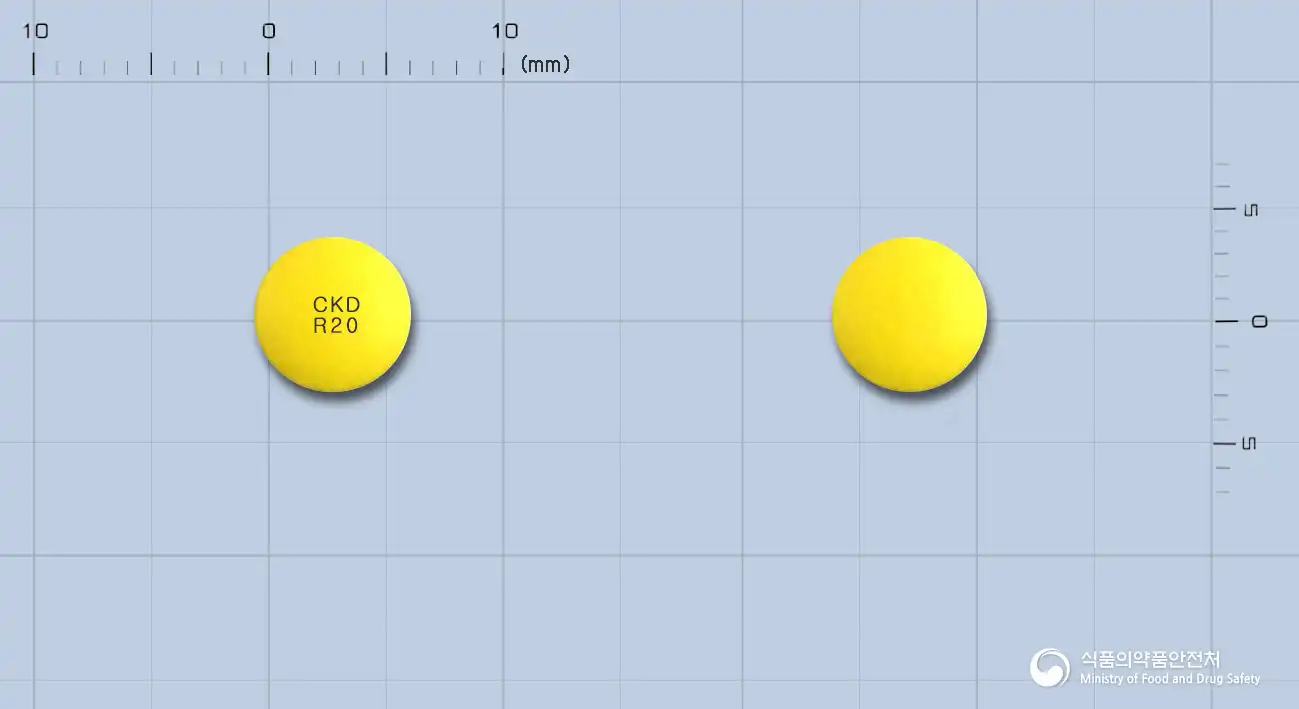
Rabeprazole Sodium 20mg
Tablet · Prescription medication
Jongkundang Co., Ltd.
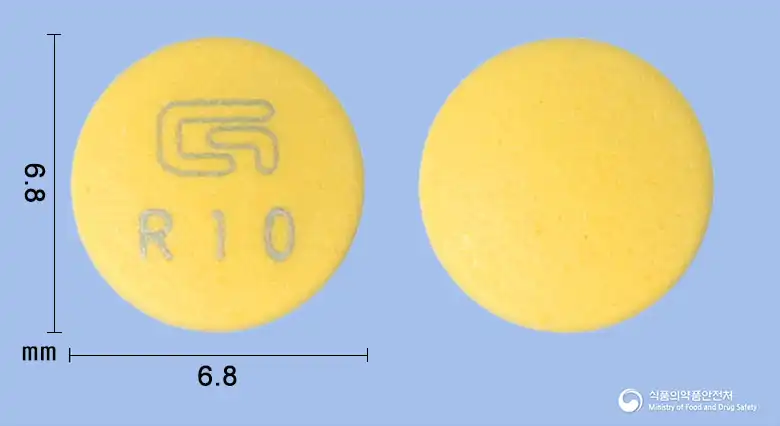
Rabeprazole Sodium 10mg
Tablet · Prescription medication
Donggwang Pharmaceutical Co., Ltd.
Even with the same ingredient, the dose and directions can differ by strength and dosage form. Talk to a doctor or pharmacist before switching from a medication you are already taking.
No questions yet.
For anything that needs medical judgment, consult a doctor or pharmacist.
This drug information is based on data provided by the Korea Ministry of Food and Drug Safety.
Consult a doctor or pharmacist for accurate dosage, administration, and usage instructions.