
 한국어
한국어 English
 日本語
日本語 中文(简体)
Dosage form image
Viewing nowJOIN88 Plaster (Diclofenac Sodium)
Diclofenac Sodium 21mg
Patch · OTC medication
Korea Sintex Pharmaceutical Co., Ltd.
MFDS item code 201905785 · Notified 2019.08.14
This product's status changed to Expired on 2024.08.14. It may no longer be sold, so consult a doctor or pharmacist before taking it.
Pain relief from degenerative arthritis (osteoarthritis) and muscle pain.
This medication is used to relieve pain and inflammation in various joint and ligament-related diseases such as degenerative arthritis, adhesive capsulitis (frozen shoulder), tendonitis, and peritendinitis. It also alleviates discomfort from musculoskeletal conditions like lateral epicondylitis (tennis elbow) and muscle pain. Additionally, it is effective for treating swelling and pain following trauma. By improving these symptoms, it helps make daily life more comfortable for patients.
Adults (15 years and older) should apply 1 sheet to the affected area once a day.
This medication is used as a topical application for the skin to help reduce inflammation and pain. However, individuals who have had allergic reactions to this medication or its ingredients should not use it, and those who have experienced asthma attacks due to aspirin or other non-steroidal anti-inflammatory drugs should also avoid using this medication. Its safety has not been sufficiently established for children under 15 years of age, so it is advisable not to use it in that age group. During the use of this medication, do not use other diclofenac products or non-steroidal anti-inflammatory drugs simultaneously. Patients with bronchial asthma, skin infections, or chronic illnesses should consult their doctor or pharmacist before using this medication. Pregnant women, especially in the late stages of pregnancy, should not use this medication as it may pose risks to the fetus and mother, and caution is needed in early to mid-pregnancy due to insufficient safety data. Additionally, as this medication can be transmitted through breast milk, nursing mothers are also advised against its use. Older adults may have a higher risk of cardiovascular, gastrointestinal, and renal side effects when using this medication, so it should be used cautiously at the minimum effective dose, and they should be monitored for adverse effects. If any symptoms such as red spots, rash, severe itching, swelling, blisters, or skin peeling occur while using this medication, use should be stopped immediately, and a doctor or pharmacist should be consulted. Rarely, allergic reactions, angioedema, and worsened asthma may occur, so caution is advised. This medication helps alleviate symptoms but is not a cure for the underlying cause, so it is necessary to reassess efficacy and condition after two weeks of use. The medication should not be applied to the eyes or mucous membranes, and it should not be used on damaged skin or areas with dermatitis or rashes. When using this medication, do not cover it with a occlusive bandage, as skin irritation or numbness may occur. When used in conjunction with certain antibiotics, there may be a risk of seizures, so any unusual symptoms should be immediately treated. In case of overdose, serious side effects such as hypotension, renal function decline, seizures, gastrointestinal discomfort, and respiratory depression may occur; in such circumstances, immediate medical assistance should be sought. When used with diuretics, careful monitoring of kidney function and blood pressure changes is necessary. Due to risks of gastrointestinal bleeding, ulcers, and perforation, extra caution should be taken when used with drugs that have a high risk of bleeding, as this risk is particularly higher in older adults. This medication should be stored out of reach of children, away from direct sunlight, in a cool, dry place. Additionally, it should be stored in its original container to prevent degradation or misuse.
Hives, severe swelling (angioedema), chest tightness, difficulty breathing, asthma attacks, skin peeling, blisters, pain in the mucous membranes of the mouth/eyes, exfoliative dermatitis, Stevens-Johnson syndrome, toxic epidermal necrolysis, severe rash with high fever, angioedema, generalized swelling, liver abnormalities (jaundice), severe headache, seizures, confusion, vision changes, paralysis, decreased urine output, renal failure, hypotension, seizures, gastrointestinal bleeding, and ulcers.
Not everyone experiences these, and they can vary from person to person.
This medication is sensitive to light and should be stored in a container that blocks light. It is important to maintain a temperature between 1 and 30 degrees Celsius when storing the medication to preserve its effectiveness.
A pale yellow adhesive substance applied to a liner coated with a solid surface.
1 sheet/package, 6 sheets/package, 10 sheets/package, 30 sheets/package, 50 sheets/package, 200 sheets/package
Even with the same ingredient, strength, dosage form and how it is taken can differ.
Diclofenac Sodium 21mg
Patch · OTC medication
Korea Sintex Pharmaceutical Co., Ltd.

Diclofenac Sodium 25mg
Tablet · Prescription medication
Dongkwang Pharmaceutical Co., Ltd.
Diclofenac Sodium 75mg
Prescription medication
Ajou Pharmaceuticals Co., Ltd.
Diclofenac Sodium 37.5mg
Prescription medication
Hwanin Pharmaceutical Co., Ltd.
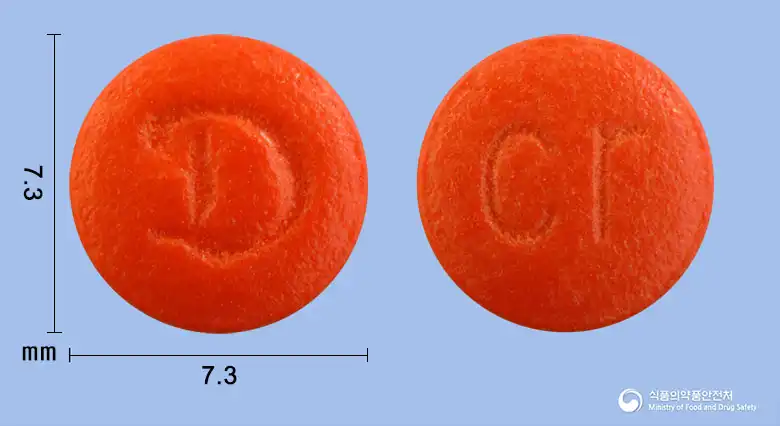
Diclofenac Sodium 25mg
Tablet · Prescription medication
GL Pharma Co., Ltd.
Diclofenac Sodium 75mg
Solution · Prescription medication
YuYoung Pharmaceutical Co., Ltd.
Diclofenac Sodium 37.5mg
Prescription medication
Daehwa Pharmaceutical Co., Ltd.
Diclofenac Sodium 37.5mg
Prescription medication
Dongkwang Pharmaceutical Co., Ltd.
Even with the same ingredient, the dose and directions can differ by strength and dosage form. Talk to a doctor or pharmacist before switching from a medication you are already taking.
No questions yet.
For anything that needs medical judgment, consult a doctor or pharmacist.
This drug information is based on data provided by the Korea Ministry of Food and Drug Safety.
Consult a doctor or pharmacist for accurate dosage, administration, and usage instructions.