
 한국어
한국어 English
 日本語
日本語 中文(简体)
Dosage form image
Viewing nowCombinationGlidam Tablet
Glimepiride 2mg · Metformin Hydrochloride 500mg
Tablet · Prescription medication · Combination
(Yoo) Hanpung Pharmaceutical Co., Ltd.
MFDS item code 201905665 · Approved 2019.08.12
This product's status changed to Expired on 2024.08.12. It may no longer be sold, so consult a doctor or pharmacist before taking it.
Improvement of blood sugar control in type 2 diabetes
This medication is used in conjunction with dietary and exercise therapy for patients with non-insulin-dependent diabetes mellitus, specifically type 2 diabetes. It can be combined with either glimepiride or metformin when blood sugar control is insufficient with these medications alone. It is also used as an option to replace the therapy that combines glimepiride and metformin. This medication helps maintain more stable blood sugar levels and assists in diabetes management. It plays an important role in improving your blood sugar control, so it is crucial to take it consistently as directed by your healthcare provider. It is used to improve blood sugar control.
This medication is administered 1 to 2 times daily before meals or with meals. Begin treatment with a low dose and adjust the dosage gradually based on blood sugar monitoring results. The starting dose in clinical trials has been glimepiride/metformin hydrochloride 2mg/500mg, and doses up to 8mg/2000mg have been administered. There is little added benefit when administering more than 4mg of glimepiride as a single agent, but some patients have shown better metabolic control with a dosage increase to 6mg or more.
This medication can cause severe lactic acidosis or hypoglycemia, so caution is necessary. Particularly, if renal function declines rapidly, the drug can accumulate in the body, increasing risk, so renal function should be monitored regularly. If dehydration symptoms or severe diarrhea, vomiting, or fever occur, it is advisable to temporarily stop taking the medication and consult a doctor. Additionally, interactions may occur when taken with other medications, so it is important to inform your healthcare provider about any medications you are currently taking. This drug is not administered to patients with insulin-dependent diabetes, acute metabolic acidosis, or severe liver or kidney impairment. Women who are pregnant or nursing should also avoid taking this medication. Elderly patients or those in poor nutritional status have a higher risk of hypoglycemia and should be observed more closely. Gastrointestinal symptoms (diarrhea, nausea, vomiting, etc.) may occur initially, but they usually improve naturally over time. If severe hypoglycemia occurs, immediately consume sugar and seek help from healthcare personnel if necessary. This medication should be monitored regularly for its effectiveness and side effects through blood glucose levels, renal function, and blood tests. Caution is required when driving or operating machinery due to possible decreased agility from hypoglycemia. Store the medication out of children's reach and do not transfer it to another container.
Gastrointestinal symptoms (diarrhea, nausea, vomiting, abdominal distension, loss of appetite, indigestion, constipation, abdominal pain), metallic taste, visual impairment, erythema, itching, rash, vomiting, upper abdominal discomfort, palpitations, dizziness, thrombocytopenia, leukopenia, hemolytic anemia, erythrocytopenia, agranulocytosis, pancytopenia, decreased vitamin B12, increased liver enzymes, hepatitis, allergic vasculitis, photosensitivity of the skin, serum sickness.
Not everyone experiences these, and they can vary from person to person.
This medication should be stored in a tightly sealed container to prevent air from entering, and it is recommended to keep it at room temperature between 1 degree and 30 degrees Celsius. Proper storage will help maintain the efficacy of the medication and prevent deterioration.
White oblong film-coated tablet
30 tablets/bottle, 100 tablets/bottle
Even with the same ingredient, strength, dosage form and how it is taken can differ.
Glimepiride 2mg · Metformin Hydrochloride 500mg
Tablet · Prescription medication · Combination
(Yoo) Hanpung Pharmaceutical Co., Ltd.
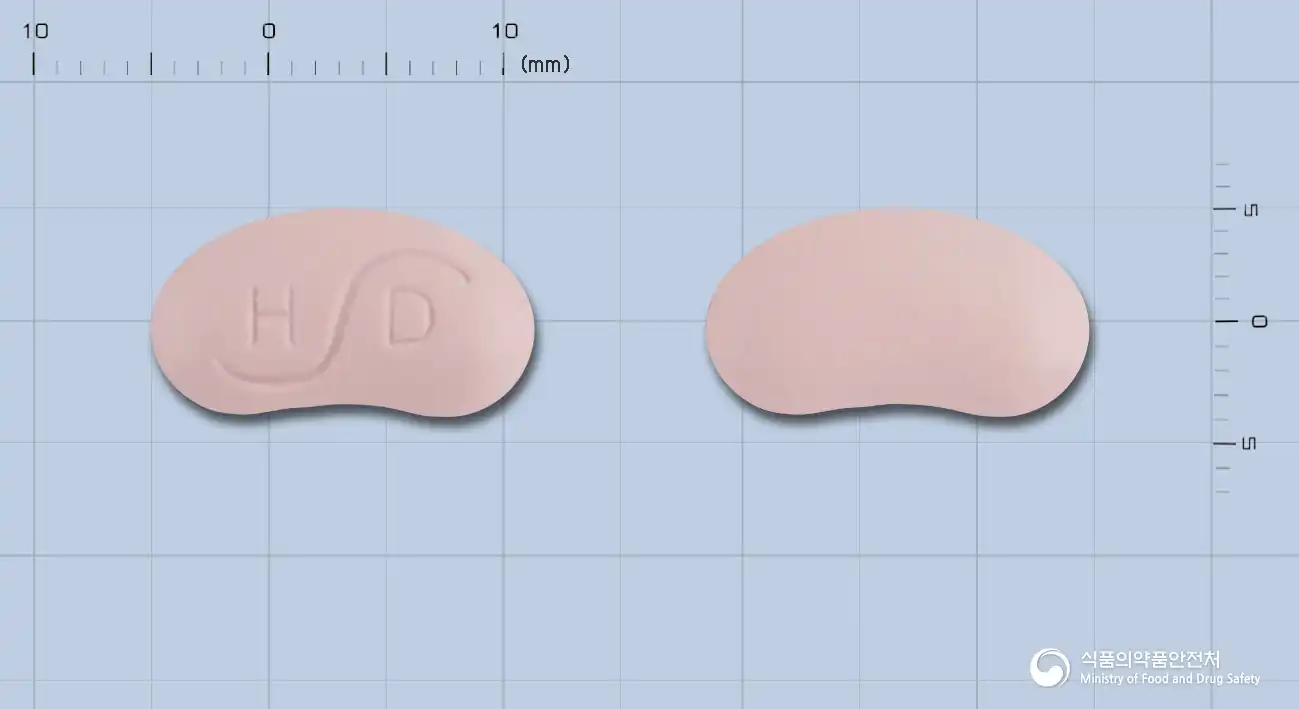 Combination
Metformin Hydrochloride 500mg · Glimepiride 1mg
Tablet · Prescription medication · Combination
Hanmi Pharmaceutical Co., Ltd.
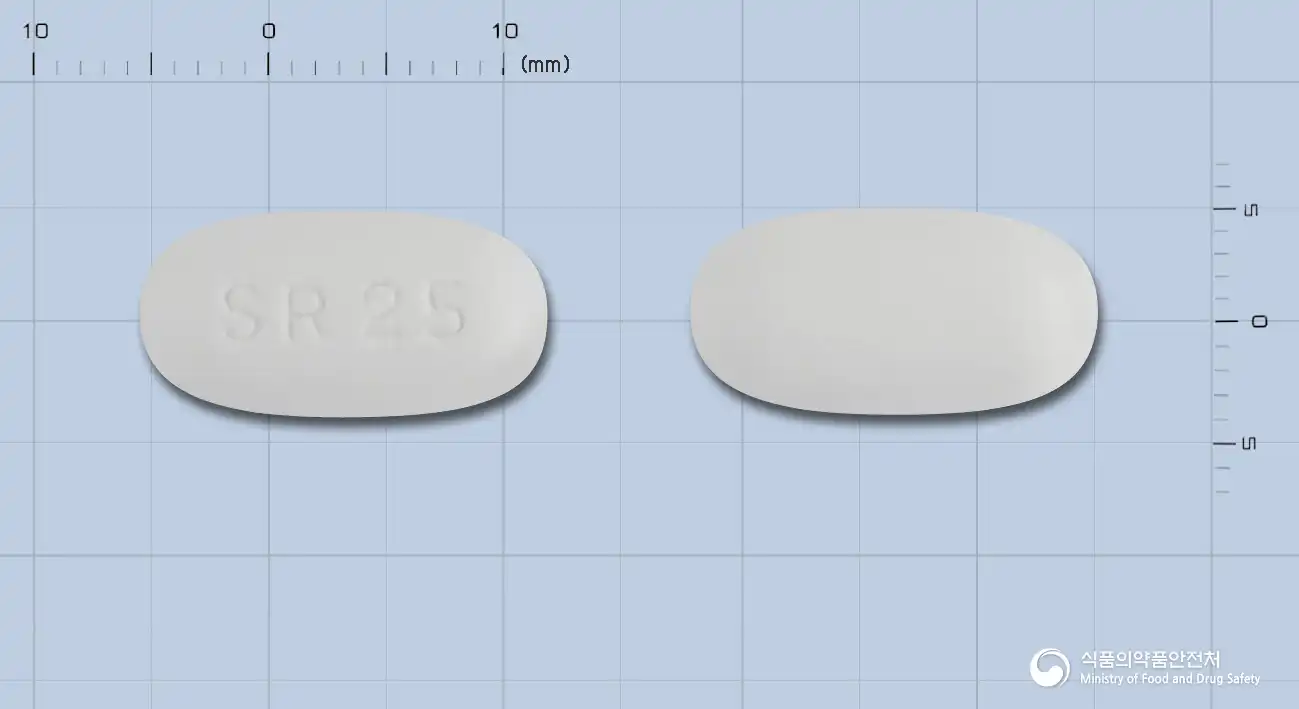 Combination
Metformin Hydrochloride 500mg · Glimepiride 2mg
Tablet · Prescription medication · Combination
Handok Co., Ltd.
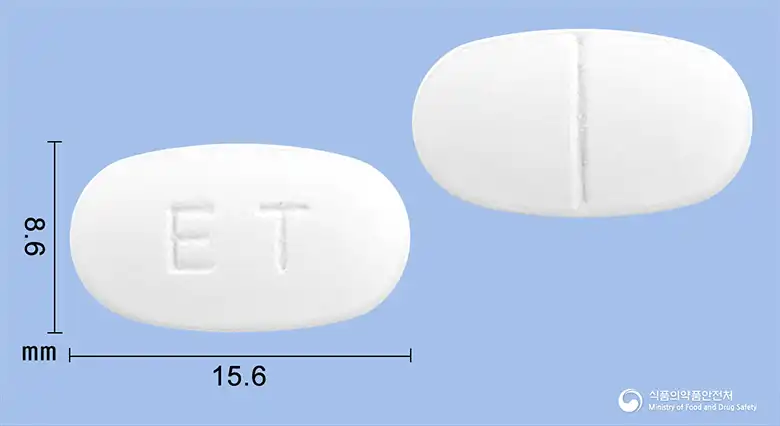 Combination
Metformin Hydrochloride 500mg · Glimepiride 2mg
Tablet · Prescription medication · Combination
Teragen Etex Co., Ltd.
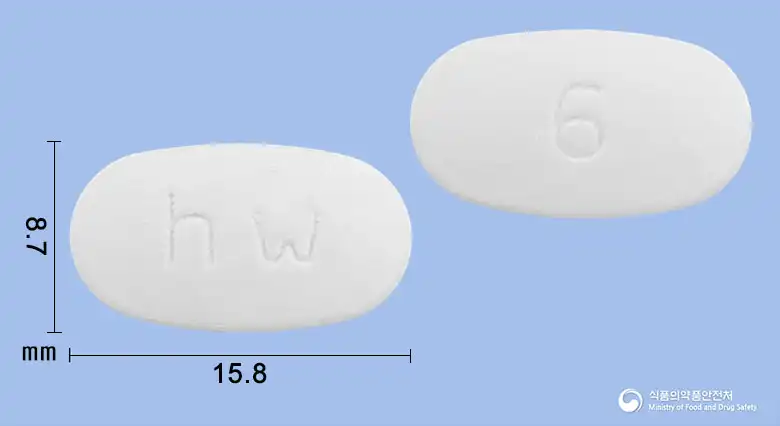 Combination
Glimepiride 2mg · Metformin Hydrochloride 500mg
Tablet · Prescription medication · Combination
Hawon Pharmaceutical Co., Ltd.
Metformin Hydrochloride 500mg · Glimepiride 2mg
Tablet · Prescription medication · Combination
TDS Pharm Co., Ltd.
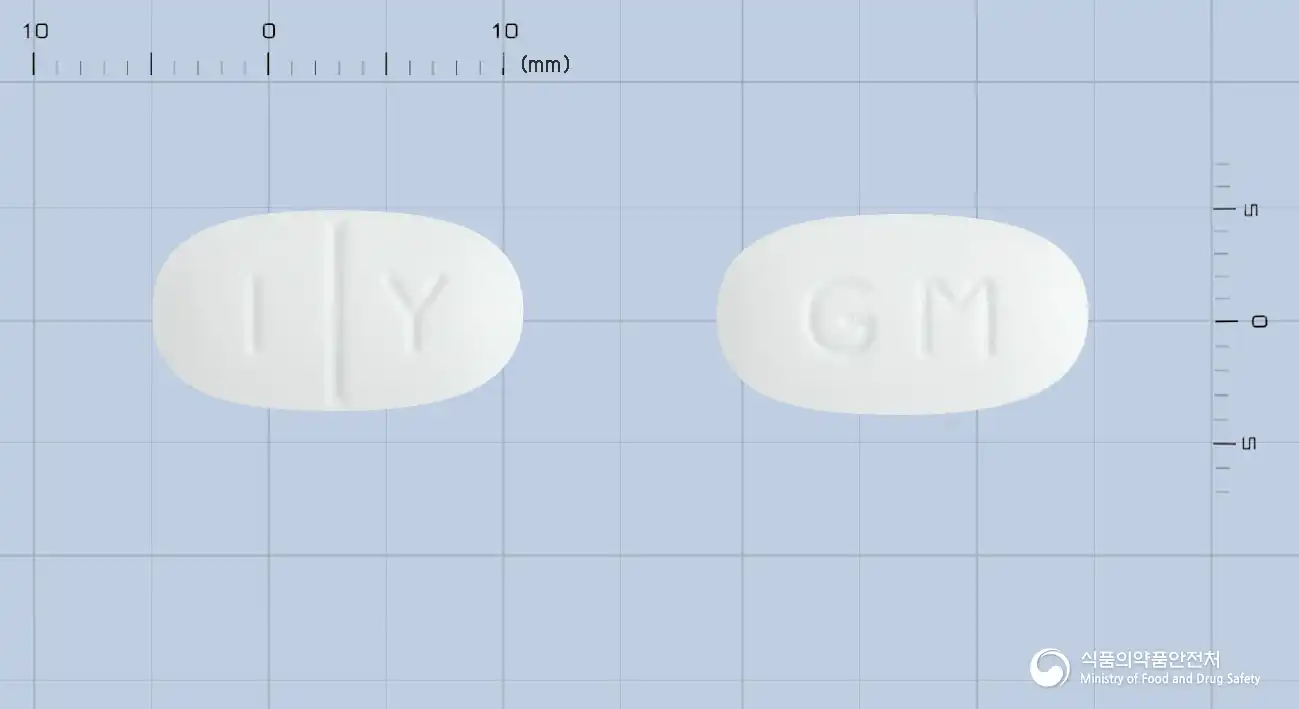 Combination
Glimepiride 2mg · Metformin Hydrochloride 500mg
Tablet · Prescription medication · Combination
Il Yang Pharmaceutical Co., Ltd.
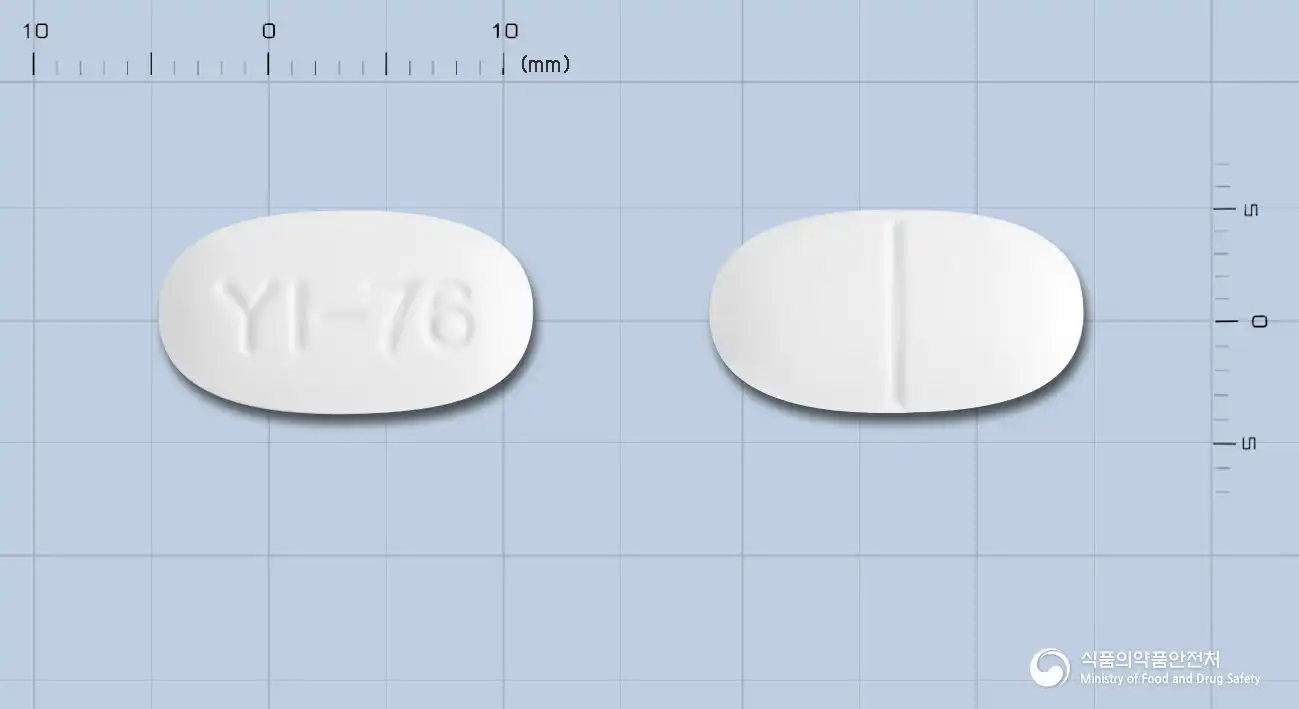 Combination
Glimepiride 2mg · Metformin Hydrochloride 500mg
Tablet · Prescription medication · Combination
Youngil Pharmaceutical Co., Ltd.
Even with the same ingredient, the dose and directions can differ by strength and dosage form. Talk to a doctor or pharmacist before switching from a medication you are already taking.
No questions yet.
For anything that needs medical judgment, consult a doctor or pharmacist.
This drug information is based on data provided by the Korea Ministry of Food and Drug Safety.
Consult a doctor or pharmacist for accurate dosage, administration, and usage instructions.