
 한국어
한국어 English
 日本語
日本語 中文(简体)
 Viewing nowCombination
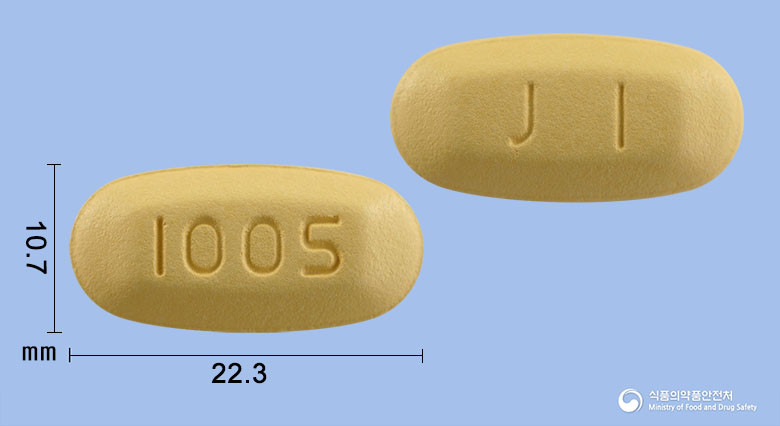
Duomet XR Tablet 1000/5 mg
Metformin Hydrochloride 1000mg · Rosuvastatin Calcium 5.2mg
Tablet · Prescription medication · Combination
Jeil Pharmaceutical Co., Ltd.
MFDS item code 201905634 · Approved 2019.08.09
This product's status changed to Approval revoked on 2026.02.19. It may no longer be sold, so consult a doctor or pharmacist before taking it.
Efficacy of combination therapy with Metformin Hydrochloride and Rosuvastatin Calcium
This medication is used as a combination therapy for patients who need to take both Metformin Hydrochloride and Rosuvastatin Calcium. In other words, it is prescribed to increase therapeutic effects and provide convenience for patients who need to take both medications simultaneously.
This medication is administered once daily to adults, taken with the evening meal.
This medication can rarely cause severe lactic acidosis, which may lead to death, so caution is necessary. When taken with other diabetes medications, severe hypoglycemia may occur, so it should be used with care. It should not be administered to patients who are allergic to any ingredients of this medication or have severely impaired liver function. It is also contraindicated in patients with muscle disorders or those taking certain immunosuppressants. Pregnant or breastfeeding women should not use this medication, and women of childbearing age should confirm the possibility of pregnancy and ensure appropriate contraception. The medication should be avoided in patients with severely impaired kidney function, acute heart failure, or severe infections. Before and after undergoing tests with iodine contrast agents, the administration of this medication should be temporarily discontinued, and kidney function should be reassessed before restarting. During treatment with this medication, if symptoms of muscle pain or weakness occur, the physician should be notified immediately, and blood tests may be required to check for muscle damage. Excessive alcohol intake may increase the risk of lactic acidosis, so it is advisable to avoid it. This medication requires dose adjustment based on kidney function, and regular kidney function tests should be performed. Additionally, liver function tests should also be conducted periodically to check for liver damage. It is recommended to regularly monitor blood glucose levels and vitamin B12 levels during treatment with this medication. Side effects such as gastrointestinal discomfort, muscle pain, headache, and dizziness may occur during use; if symptoms persist, consult healthcare professionals. This medication has not been established as safe or effective for use in children or adolescents under 19 years of age. Elderly patients often experience reduced kidney function; thus, careful dose adjustments and regular monitoring are necessary. In case of overdose, immediate medical attention should be sought, as this medication can be removed through hemodialysis. Caution is advised when driving or operating machinery, as dizziness may occur, and it should be kept out of reach of children. This medication should be stored in its original container, as transferring it to another container may cause degradation in quality or pose a risk of misuse.
Hives, severe swelling (edema), tightness in the chest, difficulty breathing, thrombocytopenia → severe allergic reactions. Severe rash with high fever, blisters, skin peeling, pain in the oral/eye mucosa, Stevens–Johnson syndrome, eosinophilia and systemic symptoms associated with Drug Reaction with Eosinophilia and Systemic Symptoms (DRESS) → severe skin adverse reactions. Difficulty breathing, cough accompanied by fever → respiratory problems. Yellowing of the skin or eyes (jaundice)
Not everyone experiences these, and they can vary from person to person.
This medication should be stored in a tightly sealed container to protect it from air and moisture. The recommended storage temperature is room temperature, maintained between 1°C and 30°C.
Yellow oval film-coated tablet
PTP - 30 tablets/PTP[(10 tablets/PTPX3)], Bottle - 30 tablets/bottle
Even with the same ingredient, strength, dosage form and how it is taken can differ.
Viewing nowCombinationMetformin Hydrochloride 1000mg · Rosuvastatin Calcium 5.2mg
Tablet · Prescription medication · Combination
Jeil Pharmaceutical Co., Ltd.
 Combination
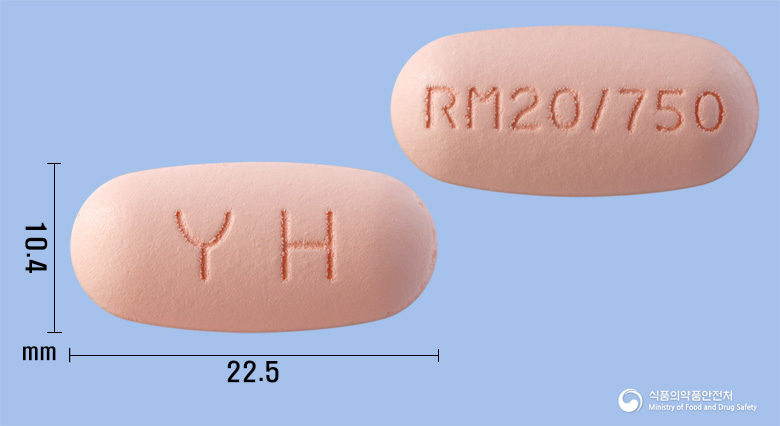
Metformin Hydrochloride 750mg · Rosuvastatin Calcium 20.8mg
Tablet · Prescription medication · Combination
Yuhan Corporation
 Combination
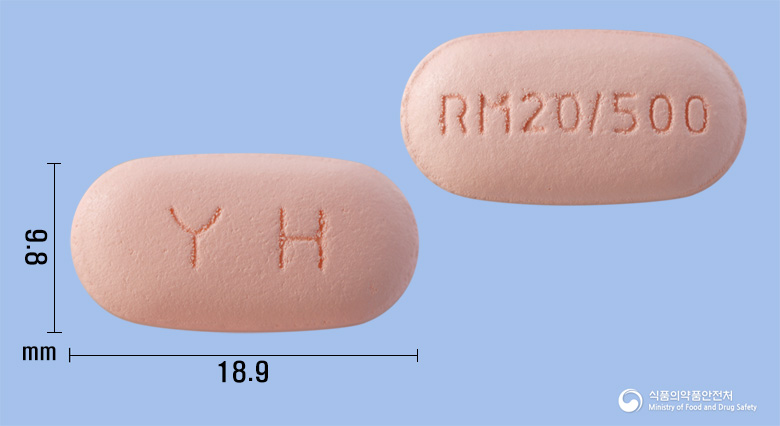
Metformin Hydrochloride 500mg · Rosuvastatin Calcium 20.8mg
Tablet · Prescription medication · Combination
Yuhan Corporation
 Combination
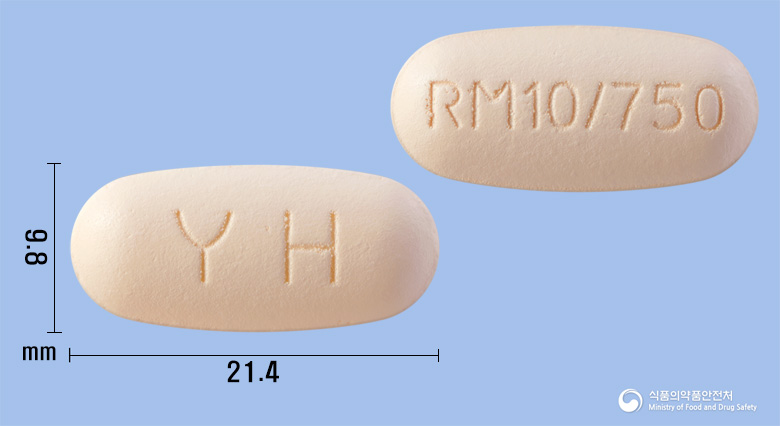
Metformin Hydrochloride 750mg · Rosuvastatin Calcium 10.4mg
Tablet · Prescription medication · Combination
Yuhan Corporation
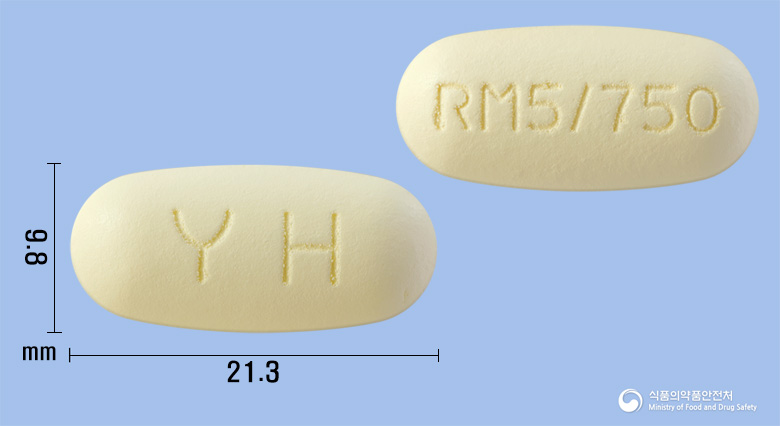 Combination
Metformin Hydrochloride 750mg · Rosuvastatin Calcium 5.2mg
Tablet · Prescription medication · Combination
Yuhan Corporation
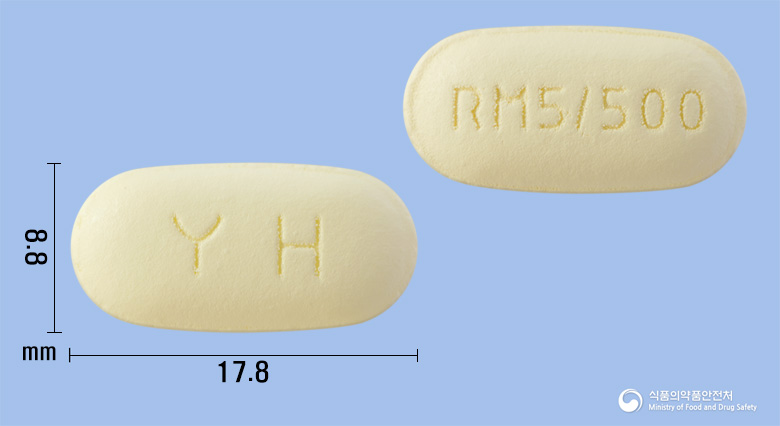 Combination
Metformin Hydrochloride 500mg · Rosuvastatin Calcium 5.2mg
Tablet · Prescription medication · Combination
Yuhan Corporation
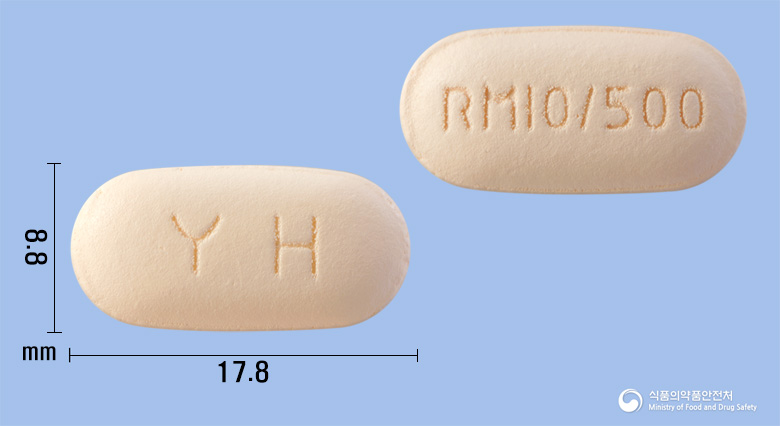 Combination
Metformin Hydrochloride 500mg · Rosuvastatin Calcium 10.4mg
Tablet · Prescription medication · Combination
Yuhansangyo Co., Ltd.
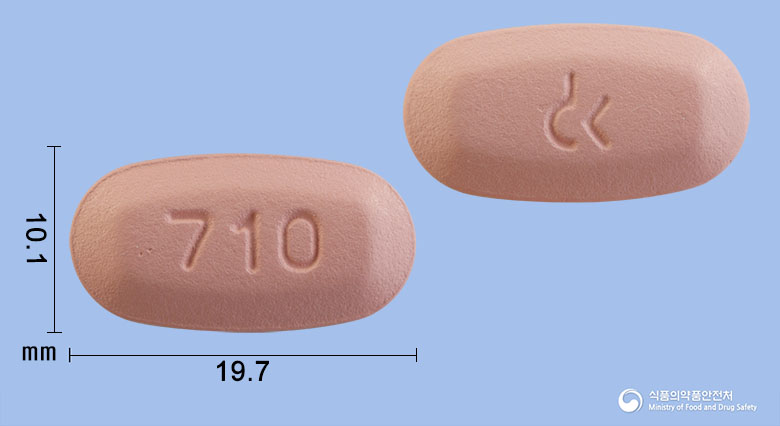 Combination
Metformin Hydrochloride 750mg · Rosuvastatin Calcium 10.4mg
Tablet · Prescription medication · Combination
Dongkuk Pharmaceutical Co., Ltd.
Even with the same ingredient, the dose and directions can differ by strength and dosage form. Talk to a doctor or pharmacist before switching from a medication you are already taking.
No questions yet.
For anything that needs medical judgment, consult a doctor or pharmacist.
This drug information is based on data provided by the Korea Ministry of Food and Drug Safety.
Consult a doctor or pharmacist for accurate dosage, administration, and usage instructions.