
 한국어
한국어 English
 日本語
日本語 中文(简体)
Dosage form image
Viewing nowDiclom Eye Drops (Diclofenac Sodium)
Diclofenac Sodium 1mg
Eye drops · Prescription medication
Mothers Pharmaceutical Co., Ltd.
MFDS item code 201905525 · Notified 2019.08.06
This product's status changed to Expired on 2024.08.06. It may no longer be sold, so consult a doctor or pharmacist before taking it.
Prevention of inflammation and cystoid macular edema after cataract surgery, and treatment of non-infectious inflammation in the anterior segment.
This medication prevents postoperative inflammation during cataract surgery and prevents the constriction of the iris during surgery. It also reduces the risk of developing cystoid macular edema associated with lens extraction and intraocular lens insertion. It is effective in treating non-infectious inflammation occurring in the anterior segment, such as chronic conjunctivitis or post-trauma inflammation. This efficacy aids in post-surgical recovery and improves eye inflammation.
1. For cataract surgery - Preoperative: 1 drop 5 times over 3 hours - Immediately postoperative: 1 drop 3 times - Maintenance therapy: 1 drop 3-5 times a day, duration varies based on symptoms. 2. For treating anterior segment inflammation 1 drop 4-5 times a day, adjust dosage according to symptoms.
This medication is an anti-inflammatory agent for use in the eyes and should not be used in certain patients. First, individuals allergic to the components of this medication should not use it. Additionally, patients who have previously experienced asthma, itching, acute rhinitis, or other symptoms after using aspirin or other non-steroidal anti-inflammatory drugs should avoid this medication. Pregnant women after 6 months of pregnancy should also not use this medication. Patients with hypersensitivity, or a history of cross-sensitivity reactions such as asthma attacks, urticaria, or acute rhinitis should use this medication cautiously. Using this medication may delay wound healing and, rarely, nausea or vomiting may occur. Allergic symptoms such as asthma or itching and acute rhinitis may occur infrequently. Temporary symptoms such as pain, dryness, congestion of the eyes, dilated pupils, keratitis, blurred vision, redness, and photophobia may also occur. There is a risk of corneal ulcers or perforation, so if any abnormal symptoms appear in the eyes, use should be stopped immediately and treatment sought. The most common side effect is mild eye irritation, with symptoms such as itching, congestion, and blurred vision immediately after administration. Frequent use may lead to keratitis or corneal disturbances, so caution is required. Especially, patients using corticosteroids or those at risk for corneal disturbances due to rheumatoid arthritis or infections should be careful during long-term use due to the risk of corneal ulcers or edema. Rarely, shortness of breath or worsening of asthma has been reported, and allergic reactions such as allergic conjunctivitis, blepharitis, rashes, cough, and rhinitis may occur. Wearing contact lenses while using this medication is not recommended, and it is advisable to remove the lenses before administration and wear them again after 15 minutes. Since temporary blurring of vision may occur after use, driving or the operation of dangerous machinery should be avoided until vision returns to normal. If there is a risk of eye infection, appropriate treatment should be undertaken along with the use of this medication. This medicine may interfere with blood coagulation, increasing the risk of bleeding, so patients with bleeding issues or taking medications that cause bleeding should be cautious. When using other eye drops, administer with an interval of at least 5 minutes, while occluding the nasolacrimal duct or closing the eye may reduce systemic absorption. This medication contains a preservative called benzalkonium chloride that can discolor contact lenses or cause eye inflammation. It should not be combined with certain eye drops as precipitation may occur. When serious corneal inflammation is present, using steroids in conjunction may increase the risk of corneal complications, so caution is advised. After 6 months of pregnancy, it may harm the fetus, so it should not be used, and nursing mothers should also avoid use whenever possible. The safety for children has not been established, so use should be approached with caution. For ophthalmic use only, do not inject directly into the eye. Care should be taken to maintain sterility when opening the container and to avoid contact of the container tip with the eye. Keep out of the reach of children, store in a cool place away from direct sunlight. After opening, it should be used within 1 month, and any remaining contents should be discarded.
Delayed wound healing, asthma, shortness of breath and asthma exacerbation, corneal ulcer, corneal perforation.
Nausea, vomiting, itching, acute rhinitis, temporary pain (burning or stinging), dryness, congestion, postoperative mydriasis, superficial keratitis, corneal erosion, temporary blurred vision, redness, photophobia, keratitis (punctate), mild to moderate ocular irritation, topical irritation immediately after administration, ocular congestion, blurred vision, punctate keratitis or corneal disturbances, ulcerative keratitis, thinning of the cornea, corneal epithelial defects, corneal edema.
Not everyone experiences these, and they can vary from person to person.
Store this medication in a sealed container to protect it from air and light, and keep it in a cool place below 10 degrees Celsius. Storing it this way can help maintain the medication's effectiveness for a longer period.
A clear solution that is colorless to pale yellow, contained in a transparent bottle.
5mL/bottle - 5 milliliters/bottle
Even with the same ingredient, strength, dosage form and how it is taken can differ.
Diclofenac Sodium 1mg
Eye drops · Prescription medication
Mothers Pharmaceutical Co., Ltd.
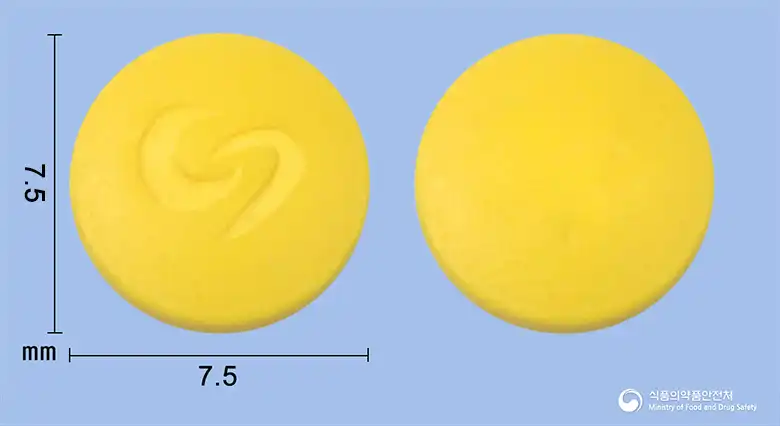
Diclofenac Sodium 25mg
Tablet · Prescription medication
Dongkwang Pharmaceutical Co., Ltd.
Diclofenac Sodium 75mg
Prescription medication
Ajou Pharmaceuticals Co., Ltd.
Diclofenac Sodium 37.5mg
Prescription medication
Hwanin Pharmaceutical Co., Ltd.
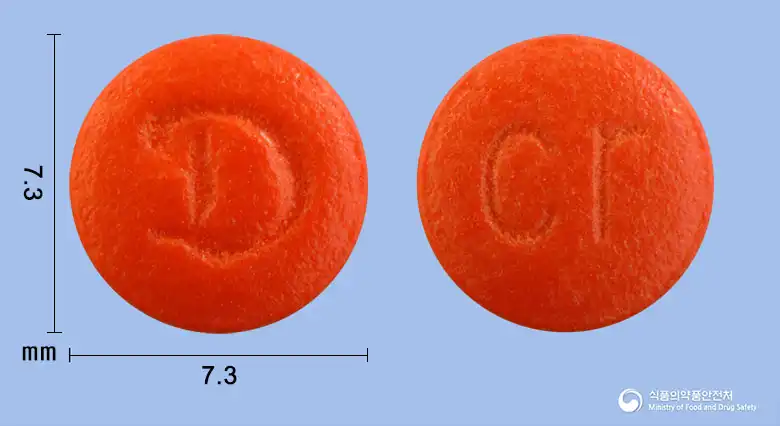
Diclofenac Sodium 25mg
Tablet · Prescription medication
GL Pharma Co., Ltd.
Diclofenac Sodium 75mg
Solution · Prescription medication
YuYoung Pharmaceutical Co., Ltd.
Diclofenac Sodium 37.5mg
Prescription medication
Daehwa Pharmaceutical Co., Ltd.
Diclofenac Sodium 37.5mg
Prescription medication
Dongkwang Pharmaceutical Co., Ltd.
Even with the same ingredient, the dose and directions can differ by strength and dosage form. Talk to a doctor or pharmacist before switching from a medication you are already taking.
No questions yet.
For anything that needs medical judgment, consult a doctor or pharmacist.
This drug information is based on data provided by the Korea Ministry of Food and Drug Safety.
Consult a doctor or pharmacist for accurate dosage, administration, and usage instructions.