
 한국어
 English
 日本語
 中文(简体)
Dosage form image
Viewing nowSiltal 50 mg (Cilostazol)
Cilostazol 50mg
Tablet · Prescription medication
Hanpung Pharmaceutical Co., Ltd.
MFDS item code 201905502 · Approved 2019.08.05
This product's status changed to Expired on 2024.08.05. It may no longer be sold, so consult a doctor or pharmacist before taking it.
Improvement of symptoms of chronic arterial occlusive disease (such as ulcers and coldness); prevention of recurrent cerebral infarction
This medication is effective for improving ischemic symptoms associated with chronic arterial occlusive disease, such as ulcers, pain, and coldness. It is also used to inhibit recurrence after a cerebral infarction. Therefore, it helps improve vascular circulation and treat cerebrovascular and peripheral vascular diseases.
The usual adult dose is cilostazol 100mg orally twice daily. The dose may be adjusted as appropriate according to age and symptoms.
This medication may increase heart rate and worsen symptoms of angina, so careful observation of symptoms such as chest pain is required. It should not be used in patients with a risk of bleeding or recent hemorrhagic stroke, active peptic ulcer, or uncontrolled hypertension. It should also be avoided in patients with congestive heart failure as it may worsen symptoms. Patients who have had hypersensitivity reactions to this medication or its ingredients should not use it. Pregnant women, women of childbearing potential, and breastfeeding mothers should not take this medication, and if they are breastfeeding, they should stop nursing. Patients taking anticoagulants, antiplatelet agents, thrombolytics, etc., should use caution as there may be an increased risk of bleeding. Women who are menstruating may also have an increased risk of bleeding and should be cautious when taking it. Patients with coronary artery stenosis may experience increased heart rate and angina due to this medication, so caution is necessary. Patients with severe renal or hepatic failure may have increased blood concentration of this medication, necessitating careful administration. Diabetic patients or those with impaired glucose tolerance may experience bleeding side effects more easily and should be cautious. Hypertensive patients should check their blood pressure control status adequately, and if blood pressure continues to rise, they should be careful when taking it. Patients with cardiac arrhythmias or conditions such as atrial fibrillation or ventricular tachycardia should also use caution when taking this medication. This medication can cause serious side effects such as bleeding, blood abnormalities, interstitial pneumonia, heart failure, myocardial infarction, angina, and jaundice, so if any abnormal symptoms occur, administration should be stopped immediately and medical consultation should be sought. Dizziness may occur, so caution is advised when driving or operating machinery. This medication can interact with various drugs, so if other medications are being taken, it is essential to inform medical personnel. Elderly patients may have diminished physical function and may require dose adjustment. Serious side effects may occur in case of overdose, so it is crucial to adhere to the prescribed dosage and administration guidelines.
Increased heart rate, angina, headache, nausea, vomiting, consciousness disturbance, hemiplegia, pulmonary hemorrhage, subcutaneous hemorrhage, gastrointestinal bleeding, nosebleed, fundal hemorrhage, hematuria, pancytopenia, agranulocytosis, thrombocytopenia, leukopenia, aplastic anemia, fever, cough, dyspnea, abnormal chest X-ray, eosinophilia, congestive heart failure, myocardial infarction, ventricular tachycardia, jaundice, increased AST, increased ALT, increased ALP, increased LDH, photosensitive reaction, rash, urticaria, pruritus, back pain, infection, chills, malaise, neck stiffness, pelvic pain, retroperitoneal hemorrhage, atrial fibrillation, atrial flutter, loss of functional tachycardia, ventricular tachycardia, loss of functional ectopic beats, ventricular ectopic beats, hypotension, orthostatic hypotension, palpitations, tachycardia, flushing, hypertension, cerebral infarction, cerebral ischemia, cardiac arrest, myocardial ischemia, syncope, varices, vasodilation, left ventricular outflow tract obstruction, anxiety, neuralgia, weakness, strange dreams, headache, heaviness in the head, dizziness, insomnia, paresthesia, drowsiness, tremor, abnormal stool, dyspepsia, cholelithiasis, colitis, duodenal ulcer, duodenitis, esophagitis, increased γ-GTP, gastritis, gastroenteritis, gum bleeding, black stool, peptic ulcer, periodontal abscess, gastric ulcer, tongue swelling, abdominal pain, loss of appetite, diarrhea, heartburn, abdominal bloating, polycythemia, purpura, increased bleeding time, thrombocytosis, eosinophilia, anemia, facial edema, peripheral edema, gout, hyperlipidemia, increased blood sugar, myalgia, arthralgia, bone pain, bursitis, increased cough, pharyngitis, rhinitis, asthma, sinusitis, pneumonia, diabetes, dry skin, boil, skin hypertrophy, amblyopia, blindness, diplopia, ear pain, tinnitus, conjunctivitis, nephrotic syndrome, cystitis, vaginal bleeding, vaginitis, frequent urination, kidney failure, abnormal kidney function, increased BUN, increased creatinine, increased uric acid, sweating, edema, chest pain, pain, lethargy, fever, decreased sensation
Not everyone experiences these, and they can vary from person to person.
This medication should be stored in a tightly closed container that is well-sealed from the air, and kept at room temperature between 1 degrees and 30 degrees Celsius. Proper storage will maintain the medication’s efficacy for a longer time and prevent degradation.
White round tablet
30 tablets/bottle, 100 tablets/bottle
Even with the same ingredient, strength, dosage form and how it is taken can differ.
Cilostazol 50mg
Tablet · Prescription medication
Hanpung Pharmaceutical Co., Ltd.
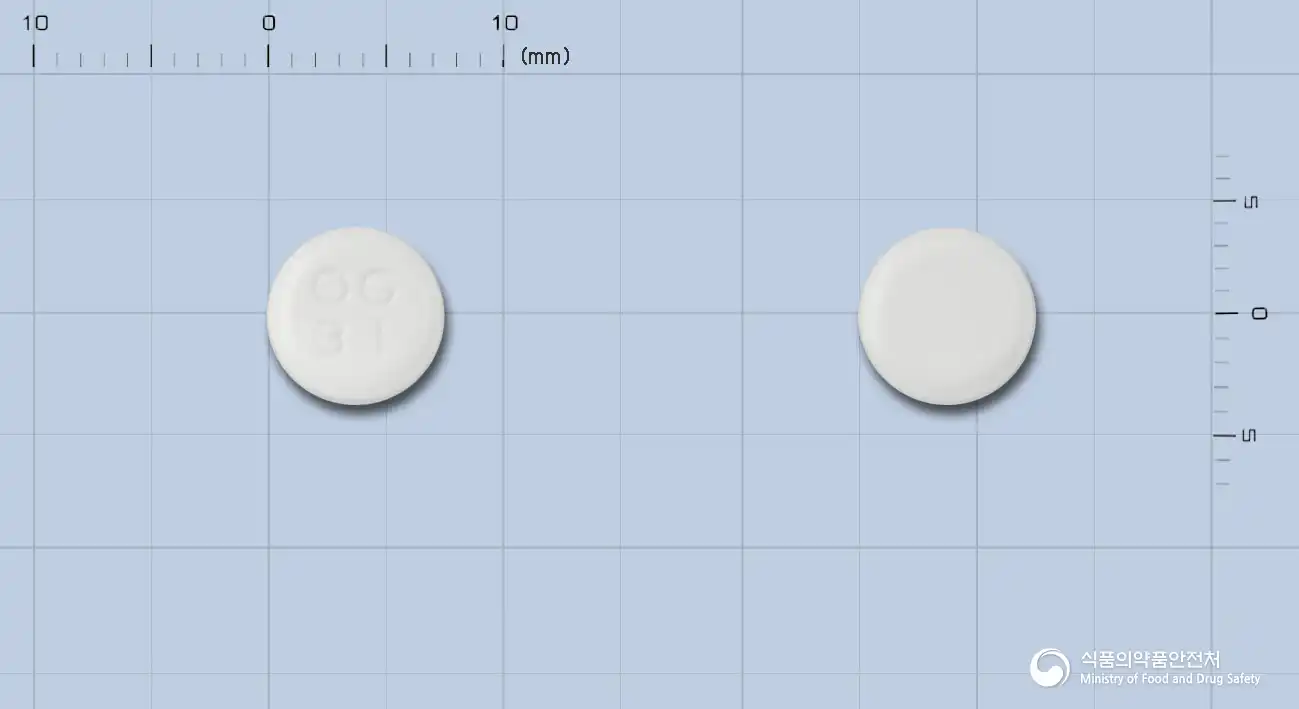
Cilostazol 50mg
Tablet · Prescription medication
Otsuka Pharmaceutical Co., Ltd.
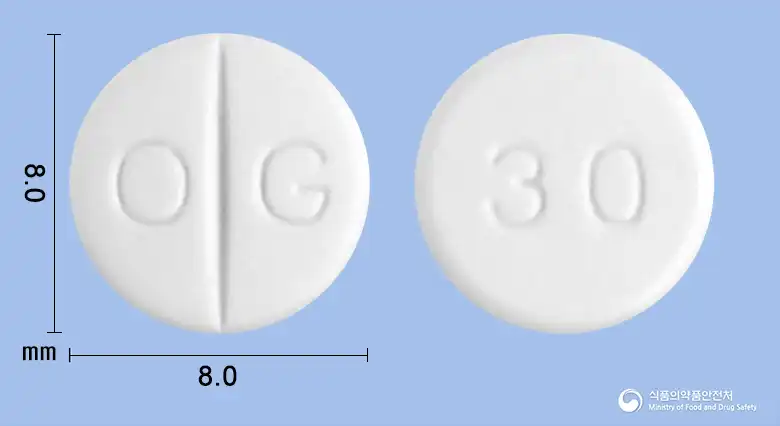
Cilostazol 100mg
Tablet · Prescription medication
Korea Otsuka Pharmaceutical Co., Ltd.
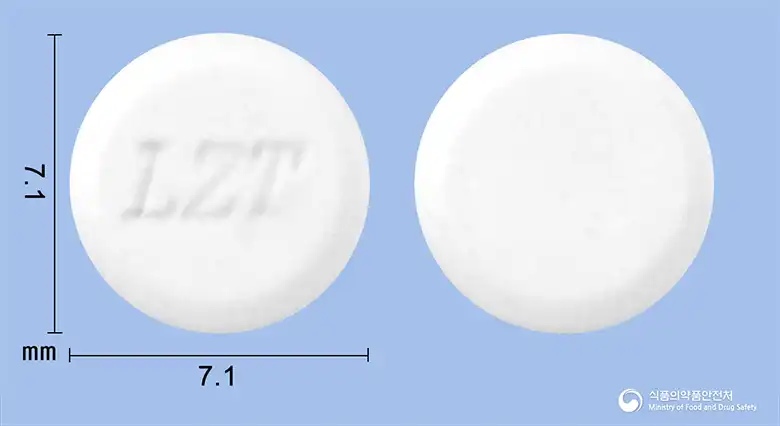
Cilostazol 50mg
Tablet · Prescription medication
Kyungdong Pharmaceutical Co., Ltd.
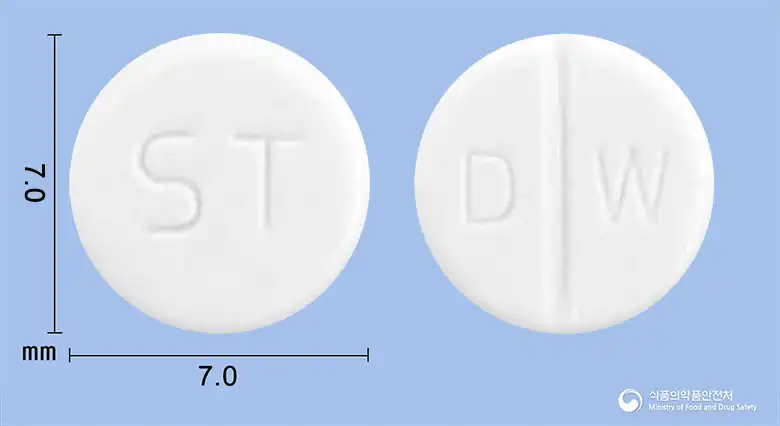
Cilostazol 50mg
Tablet · Prescription medication
Daewon Pharmaceutical Co., Ltd.
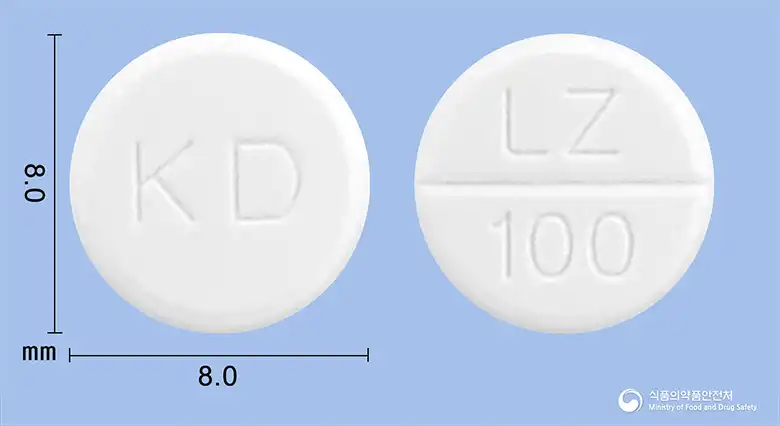
Cilostazol 100mg
Tablet · Prescription medication
Kyungdong Pharmaceutical Co., Ltd.
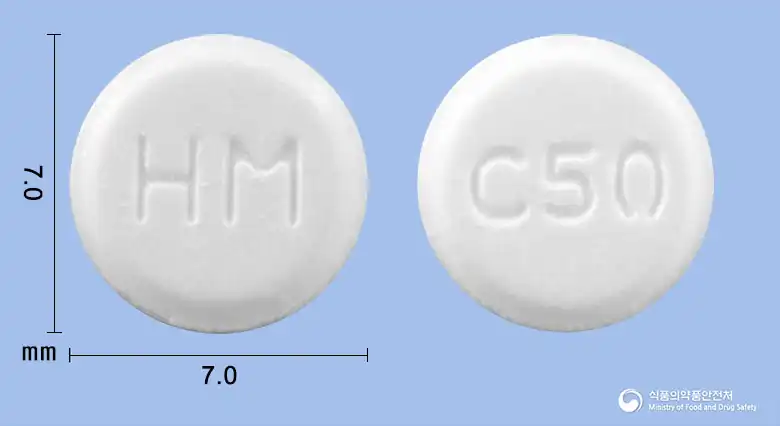
Cilostazol 50mg
Tablet · Prescription medication
Hanmi Pharmaceutical Co., Ltd.
Cilostazol
Prescription medication
Daehan New Pharm Co., Ltd.
Even with the same ingredient, the dose and directions can differ by strength and dosage form. Talk to a doctor or pharmacist before switching from a medication you are already taking.
No questions yet.
For anything that needs medical judgment, consult a doctor or pharmacist.
This drug information is based on data provided by the Korea Ministry of Food and Drug Safety.
Consult a doctor or pharmacist for accurate dosage, administration, and usage instructions.