
 한국어
한국어 English
 日本語
日本語 中文(简体)
Dosage form image
Viewing nowNuclein Tablets (Clopidogrel Sulfate)
Clopidogrel Bisulfate 97.875mg
Tablet · Prescription medication
Alpha Pharmaceuticals Co., Ltd.
MFDS item code 201905498 · Approved 2019.08.05
This product's status changed to Expired on 2024.08.05. It may no longer be sold, so consult a doctor or pharmacist before taking it.
Improvement of atherosclerotic symptoms such as ischemic stroke and myocardial infarction, and reduction of the risk of acute coronary syndrome and thromboembolism.
This medication is used to improve symptoms in adult patients related to atherosclerosis, such as ischemic stroke, myocardial infarction, and peripheral artery disease. It also helps alleviate serious symptoms such as death from cardiovascular issues, myocardial infarction, and stroke in patients with acute coronary syndrome. In patients with atrial fibrillation where vitamin K antagonist therapy is difficult due to multiple vascular risk factors, this drug is effective in reducing the risk of stroke and thromboembolism. It plays an important role in preventing complications related to cardiovascular diseases and improving symptoms, thereby assisting patients' health.
Patients with ischemic stroke, myocardial infarction, or peripheral artery disease are administered clopidogrel 75 mg orally once daily. For patients with acute coronary syndrome (unstable angina or non-Q-wave myocardial infarction), initiate treatment with a loading dose of 300 mg orally once daily on the first day, followed by a maintenance dose of 75 mg orally once daily. At this time, aspirin 75 ~ 325 mg should be administered concurrently once daily.
This drug prevents platelets from sticking together, thereby preventing blood clotting. Before taking this medication, if CYP2C19 genetic enzyme activity is reduced, the drug's effectiveness may be diminished, so consultation with a physician is advised. Moreover, taking this medication alongside drugs that activate the CYP2C19 enzyme may increase the risk of bleeding, so it is recommended not to combine these. Patients with an allergy to this medication, those with bleeding, severe liver damage, breastfeeding women, and those with specific genetic diseases such as lactose intolerance should not take this medication. Patients at high risk of bleeding or scheduled for surgery should be cautious about taking this medication and are advised to discontinue its use 5 to 7 days prior to surgery. Also, caution is necessary when taking it with other medications that increase the risk of bleeding. During treatment with this drug, bleeding may take longer to stop, so if signs of bleeding occur, patients should immediately inform their doctor and undergo an examination. Rarely, serious side effects such as a rapid decrease in the number of certain blood cells may occur, therefore, if fever or signs of infection appear, medical staff should be consulted immediately. This medication may have side effects such as gastrointestinal disturbances, diarrhea, headache, and rash, among which bleeding is one of the most significant side effects. While the effects on the fetus during pregnancy are unclear, treatment should not be postponed in emergencies such as myocardial infarction or stroke. If breastfeeding, it should be carefully considered whether to continue breastfeeding or discontinue the medication since it may be excreted in breast milk. Elderly patients or those with impaired kidney or liver function are at higher risk of bleeding, therefore dose adjustments and careful monitoring are necessary. In case of overdose, bleeding time may be prolonged and the risk of bleeding may increase; while no specific antidote exists, platelet transfusion may reverse the effects. The safety and efficacy of this medication have not been sufficiently established in children, therefore its use is not recommended. When storing this medication, it should be kept out of reach of children, and transferring to other containers should be avoided.
Hives, severe swelling (edema), chest tightness, difficulty breathing, cold sweat, paleness, severe rash accompanied by fever, blisters, peeling skin, pain in oral/ocular mucous membranes, shortness of breath or difficulty breathing, asthma attacks, respiratory abnormalities accompanied by cough and fever, yellowing of the skin or eyes (jaundice), extreme fatigue, sudden and severe headache, thunderclap headache, seizures, confusion, visual disturbances, paralysis, urination.
Not everyone experiences these, and they can vary from person to person.
This medication should be stored in a tightly sealed container to prevent air or moisture from entering. It is best to maintain a storage temperature between 1 degree and 30 degrees Celsius to effectively preserve the drug’s efficacy and safety.
Pink round film-coated tablets
30 tablets - 30 tablets/bottle, 100 tablets - 100 tablets/bottle
Even with the same ingredient, strength, dosage form and how it is taken can differ.
Clopidogrel Bisulfate 97.875mg
Tablet · Prescription medication
Alpha Pharmaceuticals Co., Ltd.
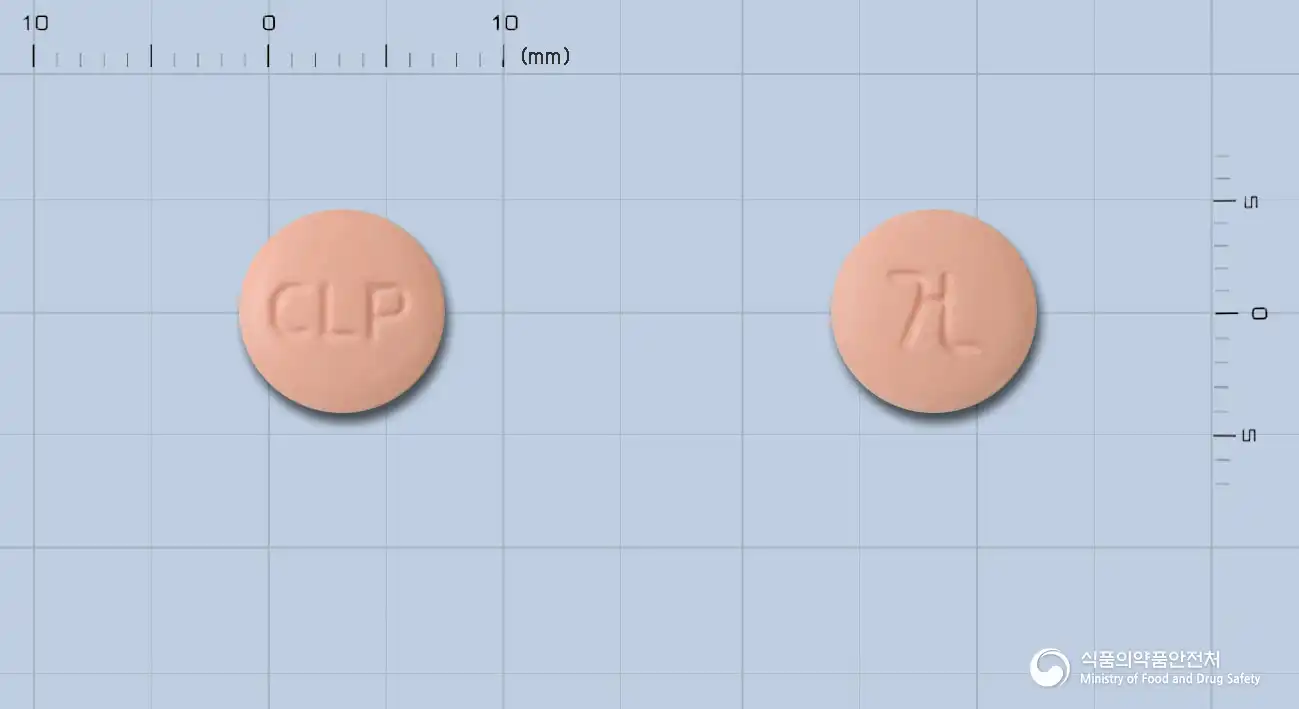
Clopidogrel Bisulfate 97.875mg
Tablet · Prescription medication
Geonil Pharmaceutical Co., Ltd.
Clopidogrel Bisulfate 97.875mg
Tablet · Prescription medication
Sama Pharmaceutical Co., Ltd.
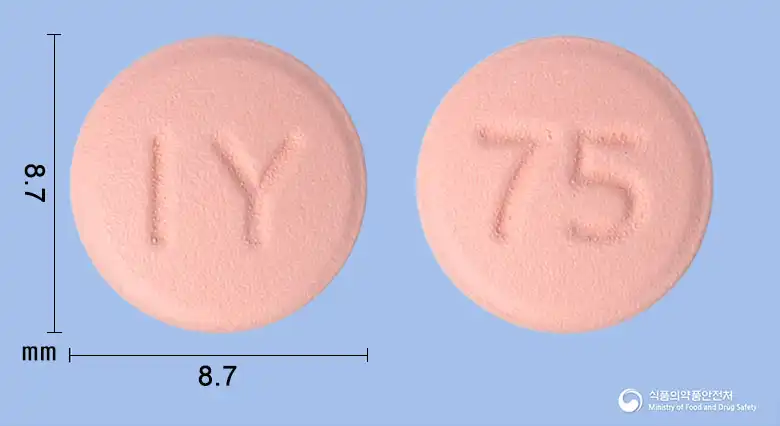
Clopidogrel Bisulfate 97.875mg
Tablet · Prescription medication
Il Yang Pharmaceutical Co., Ltd.
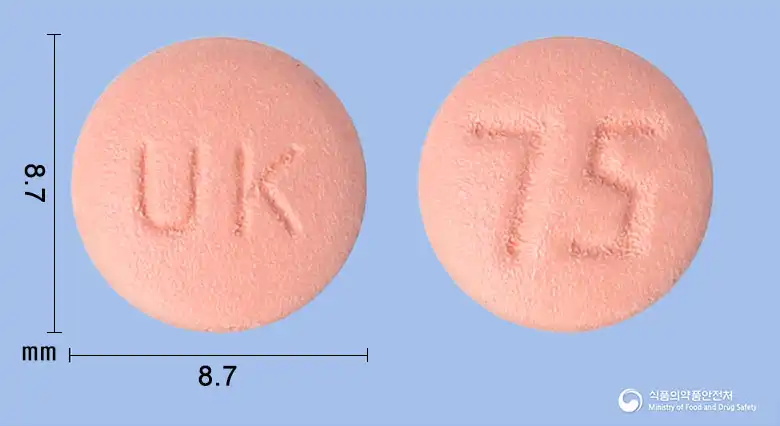
Clopidogrel Bisulfate 97.875mg
Tablet · Prescription medication
Korea Union Pharmaceutical Co., Ltd.

Clopidogrel Bisulfate 97.875mg
Tablet · Prescription medication
(Co., Ltd.) Korea Pharma

Clopidogrel Bisulfate 97.875mg
Tablet · Prescription medication
Samjin Pharmaceutical Co., Ltd.
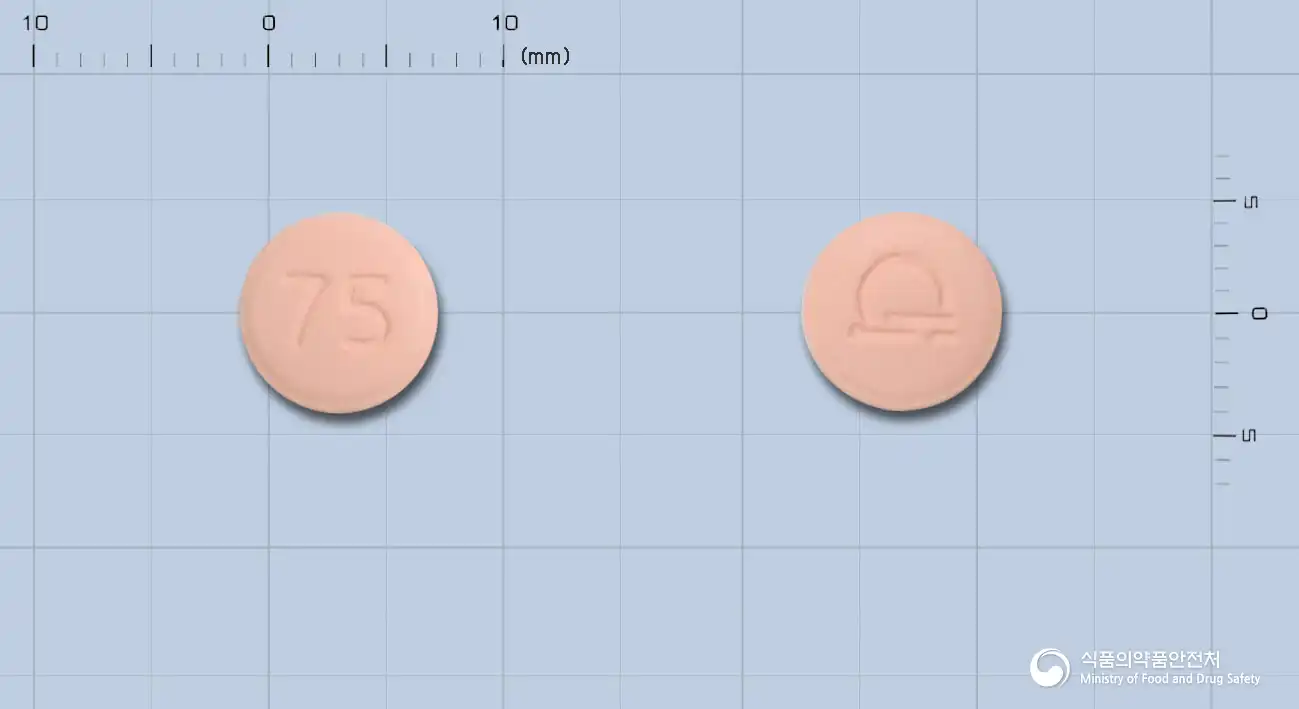
Clopidogrel Bisulfate 97.875mg
Tablet · Prescription medication
Daewon Pharmaceutical Co., Ltd.
Even with the same ingredient, the dose and directions can differ by strength and dosage form. Talk to a doctor or pharmacist before switching from a medication you are already taking.
No questions yet.
For anything that needs medical judgment, consult a doctor or pharmacist.
This drug information is based on data provided by the Korea Ministry of Food and Drug Safety.
Consult a doctor or pharmacist for accurate dosage, administration, and usage instructions.