
 한국어
한국어 English
 日本語
日本語 中文(简体)
Dosage form image
Viewing nowCombinationTracan Sustained-release Tablet
Tramadol Hydrochloride 75mg · Acetaminophen 325mg
Tablet · Prescription medication · Combination
Sungwon Adcock Pharmaceutical Co., Ltd.
MFDS item code 201905488 · Approved 2019.08.02
This product's status changed to Expired on 2024.08.02. It may no longer be sold, so consult a doctor or pharmacist before taking it.
Relief of moderate to severe acute and chronic pain
This medication is used to relieve moderate to severe acute and chronic pain.
The dosage is adjusted according to the patient's pain level and therapeutic response. It is recommended to start with a single tablet, with subsequent dosing intervals of at least 12 hours apart, and not to exceed 4 tablets in one day. Avoid prolonged use unless necessary, and perform regular monitoring during extended use. For the elderly, the usual adult dose should be given, but for those over 75 years old, dosing intervals should be at least 12 hours apart.
The safety and efficacy of this medication in children have not been established, hence its use is not recommended.
This medication may pose a risk of liver damage in individuals who regularly consume more than three glasses of alcohol per day; therefore, consultation with a doctor or pharmacist is mandatory. One of the ingredients, acetaminophen, can cause rare but severe skin reactions, so if a rash or allergic symptoms occur, discontinue use immediately. The tramadol component in this medication can increase the risk of seizures if the recommended dose is exceeded, and the risk may be higher when used in combination with certain antidepressants or other narcotics, hence caution is required. Tramadol may rarely cause severe allergic reactions; hence, notify medical personnel immediately if any allergy symptoms occur. If administered to patients with acute and severe bronchial asthma, this medication may cause life-threatening respiratory depression; therefore, it must only be used in settings with appropriate medical equipment available. When taken with CNS depressants like alcohol or benzodiazepines, this medication can increase the risk of severe sedation, respiratory depression, stupor, or death; hence, concomitant use should be carefully considered. In patients with increased intracranial pressure or head trauma, the risk of respiratory depression may worsen the condition, so caution is necessary. The tramadol component may lead to psychological and physical dependence, so potential for dependence should be considered with prolonged use. Acetaminophen can cause liver damage in cases of overdose, so care must be taken to avoid exceeding the dose and to not take other acetaminophen products concurrently. In particular, for patients who are ultra-rapid metabolizers of CYP2D6, the components of this medication may metabolize quickly in the body, increasing the risk of respiratory depression; thus, dose adjustments and monitoring are necessary. It is not safe to administer this medication to children under 12 years of age or to teenagers under 18 years of age who have undergone tonsillectomy and adenoidectomy. This medication may rarely cause hyponatremia, so elderly patients or those at risk of hyponatremia should periodically monitor sodium levels in the blood. This medication should not be administered to patients who have hypersensitivity to the components, severe respiratory depression, head injuries, or are currently taking MAO inhibitors. Patients with severe impairment of liver, kidney, or heart functions, nursing mothers, and children below a specific age should also avoid use. This medication may cause drowsiness or dizziness when driving or operating machinery, so caution is advised during such activities. In the event of overdose, serious respiratory depression, liver damage may occur, necessitating immediate visit to a medical institution for appropriate treatment. When using this medication, it is important to adhere to the recommended dosage, avoid combining it with other medications of similar composition, and carefully observe for signs of dependence and side effects.
Hives, severe swelling (edema), tightness in the chest, difficulty breathing, cold sweat, pallor, severe rash with high fever, blisters, skin peeling, pain in oral/ocular mucosa, shortness of breath or difficulty breathing, asthma attack, respiratory abnormalities accompanied by cough + fever, yellowing of the skin or eyes (jaundice), extreme lethargy, sudden severe headaches, thunderclap headaches, seizures, altered consciousness, visual disturbances, paralysis, urinary retention
Not everyone experiences these, and they can vary from person to person.
Store this medication in a tightly sealed container to avoid contact with air or moisture. Additionally, it is advisable to keep it at room temperature between 1°C and 30°C. Proper storage will help maintain the medication's effectiveness.
Pale yellow oblong sustained-release film-coated tablet
For domestic use - 30 tablets/bottle, For domestic use - 100 tablets/bottle
Even with the same ingredient, strength, dosage form and how it is taken can differ.
Tramadol Hydrochloride 75mg · Acetaminophen 325mg
Tablet · Prescription medication · Combination
Sungwon Adcock Pharmaceutical Co., Ltd.
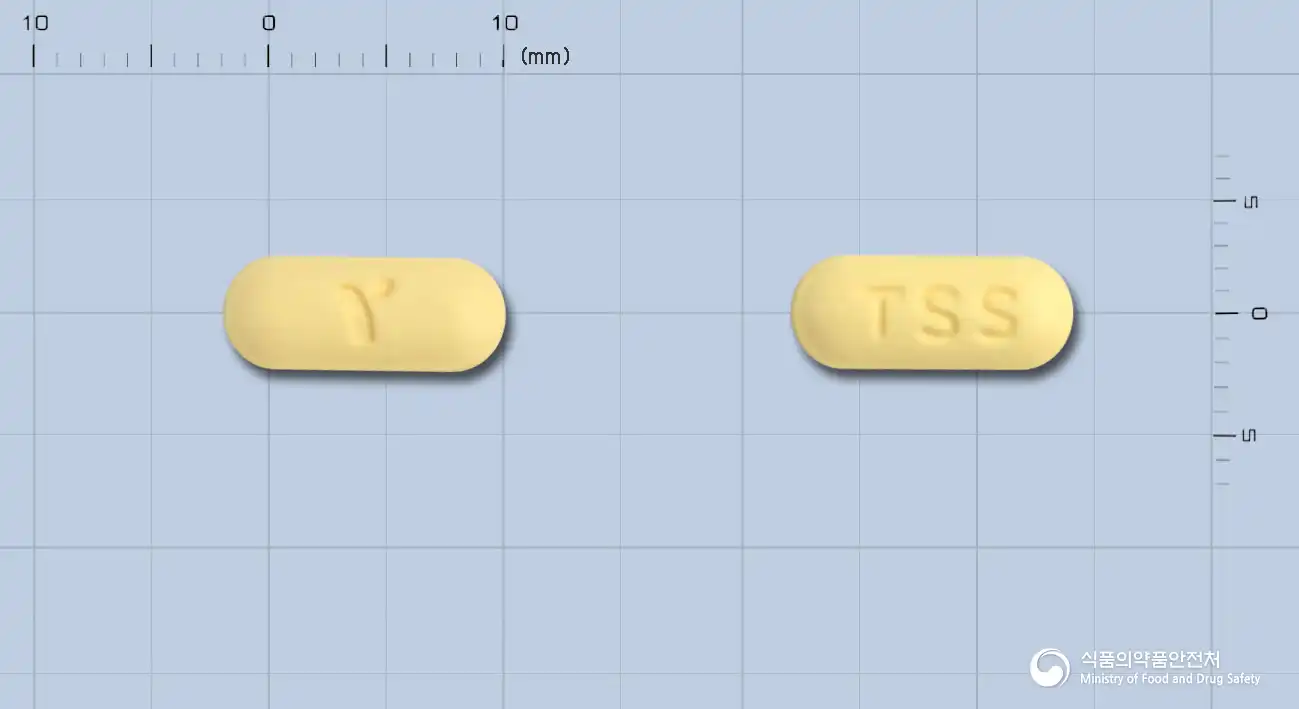 Combination
Acetaminophen 162.5mg · Tramadol Hydrochloride 18.75mg
Tablet · Prescription medication · Combination
Yuyoung Pharmaceutical Co., Ltd.
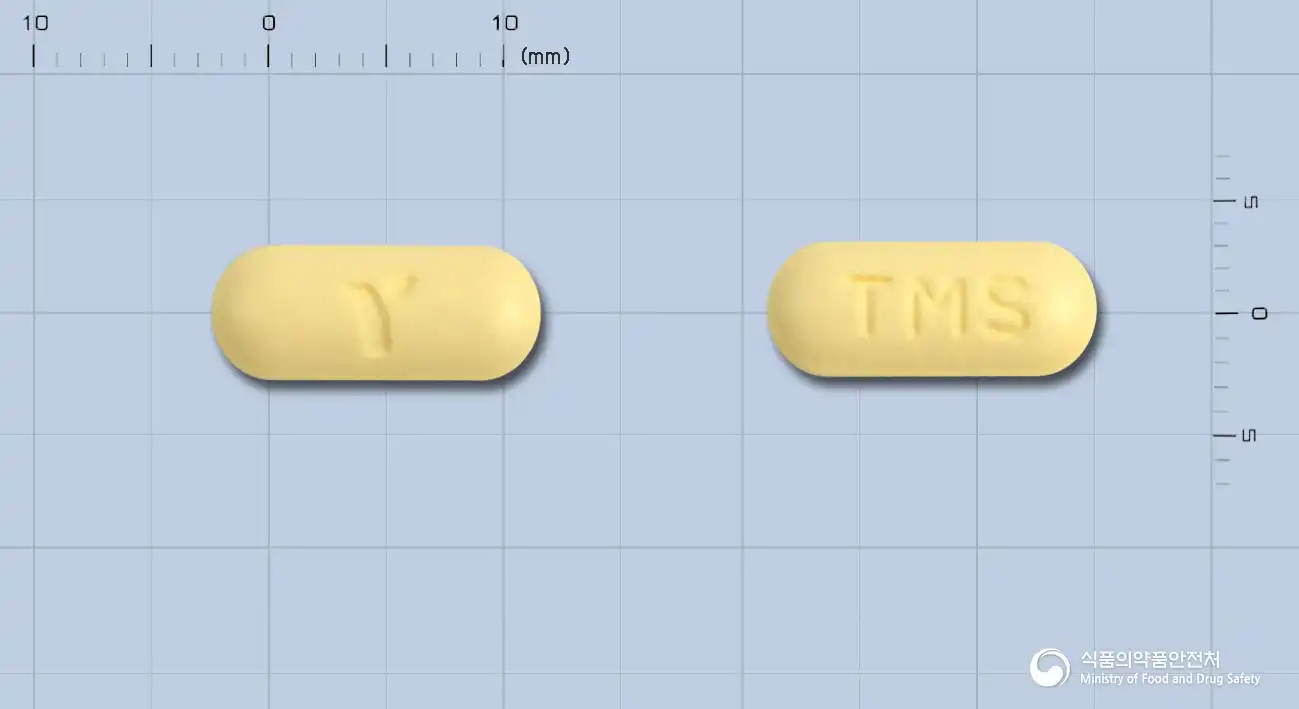 Combination
Acetaminophen 325mg · Tramadol Hydrochloride 37.5mg
Tablet · Prescription medication · Combination
Youyoung Pharmaceutical Co., Ltd.
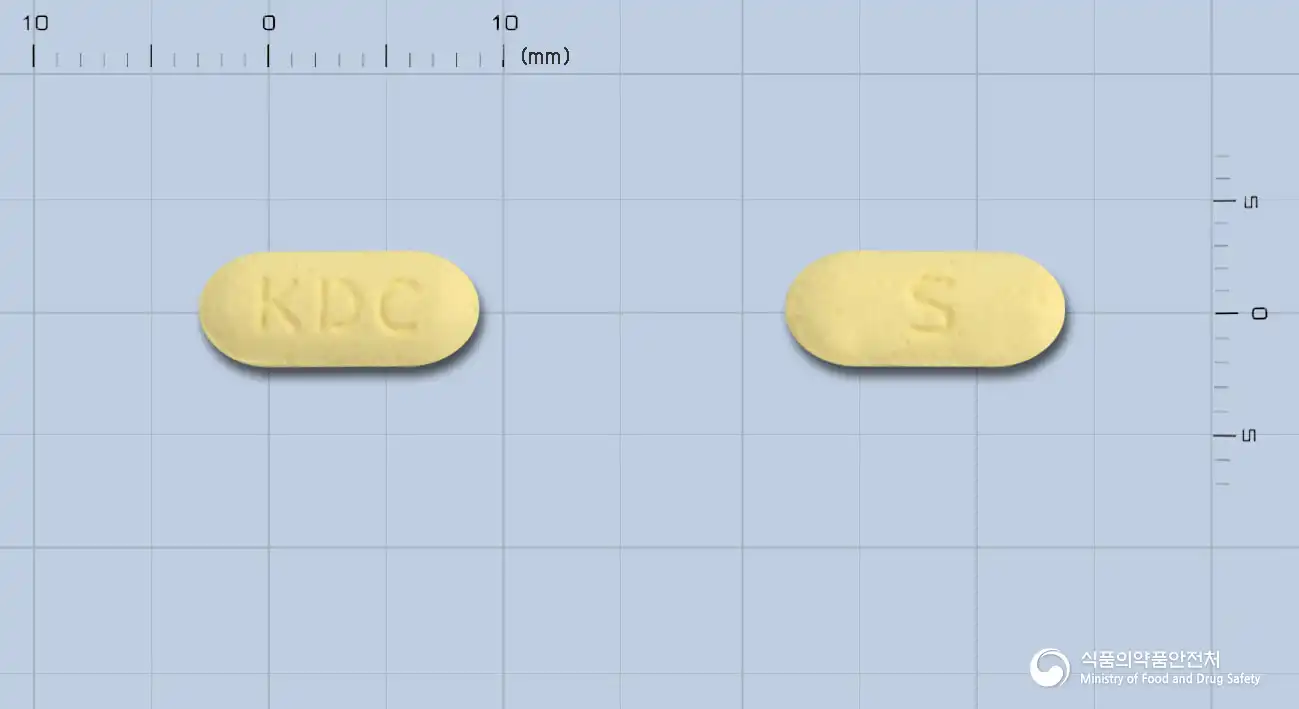 Combination
Tramadol Hydrochloride 18.75mg · Acetaminophen 162.5mg
Tablet · Prescription medication · Combination
Korea Pharmaceutical Co., Ltd.
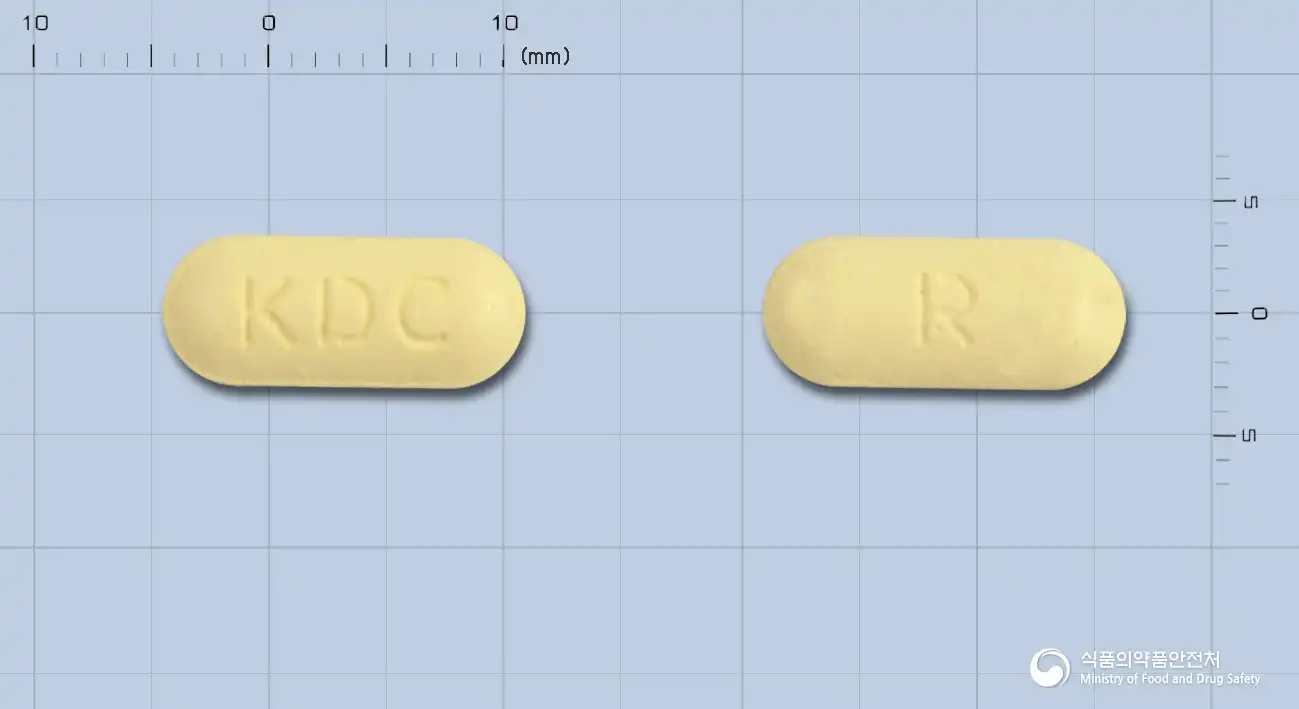 Combination
Tramadol Hydrochloride 37.5mg · Acetaminophen 325mg
Tablet · Prescription medication · Combination
Korea United Pharmaceutical Co., Ltd.
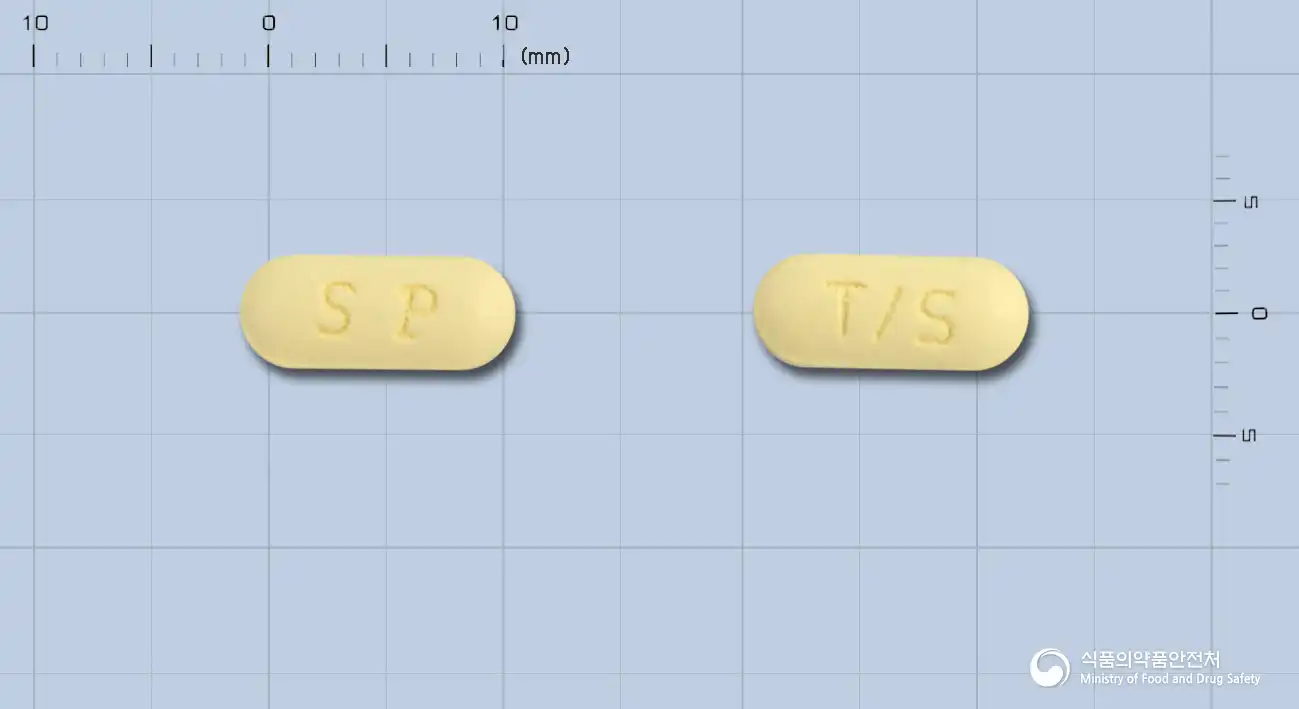 Combination
Acetaminophen 162.5mg · Tramadol Hydrochloride 18.75mg
Tablet · Prescription medication · Combination
Shinpoong Pharmaceutical Co., Ltd.
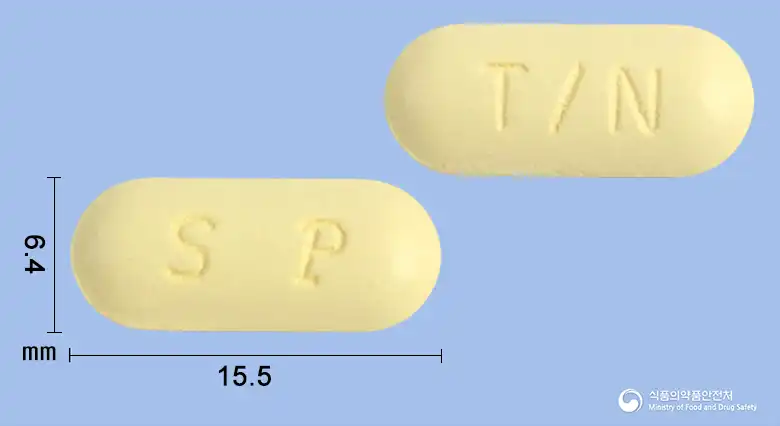 Combination
Acetaminophen 325mg · Tramadol Hydrochloride 37.5mg
Tablet · Prescription medication · Combination
Sinphong Pharmaceutical Co., Ltd.
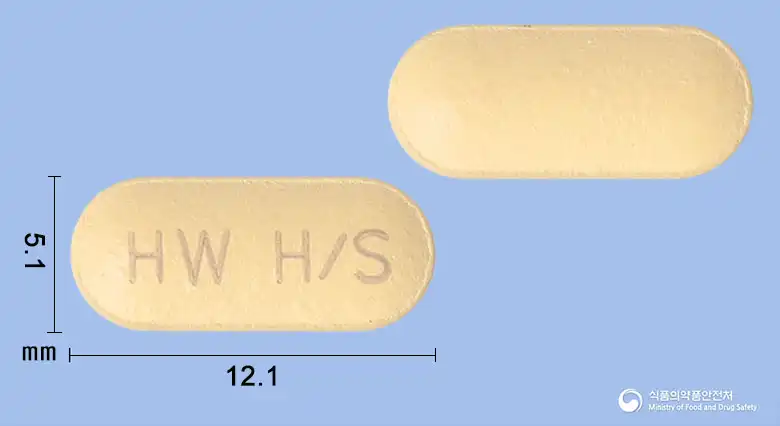 Combination
Acetaminophen 162.5mg · Tramadol Hydrochloride 18.75mg
Tablet · Prescription medication · Combination
Albozen Korea Co., Ltd.
Even with the same ingredient, the dose and directions can differ by strength and dosage form. Talk to a doctor or pharmacist before switching from a medication you are already taking.
No questions yet.
For anything that needs medical judgment, consult a doctor or pharmacist.
This drug information is based on data provided by the Korea Ministry of Food and Drug Safety.
Consult a doctor or pharmacist for accurate dosage, administration, and usage instructions.