
 한국어
한국어 English
 日本語
日本語 中文(简体)
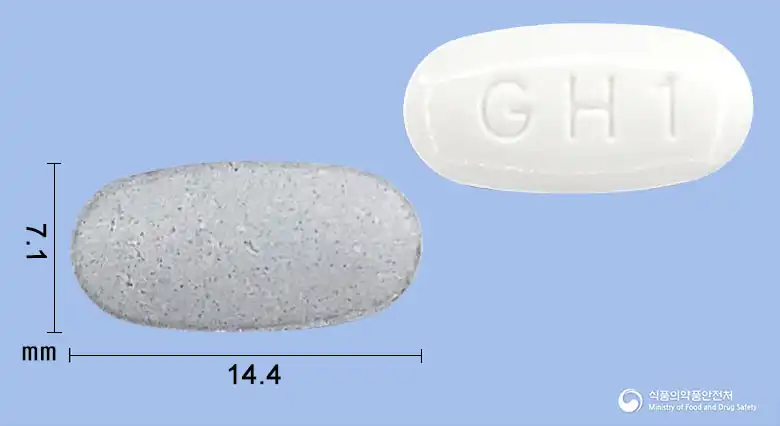 Viewing nowCombination
Telmitwin 40/5 mg Tablet
Telmisartan Powder 23.9% 167.36mg · Amlodipine Besylate 6.935mg
Prescription medication · Combination
(Ltd) Hanpung Pharmaceutical
MFDS item code 201905314 · Approved 2019.07.26 · Insurance code 658106760
Improvement of blood pressure control in essential hypertension
This medication helps patients with essential hypertension whose blood pressure is not adequately controlled by amlodipine or telmisartan alone, by using both medications together for more effective blood pressure control. This combination helps to dilate blood vessels and lower blood pressure, reducing the burden on the heart and blood vessels. Therefore, it is useful for long-term management of hypertension, contributing to a decreased risk of complications. This treatment is effective in maintaining stable blood pressure in patients.
The recommended dose of this medication is 1 tablet once daily, to be taken with water regardless of meals. It is recommended to take it at the same time every day (e.g., in the morning). If blood pressure is not controlled, the individual ingredient dosages should be adjusted before switching to this medication. Patients with renal impairment should start with a lower dose in severe cases and gradually increase. Patients with hepatic impairment should not exceed telmisartan 40 mg per day.
The safety and efficacy for pediatric patients aged under 18 have not been established, and the use of this medication is not recommended.
This medication can cause serious harm to the fetus if used during pregnancy, particularly in the second and third trimesters, so women who are pregnant or may become pregnant should not take it. This medication should not be administered to individuals with allergies to its active components or dihydropyridine derivatives, or those with severely impaired liver function, severe hypotension, or heart disease. Patients with slightly impaired liver function, gastrointestinal disorders, or kidney diseases should use this medication with greater caution and must be particularly careful if there is any vascular abnormality in the kidneys. During the use of this medication, side effects such as dizziness or edema may occur, and serious side effects may rarely arise; if symptoms develop, immediate consultation with medical personnel is necessary. Do not start this medication during pregnancy, and if pregnancy is confirmed, discontinue it as soon as possible and switch to another safe medication. Patients at risk of hypotension should check their hydration and salt status before starting this medication, and if symptoms of hypotension occur, they should lie down and rest immediately and receive IV therapy if necessary. This medication can increase blood potassium levels, so potassium supplements or potassium-rich foods should be monitored regularly for blood potassium levels when taken together. Patients with impaired kidney function should have their kidney function and electrolyte levels regularly monitored during treatment, and safety in kidney transplant patients has not been established. Patients with heart disease or heart failure need to be careful when taking this medication, especially those with heart failure, as their edema may worsen, and consultation with medical personnel is advised. This medication may cause drowsiness or dizziness, so caution is needed when driving or operating dangerous machinery. Be cautious of potential interactions when taking this medication with other drugs, and inform medical personnel about any current medications, especially lithium, digoxin, warfarin, and non-steroidal anti-inflammatory drugs. This medication contains sorbitol and should not be taken by patients with fructose intolerance. The safety and efficacy for children and adolescents under 18 years have not been sufficiently established, so its use is not recommended. In cases of overdose, symptoms such as hypotension, cardiac arrhythmia, dizziness, and renal failure may occur, so immediate consultation with medical institutions for appropriate treatment is necessary. This medication should be kept out of reach of children and used immediately after opening to avoid moisture.
Hives, severe swelling (angioedema), chest tightness, difficulty breathing, cold sweats, pallor, severe rash with high fever, blisters, skin peeling, pain in mucous membranes of the mouth/eyes, shortness of breath or difficulty breathing, asthma attacks, respiratory abnormalities accompanied by cough and fever, yellowing of the skin or eyes (jaundice), extreme lethargy, sudden and severe headache, thunderclap headache, seizures, altered consciousness, visual disturbances, paralysis.
Not everyone experiences these, and they can vary from person to person.
This medication is sensitive to light, so it should be stored in an opaque container. Additionally, it should be stored at room temperature between 1 and 30 degrees Celsius to maintain its effectiveness.
A biconvex oval double tablet that is white and light gray.
30 tablets/PTP[(10 tablets/PTP X 3)]
Even with the same ingredient, strength, dosage form and how it is taken can differ.
Viewing nowCombinationTelmisartan Powder 23.9% 167.36mg · Amlodipine Besylate 6.935mg
Prescription medication · Combination
(Ltd) Hanpung Pharmaceutical
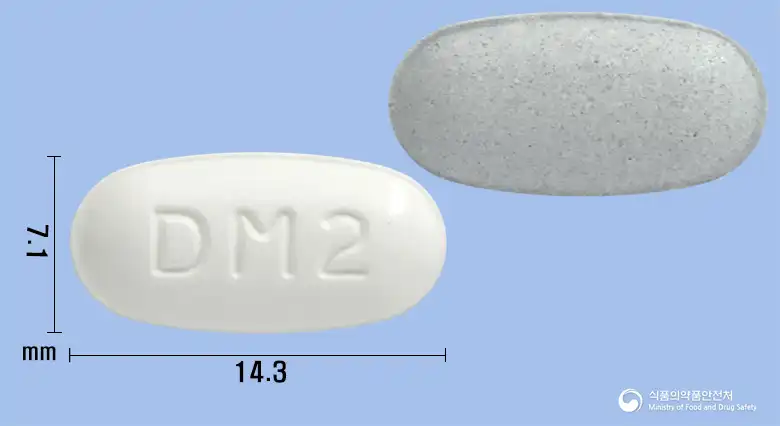 Combination
Telmisartan Powder 23.9% 167.36mg · Amlodipine Besylate 13.87mg
Prescription medication · Combination
Dasan Pharmaceutical Co., Ltd.
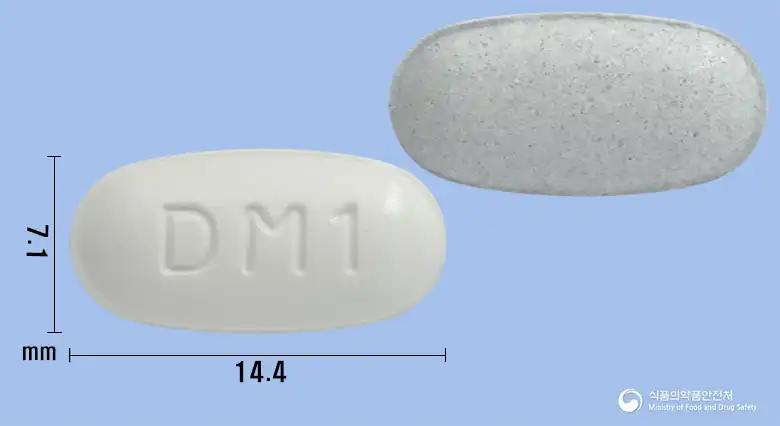 Combination
Telmisartan Powder 23.9% 167.36mg · Amlodipine Besylate 6.935mg
Prescription medication · Combination
Dasan Pharmaceutical Co., Ltd.
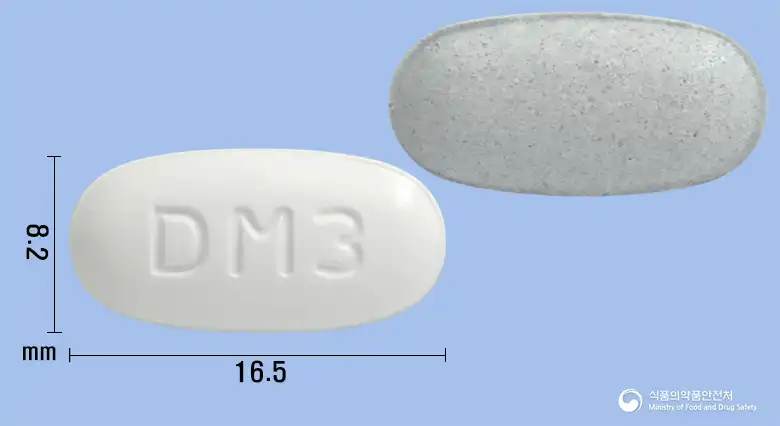 Combination
Telmisartan Powder 23.9% 334.72mg · Amlodipine Besylate 6.935mg
Prescription medication · Combination
Dasan Pharmaceutical Co., Ltd.
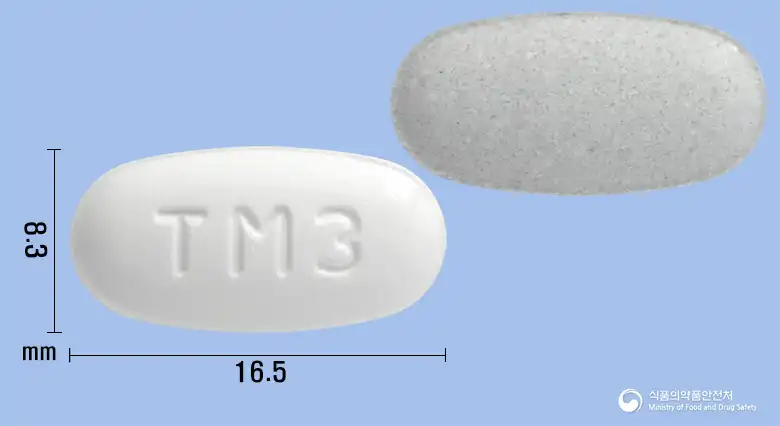 Combination
Telmisartan Powder 23.9% 334.72mg · Amlodipine Besylate 6.935mg
Prescription medication · Combination
Bivozon Pharmaceutical Co., Ltd.
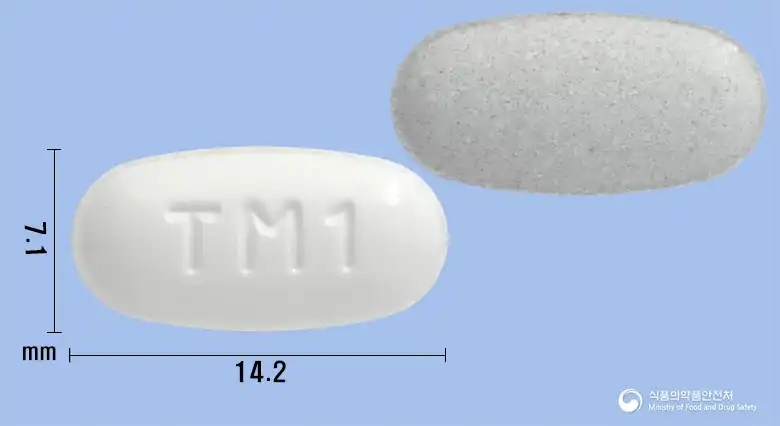 Combination
Telmisartan Powder 23.9% 167.36mg · Amlodipine Besylate 6.935mg
Prescription medication · Combination
Vivozon Pharmaceutical Co., Ltd.
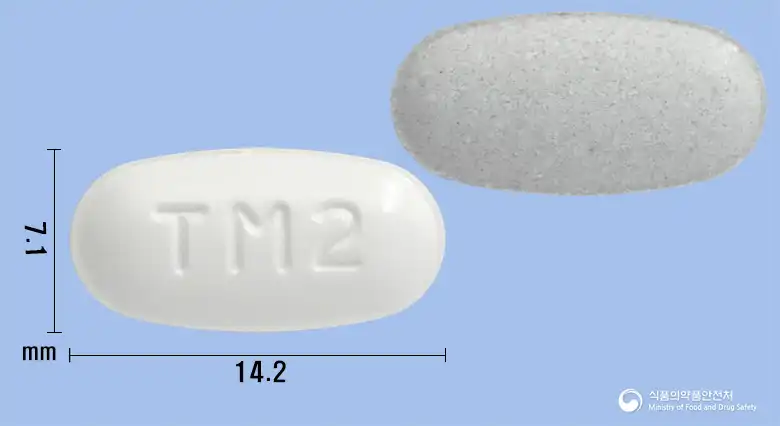 Combination
Telmisartan Powder 23.9% 167.36mg · Amlodipine Besylate 13.87mg
Prescription medication · Combination
Bivozon Pharmaceutical Co., Ltd.
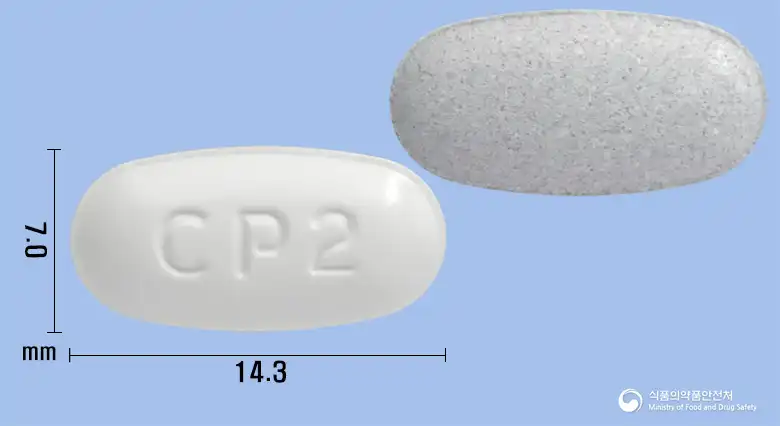 Combination
Telmisartan Powder 23.9% 167.36mg · Amlodipine Besylate 13.87mg
Prescription medication · Combination
CMG Pharmaceutical Co., Ltd.
Even with the same ingredient, the dose and directions can differ by strength and dosage form. Talk to a doctor or pharmacist before switching from a medication you are already taking.
No questions yet.
For anything that needs medical judgment, consult a doctor or pharmacist.
This drug information is based on data provided by the Korea Ministry of Food and Drug Safety.
Consult a doctor or pharmacist for accurate dosage, administration, and usage instructions.