
 한국어
 English
 日本語
 中文(简体)
Dosage form image
Viewing nowCombinationLaduet Tablets 5/20 mg
Atorvastatin Calcium 20.72mg · Amlodipine Besylate 6.94mg
Tablet · Prescription medication · Combination
HLB Pharmaceuticals Co., Ltd.
MFDS item code 201905284 · Approved 2019.07.25
This product's status changed to Expired on 2024.07.25. It may no longer be sold, so consult a doctor or pharmacist before taking it.
Treatment of hypertension and angina; improvement of dyslipidemia; prevention of cardiovascular disease
This medication is used for patients who need to take both amlodipine (esamlodipine) and atorvastatin simultaneously. Amlodipine improves myocardial ischemia in hypertension and stable or variant angina, helping reduce the risk of hospitalization and revascularization procedures in patients with coronary heart disease. Atorvastatin lowers the risk of cardiovascular events such as myocardial infarction, stroke, and angina, and improves vascular health by controlling cholesterol levels in patients with hypercholesterolemia and dyslipidemia. Therefore, this medication is effectively used for reducing cardiovascular disease risk and improving lipid levels.
This medicine is intended for adults only. The dose should be individualized for each patient based on the efficacy and tolerability of each component, amlodipine and atorvastatin. Amlodipine (S-amlodipine), adults: Administer 5 (2.5) mg of amlodipine (S-amlodipine) orally once daily. The dose may be increased to a maximum of 10 (5) mg once daily depending on the patient's response. Adjust the dose as appropriate according to symptoms. Patients receiving atorvastatin, both before and during treatment, should follow a standard cholesterol-lowering diet. The medicine may be taken at any time of day, with or without food. Patients with primary hypercholesterolemia (heterozygous familial and nonfamilial) and combined (mixed) dyslipidemia (Fredrickson Type Ⅱa and Ⅱb): The recommended initial dose of this medicine is 10 mg once daily; however, patients requiring a greater reduction in LDL cholesterol may start at 20 mg or 40 mg once daily (40 mg only when a reduction in LDL cholesterol of 45 % or more is required). This medicine is administered at a dose of 10 mg ∼ 80 mg once daily and may be taken at any time of day, with or without food. The initial and maintenance doses should be individualized according to the patient's characteristics, taking into account treatment goals and response. Lipid levels should be analyzed within 2 ∼ 4 weeks after starting treatment and/or dose titration, and the dose should be adjusted accordingly. Patients with homozygous familial hypercholesterolemia: The dose of this medicine is 10 mg ∼ 80 mg once daily. It should be administered in combination with other lipid-lowering treatments (e.g., LDL apheresis) or when such treatments are not possible. Patients with renal impairment: Renal disease does not affect the plasma concentration of atorvastatin or its LDL-cholesterol-lowering effect; therefore, no dose adjustment is necessary. Older adults: The efficacy and safety in older adults aged 70 years or older are generally similar to those in the usual adult patient population.
This medication should not be used in certain patients. For example, it is contraindicated in patients with allergies to this drug or similar medications, those with severe liver dysfunction, pregnant women or those who may become pregnant, patients with severe aortic stenosis, patients in cardiogenic shock, and patients within one month post-myocardial infarction. Additionally, patients with very poor kidney function, elderly patients, patients with a history of alcohol abuse, and those with liver disease history should exercise extra caution when using this drug. Caution is also required for patients with a history of muscle disease or those taking specific medications concurrently. While rare, side effects such as facial flushing due to vasodilation, fatigue, edema, dizziness, headache, and dyspepsia may occur with this medication. Muscle pain, liver function abnormalities, and allergic reactions have also been reported, so if any unusual symptoms occur, consultation with a physician is advised. Women who are pregnant or breastfeeding should not take this medication, and women who may become pregnant must ensure adequate contraception. If pregnancy is confirmed during treatment, the medication should be discontinued immediately. This medication may interact with other drugs, so it is essential to inform healthcare providers of any current medications. Caution is particularly needed when combined with certain antibiotics, antifungals, immunosuppressants, and some antihypertensives. In cases of overdose, symptoms such as hypotension, increased heart rate, and shock may occur, necessitating immediate emergency treatment. Blood dialysis is not effective for removing this drug from the system. This medication has not been adequately evaluated for safety and efficacy in children and the elderly, so it should be used with caution. Finally, this medication should be kept out of reach of children and should not be transferred to other containers.
Not everyone experiences these, and they can vary from person to person.
This medication may be sensitive to air and moisture, so it should be stored in a tightly sealed container. The recommended storage temperature is between 15 to 30 degrees Celsius to maintain its effectiveness and safety for as long as possible.
White oval film-coated tablets
30 tablets/bottle
Even with the same ingredient, strength, dosage form and how it is taken can differ.
Atorvastatin Calcium 20.72mg · Amlodipine Besylate 6.94mg
Tablet · Prescription medication · Combination
HLB Pharmaceuticals Co., Ltd.
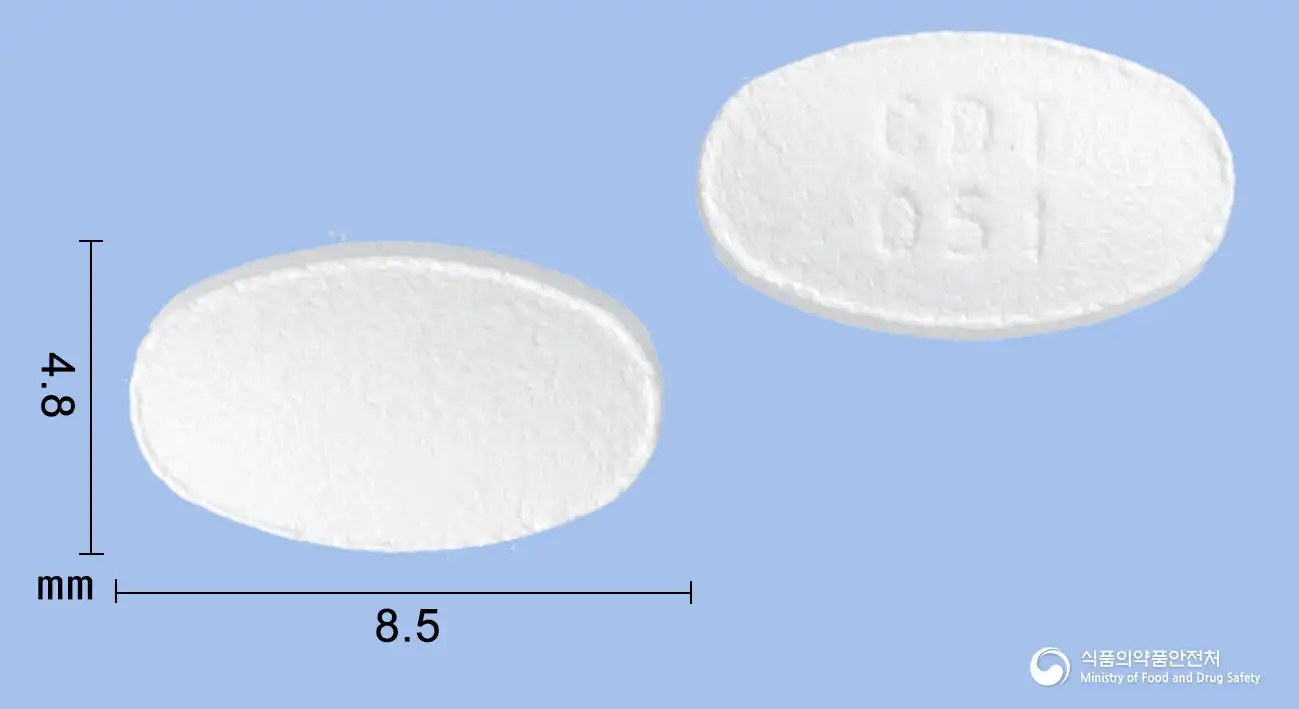 Combination
Atorvastatin Calcium Trihydrate 10.85mg · Amlodipine Besylate 6.94mg
Tablet · Prescription medication · Combination
Viatriss Korea Co., Ltd.
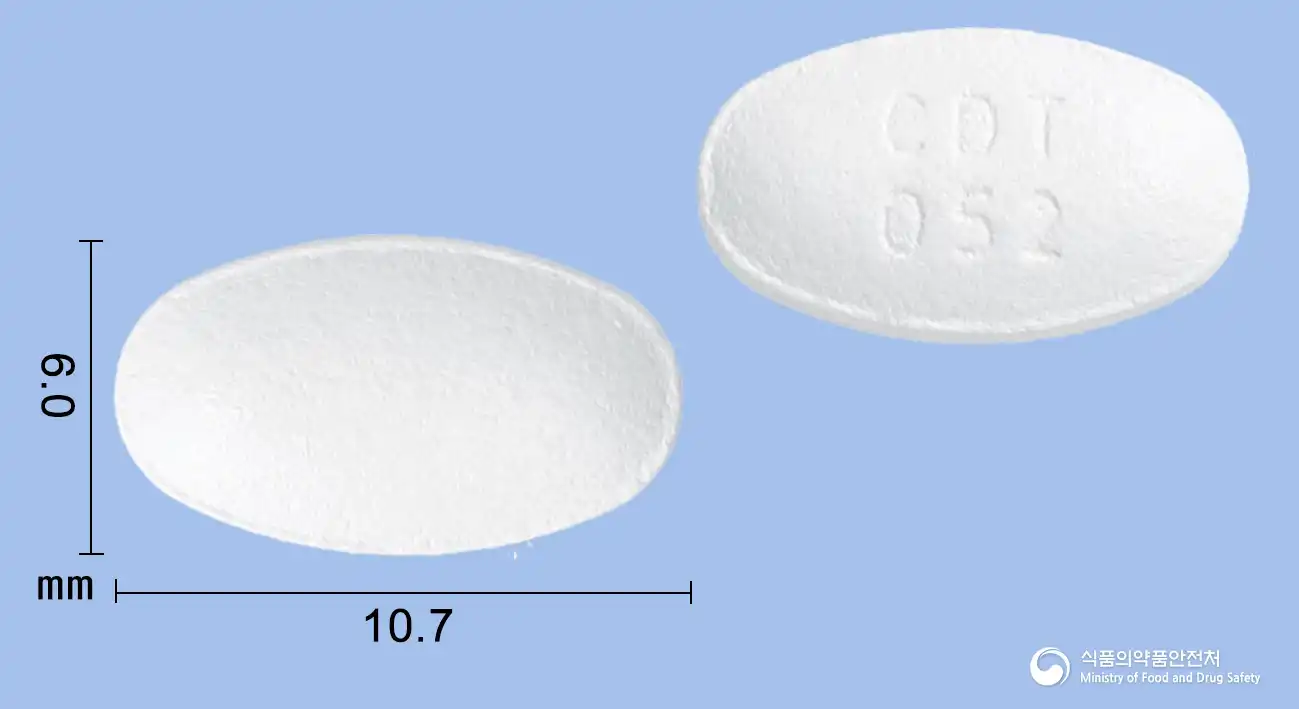 Combination
Atorvastatin Calcium Trihydrate 21.7mg · Amlodipine Besylate 6.94mg
Tablet · Prescription medication · Combination
Viatrise Korea Co., Ltd.
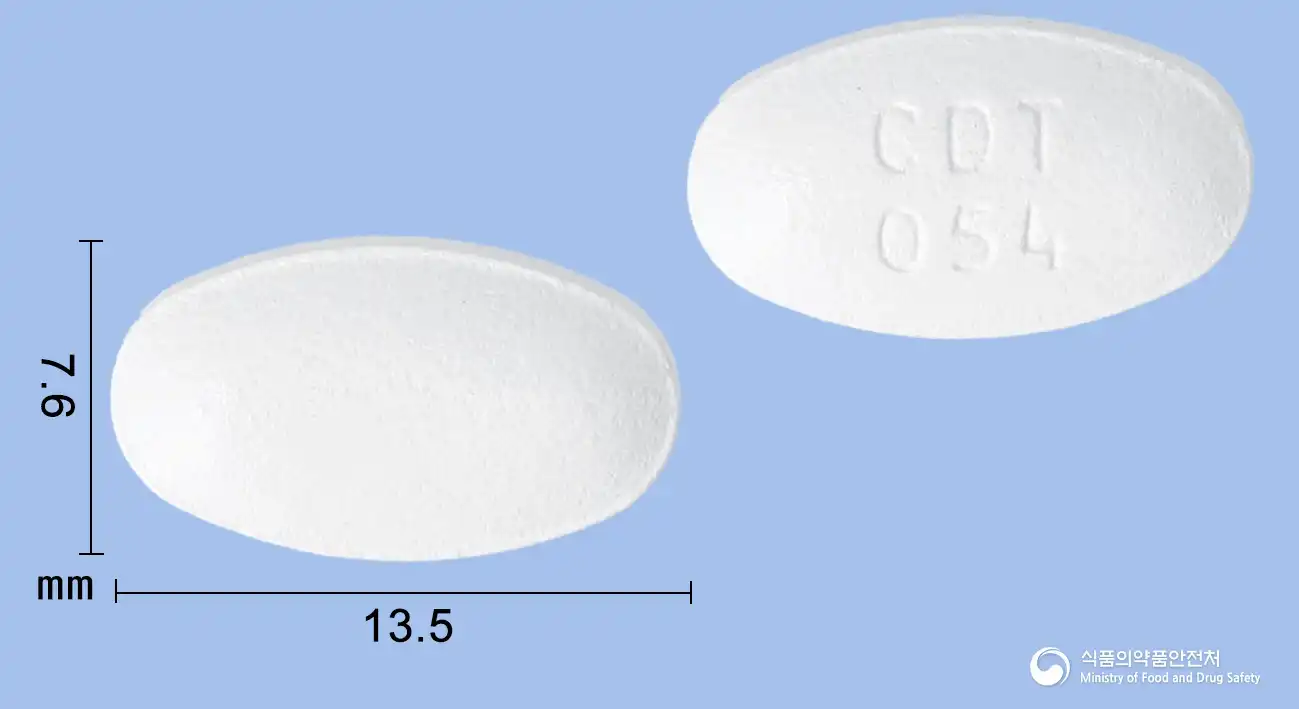 Combination
Atorvastatin Calcium Trihydrate 43.4mg · Amlodipine Besylate 6.94mg
Tablet · Prescription medication · Combination
Viatris Korea Co., Ltd.
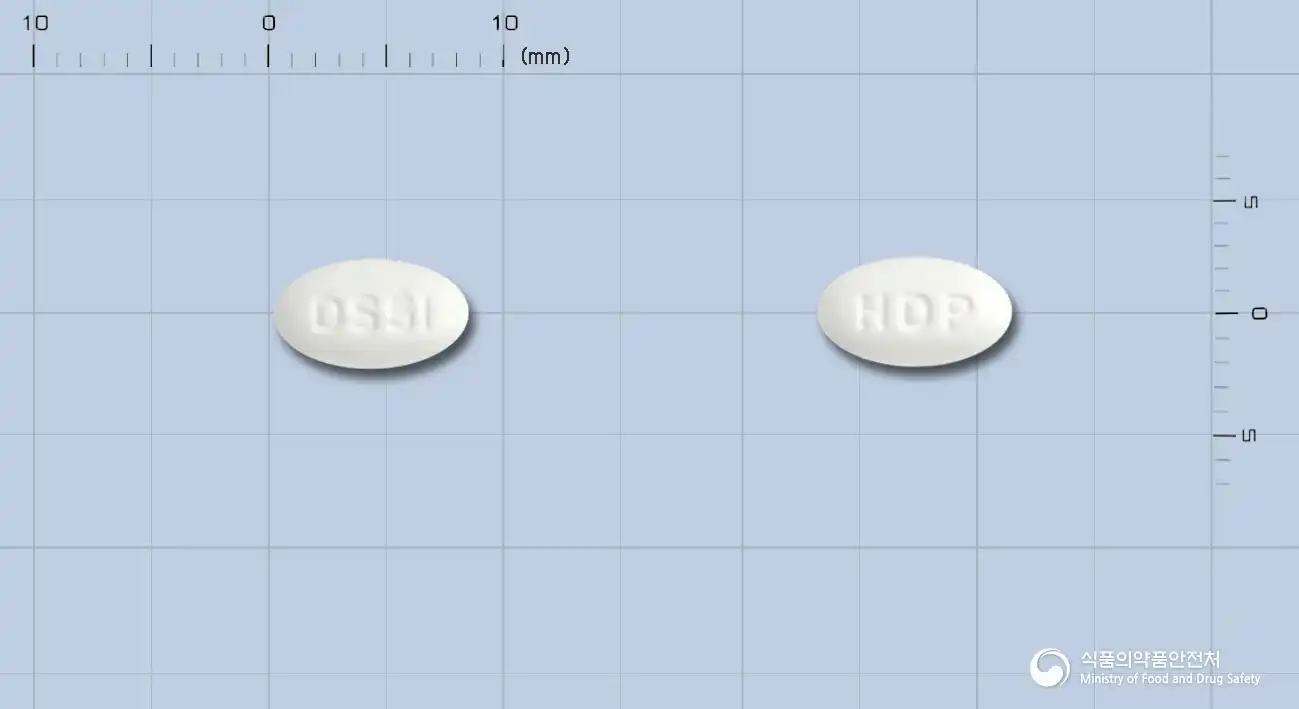 Combination
Atorvastatin Calcium Hydrate 10.85mg · Amlodipine Besylate 6.94mg
Tablet · Prescription medication · Combination
Hyundai Pharmaceutical Co., Ltd.
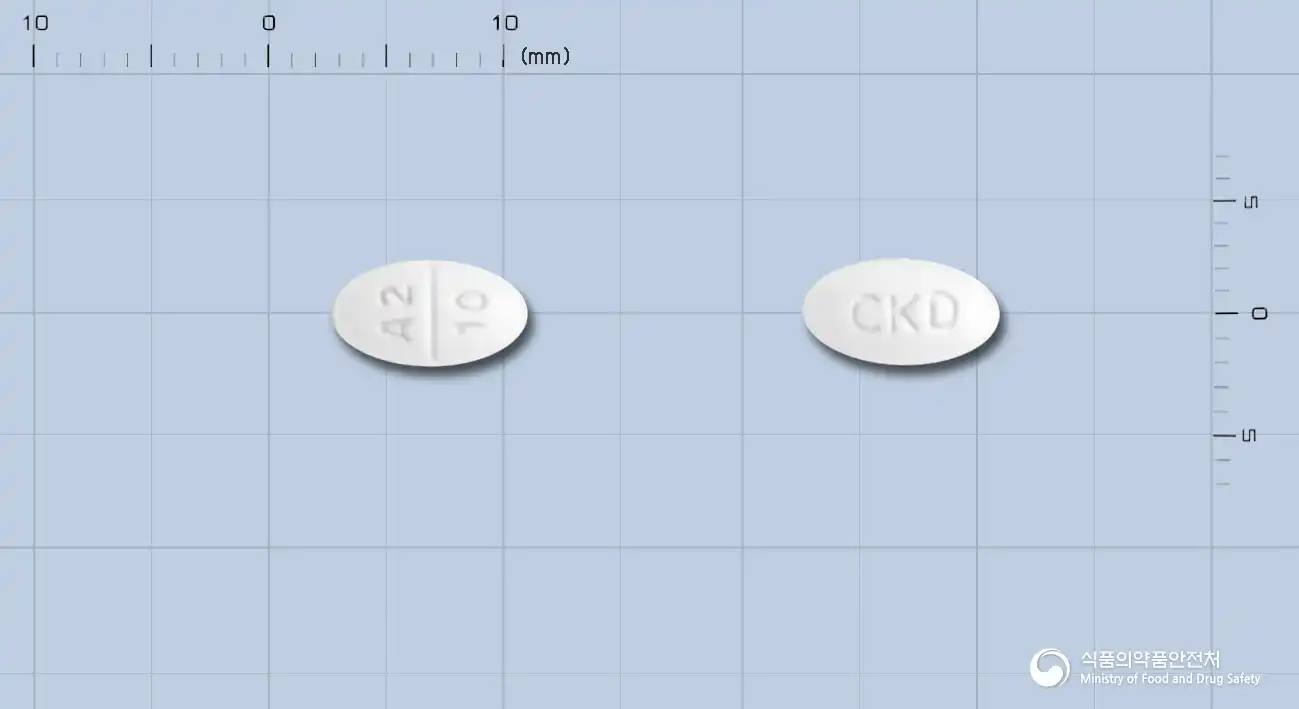 Combination
Amlodipine Besylate 6.94mg · Atorvastatin Calcium Trihydrate 10.36mg
Tablet · Prescription medication · Combination
Jongkundang Co., Ltd.
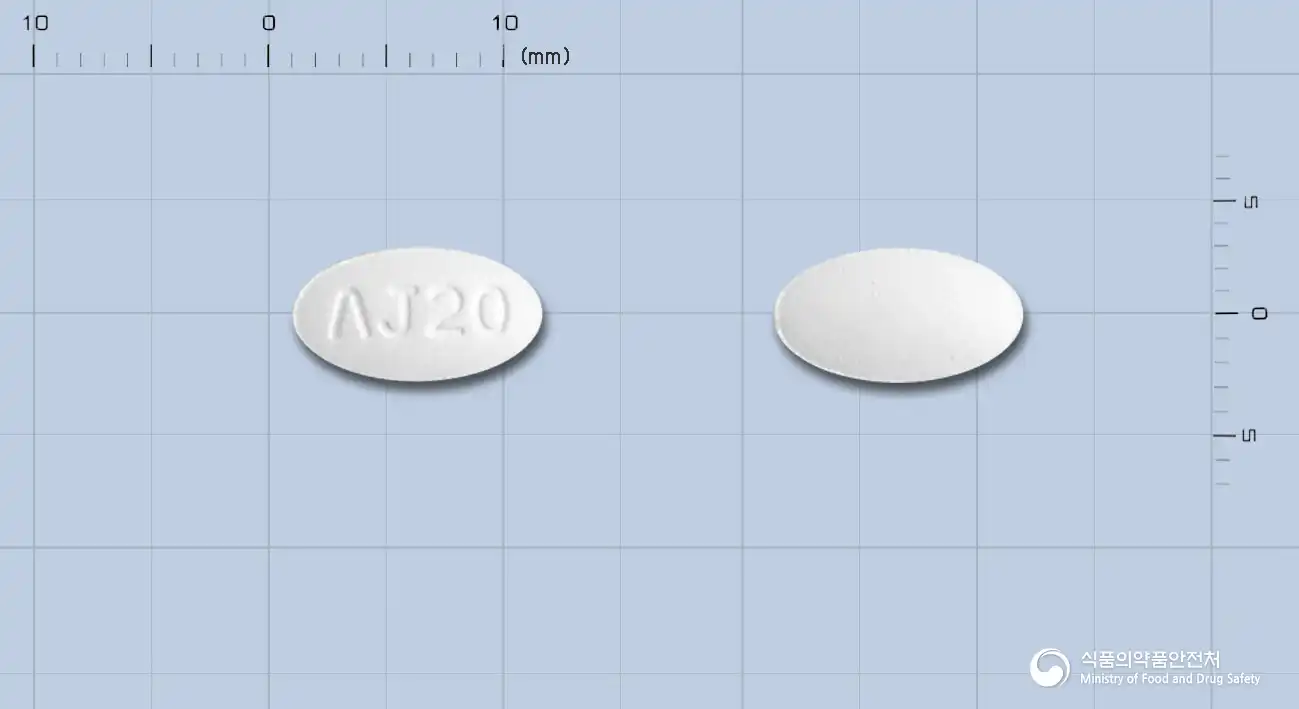 Combination
Atorvastatin Calcium 20.72mg · Amlodipine Besylate 6.94mg
Tablet · Prescription medication · Combination
Aju Pharmaceuticals Co., Ltd.
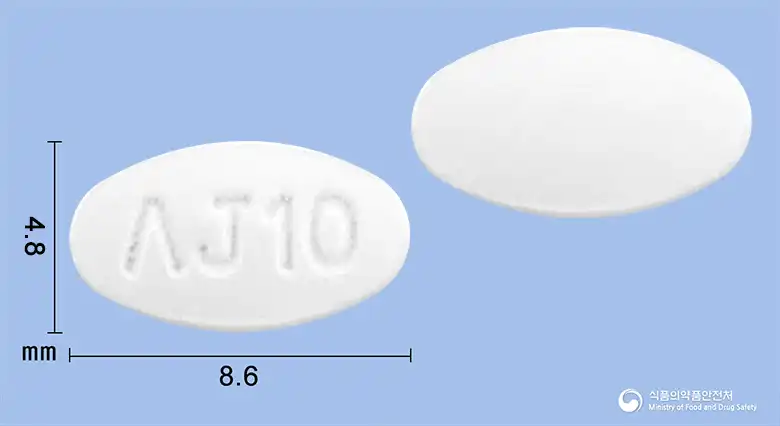 Combination
Atorvastatin Calcium 10.36mg · Amlodipine Besylate 6.94mg
Tablet · Prescription medication · Combination
Aju Pharmaceuticals Co., Ltd.
Even with the same ingredient, the dose and directions can differ by strength and dosage form. Talk to a doctor or pharmacist before switching from a medication you are already taking.
No questions yet.
For anything that needs medical judgment, consult a doctor or pharmacist.
This drug information is based on data provided by the Korea Ministry of Food and Drug Safety.
Consult a doctor or pharmacist for accurate dosage, administration, and usage instructions.