
 한국어
 English
 日本語
 中文(简体)
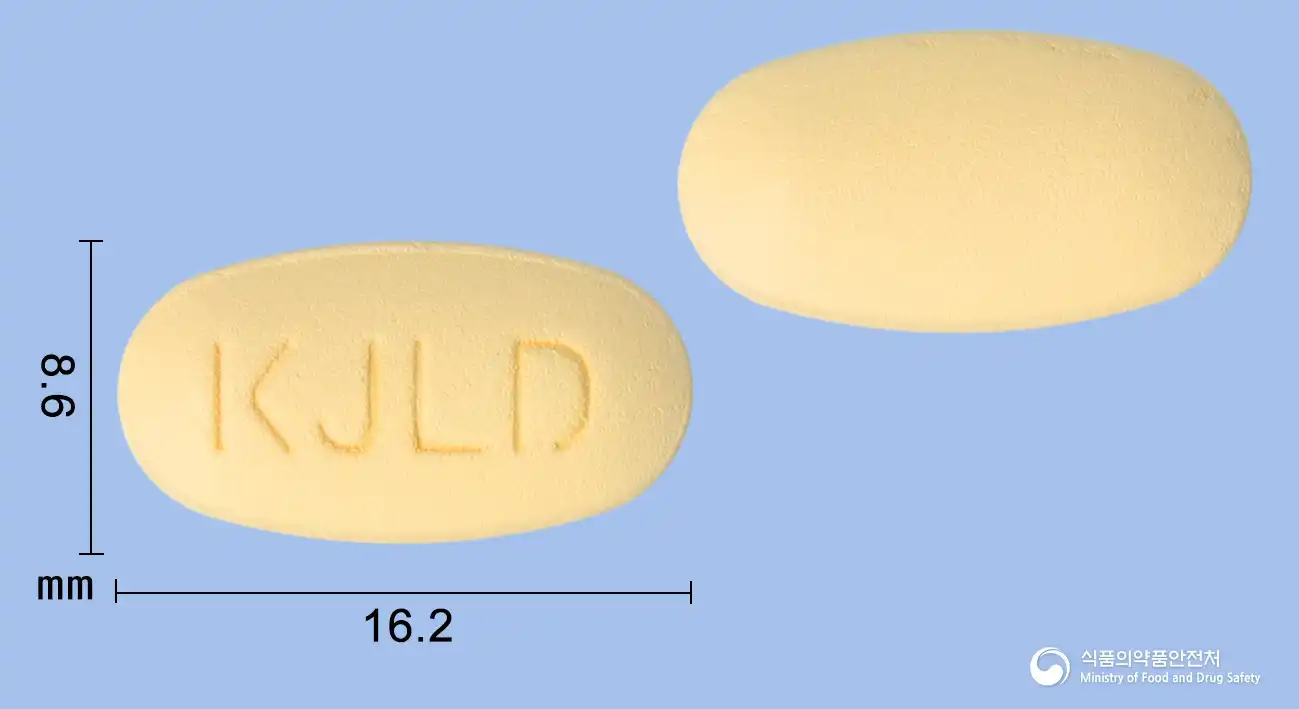
Dosage form image
Viewing nowCombinationMyungmoon Linagliptin Duo Tablet 2.5/850mg
Linagliptin 2.5mg · Metformin Hydrochloride 850mg
Tablet · Prescription medication · Combination
Myungmoon Pharmaceutical Co., Ltd.
MFDS item code 201905075 · Approved 2019.07.19
This product's status changed to Expired on 2024.07.19. It may no longer be sold, so consult a doctor or pharmacist before taking it.
Improvement of glycemic control in adults with type 2 diabetes mellitus
This medication is used together with diet and exercise to help control blood sugar in adults with type 2 diabetes. It may be administered alone for individuals starting diabetes medication for the first time and can also be utilized when blood sugar control is inadequate with metformin monotherapy. Additionally, it is used in conjunction with the treatment of linagliptin and metformin or when blood sugar control is insufficient with the combination of sulfonylureas and insulin. It can also be added to therapy with empagliflozin for more effective blood sugar control. Overall, this medication is used to improve blood sugar control across various treatment stages.
The dose of this medicine should be determined based on each patient's current treatment regimen, efficacy, and tolerability, without exceeding the maximum recommended dose of each component: linagliptin 2.5 mg and metformin 1000 mg twice daily. This medicine should be administered twice daily with meals. To reduce gastrointestinal adverse reactions associated with metformin use, the dose should be increased gradually. 1. Patients not currently receiving metformin: For patients with no previous history of antidiabetic drug therapy whose blood glucose is not adequately controlled with monotherapy, the initial dose is 1 tablet of this medicine 2.5/500 mg twice daily; the dose may be increased to 1 tablet of this medicine 2.5/1000 mg twice daily. 2. Patients whose blood glucose is not adequately controlled with metformin monotherapy: The initial dose of this medicine should be linagliptin 2.5 mg twice daily (total daily dose 5 mg) and the patient's current metformin dose (e.g., a patient taking metformin 1000 mg twice daily should take linagliptin 2.5 mg/metformin 1000 mg twice daily with meals). 3. Switching from combination therapy with linagliptin and metformin: Patients switching from combination therapy with linagliptin and metformin to this medicine should start at their current doses of linagliptin and metformin. 4. Patients whose blood glucose is not adequately controlled with combination therapy of metformin and a sulfonylurea: The initial dose of this medicine should be considered as linagliptin 2.5 mg twice daily (total daily dose 5 mg) and a dose similar to the patient's current metformin dose. When this medicine is co-administered with a sulfonylurea, a reduction in the sulfonylurea dose may be necessary to reduce the risk of hypoglycemia. 5. Patients whose blood glucose is not adequately controlled with combination therapy of insulin and metformin: The initial dose of this medicine should be considered as linagliptin 2.5 mg twice daily (total daily dose 5 mg) and a dose similar to the patient's current metformin dose. When this medicine is co-administered with insulin, a reduction in the insulin dose may be necessary to reduce the risk of hypoglycemia. Patients with renal impairment This medicine may be used in patients with moderate renal impairment stage 3a (creatinine clearance [CrCl] 45≤~<60 ml/min or estimated glomerular filtration rate (eGFR) 45≤~<60 mL/min/1.73 m2) who have no other conditions that may increase the risk of lactic acidosis, with the following dose adjustment. Treatment must not be initiated with this medicine because the starting dose of metformin is 500mg or 850mg once daily. The maximum recommended dose of metformin is 500 mg twice daily. Renal function should be monitored carefully every 3-6 months. If renal function declines to CrCl < 45 ml/min or eGFR < 45 ml/min/1.73m2, this medicine must be discontinued immediately.
This medication consists of two components, metformin and linagliptin, and is primarily used for blood sugar control in patients with type 2 diabetes. This medication should not be administered to certain patients, such as those allergic to its ingredients, type 1 diabetes patients, individuals with severe renal impairment, patients with acute cardiac conditions or heart failure, patients with severe hepatic impairment, and women who are pregnant or breastfeeding. When taking this medication, there is a risk of hypoglycemia, especially if taken with sulfonylureas or insulin, so it is important to monitor blood sugar levels closely. The metformin ingredient can cause a rare but serious side effect known as lactic acidosis, so in situations that may lead to dehydration, severe infections, or renal function decline, the use of this medication should be discontinued immediately, and medical consultation should be sought. As this medication is excreted through the kidneys, regular kidney function tests are necessary, and dosage adjustment or discontinuation may be needed if renal function declines. Additionally, rare side effects such as acute pancreatitis or vesicular skin conditions have been reported, so if persistent abdominal pain or skin abnormalities appear, prompt consultation with a physician is advisable. This medication can interact with other drugs, so if you are taking other medications, you must inform your healthcare provider, particularly when combined with medications that may affect renal function. It is recommended that pregnant women or those planning to become pregnant, as well as breastfeeding women, do not use this medication and should consult alternative treatment options for blood sugar control. Elderly individuals are at higher risk for declining renal function, so regular renal function tests are required, and dosage adjustments should be made as necessary. During the course of taking this medication, caution is advised when driving or operating machinery, depending on symptoms. In the case of overdose, there is a risk of gastrointestinal disturbances and lactic acidosis, so it is imperative to visit a medical institution immediately for appropriate treatment. This medication should be kept out of reach of children and stored away from moisture and direct sunlight.
Lactic acidosis, nasopharyngitis, hypersensitivity, angioedema, urticaria, decreased and deficiency of vitamin B12, hypoglycemia, taste disturbance, cough, decreased appetite, diarrhea, constipation, nausea, pancreatitis, vomiting, abdominal pain, oral ulcer formation, abnormal liver function tests, hepatitis, pruritus, erythema, rash, pemphigus-like lesions, severe and disabling arthralgia, rhabdomyolysis, increased lipase, increased amylase, stomatitis, constipation, upper abdominal pain, enterocolitis, bowel obstruction, gastroenteritis, herpes zoster, cystitis, acute pyelonephritis, bronchitis, vestibular neuronitis, sepsis, pneumonia, decreased appetite, dehydration, hyperglycemia, cerebral infarction, stuttering, Alzheimer-type dementia, chest pain, fever, facial edema, fatigue, chronic obstructive pulmonary disease, asthma, diabetic foot disease, skin lesions, liver metastasis, acute leukemia, basal cell carcinoma, non-small cell lung cancer, malignant pericardial effusion, gastric cancer, rectal cancer, pancreatic cancer, meniscus injury, pneumoconiosis, congestive heart failure, angina, acute myocardial infarction, unstable angina, cardiac arrest, diabetic retinopathy, acute kidney injury, end-stage renal disease, acute cholangitis, acute cholecystitis, cholangitis, dizziness, renal transplant failure, pneumonia, hyperglycemia, dyspnea, epistaxis, oropharyngeal pain, voice disorders, allergic rhinitis, exercise-induced dyspnea, wet cough, rhinorrhea, pulmonary mass, arthralgia, osteoporosis, arthropathy, musculoskeletal discomfort, myositis, muscle pain, soft tissue mass, postmenopausal osteoporosis, rotator cuff syndrome, pruritus, anxiety, insomnia, depression, hypertension, benign prostatic hyperplasia, nocturia, dermatitis, hypotension, flushing, hearing loss, erectile dysfunction, thyroid goiter, anemia, dizziness, sensory loss, drowsiness, asthenia, pain, chest discomfort, insomnia, depression, confusional state, polyuria, proteinuria, hematuria, increased serum triglycerides, increased urinary albumin/creatinine ratio, positive urinary leukocytes, decreased hemoglobin, increased serum potassium, increased serum creatinine, increased serum creatine phosphokinase, increased ALT, increased serum triglycerides, male pattern baldness, hyperhidrosis, hair loss, dermatitis, myelodysplastic syndrome, anxiety, affective disorder, contusion, bone contusion, concussion, bone fracture, hand fracture, laceration, palpitations, xerophthalmia, cataract, ocular discomfort, allergic conjunctivitis, vitreous hemorrhage, fever, ligament sprain, flank pain, myelodysplastic syndrome, vocal cord polyp
Not everyone experiences these, and they can vary from person to person.
This medication is sensitive to air and moisture; therefore, it must be stored in a tightly sealed container. It is recommended to maintain a storage temperature between 1 degree and 30 degrees Celsius.
Bright orange, round, biconvex, film-coated tablet
60 tablets (10 tablets/PTPX6)
Even with the same ingredient, strength, dosage form and how it is taken can differ.
Linagliptin 2.5mg · Metformin Hydrochloride 850mg
Tablet · Prescription medication · Combination
Myungmoon Pharmaceutical Co., Ltd.
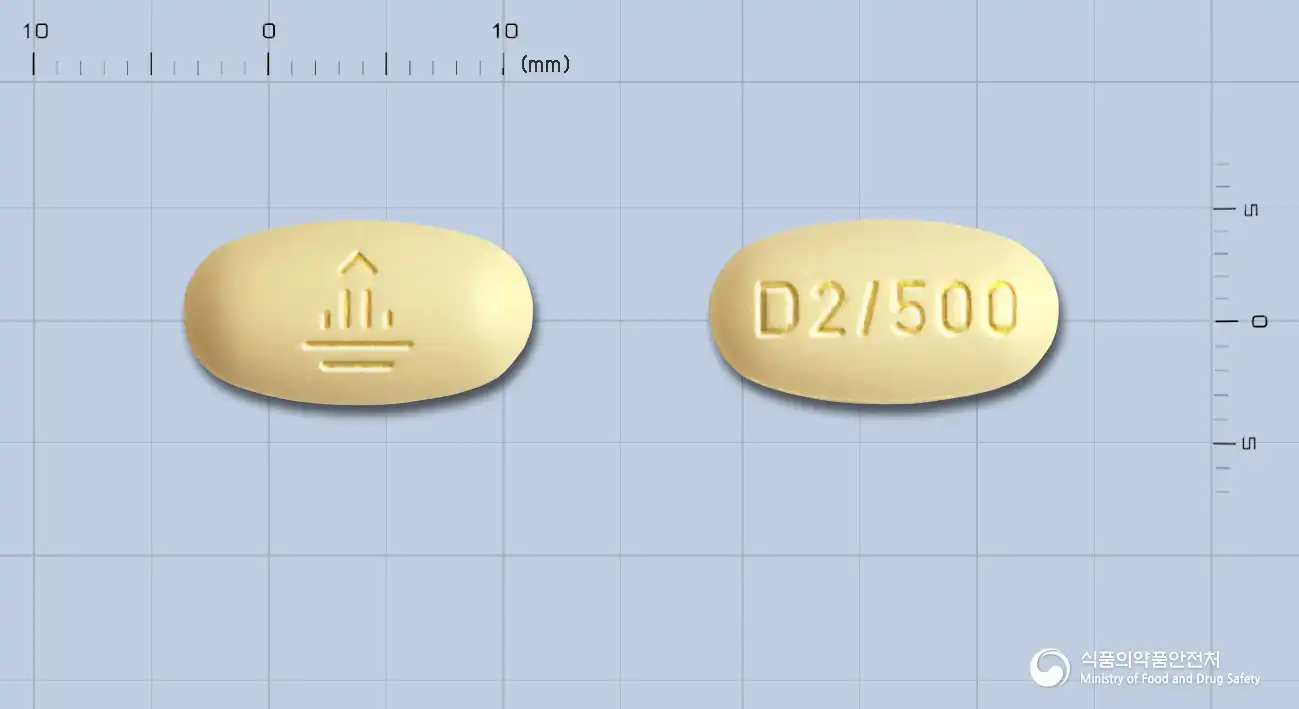 Combination
Linagliptin 2.5mg · Metformin Hydrochloride 500mg
Tablet · Prescription medication · Combination
Boehringer Ingelheim Korea Co., Ltd.
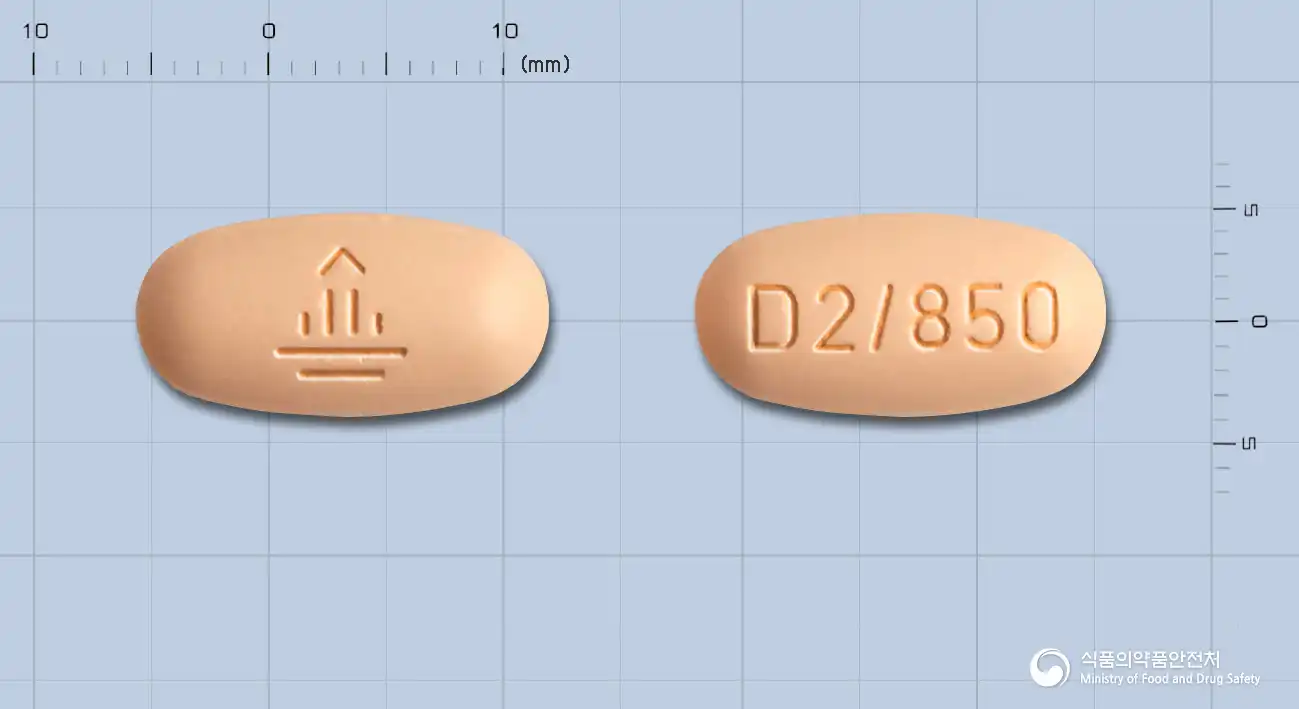 Combination
Linagliptin 2.5mg · Metformin Hydrochloride 850mg
Tablet · Prescription medication · Combination
Boehringer Ingelheim Korea Co., Ltd.
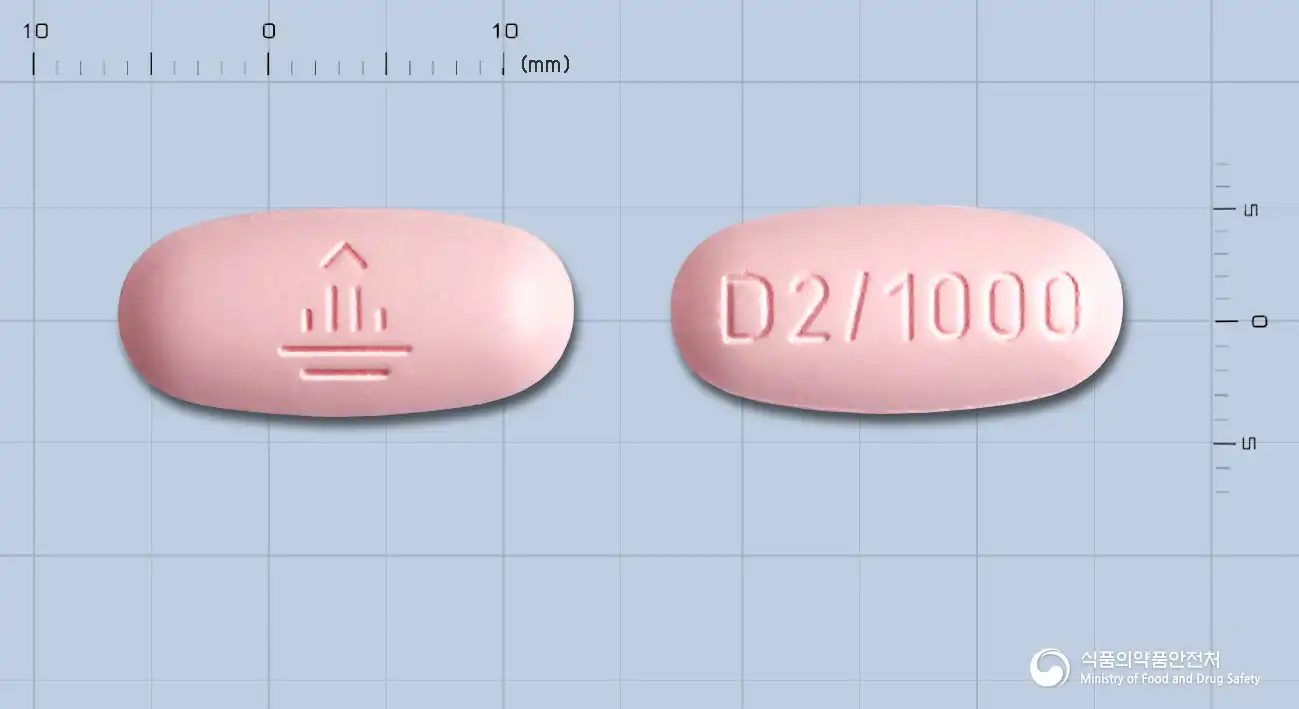 Combination
Linagliptin 2.5mg · Metformin Hydrochloride 1000mg
Tablet · Prescription medication · Combination
Boehringer Ingelheim Korea Co., Ltd.
Linagliptin 2.5mg · Metformin Hydrochloride 1000mg
Tablet · Prescription medication · Combination
Anguk Pharm Co., Ltd.
Linagliptin 2.5mg · Metformin Hydrochloride 1000mg
Prescription medication · Combination
Hanmi Pharmaceutical Co., Ltd.
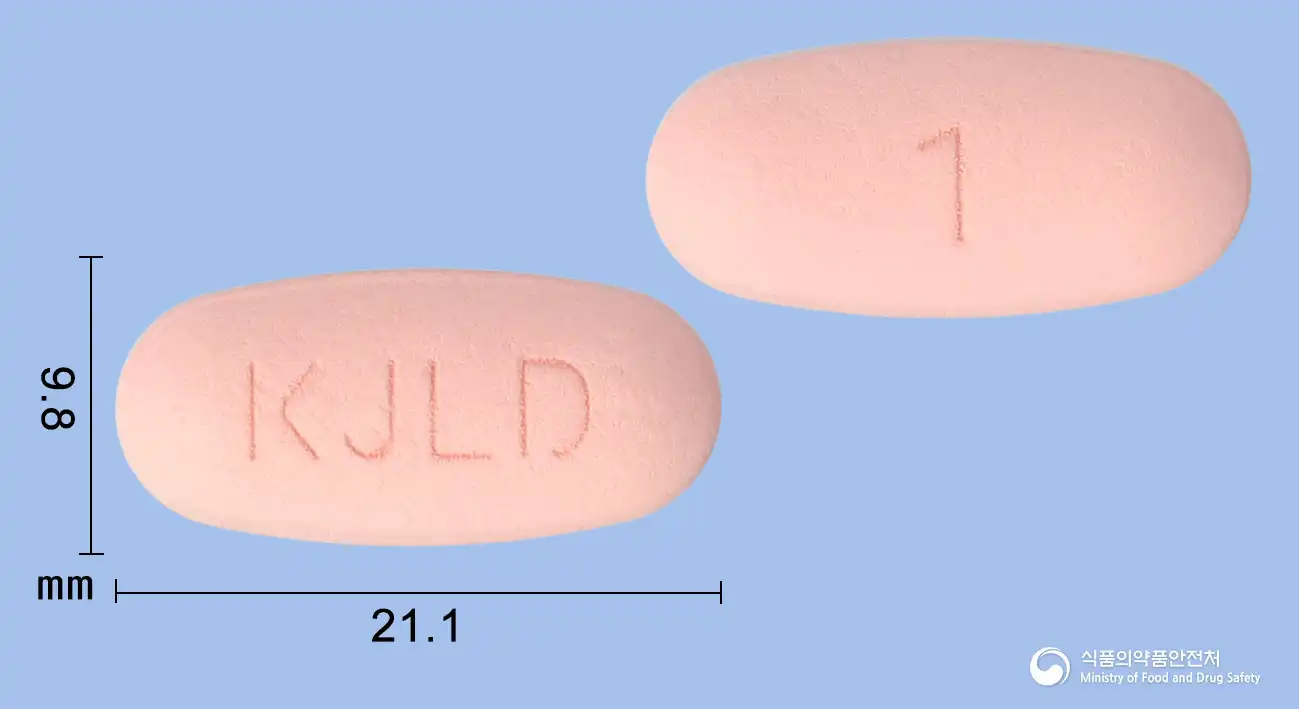 Combination
Linagliptin 2.5mg · Metformin Hydrochloride 1000mg
Tablet · Prescription medication · Combination
Kukje Pharmaceutical Co., Ltd.
 Combination
Linagliptin 2.5mg · Metformin Hydrochloride 500mg
Tablet · Prescription medication · Combination
International Pharmaceutical Co., Ltd.
Even with the same ingredient, the dose and directions can differ by strength and dosage form. Talk to a doctor or pharmacist before switching from a medication you are already taking.
No questions yet.
For anything that needs medical judgment, consult a doctor or pharmacist.
This drug information is based on data provided by the Korea Ministry of Food and Drug Safety.
Consult a doctor or pharmacist for accurate dosage, administration, and usage instructions.