
 한국어
 English
 日本語
 中文(简体)
Dosage form image
Viewing nowAlimust Eye Drops 0.1% (Tacrolimus Hydrate)
Tacrolimus Hydrate 1.02mg
Eye drops · Prescription medication
Taejun Pharmaceutical Co., Ltd.
MFDS item code 201904691 · Approved 2019.07.11
Treatment of vernal keratoconjunctivitis with giant papillae when response to antiallergic agents is inadequate
Spring keratoconjunctivitis is an allergic condition characterized by giant papillary conjunctivitis on the palpebral conjunctiva, which is used when antihistamines alone are insufficient. This drug alleviates inflammation and improves symptoms, thereby reducing discomfort in the eyes. It is therefore effectively utilized in the treatment of spring keratoconjunctivitis.
Shake well before use. Instill 1 drop in the eye twice daily.
This drug should not be used in patients with hypersensitivity to its components. It should not be administered to patients with eye infections as it may suppress immunity and worsen the infection. It is safer for women who are pregnant or may become pregnant to avoid using this medication. While using this drug, unusual sensations such as burning or foreign body sensation may frequently occur, so immediate notification is required if these symptoms arise. Additionally, symptoms of eye irritation or excessive tearing may occur commonly. It is recommended that this medication be prescribed by an ophthalmologist with experience in treating spring keratoconjunctivitis. It is used when there is giant papillary conjunctivitis on the palpebral conjunctiva and other antihistamines are ineffective. This drug has immunosuppressive effects, and therefore extra caution should be exercised when used in conjunction with other immunosuppressive medications, as there is a risk of infection or aggravation. When used for a long period, routine monitoring of the condition is necessary, and if any adverse reactions occur, discontinuation and appropriate management should be undertaken. Patients with glaucoma may experience increased intraocular pressure while using this drug, thus regular eye pressure checks are necessary. There may be temporary blurriness in vision after instillation, so driving or operating hazardous machinery should be avoided until vision returns to normal. Pregnant women or those who may become pregnant should refrain from using this drug, and nursing mothers should also avoid breastfeeding. The safety of this drug has not been established for children under 6 years of age, so it is recommended not to use it in this age group. Elderly patients should be cautious as physiological functions may be diminished. This drug is for ocular use only, and after instillation, the eyes should be closed for 1-5 minutes while applying pressure to the nasolacrimal duct to reduce systemic absorption. Care should be taken not to let the tip of the container touch the eye during instillation, and if used with other eye drops, a minimum interval of 5 minutes should be maintained. If wearing soft contact lenses, they should be removed before instillation and reinserted only after sufficient time has passed after instillation. Store this drug out of reach of children, protected from direct sunlight, and in a cool place. To maintain quality, do not transfer to another container.
Abnormal sensations in the eyes (burning, foreign body sensation, discomfort), eye area irritation, increased tear production, eye fatigue, dry eyes, eye discharge, eye pain, eye redness, glare, punctate keratitis, eye itching, discomfort in the eye area, sensation of pressure in the upper eyelid, eyelid itching, eyelid swelling, blepharitis, chalazion, meibomitis, conjunctival hyperemia, conjunctival edema, conjunctivitis, conjunctival erosion, conjunctival deposits, corneal erosion, corneal ulcer, corneal opacification, anterior flare, anterior cells, endothelial melting, blurred vision, decreased eyesight, exacerbation of glaucoma, increased intraocular pressure, throat irritation, sore throat, decreased sensation in the pharynx, nasal discomfort, herpes keratitis, eyelid herpes, pyogenic granuloma, stye, bacterial conjunctivitis, simple herpes conjunctivitis, epidemic keratoconjunctivitis, bacterial keratitis, heat sensation (facial), neutropenia, increased monocytes, sensation of numbness in fingers, increased AST (GOT), increased γ-GTP, increased LDH, increased white blood cell count, decreased white blood cell count, increased neutrophils, decreased lymphocytes, increased blood uric acid
Not everyone experiences these, and they can vary from person to person.
This drug is sensitive to light, so it should be stored in an opaque container that prevents light exposure. Additionally, it should be stored at room temperature between 1 degree and 30 degrees and sealed in an airtight container.
A white aqueous suspension in a translucent plastic bottle for eye drops
5mL/bottle
Even with the same ingredient, strength, dosage form and how it is taken can differ.
Tacrolimus Hydrate 1.02mg
Eye drops · Prescription medication
Taejun Pharmaceutical Co., Ltd.
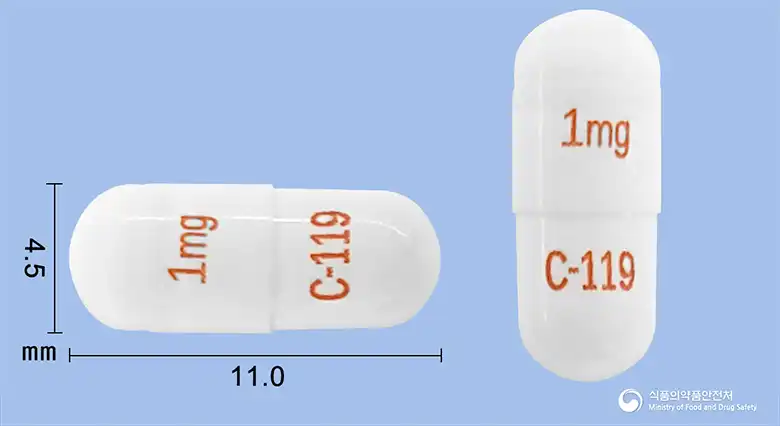
Tacrolimus Hydrate 1.02mg
Hard capsule · Prescription medication
Chongkundang Corporation
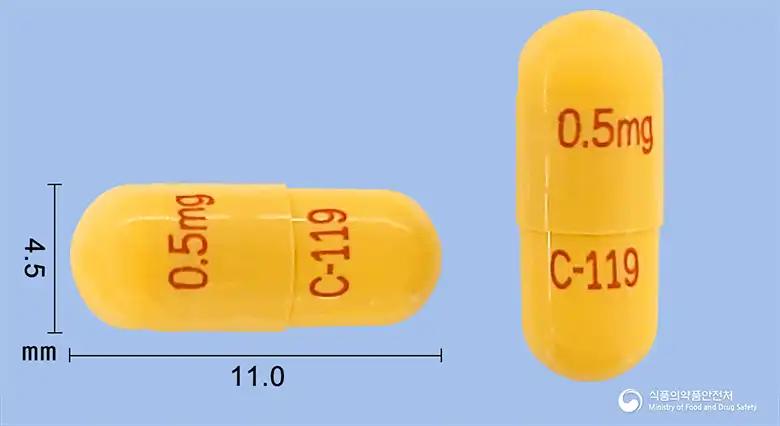 Combination
Tacrolimus Hydrate 0.51mg · Tacrolimus Hydrate 0.51mg
Hard capsule · Prescription medication · Combination
Chongkundang Corporation
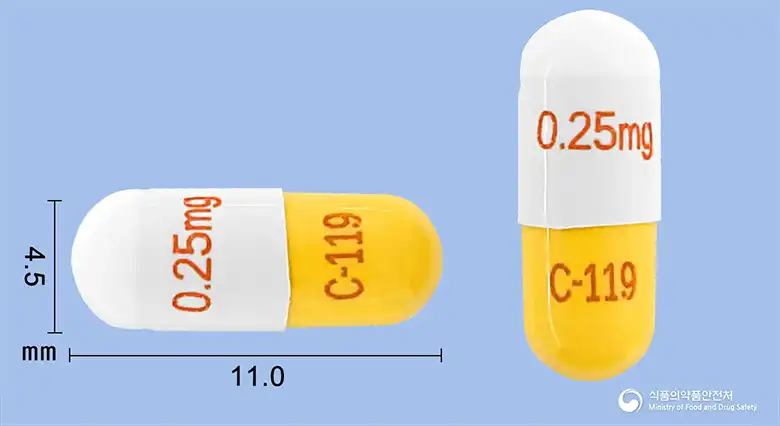
Tacrolimus Hydrate 0.255mg
Hard capsule · Prescription medication
Chongkundang Corporation
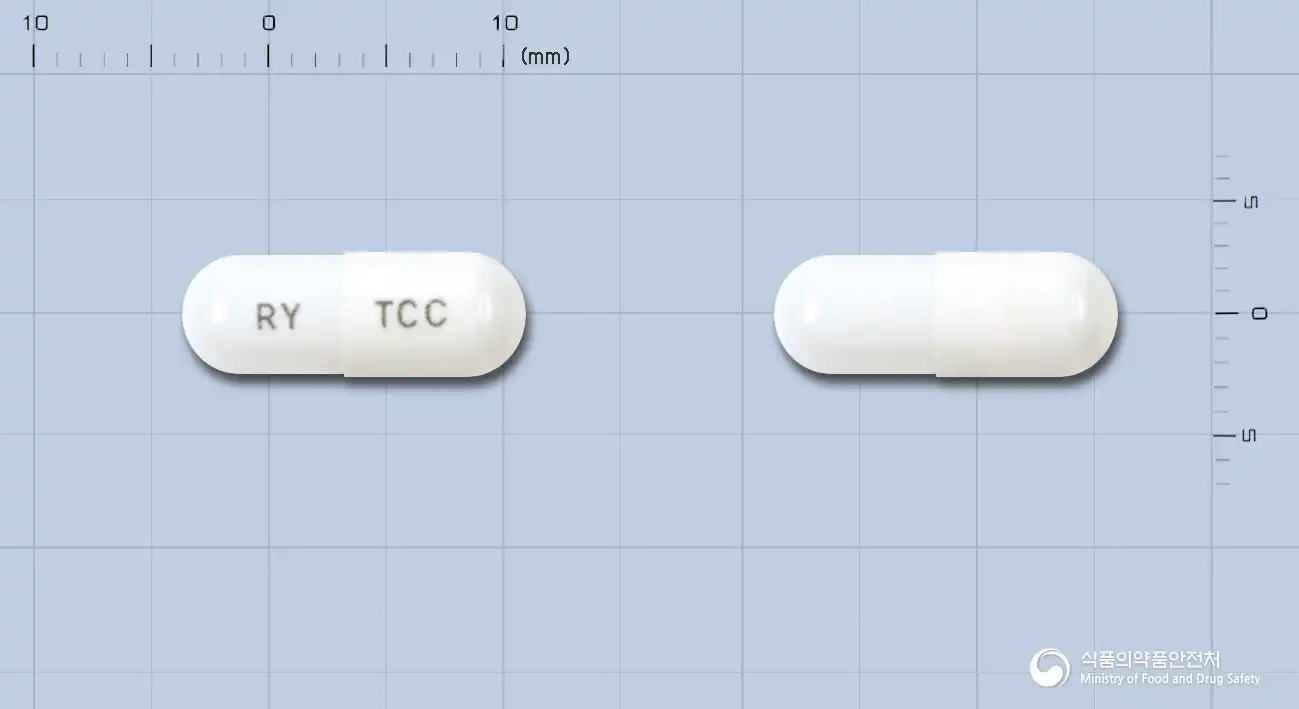
Tacrolimus Hydrate 1.02mg
Hard capsule · Prescription medication
Ilyun Pharmaceutical Co., Ltd.
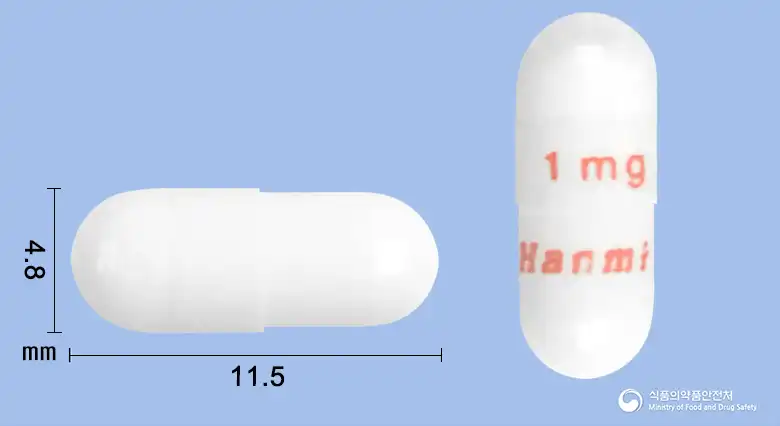
Tacrolimus Hydrate 1.02mg
Hard capsule · Prescription medication
Hanmi Pharmaceutical Co., Ltd.
Tacrolimus Hydrate 5.1mg
Prescription medication
Korea Astellas Pharma Co., Ltd.
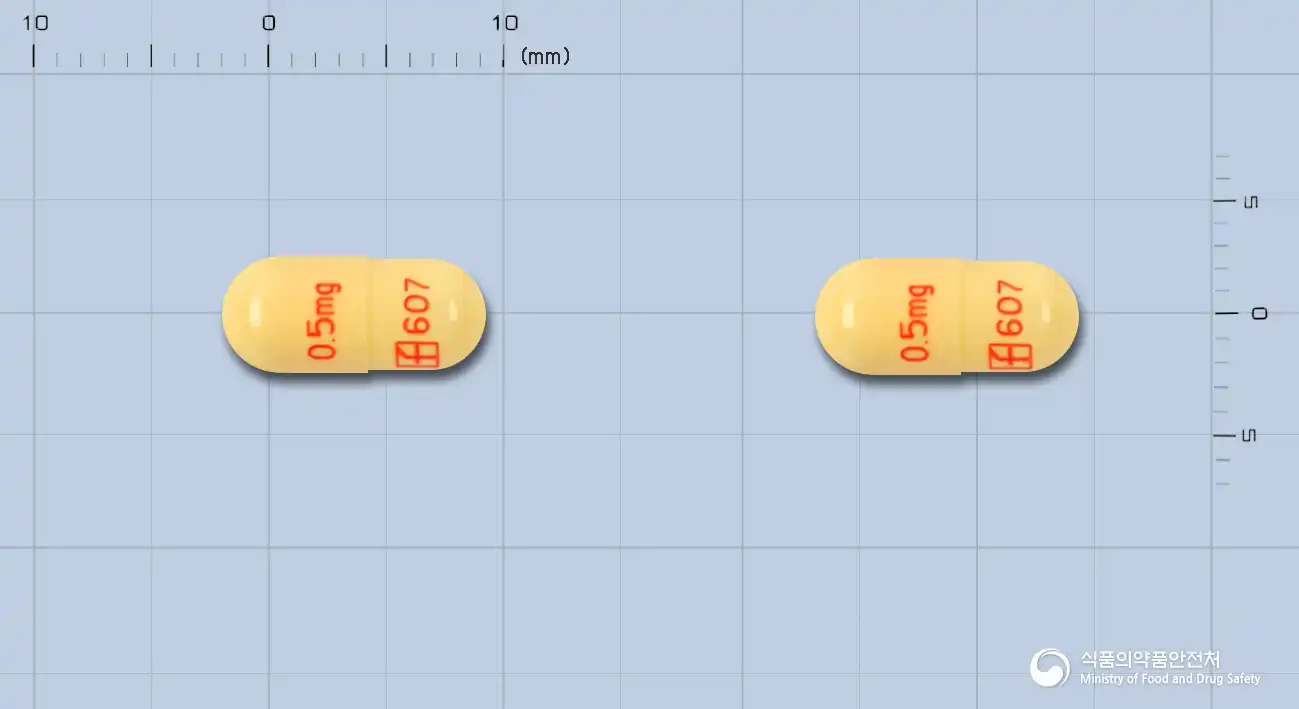
Tacrolimus Hydrate 0.51mg
Hard capsule · Prescription medication
Korea Astellas Pharma Co., Ltd.
Even with the same ingredient, the dose and directions can differ by strength and dosage form. Talk to a doctor or pharmacist before switching from a medication you are already taking.
No questions yet.
For anything that needs medical judgment, consult a doctor or pharmacist.
This drug information is based on data provided by the Korea Ministry of Food and Drug Safety.
Consult a doctor or pharmacist for accurate dosage, administration, and usage instructions.