
 한국어
한국어 English
 日本語
日本語 中文(简体)
Dosage form image
Viewing nowCombinationVasonexin Tablets
Cilostazol 100mg · Ginkgo Biloba Leaf Dried Extract 80mg
Tablet · Prescription medication · Combination
Kujoo Pharmaceutical Co., Ltd.
MFDS item code 201904685 · Approved 2019.07.11
This product's status changed to Expired on 2024.07.11. It may no longer be sold, so consult a doctor or pharmacist before taking it.
Improvement of chronic arterial occlusion (ulcers, pain, etc.) and prevention of recurrent cerebral infarction
When cilostazol monotherapy is insufficiently effective, co-administration of cilostazol and ginkgo biloba leaf extract can be a helpful alternative therapy for improving ischemic symptoms such as ulcers, pain, and cold sensation due to chronic arterial occlusion. Additionally, this combination therapy may be considered to prevent recurrence after cerebral infarction, except in cases of cardiac cerebral embolism. This combination therapy is useful in enhancing therapeutic efficacy, improving patient symptoms, and reducing the risk of recurrence.
The usual dosage for adults is cilostazol 100 mg and ginkgo biloba leaf extract 80 mg, administered twice daily. Typically, one tablet is taken orally twice a day.
This medication may increase heart rate, which could lead to symptoms of angina, such as chest pain, so careful monitoring for such symptoms is required. It should not be administered to patients with a tendency for bleeding, recent hemorrhagic stroke, or active peptic ulcer. It should not be used in patients with heart failure, those with previously allergic reactions to this medication, pregnant women or those who may become pregnant, and nursing mothers. Patients with lactose intolerance should also avoid this medication. Patients taking anticoagulants, antiplatelet agents, or thrombolytics should exercise caution due to an increased risk of bleeding. Women during menstruation should also be administered cautiously due to bleeding risk. Patients with severely impaired kidney or liver function, diabetics, and those with persistently high blood pressure or heart rhythm abnormalities require special caution. This medication may cause side effects such as headache, nausea, vomiting, itching, heart palpitations, and indigestion, and any abnormal symptoms should be immediately reported to a healthcare professional. Dizziness may occur when driving or operating machinery, so caution is advised. Pregnant or nursing women should not take this medication, and breastfeeding should be discontinued for safety. Safety in pediatric patients has not been established, so caution is required when using in children. Elderly patients may require dose adjustments due to decreased physiological functions. In cases of overdose, symptoms such as severe headache, diarrhea, hypotension, and rapid heartbeat may occur, necessitating immediate medical assistance. This medication should be stored away from direct sunlight in a cool, dry place and out of reach of children. When taken with other medications, there may be potential interactions, so consultation with a doctor or pharmacist is essential.
Not everyone experiences these, and they can vary from person to person.
This medication may be sensitive to air or moisture, so it should be stored in a tightly sealed container. It is important to keep the storage temperature between 1 and 30 degrees Celsius to safely maintain its effectiveness.
Green, egg-shaped film-coated tablets
30 tablets/bottle, 300 tablets/bottle
Even with the same ingredient, strength, dosage form and how it is taken can differ.
Cilostazol 100mg · Ginkgo Biloba Leaf Dried Extract 80mg
Tablet · Prescription medication · Combination
Kujoo Pharmaceutical Co., Ltd.
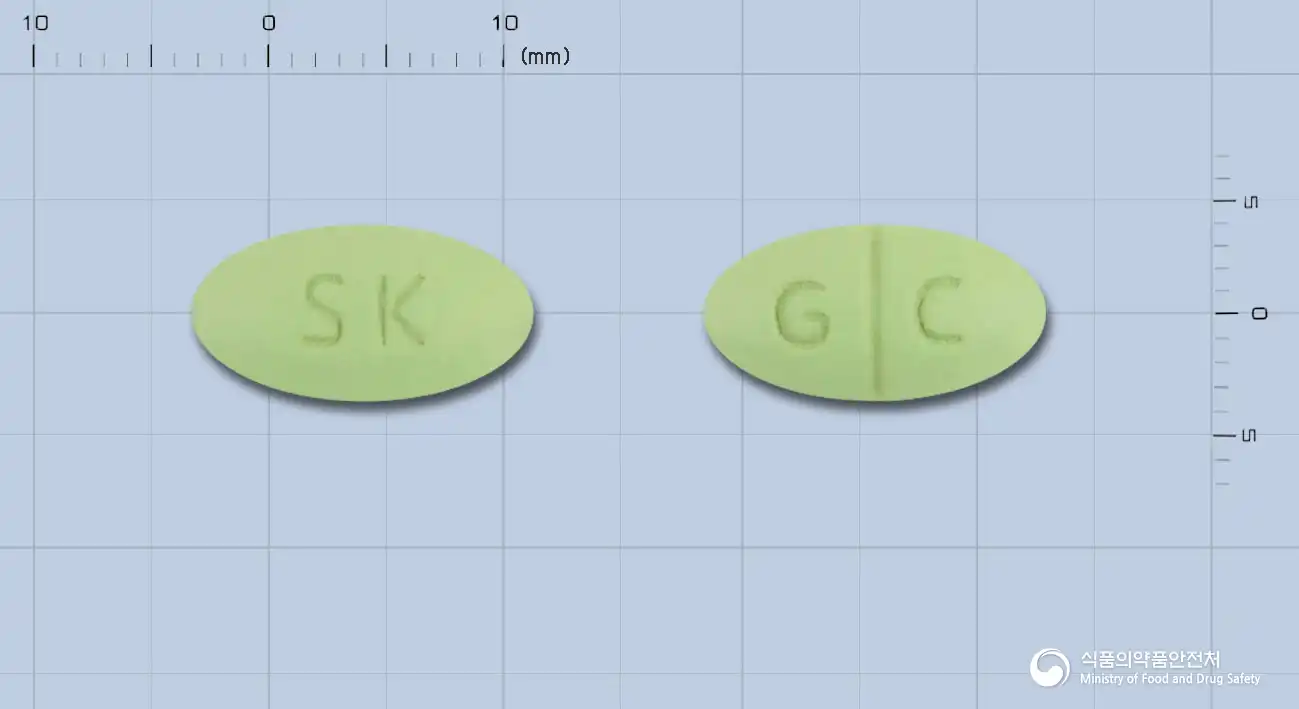 Combination
Cilostazol 100mg · Ginkgo Biloba Leaf Dried Extract 80mg
Tablet · Prescription medication · Combination
SK Chemical Co., Ltd.
Cilostazol · Ginkgo Biloba Leaf Dried Extract
Prescription medication · Combination
Korea Prime Pharmaceuticals Co., Ltd.
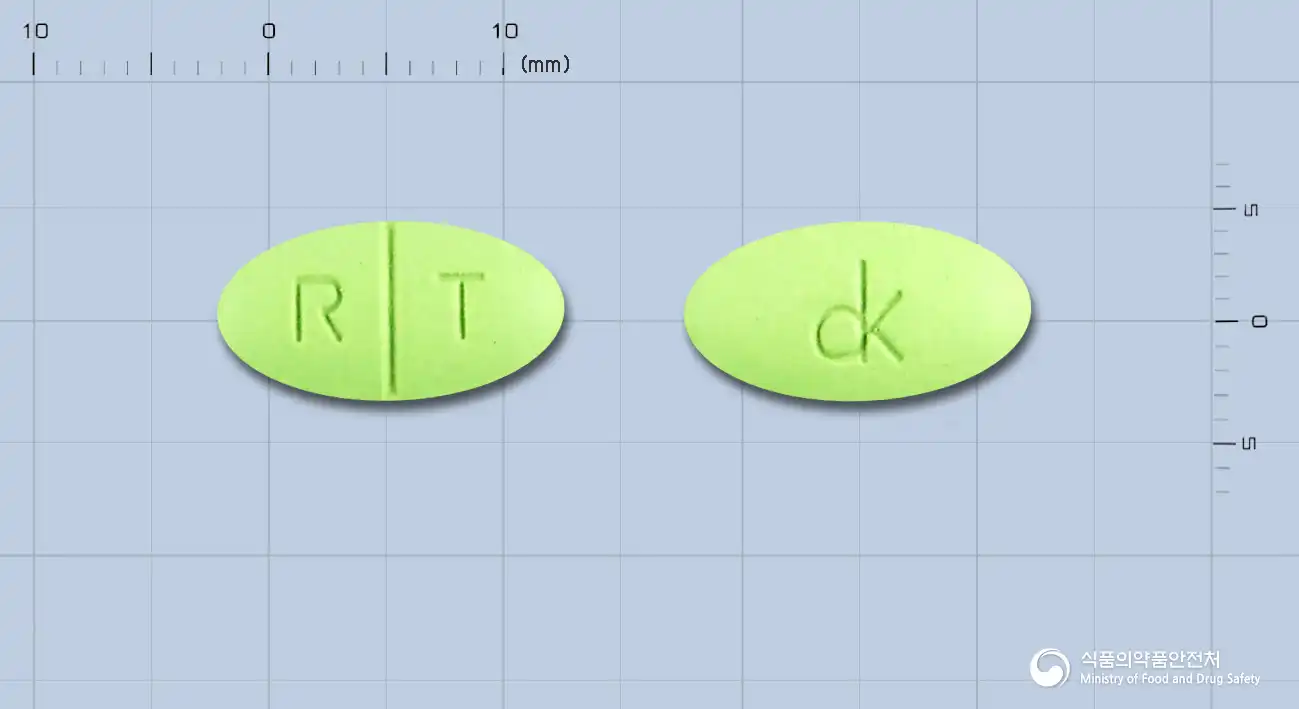 Combination
Cilostazol 100mg · Ginkgo Biloba Leaf Dried Extract 80mg
Tablet · Prescription medication · Combination
Dongguk Pharmaceutical Co., Ltd.
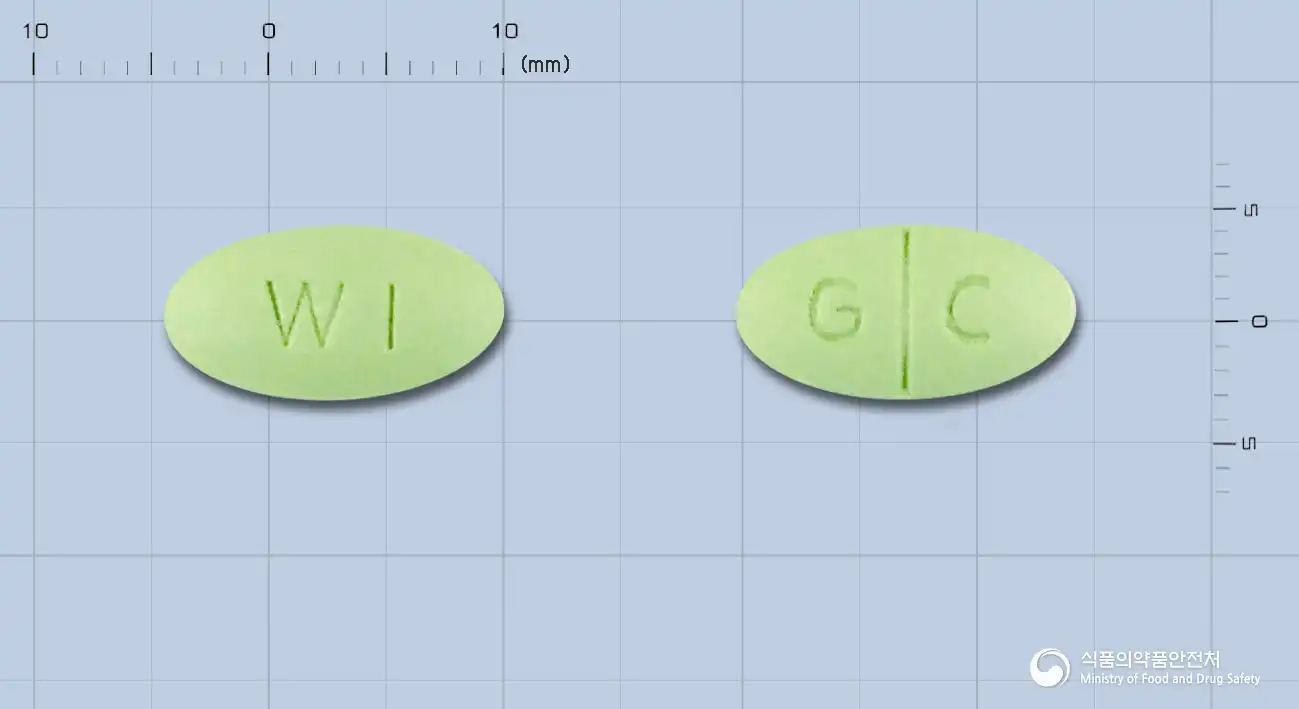 Combination
Cilostazol 100mg · Ginkgo Biloba Leaf Dried Extract 80mg
Tablet · Prescription medication · Combination
Hanin Pharmaceutical Co., Ltd.
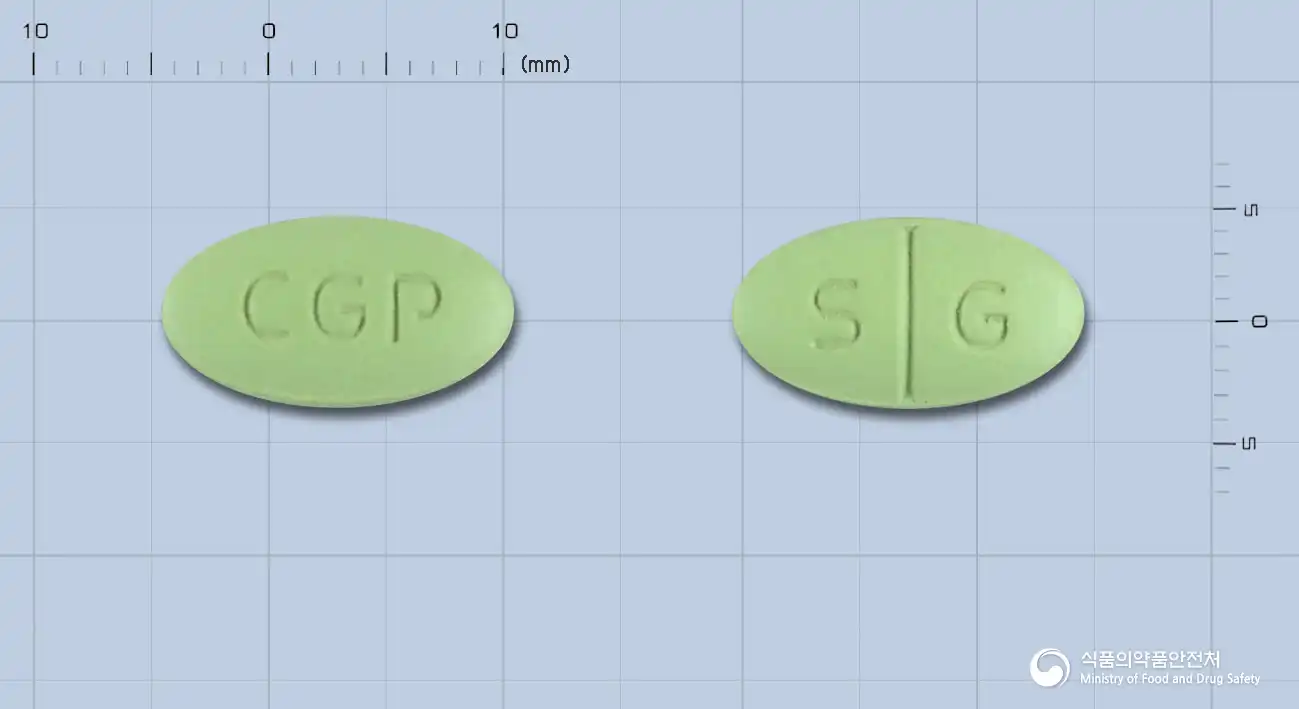 Combination
Cilostazol 100mg · Ginkgo Biloba Leaf Dried Extract 80mg
Tablet · Prescription medication · Combination
Aprogen Biosciences, Inc.
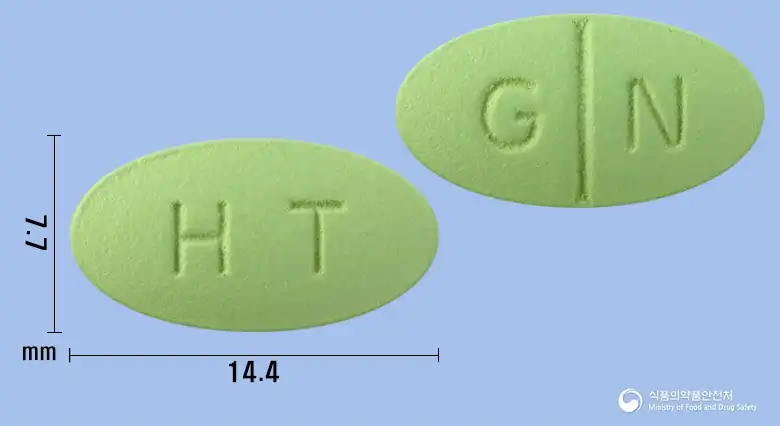 Combination
Cilostazol 100mg · Ginkgo Biloba Leaf Dried Extract 80mg
Tablet · Prescription medication · Combination
Korea Hyutech Pharmaceutical Co., Ltd.
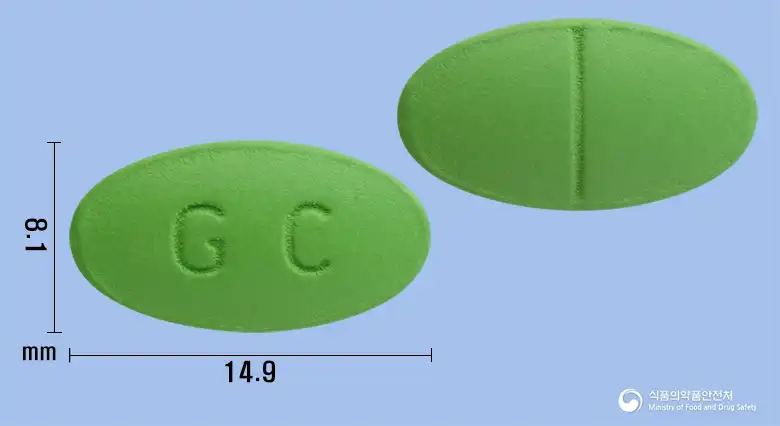 Combination
Cilostazol 100mg · Ginkgo Biloba Leaf Dried Extract 80mg
Tablet · Prescription medication · Combination
Genupharm Co., Ltd.
Even with the same ingredient, the dose and directions can differ by strength and dosage form. Talk to a doctor or pharmacist before switching from a medication you are already taking.
No questions yet.
For anything that needs medical judgment, consult a doctor or pharmacist.
This drug information is based on data provided by the Korea Ministry of Food and Drug Safety.
Consult a doctor or pharmacist for accurate dosage, administration, and usage instructions.