
 한국어
 English
 日本語
 中文(简体)
 Viewing now
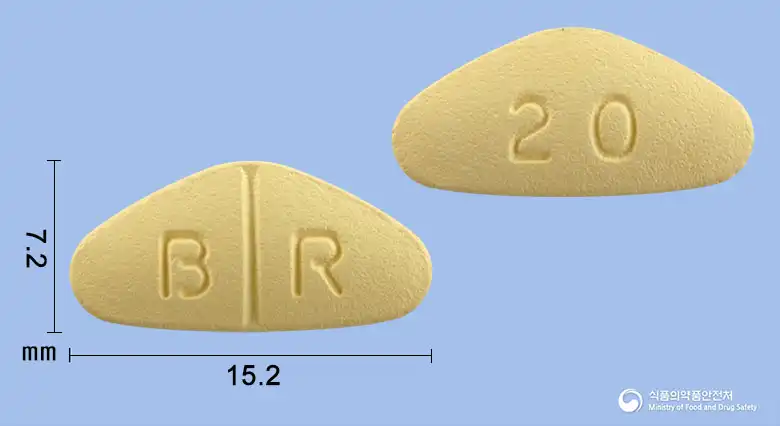
Osullam Tablet 20 Milligrams (Tadalafil)
Tadalafil 20mg
Tablet · Prescription medication
Boryung Co., Ltd.
MFDS item code 201904662 · Approved 2019.07.10
Treatment of erectile dysfunction
This medication is used for the treatment of erectile dysfunction. Sexual stimulation is required for it to take effect, and it improves erectile function in response. However, this medication is not indicated for women, thus it is limited to men. Therefore, it can assist men who are troubled by erectile dysfunction.
Use in adult men The recommended dose of this medicine is 10mg, taken before anticipated sexual activity, regardless of meals. For patients in whom tadalafil 10mg does not provide an adequate effect, 20 mg may be tried. This medicine may be taken at least 30 minutes before sexual activity. The maximum recommended frequency of administration is once daily. Long-term safety after extended daily administration has not been established, and because the effect of this medicine usually lasts for more than a day, continuous daily administration of this medicine is strongly discouraged. [See section 1. Warnings and section 12.1) Pharmacodynamic properties] Use in elderly men No dosage adjustments are required in elderly patients. Use in men with renal impairment No dose adjustment is required in patients with mild to moderate renal impairment. The maximum recommended dose in patients with severe renal impairment is 10mg. [See section 12.2) Pharmacokinetic properties]. Use in men with hepatic impairment The recommended dose of this product is 10mg, taken before anticipated sexual activity, regardless of meals. Since clinical data on the safety of this product in patients with severe hepatic impairment (Child-Pugh Class C) are limited, the physician should carefully assess the individual benefit/risk if prescribing it. There are no data on administration of doses higher than 10mg to patients with hepatic impairment. [See section 3. Use with caution in the following patients and section 12.2) Pharmacokinetic properties]. Use in men with diabetes No dose adjustment is required in patients with diabetes.
This medicine should not be used in persons under 18 years of age.
This medication is for the treatment of erectile dysfunction and, prior to use, it is essential for a physician to confirm the underlying cause through the patient's medical history and physical examination. Sexual activity can put stress on the heart; therefore, patients with cardiovascular disease should be sure to check their heart condition before using this medication. If an erection lasts longer than 4 hours after taking this medicine, immediate medical attention is necessary, as untreated it may cause penile tissue damage or loss of erectile function. This medication may cause a dangerous drop in blood pressure when taken with nitrate medications, so patients taking nitrates must not use this medication. Patients who have had recent cardiovascular events, such as myocardial infarction, unstable angina, or stroke, are contraindicated from using this medication. This medication may decrease sperm count and concentration in some patients, potentially affecting reproductive function with long-term use. Patients with penile deformities or certain blood disorders should use caution with this medication. Dosage adjustment is necessary for patients with severe liver or kidney function impairment, and it should be administered based on the physician's judgment. The use of this medication with other erectile dysfunction treatments is not recommended. Side effects may include headaches, dyspepsia, back pain, muscle pain, flushing, and others, typically mild or moderate. Adverse cardiovascular reactions or visual or auditory disturbances have been reported; if these occur, discontinuation and consultation with a physician are advised. Caution should be exercised when taking with alcohol, as it may worsen hypotension and dizziness. It is not to be used by pregnant women or children. In the case of overdose, immediate medical attention should be sought, as blood dialysis has minimal impact on the elimination of this medication. This medication should be kept out of reach of children and stored in its original packaging for safety. There is no special impact on driving or operating machinery, but it is recommended to check one's condition after taking the medication.
Not everyone experiences these, and they can vary from person to person.
This medication should be stored in a tightly closed container to protect from air and moisture. It is also recommended to keep the medicine at room temperature between 1 degree and 30 degrees Celsius.
Film-coated tablet shaped like a yellow, rounded triangle with a score line
8 tablets ((8 tablets/PTP)×1)
Even with the same ingredient, strength, dosage form and how it is taken can differ.
Viewing nowTadalafil 20mg
Tablet · Prescription medication
Boryung Co., Ltd.
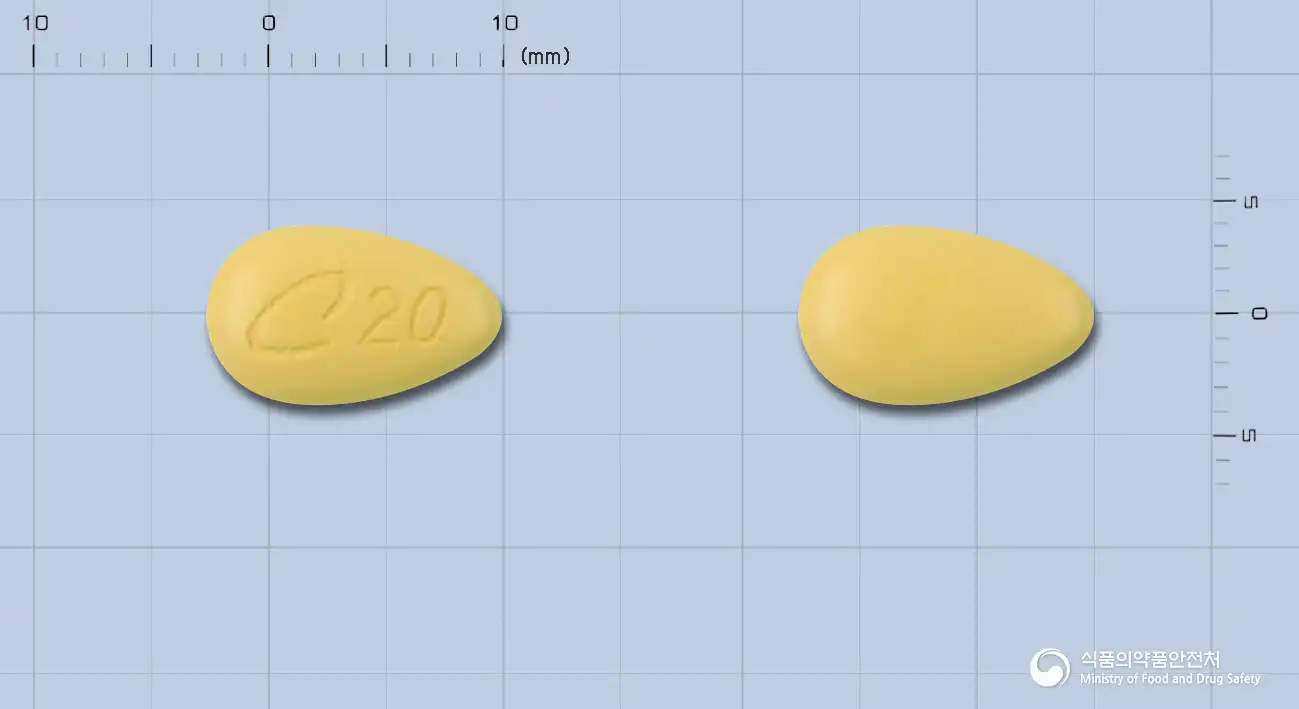
Tadalafil 20mg
Tablet · Prescription medication
Korea Lilly Co., Ltd.
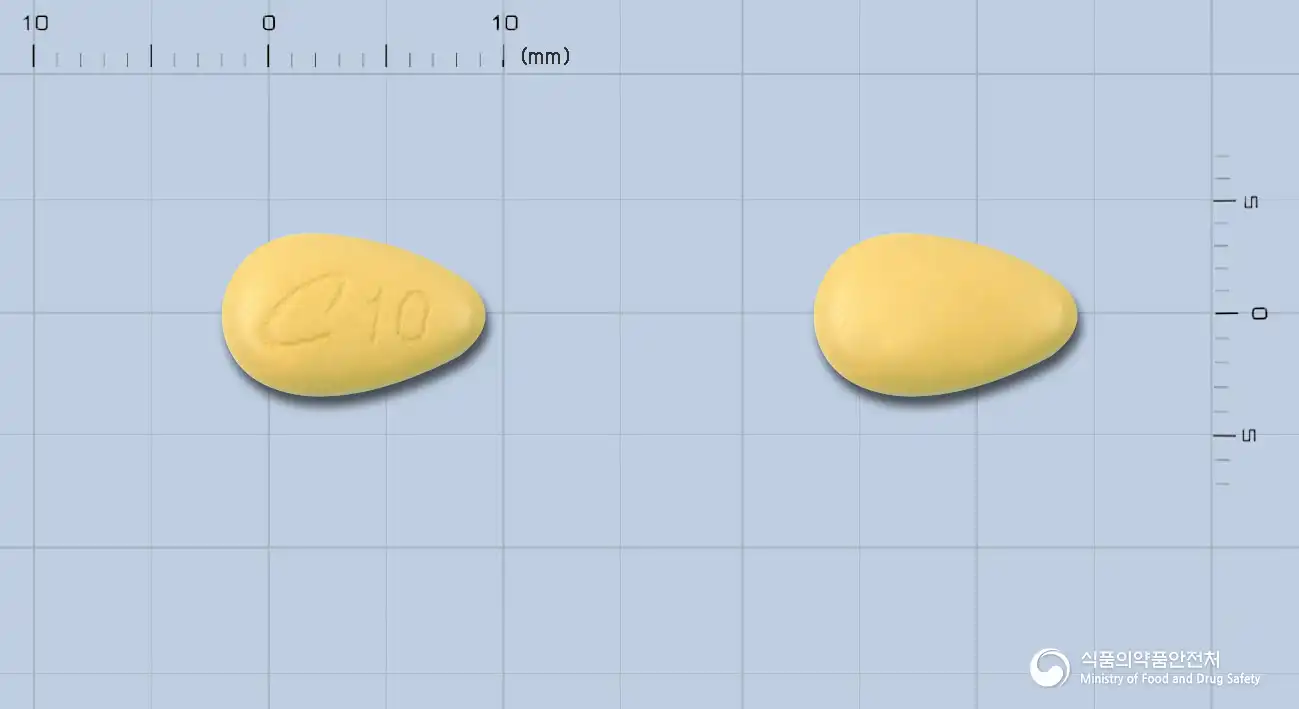
Tadalafil 10mg
Tablet · Prescription medication
Korea Lilly LLC
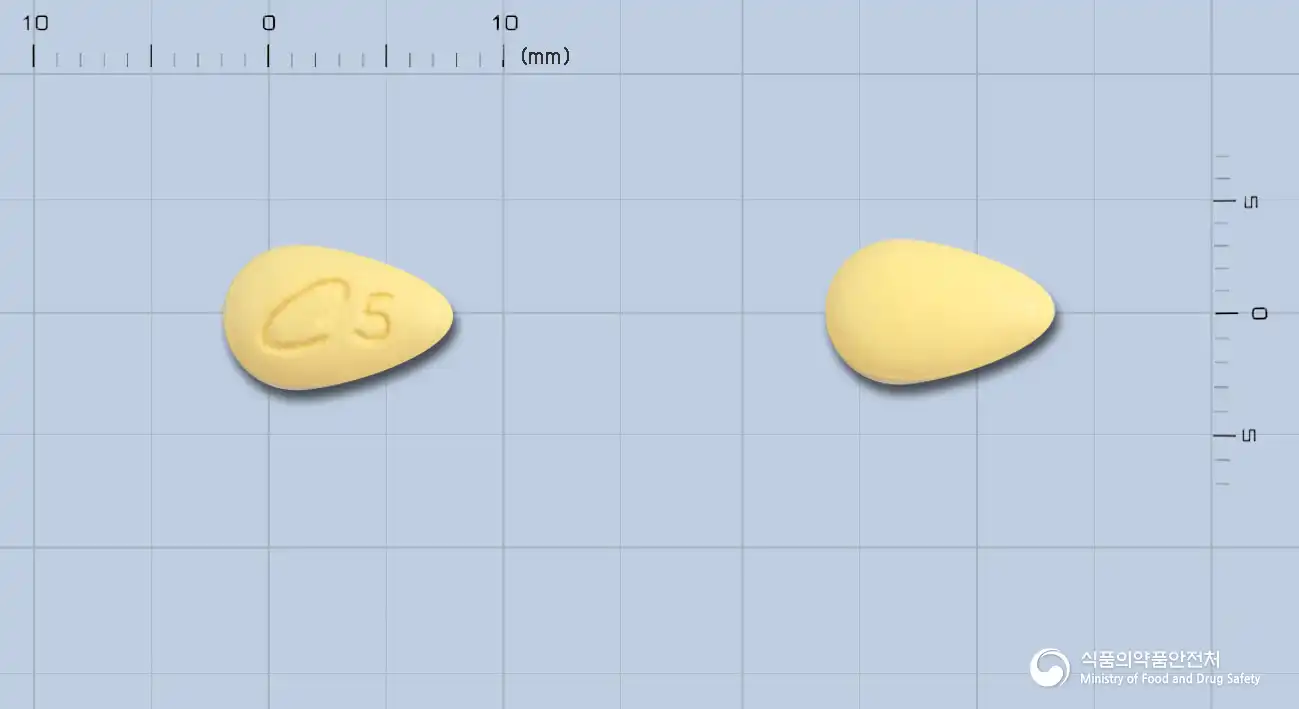
Tadalafil 5mg
Tablet · Prescription medication
Korea Lilly Co., Ltd.
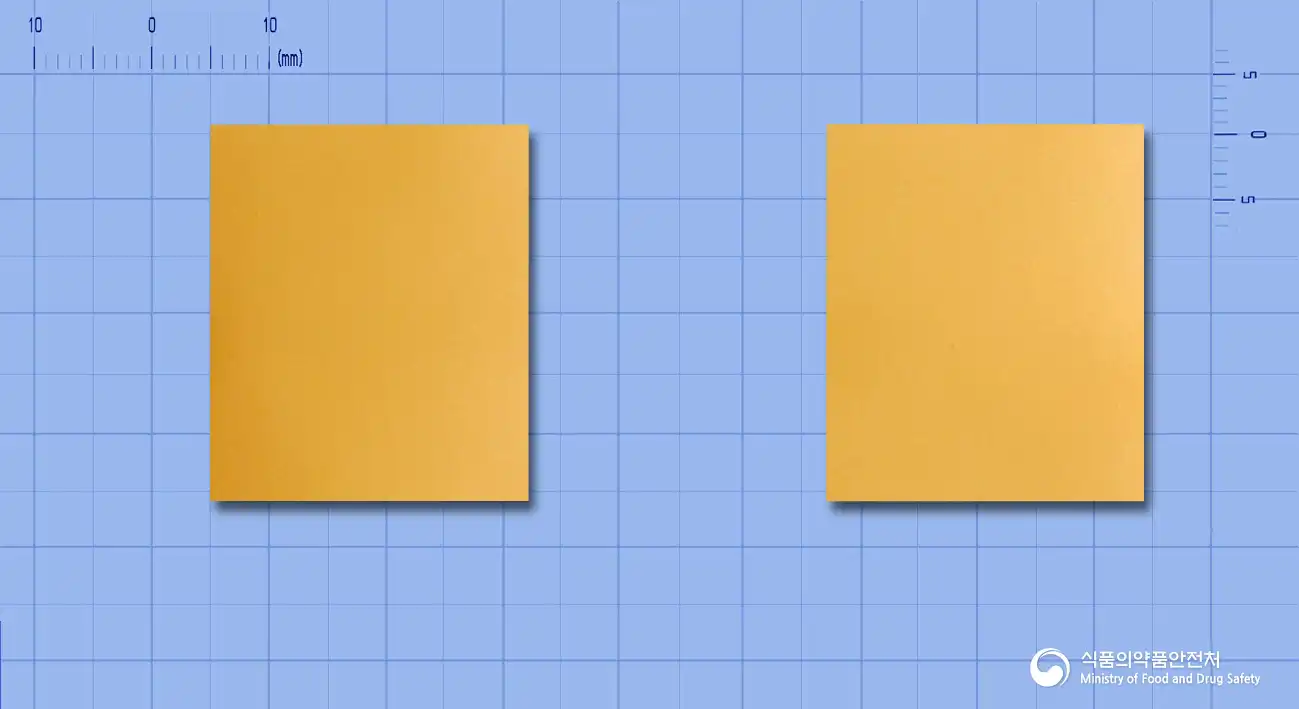
Tadalafil 20mg
Prescription medication
Seoul Pharmaceutical Co., Ltd.
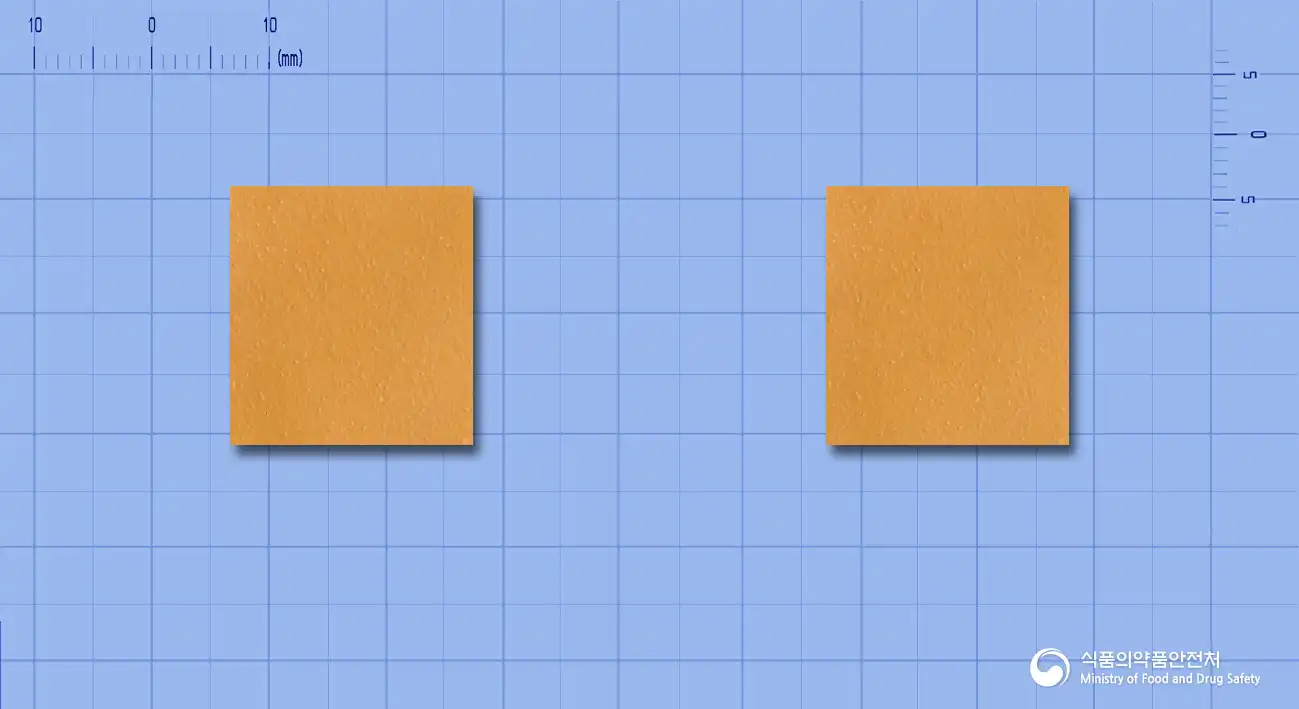
Tadalafil 10mg
Orally disintegrating Tablet · Prescription medication
Seoul Pharmaceutical Co., Ltd.
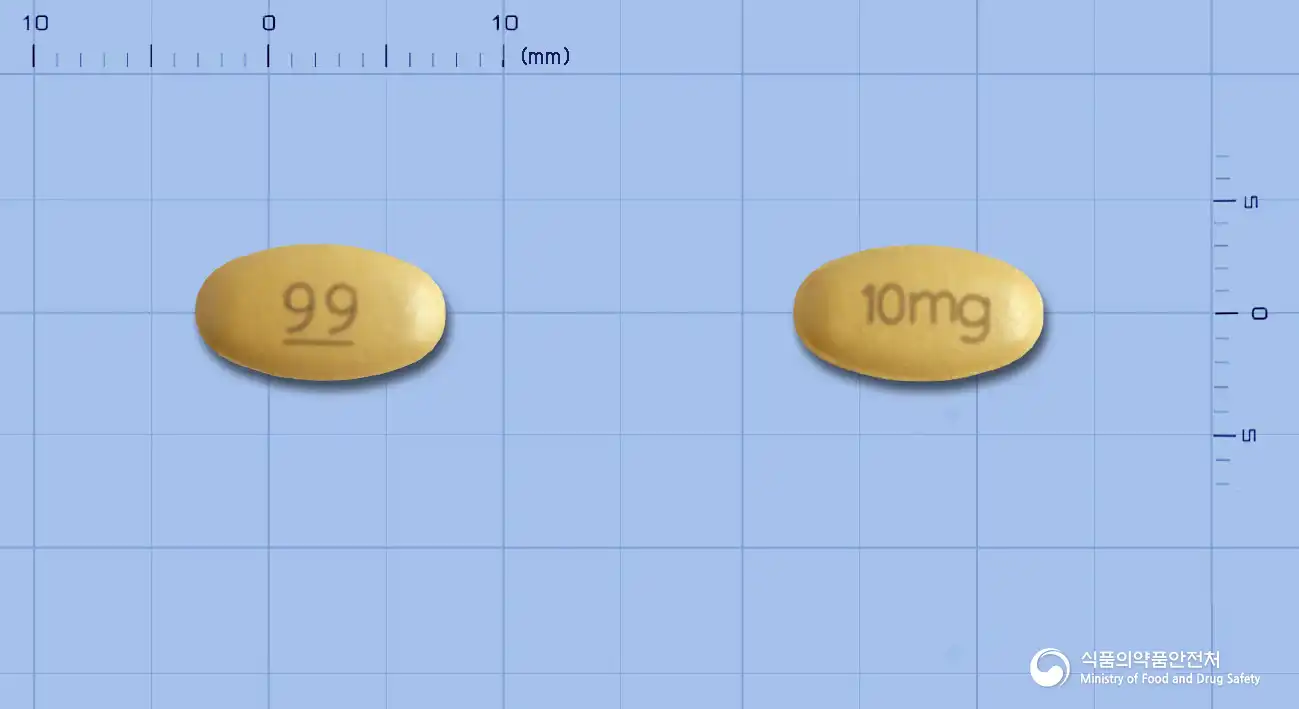
Tadalafil 10mg
Tablet · Prescription medication
Hanmi Pharmaceutical Co., Ltd.
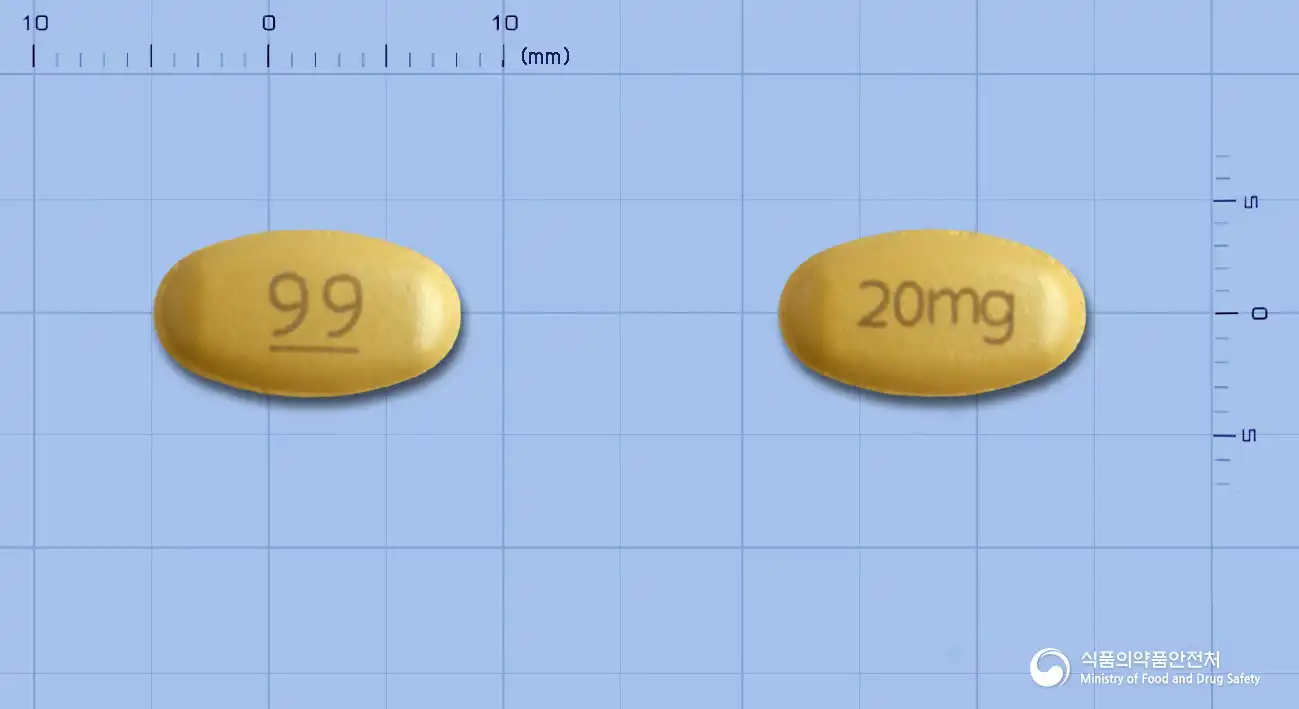
Tadalafil 20mg
Tablet · Prescription medication
Hanmi Pharmaceutical Co., Ltd.
Even with the same ingredient, the dose and directions can differ by strength and dosage form. Talk to a doctor or pharmacist before switching from a medication you are already taking.
No questions yet.
For anything that needs medical judgment, consult a doctor or pharmacist.
This drug information is based on data provided by the Korea Ministry of Food and Drug Safety.
Consult a doctor or pharmacist for accurate dosage, administration, and usage instructions.