
 한국어
한국어 English
 日本語
日本語 中文(简体)
 Viewing now
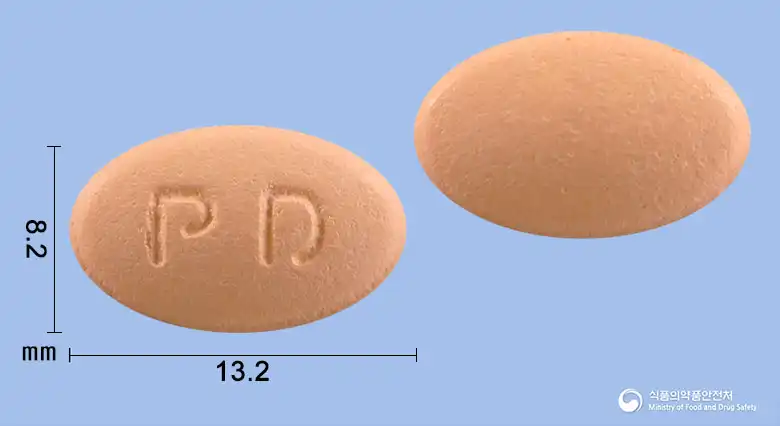
Pactamin D3 Tablet 25000 IU (Cholecalciferol Concentrated Powder)
Cholecalciferol Concentrate Powder 250mg
Tablet · Prescription medication
McNulty Pharmaceutical Co., Ltd.
MFDS item code 201904637 · Notified 2019.07.09
Prevention of vitamin D deficiency and adjuvant treatment of osteoporosis
This medication is used to prevent and treat vitamin D deficiency. Additionally, it helps in the treatment of osteoporosis in patients with or at risk of vitamin D deficiency. Therefore, it aids in maintaining skeletal health and improving bone-related diseases.
Vitamin D deficiency treatment: 2 tablets weekly (50,000 IU as cholecalciferol), for 6 weeks. Maintenance therapy after treatment for vitamin D deficiency: 1 tablet monthly (25,000 IU as cholecalciferol). In cases at high risk for vitamin D deficiency, under physician's guidance, up to 2 tablets (50,000 IU as cholecalciferol) per month may be taken. Vitamin D deficiency prevention: 1 tablet monthly (25,000 IU as cholecalciferol)
Vitamin D deficiency treatment for adolescents over 12 years: 1 tablet every 2 weeks (25,000 IU as cholecalciferol), for 6 weeks. Vitamin D deficiency prevention for adolescents over 12 years: 1 tablet every 6 weeks (as cholecalciferol
This medication should not be used in certain patients. First, patients with allergic reactions to the ingredients of this medication should not be administered. Moreover, patients who are in a state of vitamin D excess, or those with kidney stones or nephrocalcinosis should not take this medication. Patients with hypercalcemia or hypercalciuria, and those with diseases that can lead to such conditions should also avoid this medication. It should not be administered to patients with severe renal impairment. This medication should be used cautiously in patients with weakened kidney function or granulomatous diseases such as sarcoidosis. In such cases, blood and urine calcium levels should be periodically checked to monitor for abnormalities. Side effects may occur when taking this medication. Rarely, symptoms such as skin itching, rash, and hives may appear, and nausea or vomiting may be experienced. Additionally, there is a rare possibility that blood calcium levels may increase, thus caution is necessary. This medication must be used particularly carefully in patients with decreased kidney function, and calcium and phosphate levels should be regularly checked. It is essential to consistently monitor blood calcium concentrations and kidney function during long-term use. Elderly patients or those prone to stone formation who are taking heart disease medications or diuretics require even more careful management. When using this medication with other vitamin D-containing drugs, the total vitamin D dosage should be adjusted accordingly. When starting vitamin D supplementation, individual calcium status and dietary habits should also be taken into consideration. This medication can interact with certain drugs. For example, phenytoin or barbiturates may reduce the effectiveness of this medication. Additionally, cholestyramine or laxatives may hinder the absorption of this medication. Glucocorticoids may also reduce its effectiveness, so caution is required. An increase in vitamin D concentration can raise blood calcium levels, affecting the heart. This may increase the risk of cardiac arrhythmia; therefore, regular ECG tests and blood tests should be conducted. Taking this medication alongside thiazide diuretics can decrease calcium excretion and heighten the risk of hypercalcemia; hence blood tests are necessary. Pregnant women should consult a physician regarding the use of this medication, and dosage adjustments may be necessary if needed. Nursing mothers should also consider that this medication can pass into breast milk and its effects on newborns. This medication is not recommended for children under 12 years of age. In case of overdose, blood calcium levels may rise dangerously high, and symptoms such as nausea, vomiting, thirst, drowsiness, and dizziness may occur. In this case, discontinue the medication immediately and ensure adequate hydration. When storing this medication, it should be kept in its original packaging away from light and moisture at temperatures below 25 degrees Celsius.
Hives
Not everyone experiences these, and they can vary from person to person.
This medication is sensitive to light and should be stored in a special container that prevents light exposure. Additionally, it is important to store it at a cool temperature below 25 degrees Celsius to maintain its effectiveness.
Pink oval film-coated tablet
4 tablets/Pitipi
Even with the same ingredient, strength, dosage form and how it is taken can differ.
Viewing nowCholecalciferol Concentrate Powder 250mg
Tablet · Prescription medication
McNulty Pharmaceutical Co., Ltd.
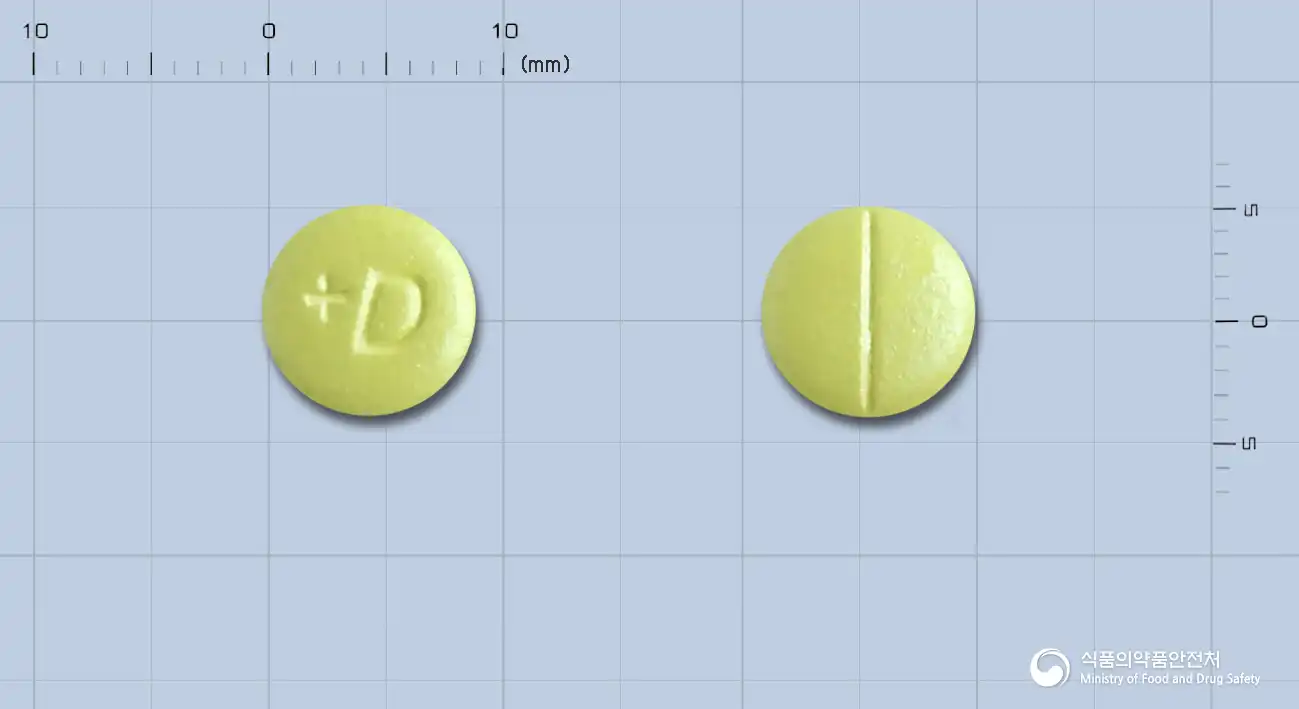
Cholecalciferol Concentrate Powder 10mg
Tablet · OTC medication
Hanool BioPharma Co., Ltd.
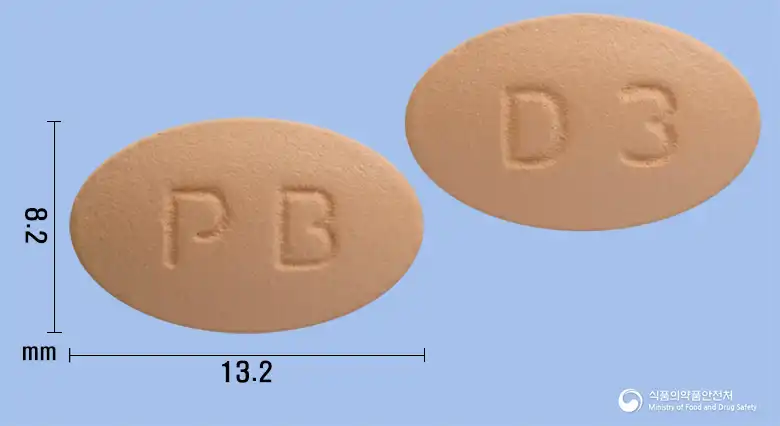
Cholecalciferol Concentrate Powder 250mg
Tablet · Prescription medication
Korea Pharmbio Co., Ltd.
Cholecalciferol Concentrate Powder
Prescription medication
Repure Healthcare Co., Ltd.
Even with the same ingredient, the dose and directions can differ by strength and dosage form. Talk to a doctor or pharmacist before switching from a medication you are already taking.
No questions yet.
For anything that needs medical judgment, consult a doctor or pharmacist.
This drug information is based on data provided by the Korea Ministry of Food and Drug Safety.
Consult a doctor or pharmacist for accurate dosage, administration, and usage instructions.