
 한국어
 English
 日本語
 中文(简体)
Dosage form image
Viewing nowOflol Solution (Ofloxacin)
Ofloxacin 3mg
Prescription medication
Huons Life Science Co., Ltd.
MFDS item code 201904493 · Notified 2019.07.01 · Insurance code 052701351
Treatment of ear infections (e.g., otitis media)
This medication is used to treat otitis media and otitis externa caused by various infectious bacteria including Staphylococcus, Streptococcus, Proteus, Pseudomonas, and Influenza bacilli.
Adults: Instill 6 - 10 drops into the ear twice daily. After instillation, keep the treated ear facing upward for approximately 10 minutes. The dose may be increased or decreased as appropriate according to age and symptoms.
This medication should not be used in patients who are hypersensitive to quinolone antibiotics or have a history of such hypersensitivity. If a severe allergic reaction occurs while using this medication, it must be stopped immediately. Such reactions may include cardiovascular collapse, loss of consciousness, swelling around the face or neck, difficulty breathing, hives, and itching. Caution should be exercised as symptoms such as itching, dizziness, and ear pain may occur in the presence of ear inflammation. Possible side effects include taste abnormalities, headache, nausea, vomiting, itching, rash, dizziness, ear ringing, and fever. There may be issues affecting auditory and balance functions such as hearing loss or microbial flora alteration. To avoid drug-resistant bacteria, it is important to confirm the susceptibility of the infectious bacteria before using this medication and to use it for the necessary minimum duration only. Typically, a standard treatment regimen lasts for 4 weeks, after which it should be carefully decided whether to continue its use. Long-term use may lead to excessive proliferation of fungi or non-susceptible bacteria, in which case it is better to switch to other treatment methods. If ear discharge continues after treatment or symptoms recur within 6 months, other therapeutic options that investigate and address the underlying cause should be considered. Quinolone antibiotics can cause allergic reactions even after one use, so if symptoms such as rash occur, use must be discontinued immediately and consultation with a specialist is required. If otitis media is confined to the tympanic membrane, local treatment using this medication in the ear is appropriate, but if the inflammation spreads more widely, other treatment options such as oral medication should also be considered. Pregnant women should use this medication only when the benefits outweigh the risks, and breastfeeding women should discontinue breastfeeding or stop using the medication while taking it. Safety and efficacy have not been established in infants under 1 year of age, so it is advisable not to use it in this population. Since this medication is a topical solution used in the ear, it is advisable to use it when the solution is close to body temperature to avoid dizziness that can occur if the solution is too cold. Lastly, animal studies have reported joint abnormalities in young puppies and rats, so caution should be exercised when administering it to children.
Cardiovascular collapse, loss of consciousness, angioedema (laryngeal, pharyngeal, facial), airway obstruction, dyspnea, urticaria, pruritus, itching, dizziness, otalgia, dysgeusia, paresthesia, rash, irritation, nausea, vomiting, polydipsia, headache, tinnitus, fever, auditory and vestibular disorders, hearing loss, superinfection
Not everyone experiences these, and they can vary from person to person.
This medication should be stored in a tightly sealed container to protect it from air and moisture. The storage temperature should be maintained at room temperature between 1°C and 30°C. Proper storage can help maintain the efficacy of the medication for a long time.
A clear liquid that is pale yellow to light yellow in color
5mL per bottle
Even with the same ingredient, strength, dosage form and how it is taken can differ.
Ofloxacin 3mg
Prescription medication
Huons Life Science Co., Ltd.
Ofloxacin 100mg
Tablet · Prescription medication
Cejal Pharmaceutical Co., Ltd.
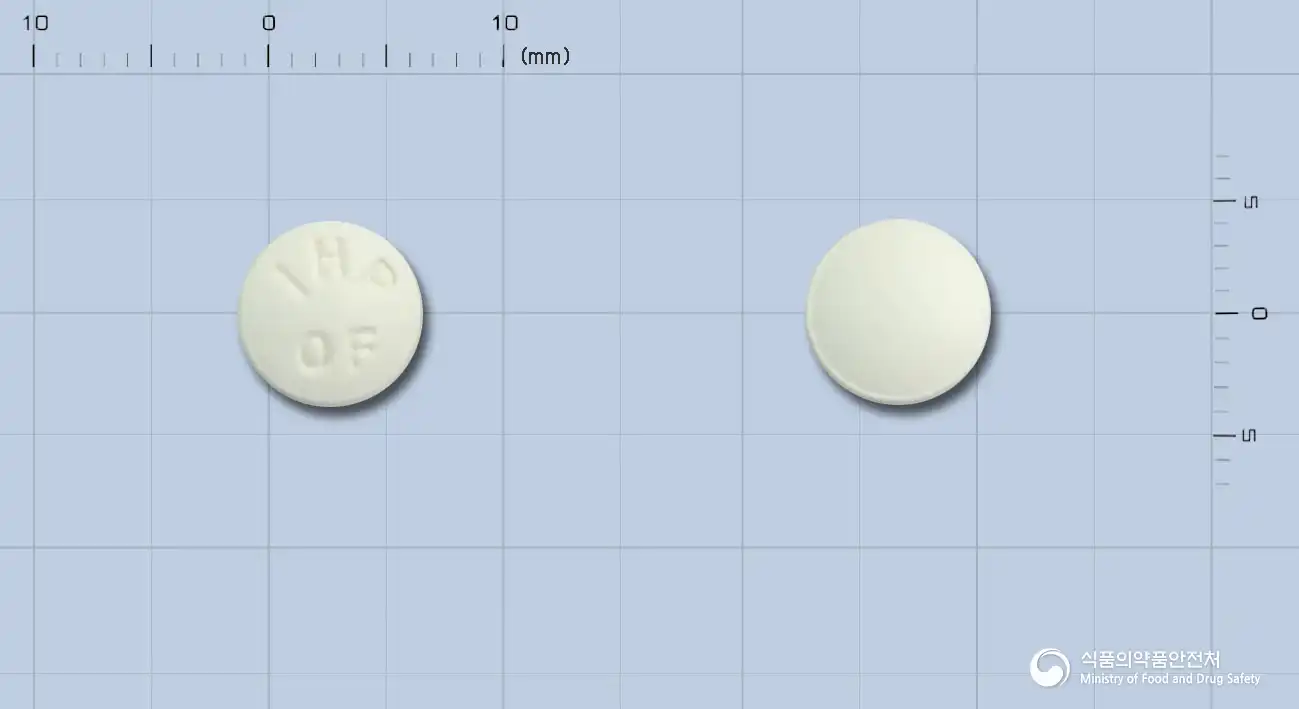
Ofloxacin 100mg
Tablet · Prescription medication
Ilhwa
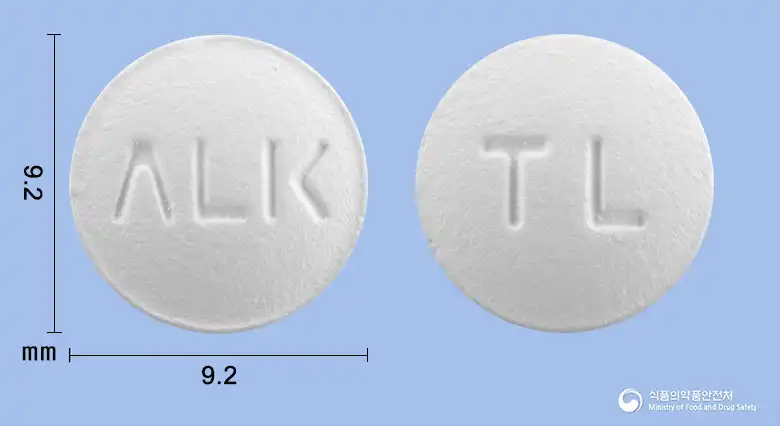
Ofloxacin 100mg
Tablet · Prescription medication
Alvogen Korea Co., Ltd.
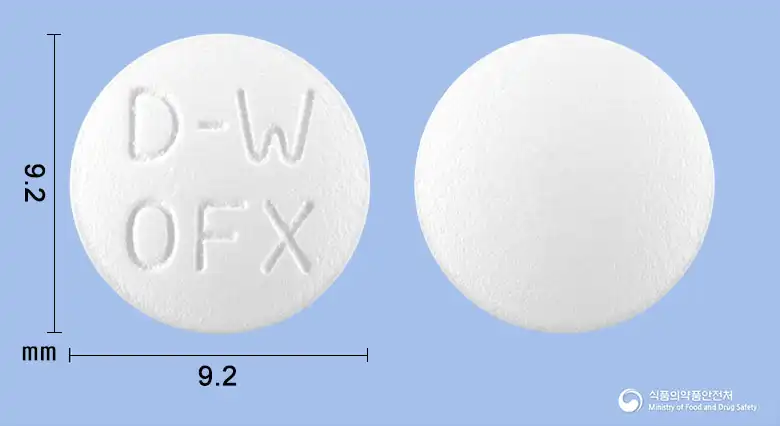
Ofloxacin 100mg
Tablet · Prescription medication
Donghwa Pharmaceutical Co., Ltd.
Ofloxacin
Prescription medication
Gujoo Pharmaceutical Co., Ltd.
Ofloxacin 200mg
Tablet · Prescription medication
Jeil Pharmaceutical Co., Ltd.
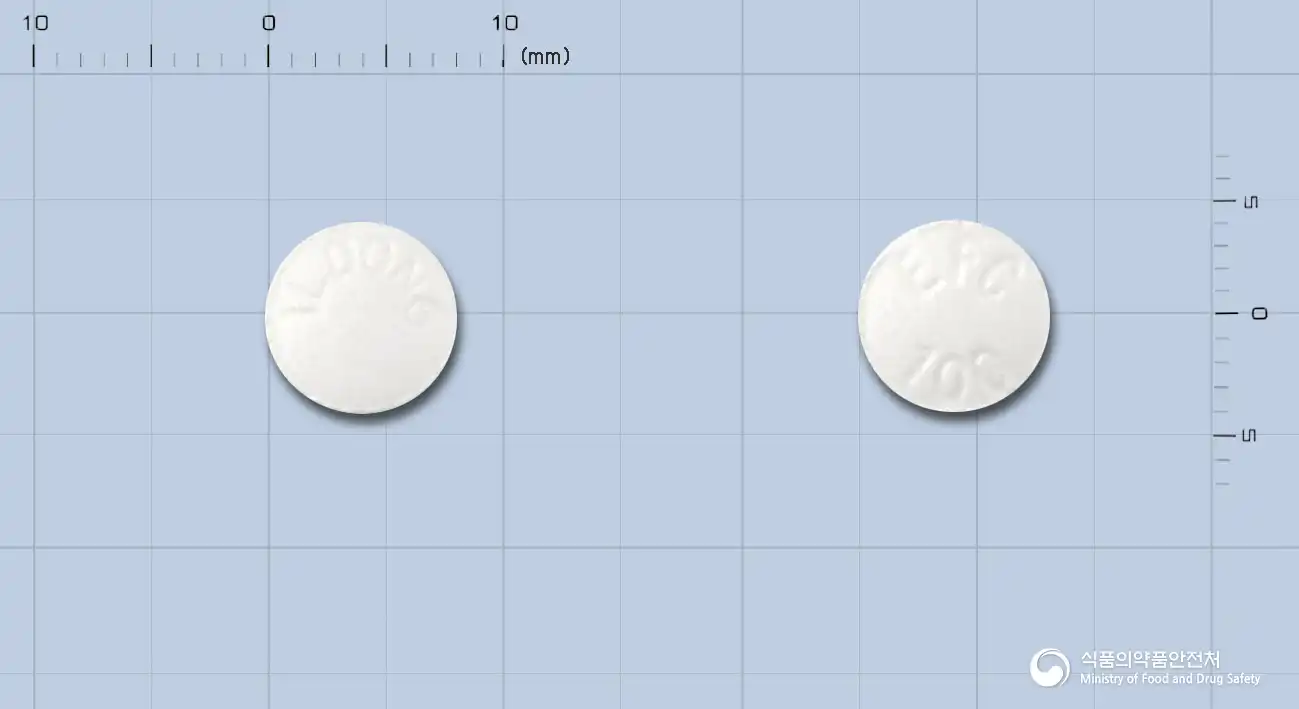
Ofloxacin 100mg
Tablet · Prescription medication
Il Dong Pharmaceutical Co., Ltd.
Even with the same ingredient, the dose and directions can differ by strength and dosage form. Talk to a doctor or pharmacist before switching from a medication you are already taking.
No questions yet.
For anything that needs medical judgment, consult a doctor or pharmacist.
This drug information is based on data provided by the Korea Ministry of Food and Drug Safety.
Consult a doctor or pharmacist for accurate dosage, administration, and usage instructions.