
 한국어
한국어 English
 日本語
日本語 中文(简体)
 Viewing now
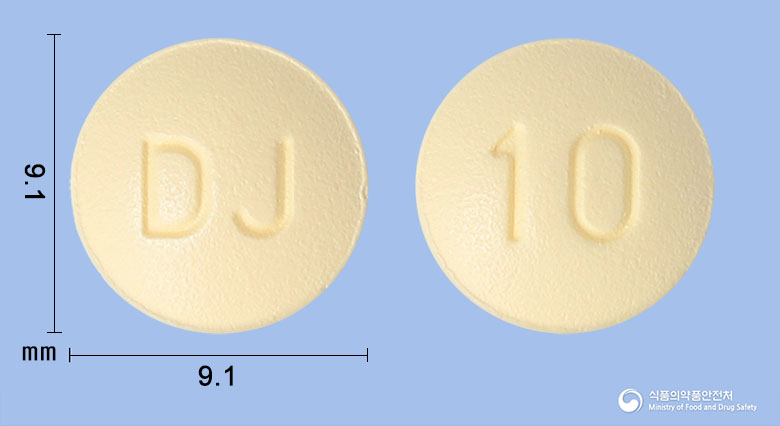
Shinshin Donepezil Tablet 10 mg (Donepezil Hydrochloride Monohydrate)
Donepezil Hydrochloride Hydrate 10.43mg
Tablet · Prescription medication
Shinshin Pharmaceutical Co., Ltd.
MFDS item code 201904405 · Approved 2019.06.27 · Insurance code 643803000
Improvement of Alzheimer's-type dementia symptoms
This medication is used for the treatment of symptoms related to Alzheimer's-type dementia. It helps alleviate symptoms associated with dementia, such as memory decline and cognitive dysfunction. It is effective in maintaining patients' daily living abilities and slowing the progression of symptoms. Consistent intake will help improve symptoms.
As Donepezil Hydrochloride, administer 5 mg once daily before bedtime. After administering the 5 mg dose for 4-6 weeks, evaluate clinical response and may increase to 10 mg. Caution for gastrointestinal adverse reactions during dose escalation. Underweight women over 85 years old should not exceed 5 mg daily.
No experience in pediatric use.
This medication contains Donepezil Hydrochloride as its active ingredient and is used in the treatment of Alzheimer's-type dementia. This medication should not be used by patients who are allergic to Donepezil Hydrochloride or any other component of this drug, pregnant women or women who could become pregnant, and breastfeeding women. Additionally, since it contains lactose, patients with genetic issues such as lactose intolerance, lactase deficiency, or glucose-galactose malabsorption should not take this medication. Patients with heart disease or cardiac conduction disorders should use this medication with caution as it can stimulate the vagus nerve and may lead to bradycardia or arrhythmias. Those taking non-steroidal anti-inflammatory drugs or with a history of peptic ulcers should be cautious as increased gastric secretion and gastrointestinal motility can worsen symptoms. Patients with a history of asthma or obstructive pulmonary disease should also be careful as it may increase bronchoconstriction and mucus secretion. Patients with extrapyramidal disorders such as Parkinson's disease may find their symptoms worsening with this medication. Taking this medication may lead to serious side effects such as fainting, cardiac abnormalities, gastrointestinal bleeding, liver dysfunction, seizures, movement disorders, muscle cramps, respiratory distress, acute pancreatitis, acute renal failure, and sudden death; if any of these symptoms occur, consult a physician immediately. Various side effects such as nausea, vomiting, diarrhea, dizziness, insomnia, hallucinations, anxiety, headache, fatigue, rash, myalgia, etc. may also occur, so caution is needed. This drug is not approved for the treatment of other types of dementia or memory disorders other than Alzheimer's-type dementia and should be initiated and regularly monitored for effectiveness and side effects by an experienced physician. Patients with heart disease or electrolyte imbalances may be at risk for cardiac arrhythmias while taking this medication and may need to undergo an electrocardiogram. This medication may affect driving or machine operation abilities, so caution should be exercised when engaging in these activities, especially during the initial phase of treatment or when changing doses. This medication may interact with other drugs, particularly those affecting CYP3A4 and CYP2D6 metabolic pathways, neuromuscular blockers, cholinergic drugs, anticholinergic drugs, antiarrhythmics, antidepressants, and antibiotics; consultation with a specialist or pharmacist is necessary when taking these concurrently. Pregnant or breastfeeding women should generally avoid using this medication, and if absolutely necessary, breastfeeding should be discontinued. Safety has not been established for pediatric use, so it is not used for children. In case of overdose, symptoms such as nausea, vomiting, bradycardia, hypotension, respiratory depression, and seizures may occur, and immediate emergency treatment is necessary. Antidotes such as atropine may be used in overdose situations. This medication should be kept out of reach of children and special care should be taken as transferring to another container may not be good for maintaining quality.
Fainting, bradycardia, heart block, QT interval prolongation, myocardial infarction, heart failure, peptic ulcer, perforating duodenal perforation, gastrointestinal bleeding, hepatitis, liver dysfunction, jaundice, seizures, intracerebral hemorrhage, cerebrovascular disorders, symptoms of extrapyramidal disorders (movement disorders, dystonia, tremor, etc.), neuroleptic malignant syndrome, rhabdomyolysis, respiratory distress, acute pancreatitis, acute renal failure, unexplained sudden death, cardiac arrest, hives, severe.
Not everyone experiences these, and they can vary from person to person.
This medication should be stored in a tightly sealed container to prevent exposure to air and moisture. It should also be kept in a location that avoids extreme heat or cold, preferably at normal room temperature between 1°C to 30°C.
Yellow round film-coated tablet
30 tablets/bottle
Even with the same ingredient, strength, dosage form and how it is taken can differ.
Viewing nowDonepezil Hydrochloride Hydrate 10.43mg
Tablet · Prescription medication
Shinshin Pharmaceutical Co., Ltd.
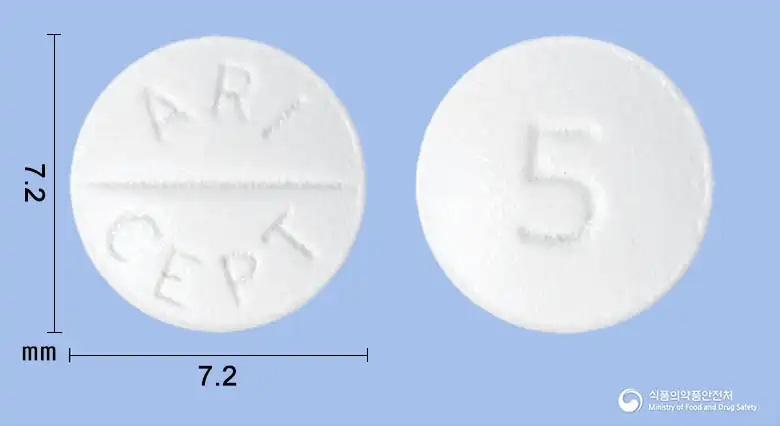
Donepezil Hydrochloride 5mg
Tablet · Prescription medication
HanDoc Co., Ltd.
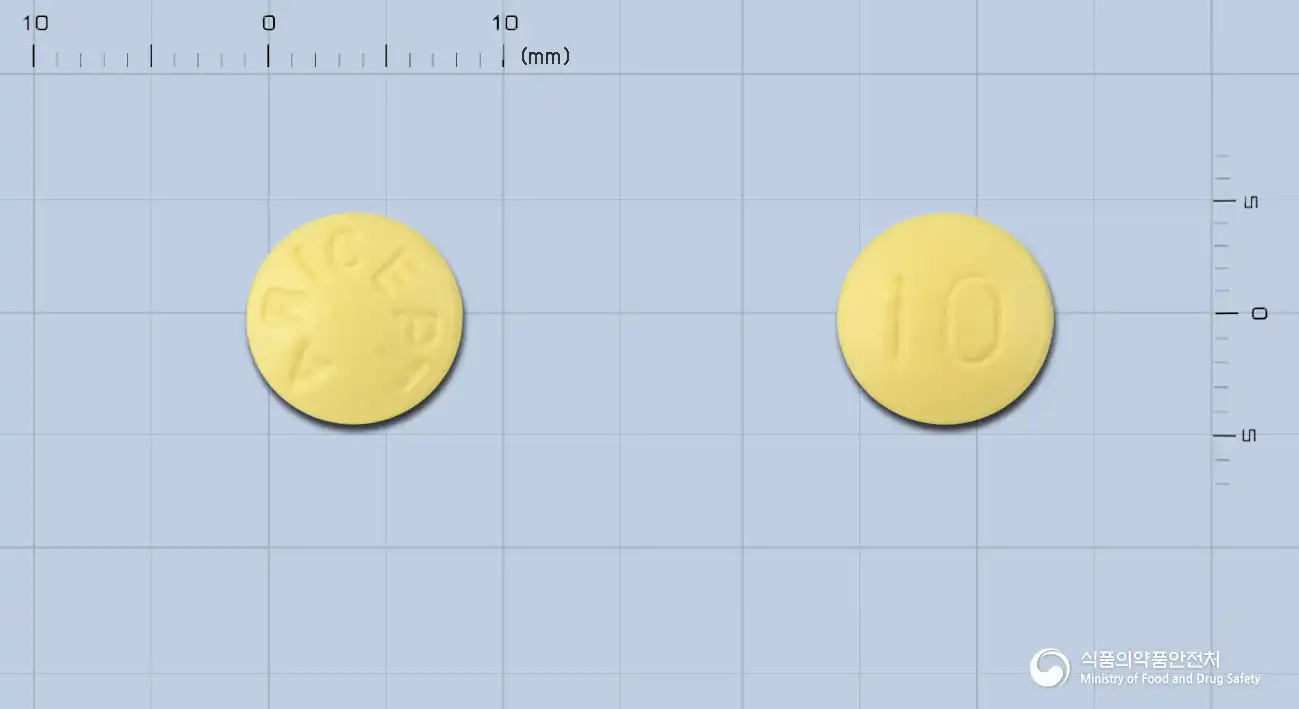
Donepezil Hydrochloride 10mg
Tablet · Prescription medication
Hanmi Pharmaceutical Co., Ltd.

Donepezil Hydrochloride Hydrate 10.43mg
Tablet · Prescription medication
IYun Pharmaceuticals Co., Ltd.

Donepezil Hydrochloride Hydrate 10.43mg
Tablet · Prescription medication
Yuhan Corporation
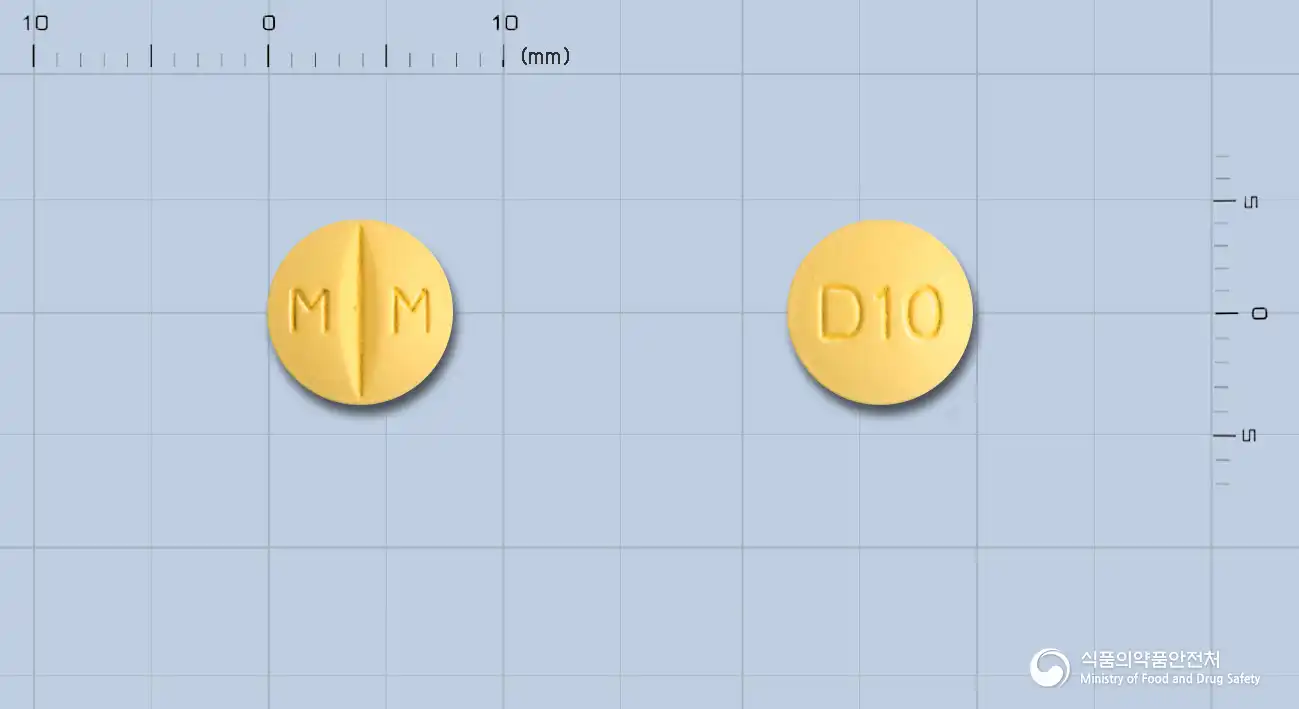
Donepezil Hydrochloride Hydrate 10.43mg
Tablet · Prescription medication
Myungmoon Pharmaceutical Co., Ltd.
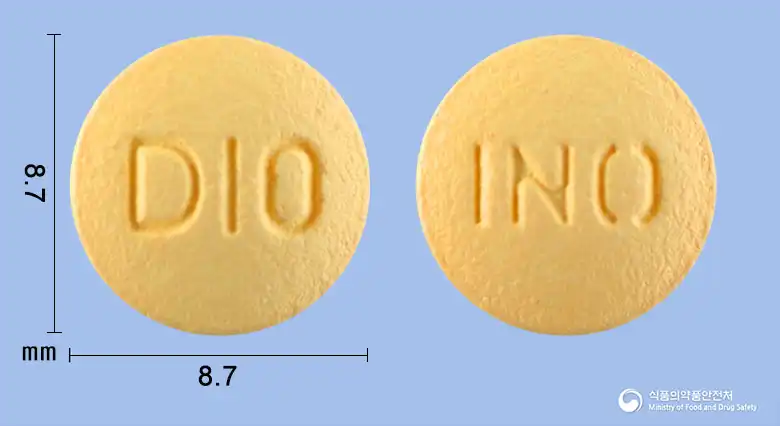
Donepezil Hydrochloride Hydrate 10.43mg
Tablet · Prescription medication
HK inno.N Co., Ltd.
Donepezil Hydrochloride 10mg
Tablet · Prescription medication
Celltrion Pharmaceutical Co., Ltd.
Even with the same ingredient, the dose and directions can differ by strength and dosage form. Talk to a doctor or pharmacist before switching from a medication you are already taking.
No questions yet.
For anything that needs medical judgment, consult a doctor or pharmacist.
This drug information is based on data provided by the Korea Ministry of Food and Drug Safety.
Consult a doctor or pharmacist for accurate dosage, administration, and usage instructions.