
 한국어
한국어 English
 日本語
日本語 中文(简体)
Dosage form image
Viewing nowCombinationOlmesartan Medoxomil and Amlodipine Besilate Tablet 10/40 mg
Amlodipine Besylate 13.888mg · Olmesartan Medoxomil 40mg
Tablet · Prescription medication · Combination
Dongsung Pharmaceutical Co., Ltd.
MFDS item code 201904376 · Approved 2019.06.26
This product's status changed to Expired on 2024.06.26. It may no longer be sold, so consult a doctor or pharmacist before taking it.
Improvement in blood pressure control for essential hypertension
Essential hypertension is important to control blood pressure, and this medication is used when blood pressure is not adequately controlled with either Amlodipine or Olmesartan Medoxomil alone. These drugs lower blood pressure, reduce the risk of cardiovascular complications, and help overall blood pressure management. They are effective in improving patients' blood pressure conditions to maintain health. Therefore, it is used for the treatment of essential hypertension.
This medication should be taken once daily, one tablet, with or without food. It is recommended to take it around the same time every day (e.g. in the morning). The recommended dosages are 5/20 mg, 10/20 mg, 5/40 mg, and 10/40 mg, adjusted according to the patient's blood pressure control status. The maximum dosage is 10/40 mg. Certain patient groups, such as those with kidney dysfunction, liver dysfunction, or the elderly, should be monitored closely.
The safety and efficacy in pediatric patients under 18 years of age have not been established.
This medication can cause serious harm to the fetus and newborn if taken during the second and third trimesters of pregnancy; therefore, it should be discontinued immediately once pregnancy is confirmed. Patients with allergies to components in this medication, those who are pregnant or breastfeeding, patients with severe liver disease, certain heart and biliary diseases, patients undergoing kidney dialysis, those in shock, and certain diabetic patients should not take this medication. Patients with fluid or salt depletion may experience excessively low blood pressure at the beginning of treatment, so their condition should be carefully monitored and appropriate treatment should be received if symptoms occur. Patients with certain heart diseases should be particularly cautious, as vasodilation may lead to sudden hypotension. Patients with weakened heart function or impaired kidney function may also experience worsening of kidney function while taking this medication, so regular check-ups are necessary. This medication may cause various side effects, including dizziness, headache, low blood pressure, edema, gastrointestinal disturbances, skin rashes, etc. If any abnormal symptoms appear, medical consultation should be sought immediately. This medication should not be used during pregnancy, and if a pregnancy is planned or confirmed, it should be replaced with a safer drug. If breastfeeding, the decision to use this medication should be made carefully. Children under 18 years of age are not recommended for use, as its safety and efficacy have not been established in this population. The elderly may have decreased kidney and liver function, so they should start with a low dose and be monitored carefully. In case of overdose, hypotension and cardiac arrhythmias may occur, so immediate medical attention is required.
Hives, severe swelling (edema), chest tightness, difficulty breathing, cold sweat, paleness, severe allergic reactions, severe rash with fever, blisters, skin shedding, painful mucous membranes of the mouth/eyes, severe skin reactions, difficulty breathing or shortness of breath, asthma attacks, respiratory problems accompanied by coughing and fever, jaundice (yellowing of the skin or eyes), profound lethargy, liver abnormalities (jaundice), and decreased urine output.
Not everyone experiences these, and they can vary from person to person.
This medication should be stored in a tightly sealed container to protect it from air and moisture. It is recommended to maintain the storage temperature between 1 degree and 30 degrees Celsius at room temperature. Proper storage will help maintain the medication's efficacy and safety.
Brownish-red, round film-coated tablet
30 tablets (10 tablets/PTP X 3)
Even with the same ingredient, strength, dosage form and how it is taken can differ.
Amlodipine Besylate 13.888mg · Olmesartan Medoxomil 40mg
Tablet · Prescription medication · Combination
Dongsung Pharmaceutical Co., Ltd.
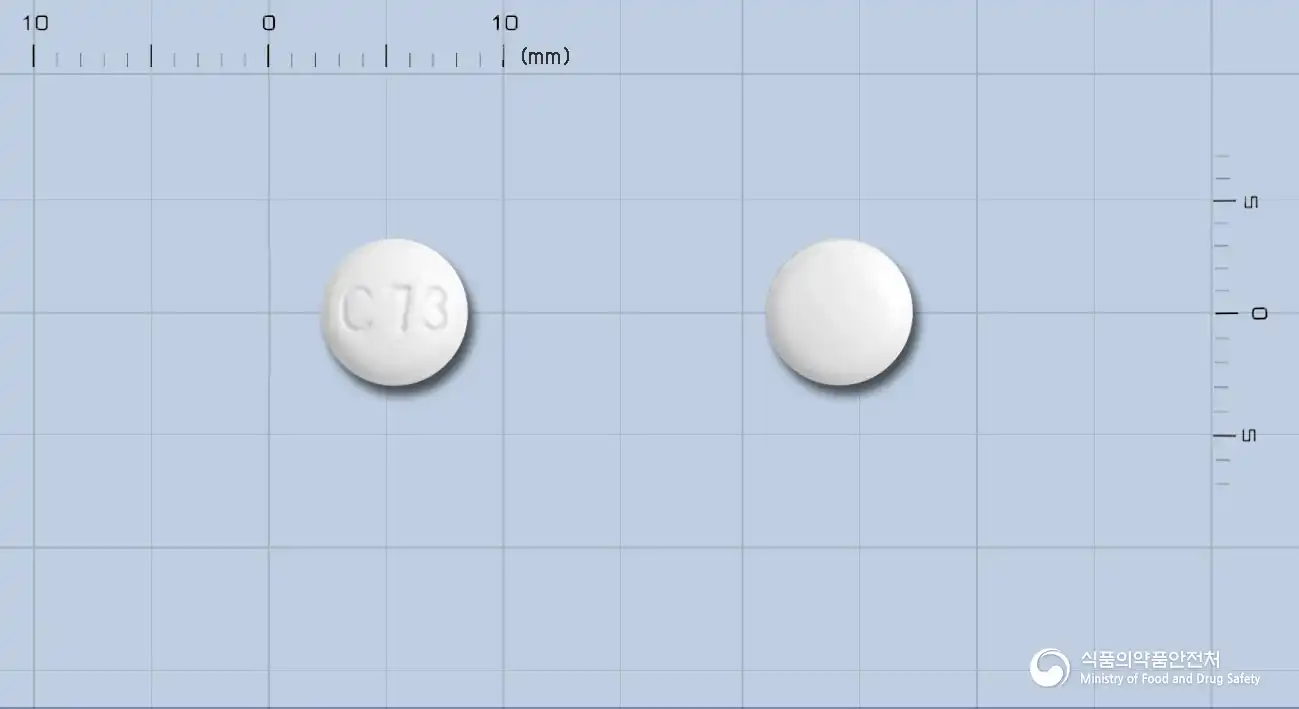 Combination
Olmesartan Medoxomil 20mg · Amlodipine Besylate 6.944mg
Tablet · Prescription medication · Combination
Korea Daiichi Sankyo Co., Ltd.
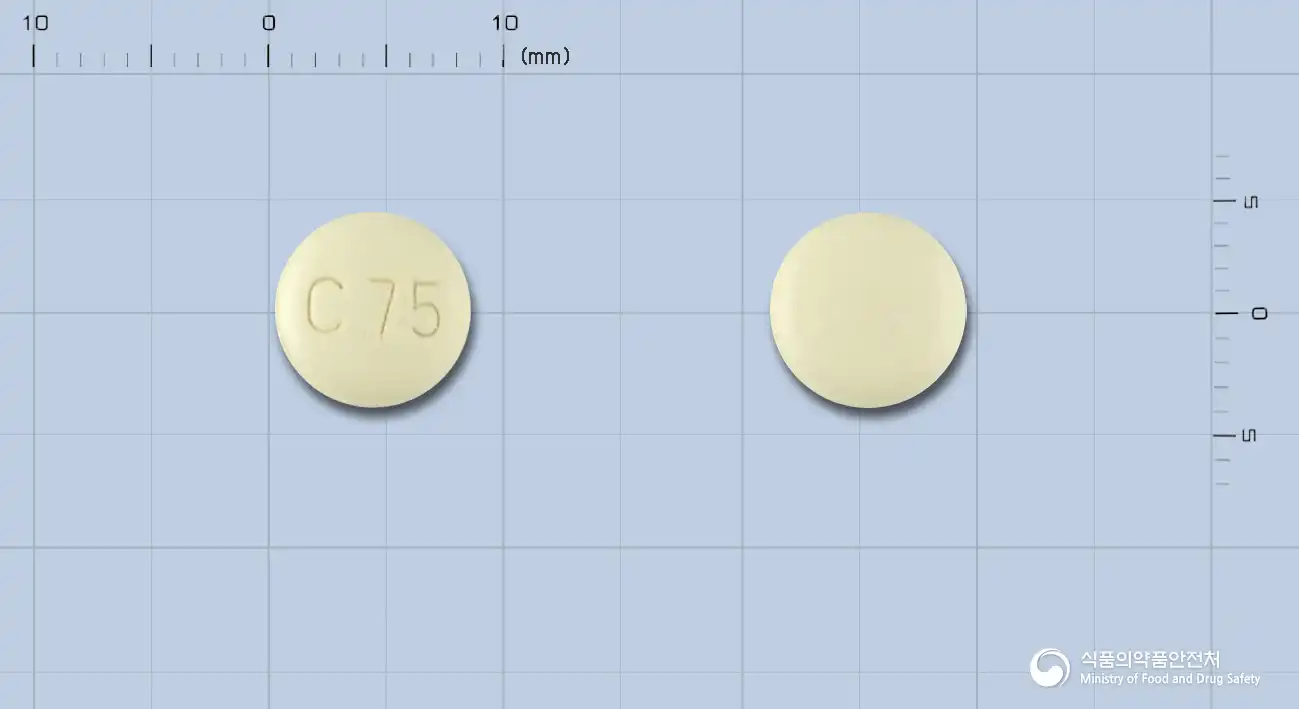 Combination
Olmesartan Medoxomil 40mg · Amlodipine Besylate 6.944mg
Tablet · Prescription medication · Combination
Korea Daiichi Sankyo Co., Ltd.
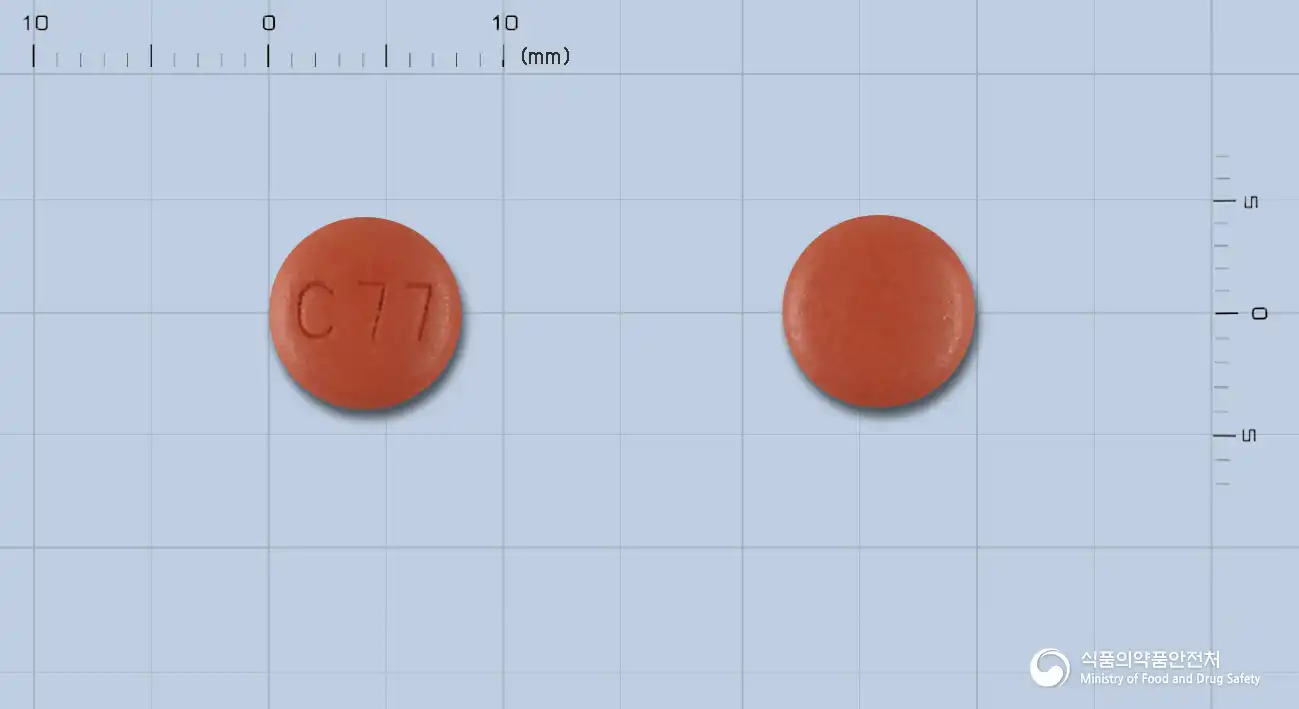 Combination
Olmesartan Medoxomil 40mg · Amlodipine Besylate 13.888mg
Tablet · Prescription medication · Combination
Hanmi Daiichi Sankyo Co., Ltd.
Olmesartan Medoxomil · Amlodipine Besylate
Prescription medication · Combination
SYNEX Co., Ltd.
Olmesartan Medoxomil · Amlodipine Besylate
Prescription medication · Combination
Co., Ltd. Sainex
Olmesartan Medoxomil · Amlodipine Besylate
Prescription medication · Combination
SYNEX Co., Ltd.
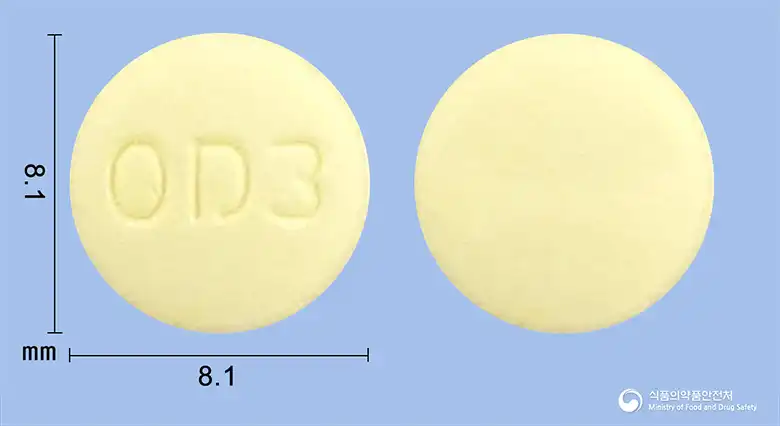 Combination
Amlodipine Besylate 6.944mg · Olmesartan Medoxomil 40mg
Tablet · Prescription medication · Combination
Huons Co., Ltd.
Even with the same ingredient, the dose and directions can differ by strength and dosage form. Talk to a doctor or pharmacist before switching from a medication you are already taking.
No questions yet.
For anything that needs medical judgment, consult a doctor or pharmacist.
This drug information is based on data provided by the Korea Ministry of Food and Drug Safety.
Consult a doctor or pharmacist for accurate dosage, administration, and usage instructions.