
 한국어
한국어 English
 日本語
日本語 中文(简体)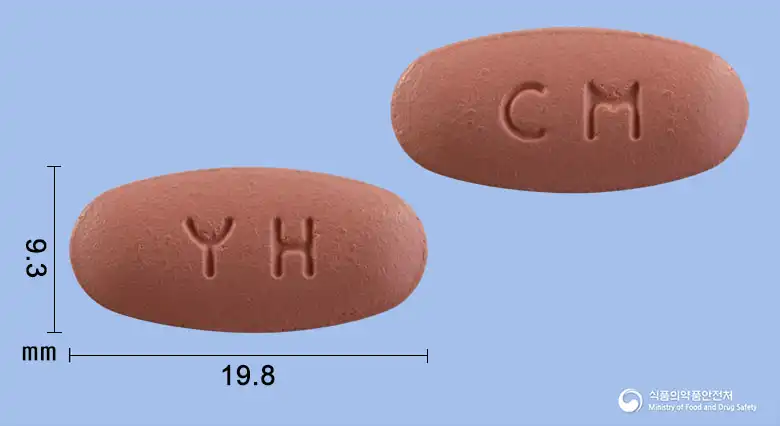
Summary
- Main use
- Relief of neuralgia and muscle pain, improvement of bone developmental disorder, prevention of rickets
- Who uses it
- Adults
- Adult dosage
- Aged 12 years and older: 2 times a day, 1 tablet per dose
Ingredients
- Magnesium Oxide232.2mg / 1 tablet
- Benfotiamine12.5mg / 1 tablet
- Pyridoxine Hydrochloride Powder 97%12.89mg / 1 tablet
- Cyanocobalamin Powder 1%12.5mg / 1 tablet
- Cholecalciferol Concentrate Powder5mg / 1 tablet
- Anhydrous Dibasic Calcium Phosphate510mg / 1 tablet
- Sodium Chondroitin Sulfate300mg / 1 tablet
- Manufacturer
- (주)유한양행
Efficacy & effects
Relief of neuralgia and muscle pain, improvement of bone developmental disorder, prevention of rickets
- Physical fatigue
- decreased physical strength
- neuralgia
- muscle pain
- joint pain
- beriberi
- eye fatigue
- bone developmental disorder
- dental developmental disorder
- rickets
- calcium deficiency
- magnesium deficiency
View approved original textHide original text
This medicine contains vitamins B1, B6, and D, which help supplement physical strength during physical fatigue, pregnancy, lactation, post-illness recovery, growth periods, and old age. Vitamin B1 is effective for relieving pain such as neuralgia, muscle pain, and joint pain, and is also used for improving eye fatigue. Vitamin D is important for improving bone and dental developmental disorders and preventing rickets. Additionally, it helps with muscle cramps caused by calcium and magnesium deficiency. This medicine is used to enhance overall physical strength, relieve pain, and promote bone health.
Dosage and Administration
Adult dosage
Aged 12 years and older: 2 times a day, 1 tablet per dose
Precautions
This medicine should not be taken by patients with hypercalcemia, sarcoidosis (a systemic inflammatory disease with an unknown cause), or those with kidney disease. Patients with allergic reactions to this medicine or its components, infants under 12 months, those with kidney stones, and patients with severe renal failure symptoms should not take this medicine. During treatment with this medicine, it is important not to take it together with drugs such as phosphates, calcium salts, oral tetracycline antibiotics, antacids, and levodopa. Women undergoing treatment, pregnant or possibly pregnant, lactating women, premature infants or infants, patients with heart or circulatory function issues, kidney impairments, hypoproteinemia, patients taking cardiac glycosides, and those with a history of kidney stones should consult with a doctor, dentist, or pharmacist before taking this medicine. If symptoms like nausea, vomiting, diarrhea, constipation, hypotension, facial flushing, irregular heartbeat, skin rash, swelling, dizziness, or loss of appetite occur during treatment, discontinue use and consult a professional promptly. Prolonged high-dose intake of pyridoxine may cause neuropathy, and excessive intake of vitamin B12 may lead to hematological abnormalities, so caution is necessary. Overconsumption can result in gastrointestinal disturbances, increased sodium levels in the blood, worsening heart failure, and edema; long-term use may cause hypercalcemia and nephrolithiasis. Taking with aldosterone antagonists or triamterene may increase the risk of elevated potassium levels in the blood, requiring caution. Adhere to the prescribed dosage and avoid tannin-containing teas such as green tea and black tea before and after use. Store this medicine out of reach of children and keep it sealed in a cool, dry place away from direct sunlight. Also, avoid transferring it to other containers to maintain quality.
Side effects and when to seek care immediately
Serious side effects
Hives, swelling, skin rash, irregular heartbeat, central nervous system function impairment, facial and leg edema, swelling, and fluid retention related to renal failure, severe allergic reactions
Mild side effects
Nausea, vomiting, diarrhea, loose stools, constipation, hypotension, facial flushing, irregular heartbeat, skin rash, red spots, hyporeflexia, central nervous system function impairment, dizziness, facial and leg edema, loss of appetite, erythema, eczema, rash, papular rash, itching, swelling, fluid retention, sensory neuropathy, neurological symptoms, hematological abnormal reactions, hypernatremia, congestive heart failure, hypercalcemia, nephrolithiasis, hyperkalemia
Not everyone experiences these, and they can vary from person to person.
Interactions
Drug interactions
This medicine should not be taken with phosphates, calcium salts, oral tetracycline formulations, antacids, or levodopa. Consultation with a doctor or pharmacist is required if taken with cardiac glycosides, aldosterone antagonists, or triamterene.
Food interactions
This medicine should avoid consumption with tannin-containing teas such as green tea or black tea during or around the time of administration.
Storage
This medicine must be stored in a tightly sealed container to prevent contact with air or moisture. It is preferable to maintain storage temperatures between 1 to 30 degrees Celsius at room temperature for optimal effectiveness.
Appearance and packaging
Appearance
Pink oval film-coated tablets
Package unit
60 tablets/bottle, 120 tablets/box [60 tablets/bottle X 2]
Questions about this medicine
QIs it okay for my mother who has kidney disease to take it?
In the side effects section, it mentions fluid retention in patients with renal failure or heart failure. If you have a kidney condition like your mother, please consult your doctor before taking it.
Answers 1 · 2026.09.14
QHow many times a day should I take it?
For individuals aged 12 and older, including adults, it is recommended to take 1 tablet twice a day. During treatment, it is advised not to take calcium salts, phosphates, or antacids together, so please check if you have any other supplements.
Answers 1 · 2026.09.14
QI often get cramps in my legs; will this help?
The approved efficacy includes muscle cramps caused by magnesium deficiency. However, since there can be various reasons for frequent cramps, please seek medical attention if it persists.
Answers 1 · 2026.09.14
For anything that needs medical judgment, consult a doctor or pharmacist.