
 한국어
한국어 English
 日本語
日本語 中文(简体)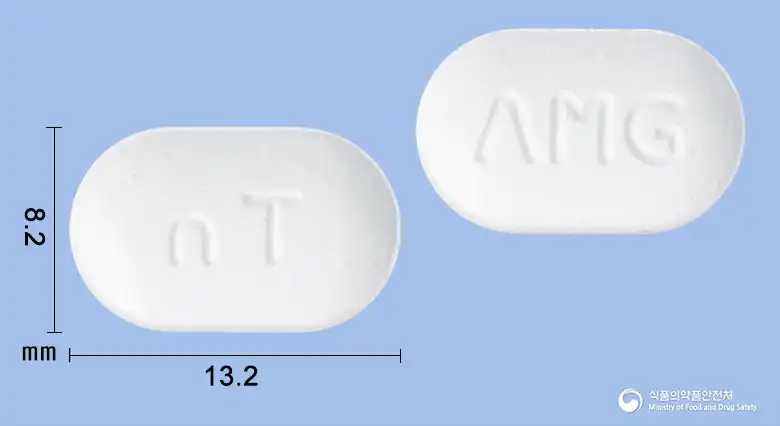
Summary
- Main use
- Relief of digestive symptoms such as gastric and duodenal ulcers (antacid effect), gastritis (symptom improvement), etc.
- Who takes it
- Adults · Children
- Adult dose
- 1 g of Almagate should be taken orally three times daily after meals, 30 minutes to 1 hour later. It may be taken once more before bedtime if needed.
- Child dose
- Children 12 years and older should take 1 g of Almagate orally three times daily after meals, 30 minutes to 1 hour later. It may be taken once more before bedtime if needed.
Ingredients
- Manufacturer
- 한국신텍스제약(주)
Efficacy & effects
Relief of digestive symptoms such as gastric and duodenal ulcers (antacid effect), gastritis (symptom improvement), etc.
- Gastric and duodenal ulcers
- gastritis
- excessive stomach acid
- heartburn
- nausea
- vomiting
- stomach pain
- belching
View approved original textHide original text
This medication helps to alleviate symptoms arising from various gastrointestinal disorders such as gastric and duodenal ulcers, gastritis, etc. It also improves uncomfortable symptoms such as heartburn, nausea, vomiting, stomach pain, and belching caused by excessive stomach acid, thereby supporting the digestive health of patients. By neutralizing stomach acid through its antacid effect, it protects the gastric mucosa and reduces pain and discomfort, providing comfort. Due to these effects, it is used for the improvement of various gastrointestinal-related symptoms.
How to take
Adult dose
1 g of Almagate should be taken orally three times daily after meals, 30 minutes to 1 hour later. It may be taken once more before bedtime if needed.
Child dose
Children 12 years and older should take 1 g of Almagate orally three times daily after meals, 30 minutes to 1 hour later. It may be taken once more before bedtime if needed.
Precautions
This medication contains aluminum and magnesium, so individuals with certain health conditions should not take it. For example, individuals who have had allergic reactions to this medication or its components should avoid taking it. In addition, patients with Alzheimer's disease, hemorrhoids, those with edema, patients with gestational hypertension, individuals with diarrhea, and those experiencing gastrointestinal bleeding of unknown origin should avoid this medication. This medication contains lactose, so individuals with lactose intolerance or related genetic conditions should also avoid taking it. When taking this medication, do not use it in conjunction with certain antibiotics known as tetracyclines, as the effectiveness may be reduced when these two medications are present together. If you are currently taking other medications, consult a doctor or pharmacist, as this medication may change the environment in the gastrointestinal tract and affect the absorption or excretion of other drugs. In particular, it is advisable to take non-steroidal anti-inflammatory drugs, ulcer treatments, cardiac medications, antibiotics, or iron preparations at staggered intervals from this medication. Individuals with poor kidney function are advised against taking this medication, as the metal ions it contains may accumulate in the body. Additionally, those who are weak or have low dietary intake must be cautious about prolonged use, as it may impact bone health. Elderly individuals, those with symptoms of gastrointestinal bleeding, pregnant or potentially pregnant women, and nursing mothers should consult specialists before taking this medication. If constipation or diarrhea occurs while taking this medication, it should be discontinued immediately, and a specialist should be consulted. If symptoms do not improve after more than two weeks of use, consult a physician. It is essential to adhere strictly to the prescribed usage and dosage, and parental supervision is required when children take this medication. Finally, this medication should be stored out of reach of children, in its original container, away from direct sunlight, and in a cool place with low humidity.
Side effects and when to seek care immediately
Mild side effects
Constipation, diarrhea
Not everyone experiences these, and they can vary from person to person.
Interactions
Drug interactions
Do not take this medication together with tetracycline class antibiotics. When taking with non-steroidal anti-inflammatory drugs (NSAIDs), ulcer treatments, digitalis preparations, chlorpromazine, lansoprazole, prednisolone, penicillin, quinolones, or iron (Fe) salt preparations, take with an interval of 2-3 hours. Consult a doctor or pharmacist when taking with salicylates.
Storage
This medication should be stored in a sealed container to prevent air or moisture from entering, and the storage temperature should be maintained between 1 degree and 30 degrees Celsius at room temperature. This will help maintain the medication's effectiveness for a long time.
Appearance and packaging
Appearance
White rectangular tablet
Package unit
Domestic use - 500 tablets/bottle, Domestic use - 1000 tablets/bottle, Export use - 30 tablets/bottle, Export use - 500 tablets/bottle, Export use - 100 tablets/PTP [10 tablets/PTP × 10]
Questions about this medicine
QCan I take it if I'm experiencing severe heartburn before sleeping?
For adults and children over 12 years old, it is recommended to chew 1g three times a day, 30 minutes to 1 hour after meals, and an additional dose may be taken before bedtime if necessary. If you are experiencing heartburn every night, please seek medical attention to determine the cause.
Answers 1 · 2026.09.14
QShould people taking iron supplements space out the timing?
Yes, when taking it with non-steroidal anti-inflammatory drugs, penicillin, quinolones, iron (Fe) salt preparations, it is recommended to space the doses by 2~3 hours. If you are taking salicylates, consult your doctor or pharmacist first.
Answers 1 · 2026.09.14
For anything that needs medical judgment, consult a doctor or pharmacist.