
 한국어
한국어 English
 日本語
日本語 中文(简体)
 Viewing now
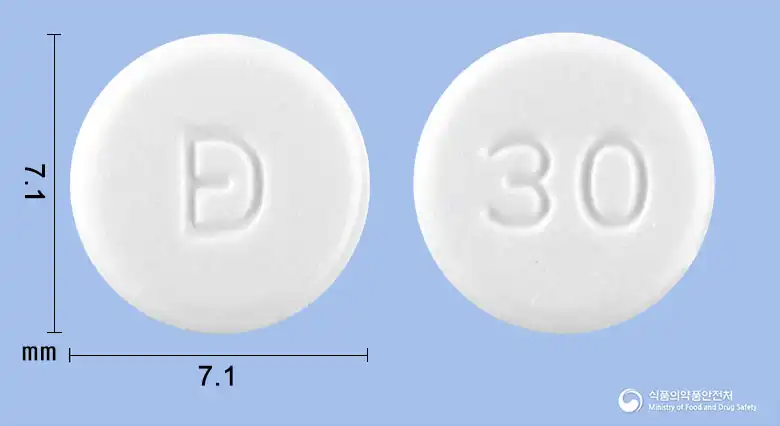
Daewoong Pioglitazone Tablets 30 Milligrams (Pioglitazone Hydrochloride)
Pioglitazone Hydrochloride 33.06mg
Tablet · Prescription medication
Daewoong Bio Co., Ltd.
MFDS item code 201904309 · Approved 2019.06.24 · Insurance code 694002490
Improvement of blood sugar control in type 2 diabetes
This medication is used as an adjunct to dietary and exercise therapy to help patients with type 2 diabetes control their blood sugar levels. It can be used alone or in conjunction with other medications to effectively manage blood sugar levels, thereby helping to maintain stable blood sugar levels.
This medication is taken orally once daily, regardless of meals. For monotherapy, it can be initiated at a dose of 15 mg once daily; if ineffective, the dose can be increased to 30 mg once daily. For combination therapy, it is also administered at a dose of 15 mg once daily, with a maximum recommended dose of 30 mg once daily.
There is no experience or recommendation for use in children under 18 years of age.
This medication is used in the treatment of type 2 diabetes and helps enhance the effects of insulin. During treatment with this medication, heart function issues may arise, so it should not be used, particularly in patients with heart failure or a history of heart failure. Symptoms of heart failure include rapid weight gain, shortness of breath, and swelling, so if these symptoms occur, you should consult your doctor immediately. Moreover, this medication can cause fluid retention, worsening edema or heart failure, so caution is needed in patients with existing edema or a high risk of heart disease. Patients with active bladder cancer or a history of bladder cancer should not use this medication, and if hematuria or urinary disturbances occur during treatment, you should inform your doctor. Patients with poor liver function should also use this medication with caution, and treatment should be adjusted based on liver function test results. This medication can pose a risk of hypoglycemia, so when taken with insulin or other antihyperglycemic agents, be vigilant for symptoms of hypoglycemia and adjust dosage if necessary. Women who are pregnant or may become pregnant should consult their doctor before using this medication, and pre-menopausal women are advised to use proper contraception as ovulation may be stimulated, increasing the risk of pregnancy. Elderly patients or those with impaired kidney function require more careful monitoring while taking this medication. During treatment, it is important to have regular blood sugar and liver function tests and to inform your doctor immediately of any adverse symptoms. This medication is taken once daily, and if a dose is missed, do not take double the dose the next day. Finally, keep this medication out of reach of children, and store it in its original container to maintain quality.
Congestive heart failure, symptoms and signs of heart failure (including excessive and rapid weight change, shortness of breath, edema), severe edema (including peripheral edema, generalized edema, pit edema, fluid retention), severe allergic reactions (including hives, severe swelling (edema), chest tightness, difficulty breathing, cold sweats, pallor), severe skin reactions (including severe rash with high fever, blisters, skin peeling, pain in mucous membranes of mouth/eyes), severe edema or
Not everyone experiences these, and they can vary from person to person.
This medication should be stored in a container that blocks light and air, and should be kept away from areas with high humidity. The recommended storage temperature is between 15 and 30 degrees Celsius, and it is advisable to store it at room temperature around 25 degrees.
White round tablet
30 tablets/bottle, 100 tablets/bottle
Even with the same ingredient, strength, dosage form and how it is taken can differ.
Viewing nowPioglitazone Hydrochloride 33.06mg
Tablet · Prescription medication
Daewoong Bio Co., Ltd.
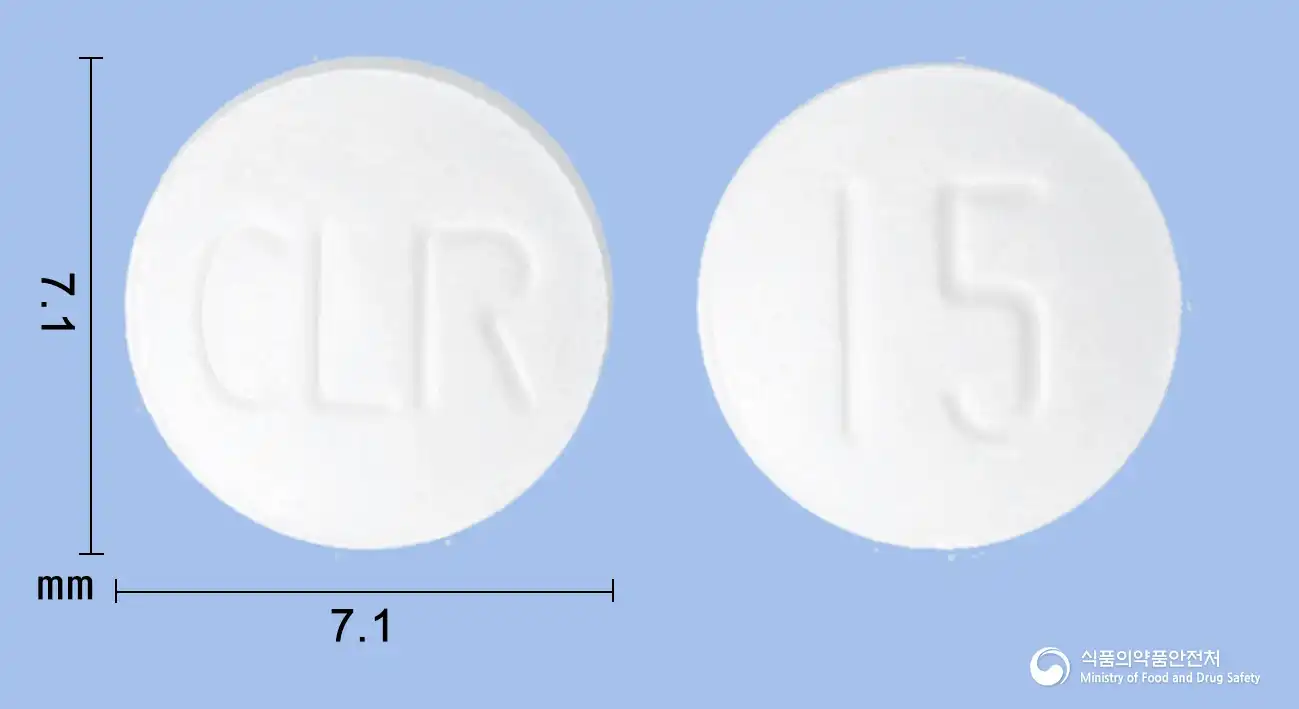
Pioglitazone Hydrochloride 16.53mg
Tablet · Prescription medication
Celltrion Pharmaceutical Co., Ltd.
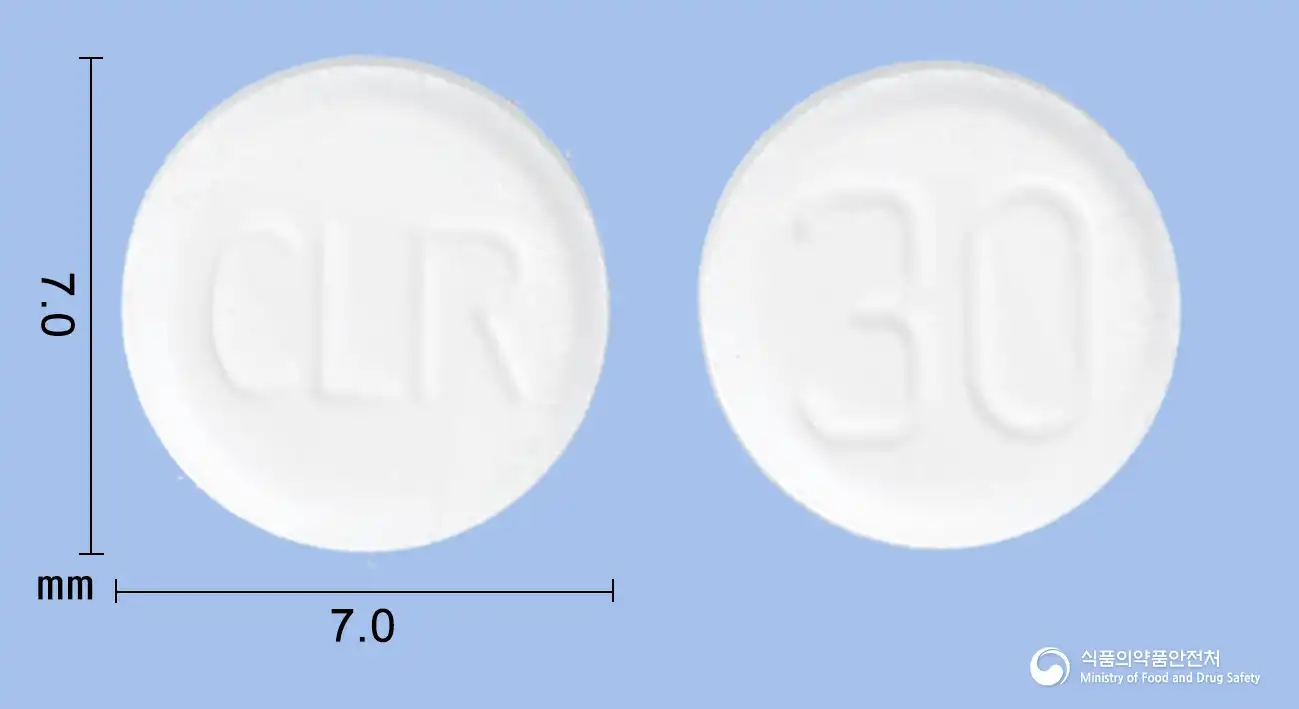
Pioglitazone Hydrochloride 33.06mg
Tablet · Prescription medication
Celltrion Pharmaceutical Co., Ltd.
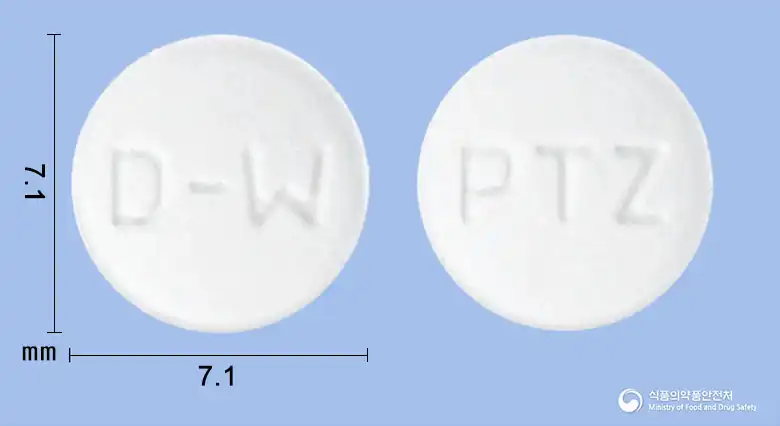
Pioglitazone Hydrochloride 16.53mg
Tablet · Prescription medication
Dongwha Pharmaceutical Co., Ltd.
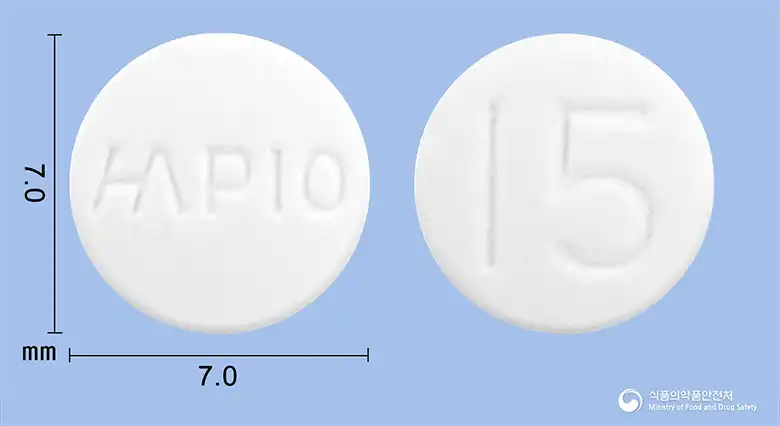
Pioglitazone Hydrochloride 16.53mg
Tablet · Prescription medication
Hanol Bio Pharma Co., Ltd.
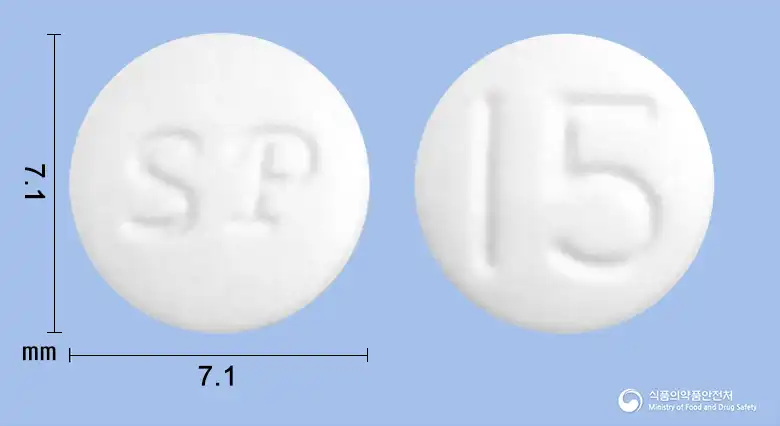
Pioglitazone Hydrochloride 16.53mg
Tablet · Prescription medication
Shinpoong Pharmaceutical Co., Ltd.
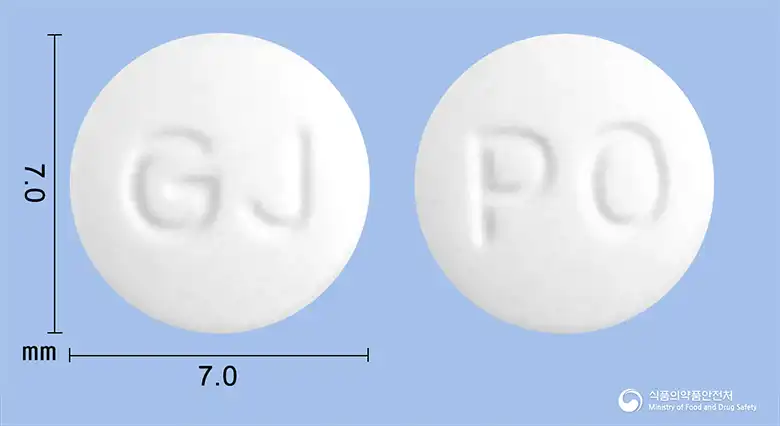
Pioglitazone Hydrochloride 16.53mg
Tablet · Prescription medication
Kujoo Pharmaceutical Co., Ltd.
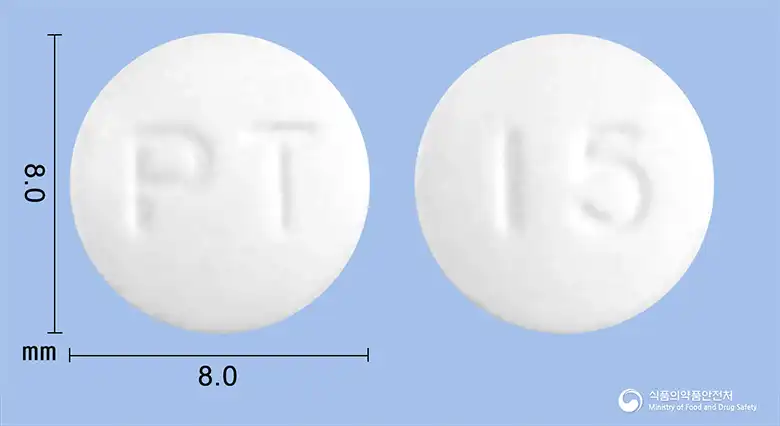
Pioglitazone Hydrochloride 16.53mg
Tablet · Prescription medication
Kyungdong Pharm Co., Ltd.
Even with the same ingredient, the dose and directions can differ by strength and dosage form. Talk to a doctor or pharmacist before switching from a medication you are already taking.
No questions yet.
For anything that needs medical judgment, consult a doctor or pharmacist.
This drug information is based on data provided by the Korea Ministry of Food and Drug Safety.
Consult a doctor or pharmacist for accurate dosage, administration, and usage instructions.