
 한국어
한국어 English
 日本語
日本語 中文(简体)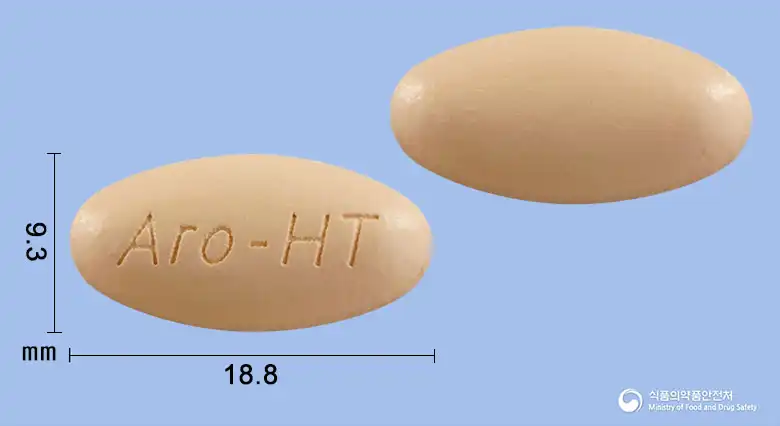
Summary
- Main use
- Improvement of physical fatigue and maintenance of strength during pregnancy and lactation, growth period, and old age health
- Who takes it
- Adults
- Adult dose
- For adolescents aged 15 and older and adults: Take 1 tablet once daily
Ingredients
- Fursultiamine Hydrochloride20mg / 1 tablet
- Cholecalciferol Concentrate Powder1mg / 1 tablet
- Folic Acid0.4mg / 1 tablet
- Anhydrous Dibasic Calcium Phosphate169.72mg / 1 tablet
- Magnesium Oxide82.78mg / 1 tablet
- Potassium Chloride94.87mg / 1 tablet
- Zinc Oxide37.4mg / 1 tablet
- Ubidecarenone 10%100mg / 1 tablet
- Tocopherol Acetate Powder 50%40mg / 1 tablet
- Cyanocobalamin Powder 0.1%2.4mg / 1 tablet
- Manufacturer
- 일동제약(주)
Efficacy & effects
Improvement of physical fatigue and maintenance of strength during pregnancy and lactation, growth period, and old age health
- Physical fatigue
- decreased strength
View approved original textHide original text
Vitamins D, E, and B1 provide essential nutrients during physical fatigue, pregnancy and lactation, and recovery from illness, helping to enhance vitality and maintain health during growth periods and old age. Zinc plays a vital role in strengthening immune function and growth development, requiring supplementation during these times. Therefore, these nutrients are used for the restoration of bodily functions and the enhancement of health.
How to take
Adult dose
For adolescents aged 15 and older and adults: Take 1 tablet once daily
Precautions
This drug should not be taken by patients with hypercalcemia, sarcoidosis (a systemic inflammatory disease of unknown cause), or individuals with renal disease. Additionally, individuals with allergic reactions to this drug or its components, infants under 12 months, patients with hyperkalemia, individuals with a history of kidney stones, and those with severe renal failure should also avoid this medication. This drug contains lactose, so individuals with lactose intolerance or congenital lactose degradation disorders must not take it. During treatment, it is advisable to avoid taking phosphate, calcium salts, oral tetracycline antibiotics, and antacids together with this medication. Those undergoing medical treatment, pregnant or potentially pregnant women, breastfeeding individuals, premature infants and young children, people with heart or circulatory diseases, kidney diseases, low protein levels, those taking cardiac glycosides, individuals with alkalosis or peptic ulcers, and those with a history of kidney stones should consult their doctor or pharmacist before taking this drug. If symptoms such as nausea, vomiting, diarrhea, skin rash, irregular heartbeat, central nervous system disturbances, hyperkalemia, or gastrointestinal disturbances occur while taking this medication, it should be discontinued immediately, and a professional should be consulted. This medication may affect the menstrual cycle, potentially resulting in prolonged bleeding, so it is necessary to inform a healthcare professional about any changes. Women taking contraceptives that include estrogen or those at risk for thrombosis should be cautious, as vitamin E may increase the risk of thrombosis. Individuals with folic acid deficiency who excessively consume vitamin B12 may experience hematological abnormalities, thus requiring caution. Overdosing or long-term use of this medication may lead to gastrointestinal symptoms, edema, heart failure, hypercalcemia, and kidney stones, so it is crucial to adhere to the prescribed dosage. Taking alongside aldosterone antagonists or triamterene may heighten the risk of hyperkalemia, hence caution is needed. If, after one month of use, symptoms do not improve, consultation with a healthcare professional should be undertaken. It is advisable to avoid tea containing tannins, such as green tea or black tea, during use. Keep this drug out of the reach of children and store it in a tightly sealed container away from direct sunlight in a cool, dry place. Furthermore, it is essential not to transfer it to other containers for quality preservation.
Side effects and when to seek care immediately
Serious side effects
- Irregular heartbeat
- heart contractions (cardiac arrest)
- pulmonary edema
- prolonged bleeding
Mild side effects
Nausea, vomiting, diarrhea, abdominal discomfort, constipation, rash, redness, loose stools, stomatitis (oral inflammation), hypotension, flushing of the face, irregular heartbeat, skin rashes, red spots, heart contractions (cardiac arrest), central nervous system depression, hyperkalemia, gas retention, abdominal pain, gastrointestinal disorders, digestive disturbances, upper abdominal pain, pulmonary edema, menstrual cycle becoming shorter or increasing in flow, prolonged bleeding, gastrointestinal symptoms, hypernatremia
Not everyone experiences these, and they can vary from person to person.
Interactions
Drug interactions
This medication should not be taken with phosphates, calcium salts, oral tetracycline preparations, or antacids. Consultation with a physician or pharmacist is required if taken with cardiac glycosides, oral contraceptives containing estrogen, aldosterone antagonists, or triamterene.
Food interactions
This medication should be avoided with tannin-containing teas such as green tea or black tea during or immediately before or after consumption.
Storage
This medication may be sensitive to air or moisture, so it should be stored in a tightly sealed container. The recommended storage temperature is room temperature between 1 to 30 degrees Celsius, which helps keep the drug effective for a longer period.
Appearance and packaging
Appearance
Oval film-coated tablet with a reddish-yellow color
Package unit
30 tablets/bottle, 120 tablets/bottle
Questions about this medicine
QI'm currently taking antacids; is it okay?
The approved information states that it should not be taken together with antacids, phosphates, calcium salts, or oral tetracycline preparations. If you are taking cardiac glycosides or oral contraceptives, you should also consult a pharmacist by showing them the medications you are taking.
Answers 1 · 2026.09.14
QIs it bad to take it with green tea?
Teas containing tannins, such as green tea and black tea, are advised to be avoided while taking this medication or before and after taking it. It is best to take the medication with water and to consume tea at a time separate from your dosage.
Answers 1 · 2026.09.14
For anything that needs medical judgment, consult a doctor or pharmacist.